Geilo is Norway's classic ski town. For decades it was the country's most fashionable winter destination, where wealthy Norwegians and Swedish ski enthusiasts came to see and be seen. The town sits at 800 metres elevation, roughly halfway between Oslo and Bergen, in a broad valley with mountains rising on both sides.
The transformation from quiet railway stop to international resort began with a single chairlift. In 1954, after years of legal battles with cabin owners who didn't want it near their properties, Geilo Taubane finally opened - a two-seater chairlift running from the town centre up to Geilohovda. The effect was immediate. Within thirteen years it had carried a million passengers, and Geilo was suddenly an international skiing destination.
What followed was both blessing and curse. Local landowners and investors all wanted a piece of the action, each developing their own small ski areas independently. Slaatta, Halstensgård, Havsdalen on the town side. Vestlia and Kikut on the opposite side of the valley. The result was a fragmented mess of different owners, different lift passes, different standards. By the 2000s, while competitors like Hemsedal invested heavily, Geilo stood still. The golden era of the seventies, eighties and nineties became a distant memory.
The turnaround came in 2017 when local developer Arne Pålgardhaugen joined forces with property investor Ivar Tollefsen to buy up most of the separate operations. Over 200 million kroner has been invested since then, and Geilo won Norway's Best Ski Resort at the World Ski Awards four years running from 2019 to 2022, finally beating Trysil which had dominated since the prize began.
The resort remains physically split across the valley, which is why there's a free ski bus shuttling between Vestlia and Geilosiden throughout winter. You genuinely need it - you cannot ski between the two sides. The terrain suits families and intermediates well, with plenty of blue and red runs, though experts might find it lacks challenge. There are plans for a new gondola from the railway station that would connect everything properly, but these have been delayed repeatedly.
The grand dame of Geilo hotels is Dr. Holms, which opened the same day King Haakon VII inaugurated the Bergen Railway in November 1909. It started as a sanatorium: Dr. Ingebrigt Christian Holm believed mountain air could cure respiratory diseases, a common medical theory of the time. The hotel has had nine lives since then. German occupation during the war. Norwegian resistance headquarters in May 1945. A disastrous period under Danish management in the 1970s involving wild parties, disappearing artwork, and a manager eventually arrested for fraud. The legendary afterski scene in Skibaren started in the 1980s after new owners restored some dignity. Today it's a proper luxury hotel with spa and 80-odd rooms.
In the town centre, look for Geilojordet, a cluster of old wooden buildings from the 1700s and 1800s. The municipality received them as a gift in the 1980s. And during summer there's a café serving rømmegrøt in the traditional way. The buildings came from various farms around Hol and Ål, reassembled here as a small open-air museum.
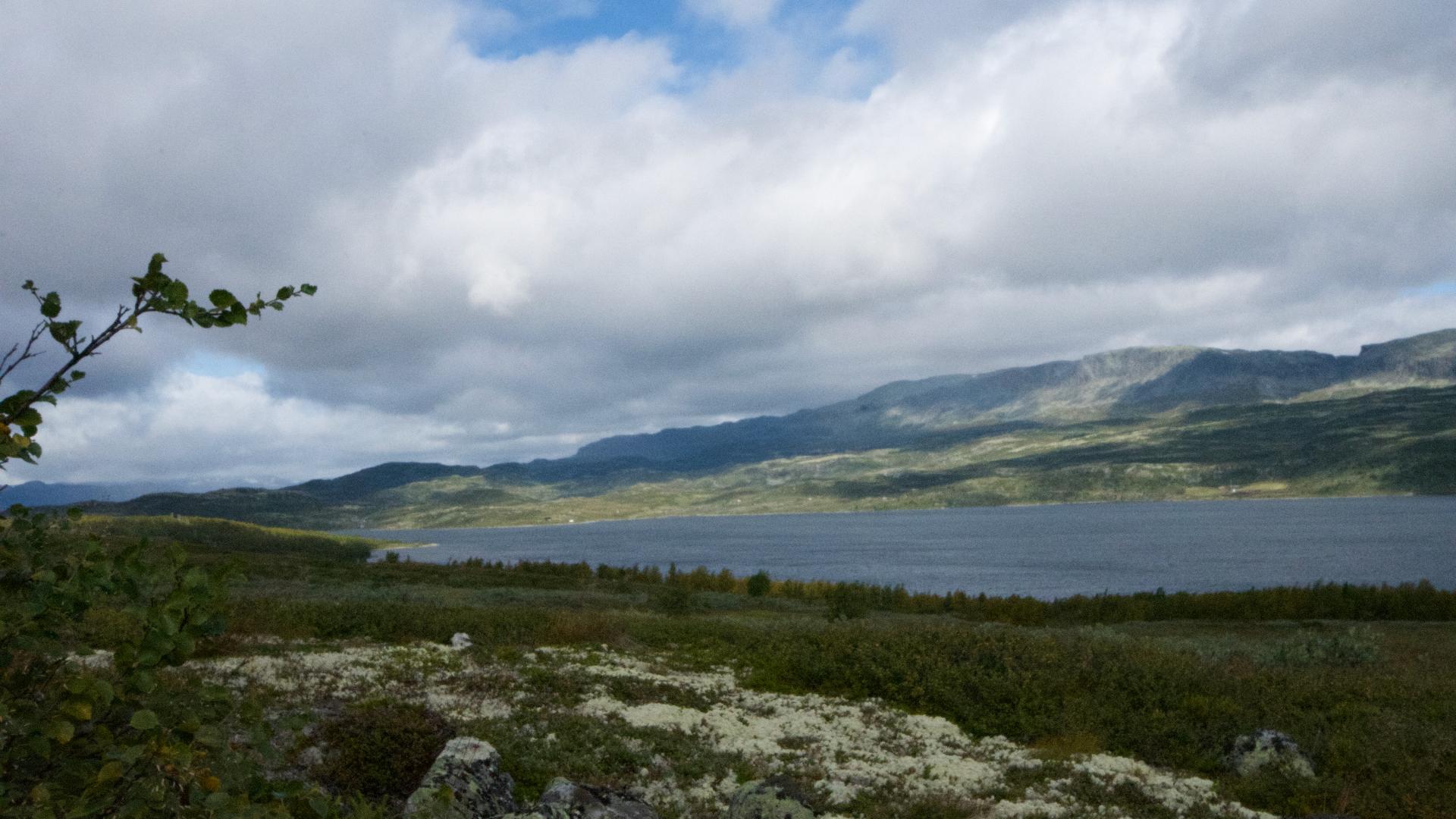
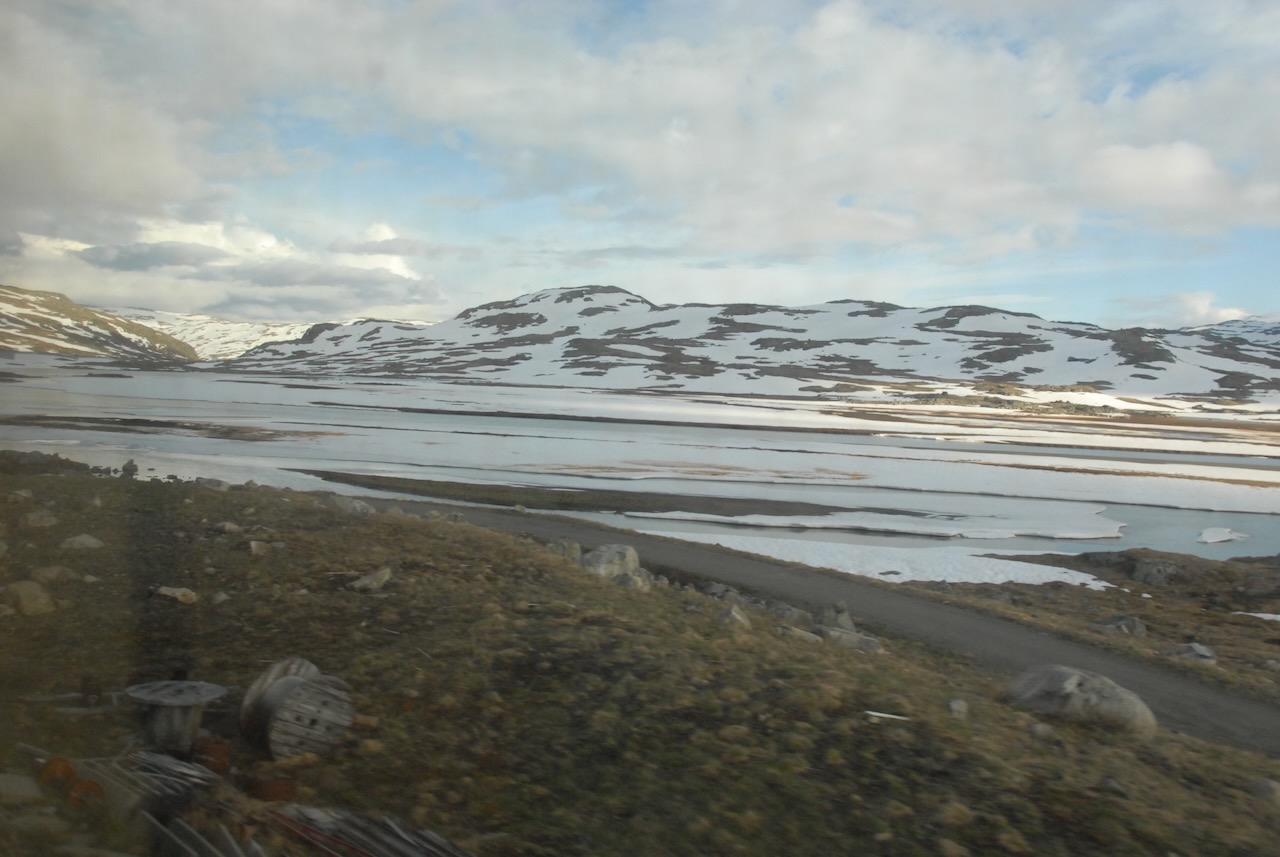
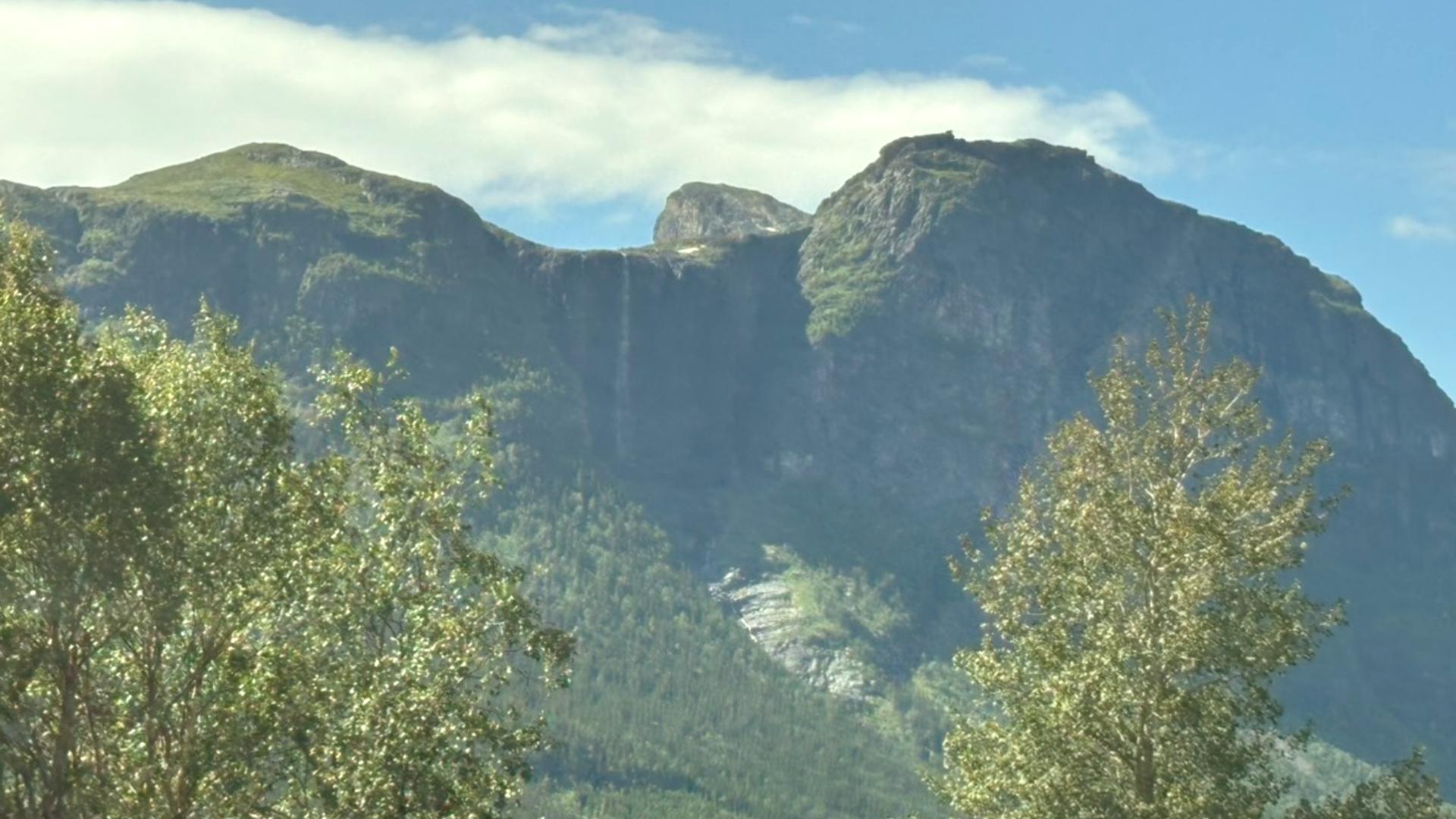
Geilo is also a gateway to two national parks. Hardangervidda, Norway's largest at over 3,400 square kilometres, lies to the west - a vast mountain plateau that looks more like the Arctic than typical Norwegian fjord country. Hallingskarvet rises dramatically to the north, its steep cliffs visible from town. Both offer serious hiking, though Hardangervidda is more accessible for casual walkers while Hallingskarvet demands more experience.