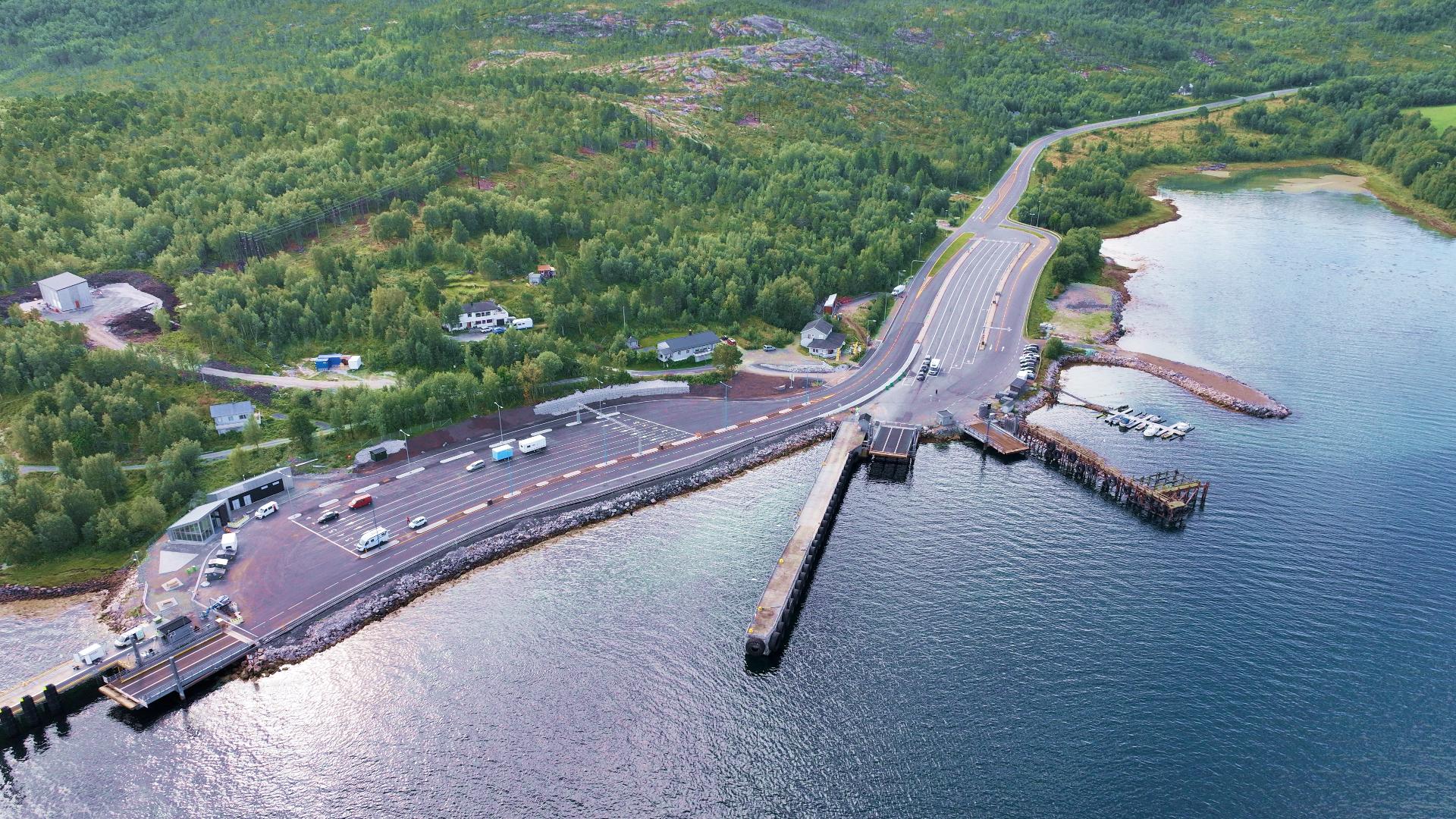
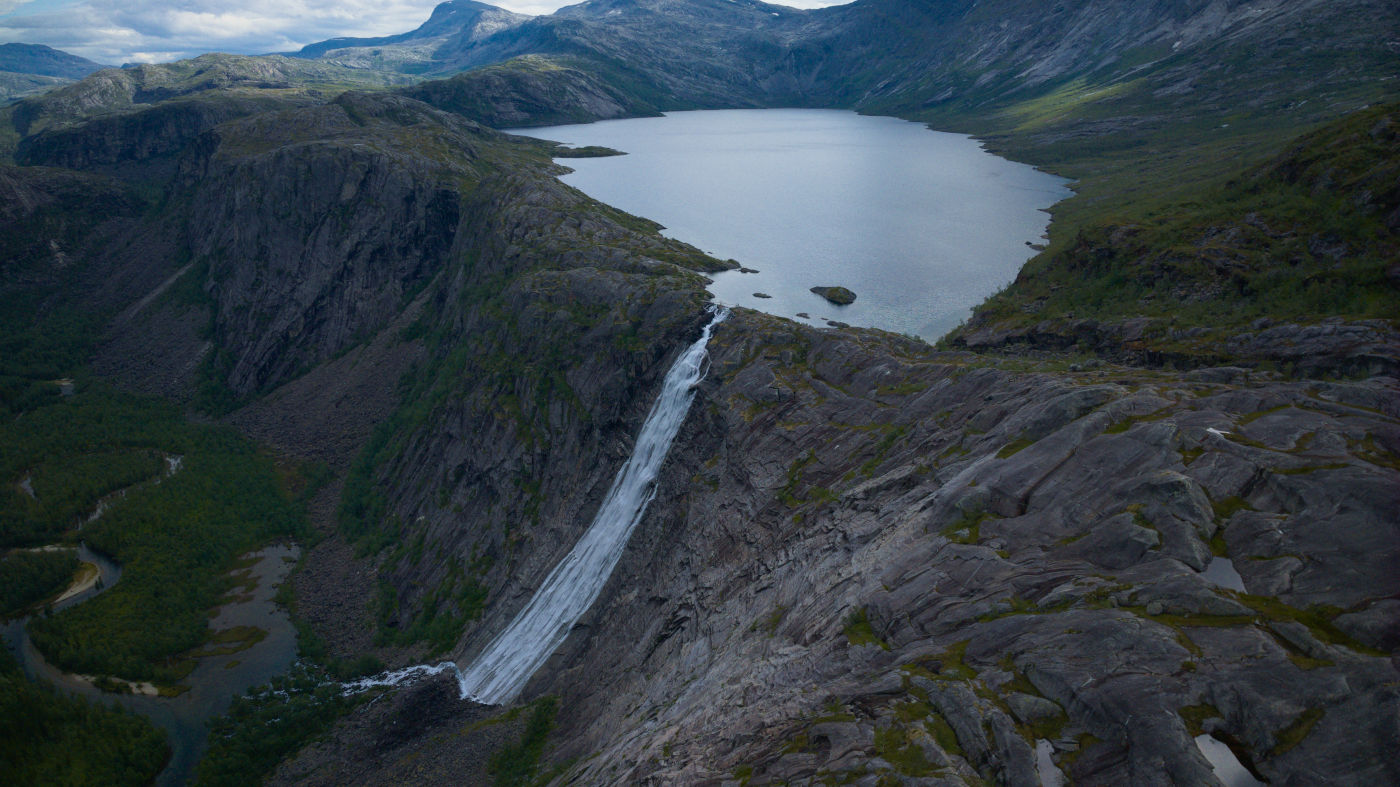
The village of Drag, known in Lule Sámi as Ajluokta, sits on the southern shore of Tysfjorden, population 302. It is the cultural capital of the Lule Sámi people. In 2011, Norway officially recognised the fjord's Sámi name, Divtasvuodna, as co-equal with Tysfjord, one of few Norwegian fjords to carry a dual name.
The Lule Sámi here were coastal Sámi, not reindeer herders. Women managed land and animals while men fished the fjords seasonally. Their language, julevsamisk, is classified by UNESCO as severely endangered: somewhere between 500 and 650 active speakers remain across Norway and Sweden, mostly the grandparent generation. The Árran Lule Sámi Center, established in 1994 at Drag, is the national institution working to keep the language alive through courses, a publishing programme, and a Lule Sámi daycare centre. Visitors can see exhibitions on Lule Sámi history and culture.
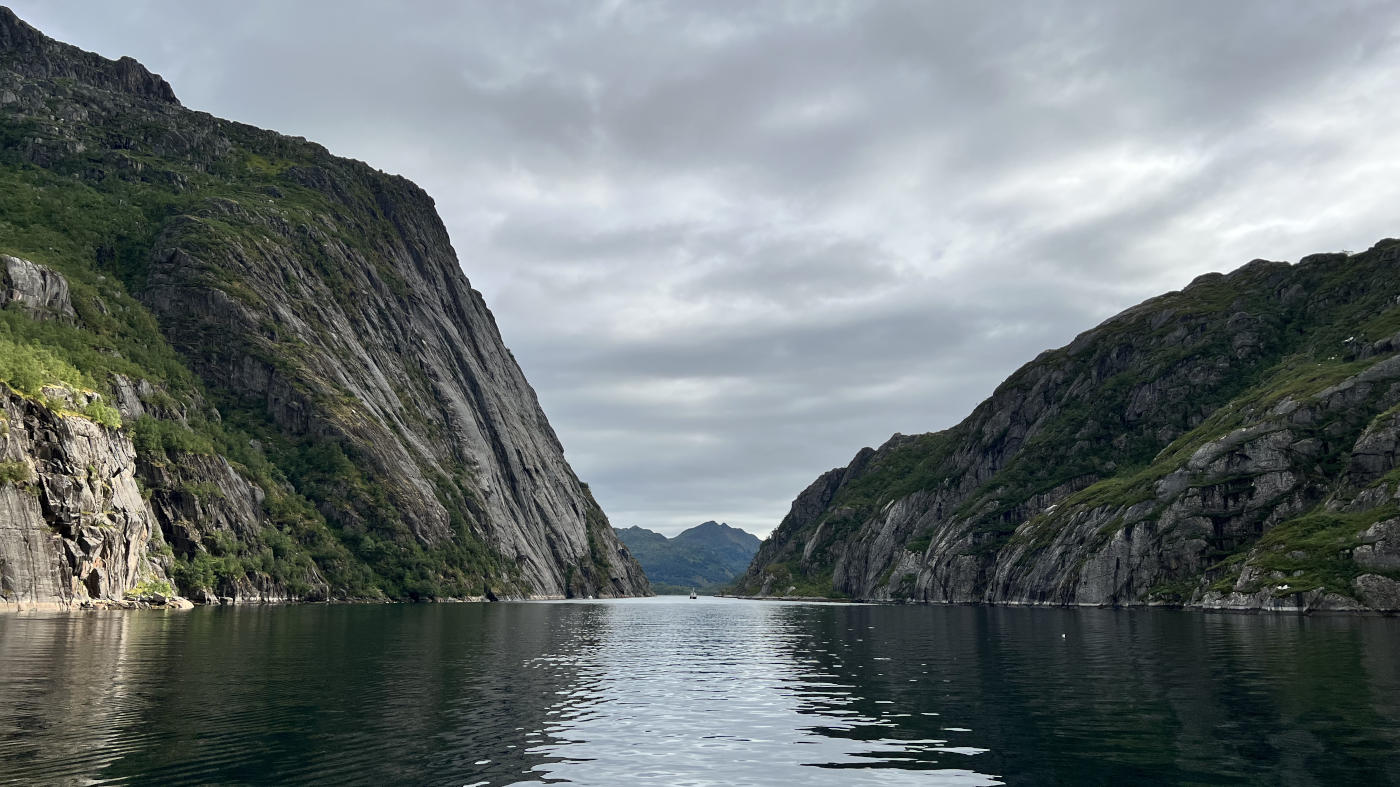
At the innermost point of the fjord lies Hellemobotn, where the distance between fjord water and the main Scandinavian watershed is the shortest anywhere on the peninsula, just six kilometres to Sweden. Combined with Rago National Park, this area connects to Padjelanta and Sarek on the Swedish side, forming the largest contiguous wilderness in Europe. It has been on Norway's UNESCO Tentative List since 2002 as an extension of Sweden's Laponian Area World Heritage Site, recognised for its living Lule Sámi cultural landscape.
The community carries a painful recent chapter. In 2016, the newspaper VG published an investigation called The Dark Secret. Police documented 151 sexual assaults spanning decades in this municipality of under 2,000 people, with 82 identified victims including children as young as four. About 70 percent involved the Sámi community, and many cases were linked to Læstadianism, a conservative Lutheran revival movement where offenders reportedly received forgiveness within religious circles. Only two people were charged. The investigation exposed how isolation, close-knit communities, and distrust of Norwegian authorities can allow abuse to continue for generations.
The Lule Sámi here were coastal Sámi, not reindeer herders. Women managed land and animals while men fished the fjords seasonally. Their language, julevsamisk, is classified by UNESCO as severely endangered: somewhere between 500 and 650 active speakers remain across Norway and Sweden, mostly the grandparent generation. The Árran Lule Sámi Center, established in 1994 at Drag, is the national institution working to keep the language alive through courses, a publishing programme, and a Lule Sámi daycare centre. Visitors can see exhibitions on Lule Sámi history and culture.
At the innermost point of the fjord lies Hellemobotn, where the distance between fjord water and the main Scandinavian watershed is the shortest anywhere on the peninsula, just six kilometres to Sweden. Combined with Rago National Park, this area connects to Padjelanta and Sarek on the Swedish side, forming the largest contiguous wilderness in Europe. It has been on Norway's UNESCO Tentative List since 2002 as an extension of Sweden's Laponian Area World Heritage Site, recognised for its living Lule Sámi cultural landscape.
The community carries a painful recent chapter. In 2016, the newspaper VG published an investigation called The Dark Secret. Police documented 151 sexual assaults spanning decades in this municipality of under 2,000 people, with 82 identified victims including children as young as four. About 70 percent involved the Sámi community, and many cases were linked to Læstadianism, a conservative Lutheran revival movement where offenders reportedly received forgiveness within religious circles. Only two people were charged. The investigation exposed how isolation, close-knit communities, and distrust of Norwegian authorities can allow abuse to continue for generations.