Very Easy
Dælivann is a small, nutrient-rich lake set beneath the distinctive Kolsås hill in Bærum, within a protected landscape area of over 500 hectares. Bronze Age rock carvings approximately 3,000 years old have been found on the slopes above, carved into sandstone rather than the usual hard granite. The softer stone preserves individual tool strikes as small visible indentations, offering rare insight into how Bronze Age people actually worked. The carvings depict ships filled with human figures, some apparently wearing helmets, along with a large footprint, a hand with five thick fingers, and animal figures. In the broader Dælivann area, older carvings document the transition from paddles to rowing in shipbuilding, important evidence of maritime innovation around the time of Christ.
The lake is also the birthplace of neo-romanticism in Norwegian painting. In the summer of 1886, painter Christian Skredsvig invited five artist friends to Fleskum farm by the lake: Erik Werenskiold, Gerhard Munthe, Harriet Backer, Kitty Kielland, and Eilif Peterssen. They painted from morning to evening, inspired by the muted twilight of the long summer nights. This became known as Fleskumsommeren, the Fleskum Summer. Skredsvig's painting from this period, Gutten med seljeflöyten, The Boy with the Willow Flute, showing a boy standing at the shore of Dælivann, is one of Norway's most iconic paintings. Three years later, Theodor Kittelsen, famous for his troll illustrations, also spent time at the farm.
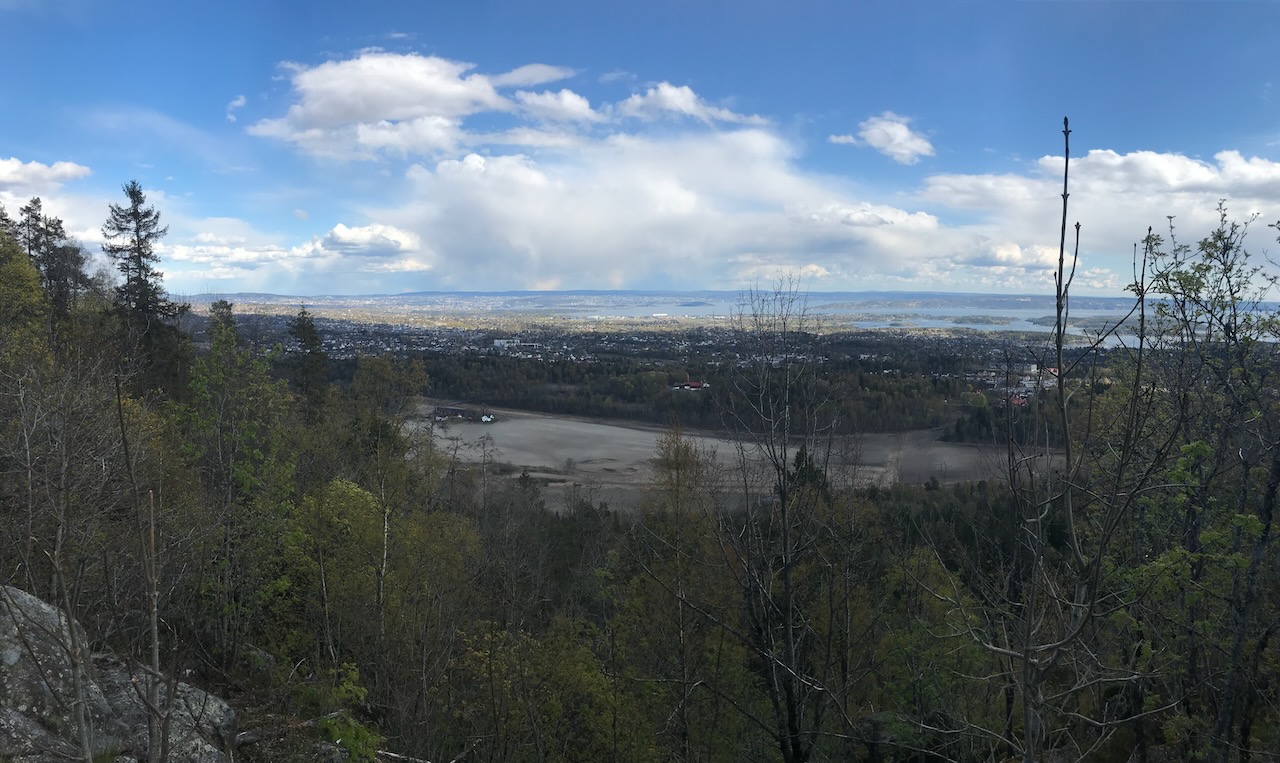
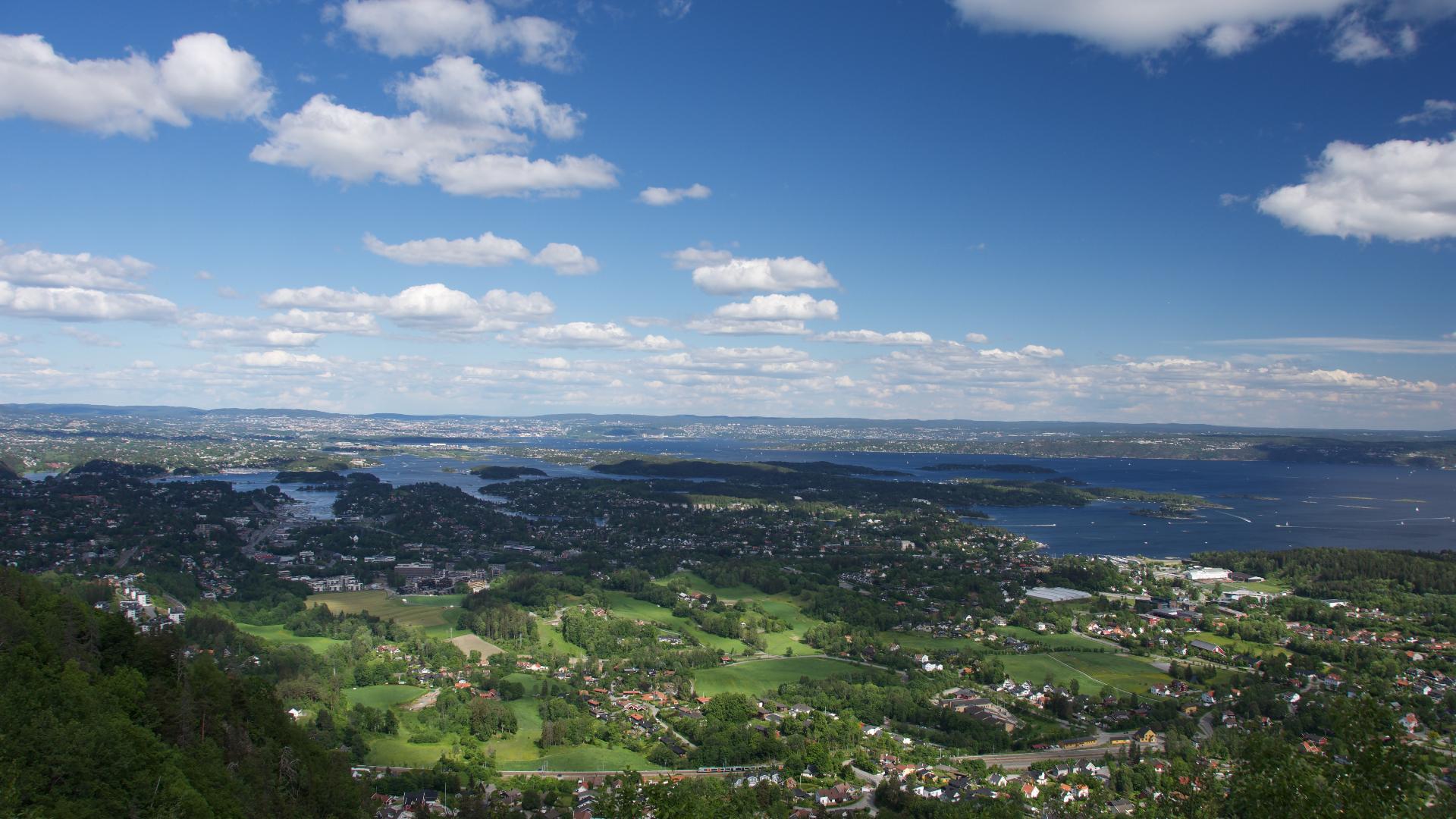
The loop trail around the lake is approximately 5 kilometres and accessible from Gjettum T-bane station on line 3. Gravel paths around the lake are stroller and wheelchair accessible, while forest trails are more rugged. The surrounding forest is rich in birdlife, and the Kolsåstoppen summit above offers panoramic views over Oslo, Bærum, and the Oslofjord.
The lake is also the birthplace of neo-romanticism in Norwegian painting. In the summer of 1886, painter Christian Skredsvig invited five artist friends to Fleskum farm by the lake: Erik Werenskiold, Gerhard Munthe, Harriet Backer, Kitty Kielland, and Eilif Peterssen. They painted from morning to evening, inspired by the muted twilight of the long summer nights. This became known as Fleskumsommeren, the Fleskum Summer. Skredsvig's painting from this period, Gutten med seljeflöyten, The Boy with the Willow Flute, showing a boy standing at the shore of Dælivann, is one of Norway's most iconic paintings. Three years later, Theodor Kittelsen, famous for his troll illustrations, also spent time at the farm.
The loop trail around the lake is approximately 5 kilometres and accessible from Gjettum T-bane station on line 3. Gravel paths around the lake are stroller and wheelchair accessible, while forest trails are more rugged. The surrounding forest is rich in birdlife, and the Kolsåstoppen summit above offers panoramic views over Oslo, Bærum, and the Oslofjord.