Bremsneshola is Norway's largest natural cave, extending 80 metres into the south face of Bremsneshatten mountain on Averøy. The main chamber is 4 to 12 metres wide and has been used by humans for nearly 10,000 years.
Archaeological finds link the cave to the Fosna culture, the earliest known Stone Age settlers on the Norwegian coast after the last ice age. These people lived by hunting sea mammals and fishing along the coast around 8000 BC. Human bones were found here in the 19th century, and in 1960 a reddish-brown jasper arrowhead was discovered at the back of the cave, dated to the Bronze Age (1800-900 BC).
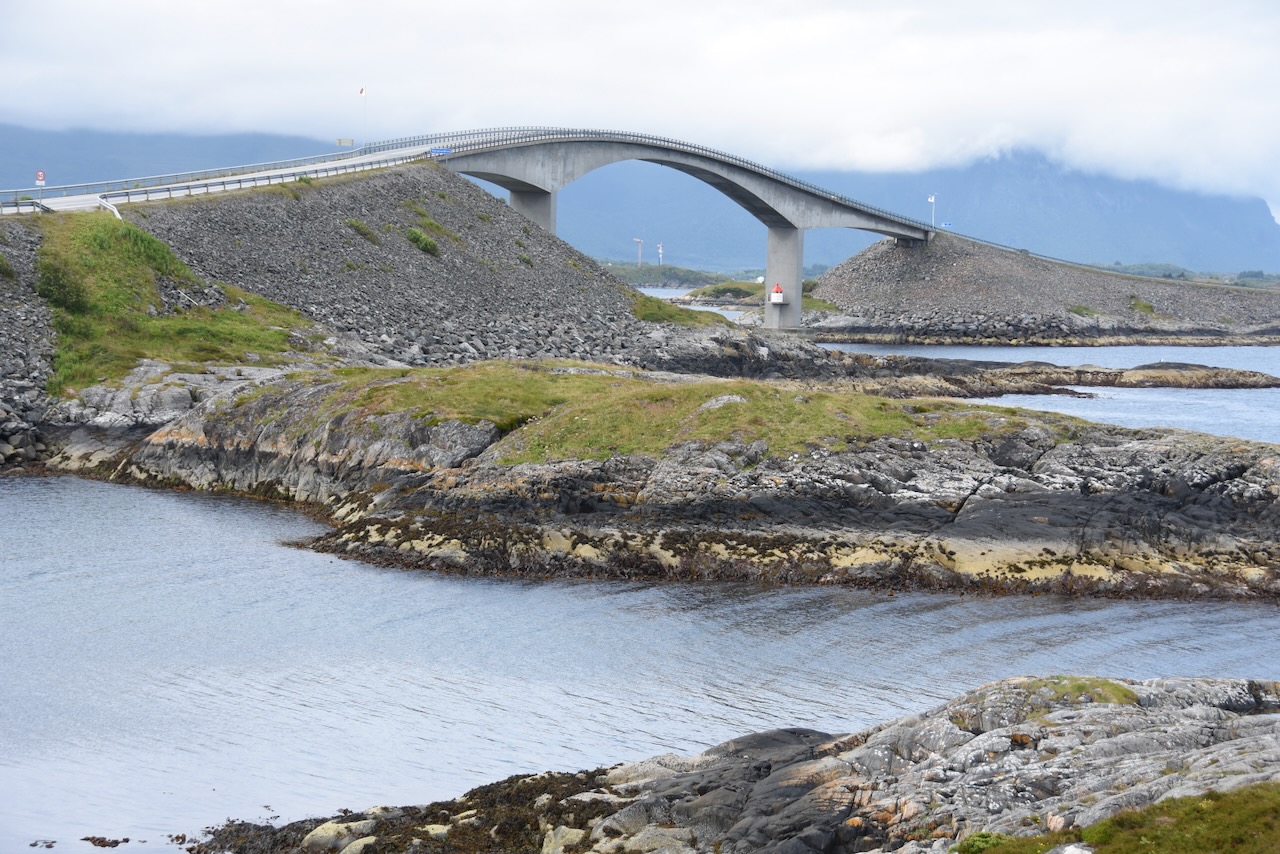
The cave is freely accessible and easy to reach from the road on Averøy. It makes a quick stop when driving to or from the Atlantic Road. Bring a torch for the deeper sections.
Archaeological finds link the cave to the Fosna culture, the earliest known Stone Age settlers on the Norwegian coast after the last ice age. These people lived by hunting sea mammals and fishing along the coast around 8000 BC. Human bones were found here in the 19th century, and in 1960 a reddish-brown jasper arrowhead was discovered at the back of the cave, dated to the Bronze Age (1800-900 BC).
The cave is freely accessible and easy to reach from the road on Averøy. It makes a quick stop when driving to or from the Atlantic Road. Bring a torch for the deeper sections.