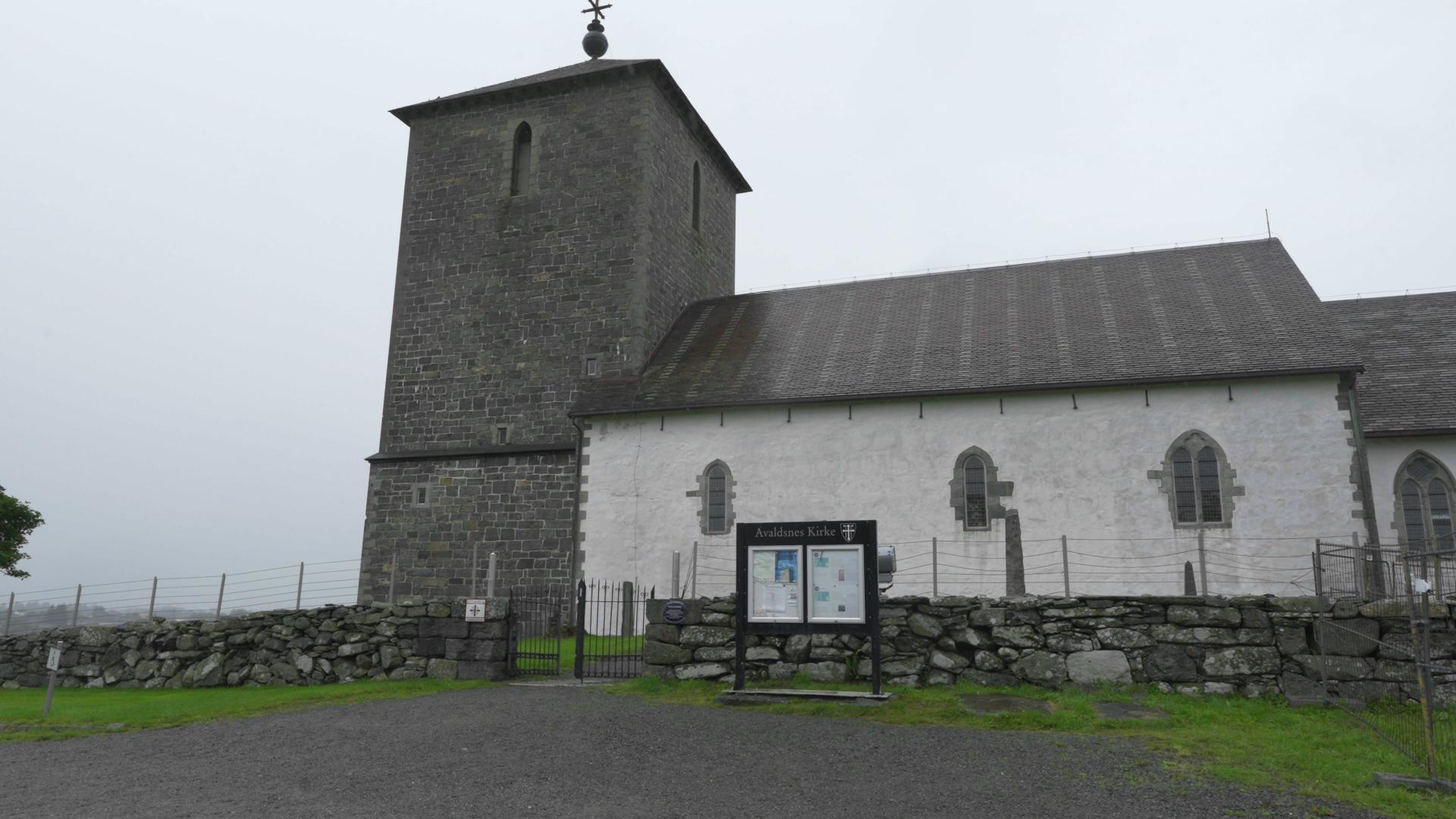
On May 6, 1995, 17-year-old Birgitte Tengs was found dead on Gamle Sundvegen, a quiet gravel road just outside Kopervik on Karmøy. She had been sexually assaulted and killed. The previous evening, she had been at a prayer house meeting in Avaldsnes and was last seen walking through Kopervik town center shortly after midnight. A farmer found her body the next morning in a ditch along the road, just 400 meters from her home at Skår.
What followed became one of the longest and most troubled criminal investigations in Norwegian history. In early 1997, police focused on Birgitte's own cousin. He was interrogated for over 200 hours, much of it without a defence attorney present. In March 1997, after a four-to-five-hour session with a Kripos officer, he confessed. He retracted the confession almost immediately, saying it had been coerced through leading questions and psychological pressure. He was convicted in the district court in September 1997, but acquitted on criminal appeal by Gulating lagmannsrett in July 1998.
The acquittal should have been the end. It was not. In a legal construction almost unique to Norway at the time, the civil court ordered the cousin to pay damages to Birgitte's parents. The burden of proof was lower than in criminal law, but the effect was the same: he was publicly branded a murderer without a criminal conviction. He tried more than ten times to have the civil judgment overturned. In 2003, the European Court of Human Rights ruled that Norway had violated his rights, but even that did not lift the judgment. Unable to live a normal life in Norway under the weight of constant suspicion, he eventually left the country.
It took until November 2022 before Agder lagmannsrett finally acquitted him in the civil case as well. The state formally acknowledged his innocence and paid 26 million kroner in compensation. He had spent over 25 years living with a verdict that should never have existed.
Meanwhile, the case was taken over by Kripos's cold case unit in January 2016. New DNA analysis of evidence from Birgitte's clothing identified a Y-chromosome match to Johny Vassbakk, a man from Haugalandet. After a two-year secret investigation, Vassbakk was arrested on September 1, 2021. He was convicted of the murder in the district court. But the pattern repeated itself. On appeal in December 2023, Gulating lagmannsrett acquitted him, finding the DNA evidence insufficient. The judges specifically criticized the prosecution for "confirmation bias" in their interpretation of the forensic evidence. Birgitte's own mother had testified during the trial that she believed police had the wrong man.
More than thirty years later, the murder of Birgitte Tengs remains unsolved. Two men have been convicted and then acquitted on appeal. One had his life destroyed by a civil judgment that took 25 years to overturn. The case stands as both Norway's longest-running murder investigation and one of its most painful examples of how the justice system can fail everyone it touches.
What followed became one of the longest and most troubled criminal investigations in Norwegian history. In early 1997, police focused on Birgitte's own cousin. He was interrogated for over 200 hours, much of it without a defence attorney present. In March 1997, after a four-to-five-hour session with a Kripos officer, he confessed. He retracted the confession almost immediately, saying it had been coerced through leading questions and psychological pressure. He was convicted in the district court in September 1997, but acquitted on criminal appeal by Gulating lagmannsrett in July 1998.
The acquittal should have been the end. It was not. In a legal construction almost unique to Norway at the time, the civil court ordered the cousin to pay damages to Birgitte's parents. The burden of proof was lower than in criminal law, but the effect was the same: he was publicly branded a murderer without a criminal conviction. He tried more than ten times to have the civil judgment overturned. In 2003, the European Court of Human Rights ruled that Norway had violated his rights, but even that did not lift the judgment. Unable to live a normal life in Norway under the weight of constant suspicion, he eventually left the country.
It took until November 2022 before Agder lagmannsrett finally acquitted him in the civil case as well. The state formally acknowledged his innocence and paid 26 million kroner in compensation. He had spent over 25 years living with a verdict that should never have existed.
Meanwhile, the case was taken over by Kripos's cold case unit in January 2016. New DNA analysis of evidence from Birgitte's clothing identified a Y-chromosome match to Johny Vassbakk, a man from Haugalandet. After a two-year secret investigation, Vassbakk was arrested on September 1, 2021. He was convicted of the murder in the district court. But the pattern repeated itself. On appeal in December 2023, Gulating lagmannsrett acquitted him, finding the DNA evidence insufficient. The judges specifically criticized the prosecution for "confirmation bias" in their interpretation of the forensic evidence. Birgitte's own mother had testified during the trial that she believed police had the wrong man.
More than thirty years later, the murder of Birgitte Tengs remains unsolved. Two men have been convicted and then acquitted on appeal. One had his life destroyed by a civil judgment that took 25 years to overturn. The case stands as both Norway's longest-running murder investigation and one of its most painful examples of how the justice system can fail everyone it touches.