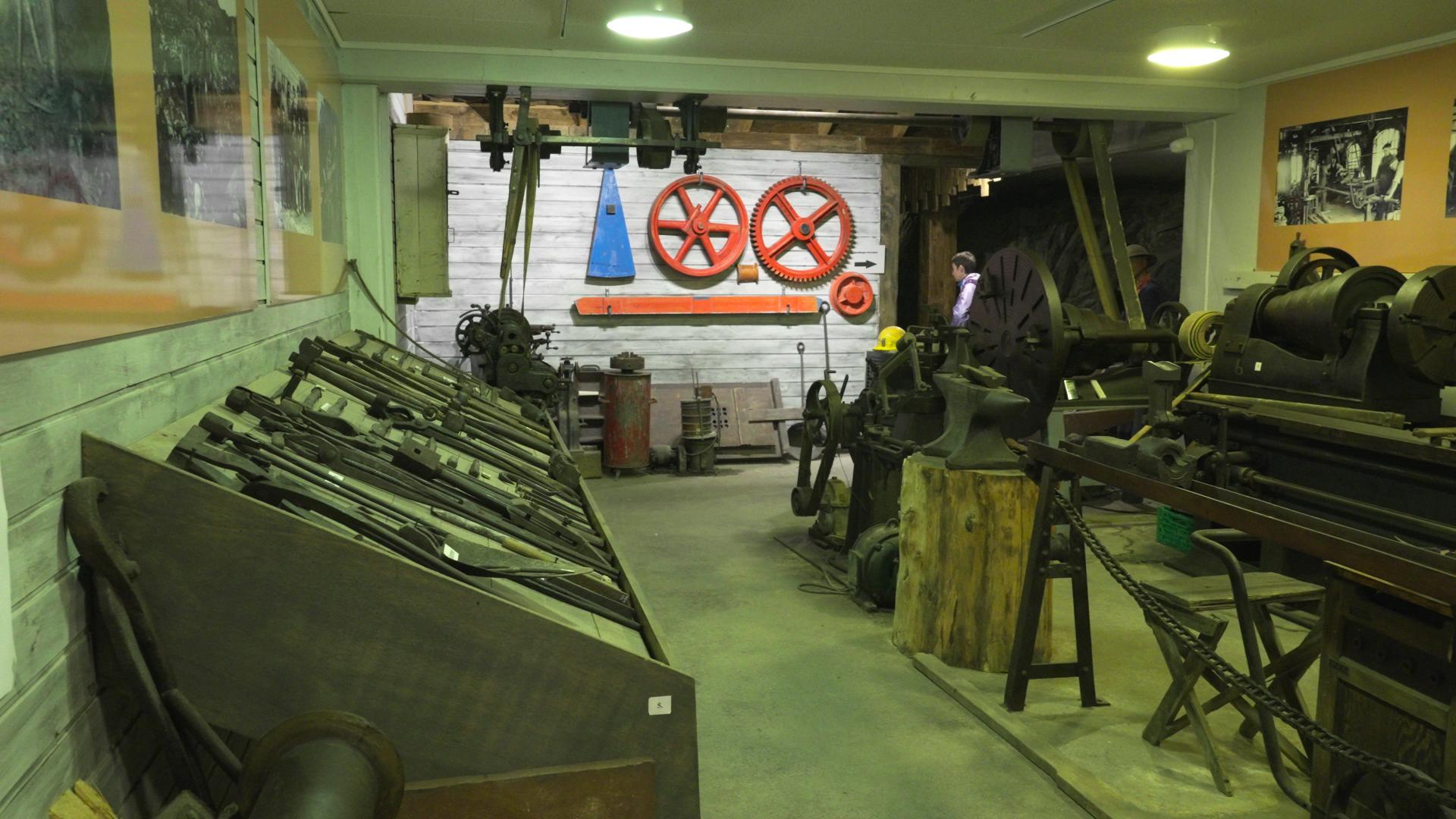
Visnes Mining Museum sits on the western coast of Karmøy, in the restored home of Charles Defrance, the French director who ran the copper mines here from the 1860s. The museum opened in 1993.
In 1865, a herring fisherman from Jæren found rich copper ore here, and within a year the mines were running. Belgian and French investors brought the latest technology. Visnes was the first place in Norway to use a drilling machine, in 1875. Telephone arrived in 1880, and electric light in 1885, making it only the second place in the country to have it.
By the 1870s, Visnes was one of the largest copper mines in northern Europe and supplied around 70 percent of Norway's copper exports. The old mine reached 732 metres below sea level before operations stopped in 1894. A second mine, Rødkleiv, opened nearby in 1899 under Norwegian ownership and kept going until 1972. Total production across both eras was about four million tons of raw ore.
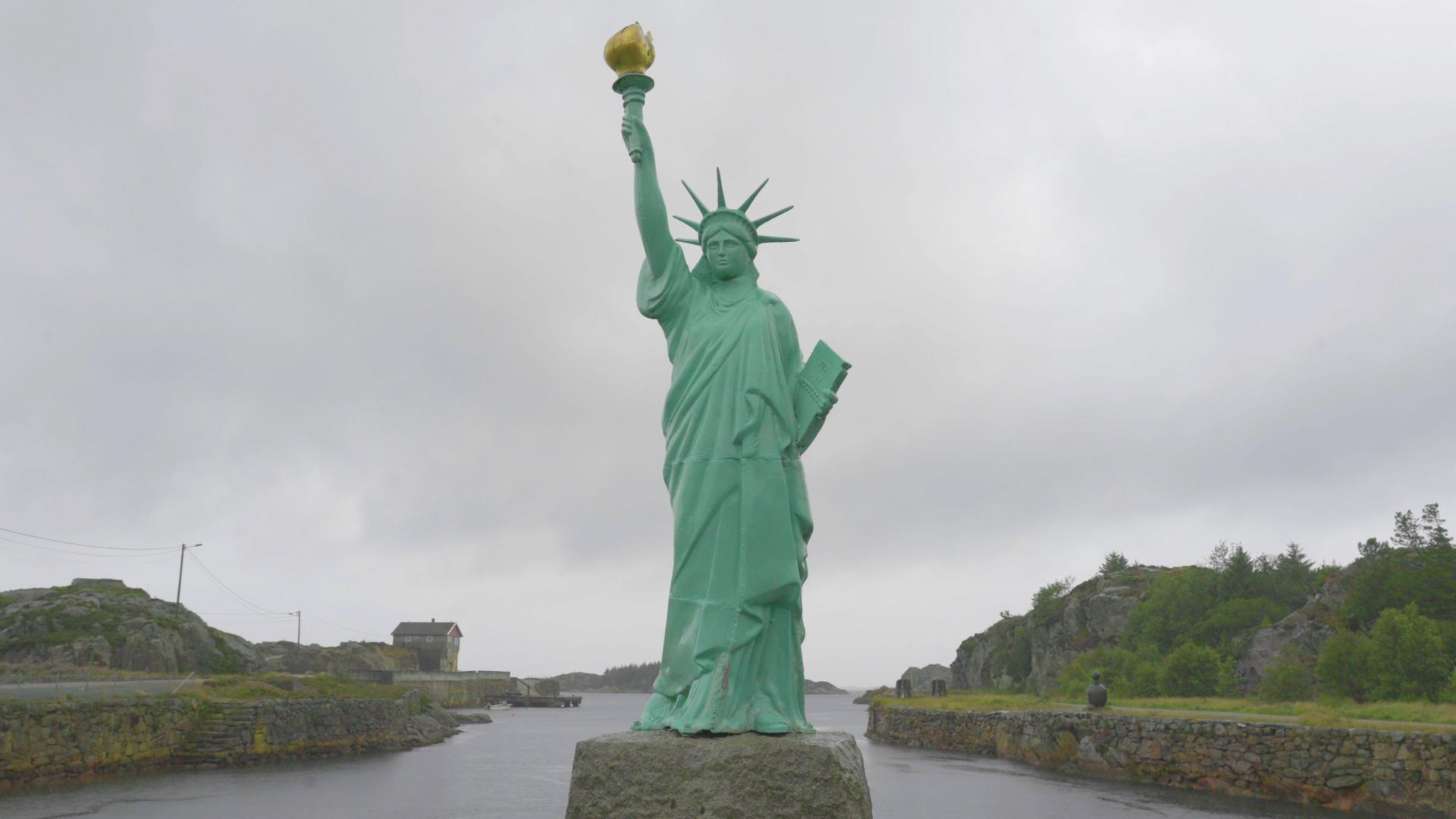
The most famous claim: copper from Visnes was used to build the Statue of Liberty. Around 80 tons were shipped to France in the 1870s and 1880s. In the mid-1980s, analysis at Bell Laboratories matched the copper in the statue to the Visnes mines. A small replica of the statue now stands nearby.
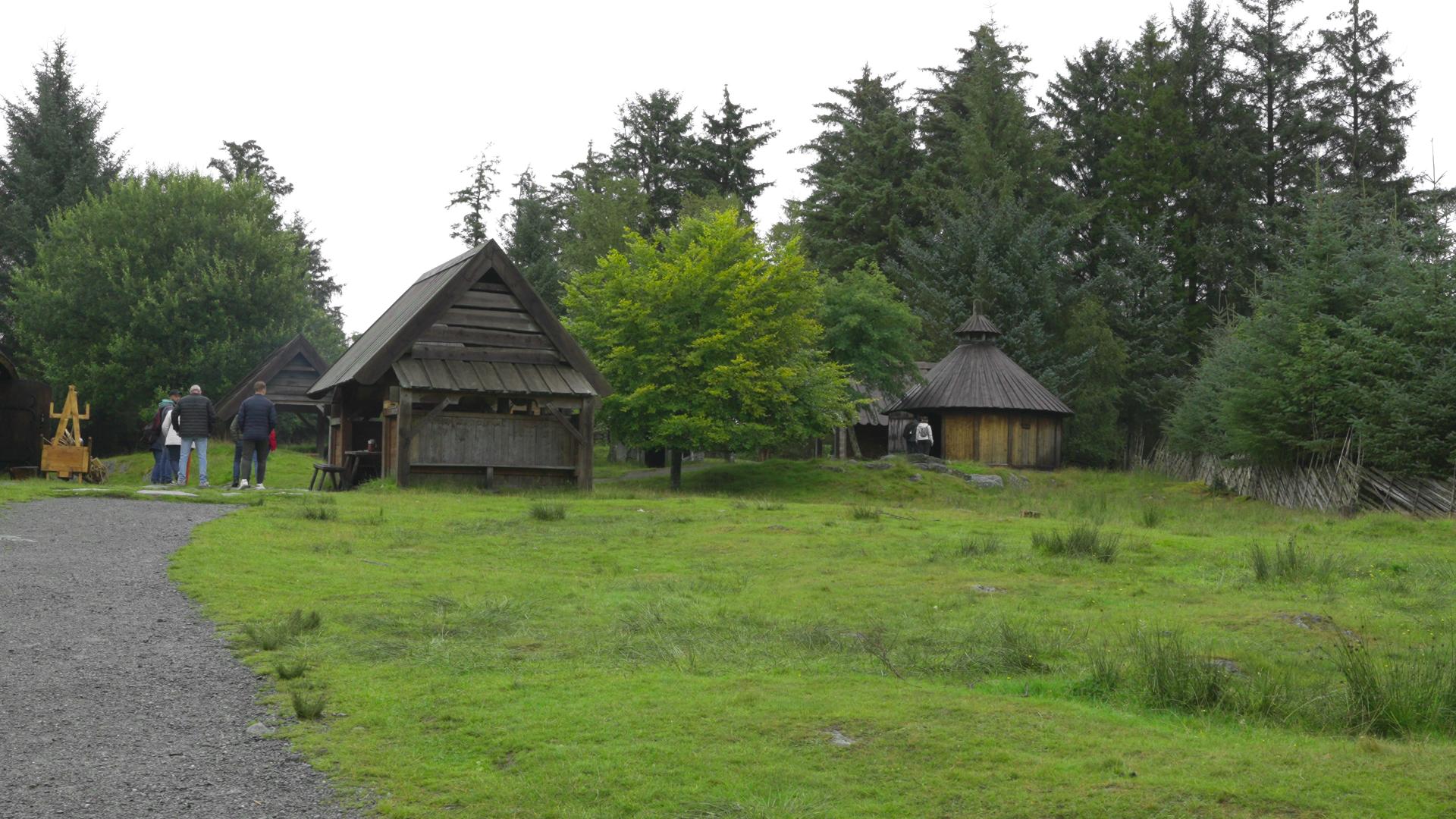
The museum area includes the director's house, two workers' homes, the ruins of the smelting hut from 1872 (shut down in 1887 after farmers sued over crop-destroying pollution, and won), and Kong Oscars port, a gate built for Crown Prince Oscar's visit in 1872.
The museum is open during winter holidays, Easter, and daily from mid-June to the end of August. Check their website at visitvisnes.no for current opening hours and group tours.
In 1865, a herring fisherman from Jæren found rich copper ore here, and within a year the mines were running. Belgian and French investors brought the latest technology. Visnes was the first place in Norway to use a drilling machine, in 1875. Telephone arrived in 1880, and electric light in 1885, making it only the second place in the country to have it.
By the 1870s, Visnes was one of the largest copper mines in northern Europe and supplied around 70 percent of Norway's copper exports. The old mine reached 732 metres below sea level before operations stopped in 1894. A second mine, Rødkleiv, opened nearby in 1899 under Norwegian ownership and kept going until 1972. Total production across both eras was about four million tons of raw ore.
The most famous claim: copper from Visnes was used to build the Statue of Liberty. Around 80 tons were shipped to France in the 1870s and 1880s. In the mid-1980s, analysis at Bell Laboratories matched the copper in the statue to the Visnes mines. A small replica of the statue now stands nearby.
The museum area includes the director's house, two workers' homes, the ruins of the smelting hut from 1872 (shut down in 1887 after farmers sued over crop-destroying pollution, and won), and Kong Oscars port, a gate built for Crown Prince Oscar's visit in 1872.
The museum is open during winter holidays, Easter, and daily from mid-June to the end of August. Check their website at visitvisnes.no for current opening hours and group tours.