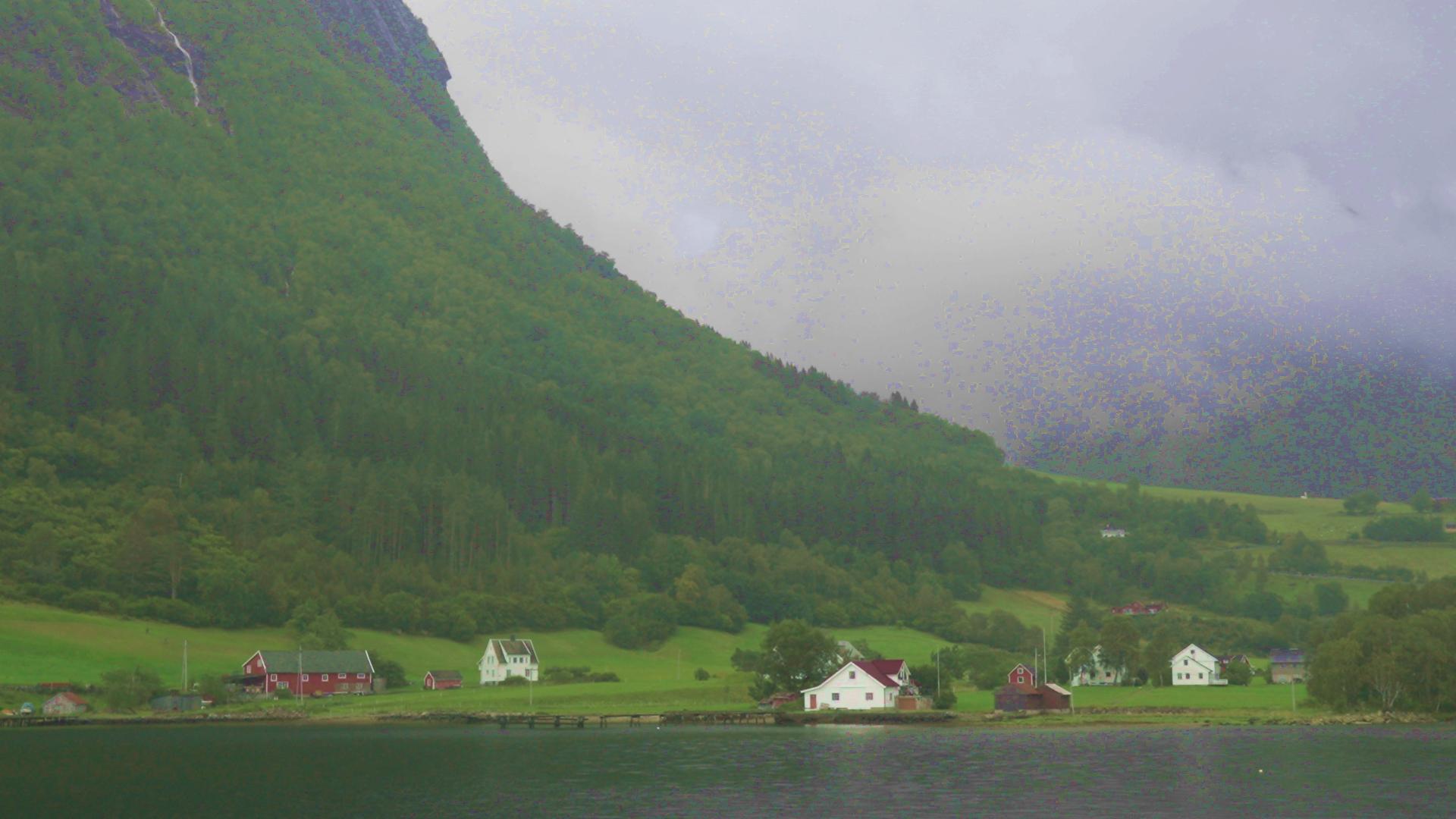
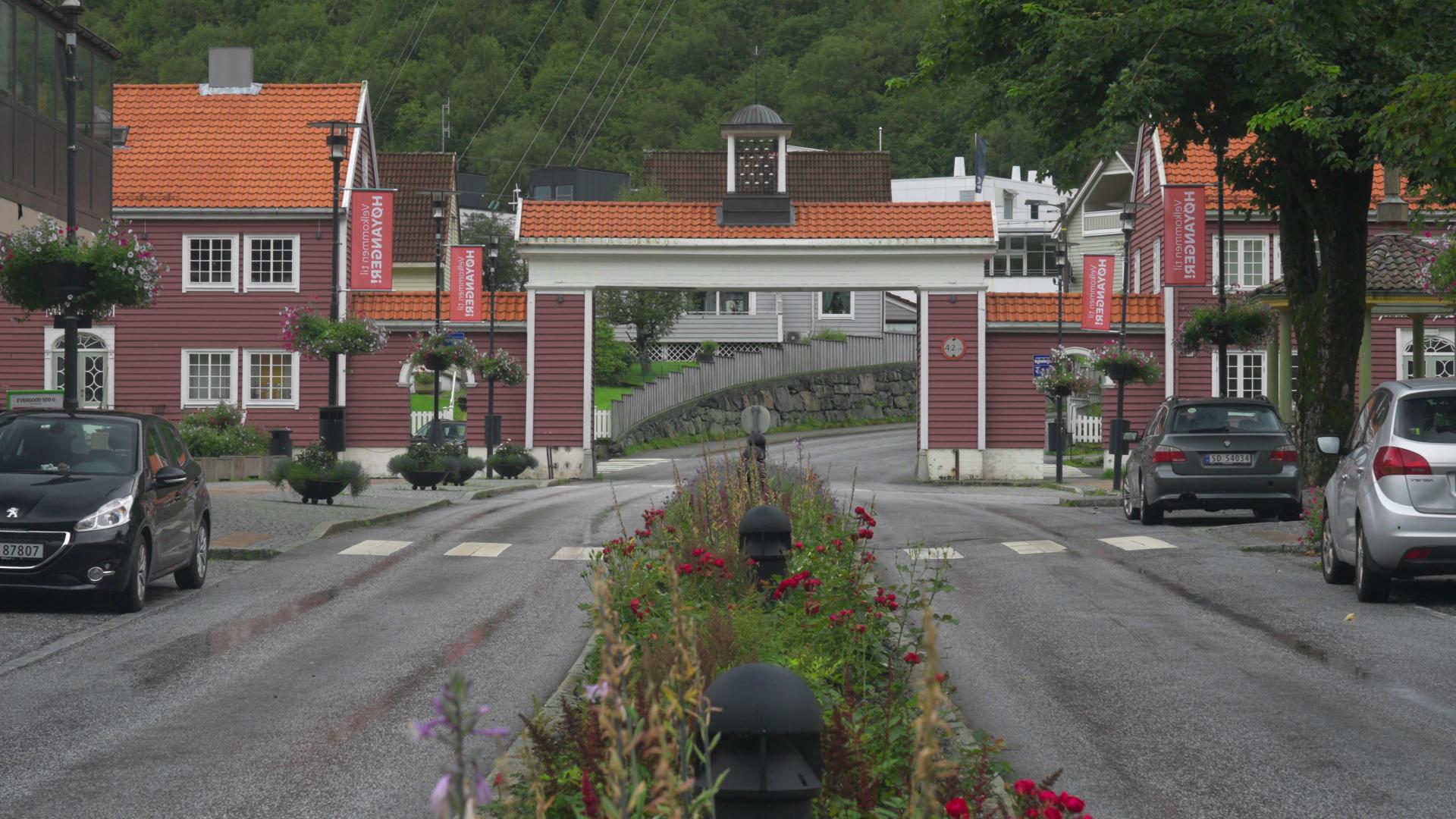
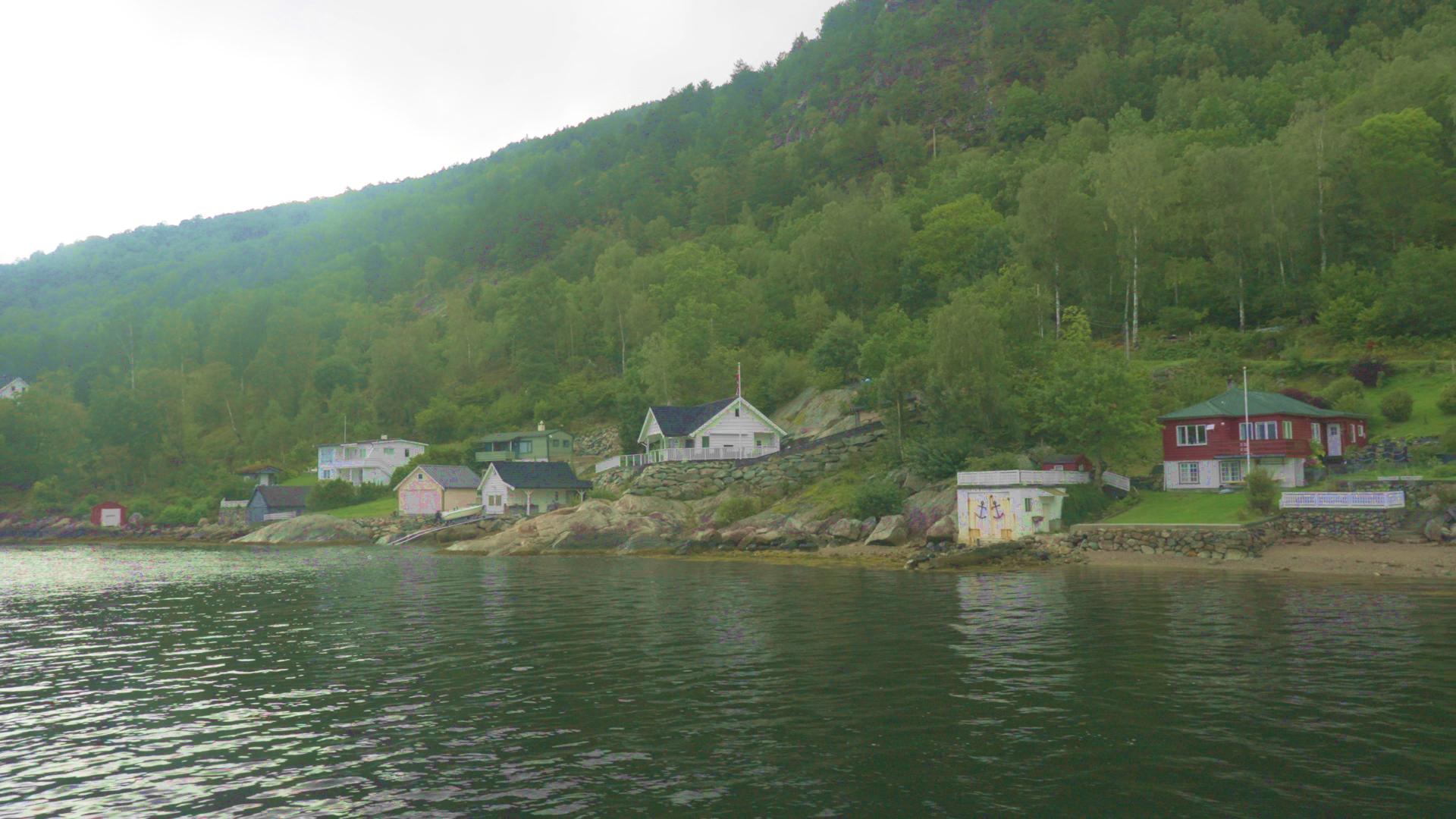
Balestrand sits on a small flat stretch of land on the north shore of Sognefjorden, right where the fjord branches into Fjærlandsfjorden and the inner Sognefjord. The village has been a tourist destination since the mid-1800s, when European painters discovered the light here and started coming every summer. They were followed by the wealthy, and eventually by Kaiser Wilhelm II of Germany, who showed up in 1899 with a navy convoy and kept returning every summer until World War I broke out.
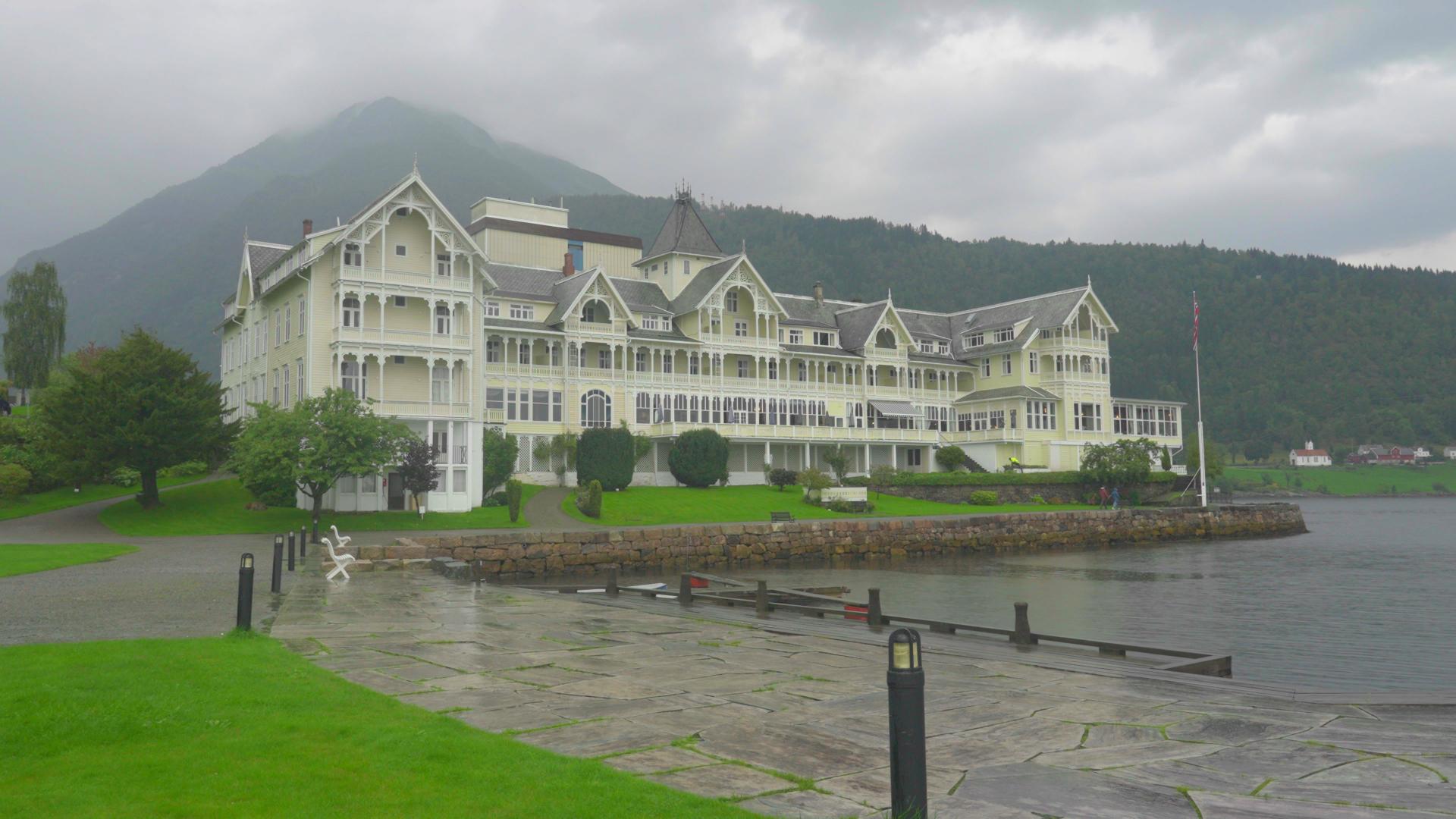
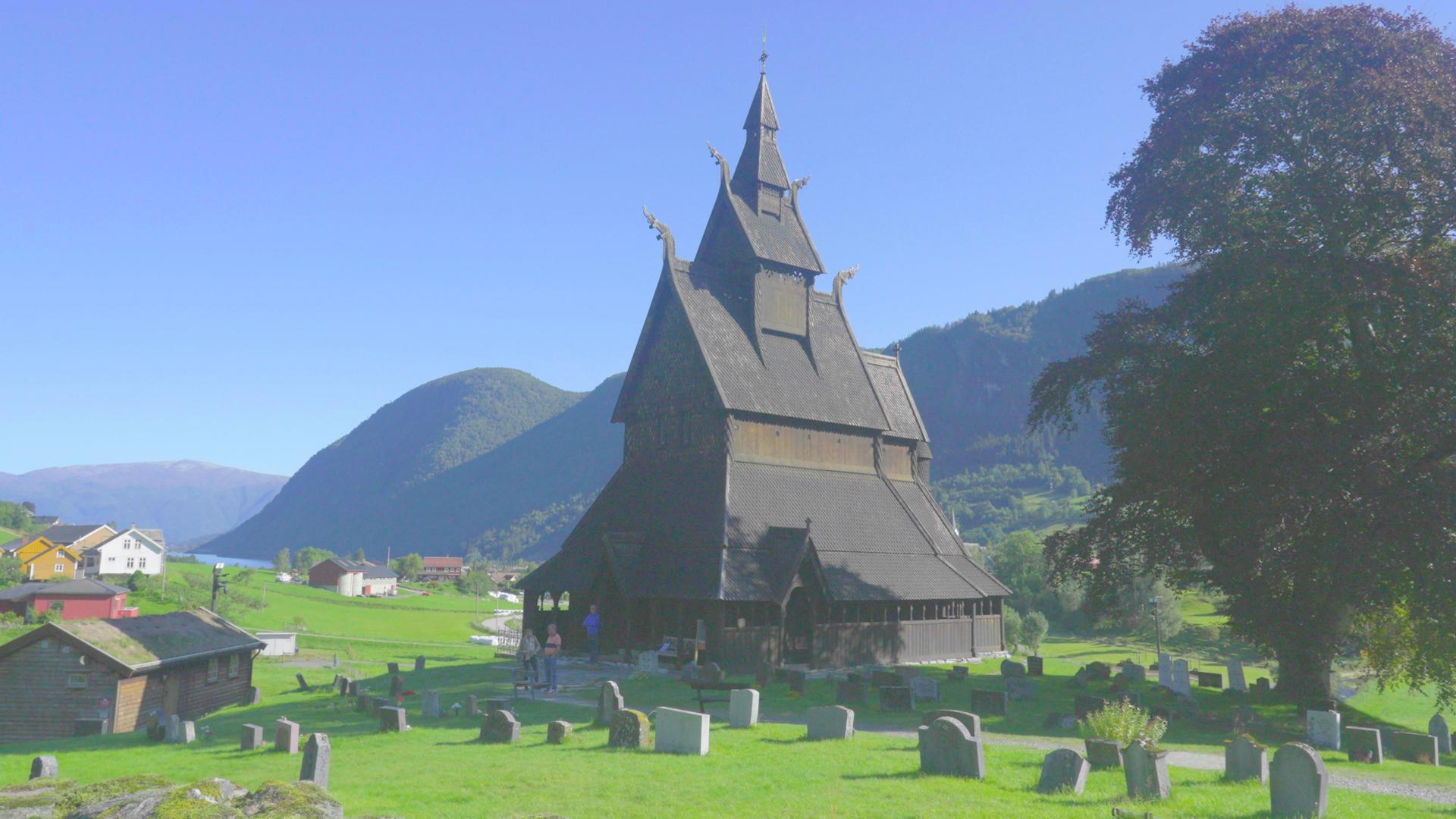
The Kaiser's visits put Balestrand on the map of European high society. He built a staircase up the hillside, which is still there. He donated money for the English Church of St. Olav, an absurdly charming wooden church in Old English style, built for the growing number of British visitors. His own presence drew more tourists, which drew more hotels, which is how a tiny fjord village ended up with one of Norway's grand hotels.
Balestrand is also home to the Norwegian Tourism Museum, which tells the story of how Norway went from a poor, remote country that nobody visited to one of Europe's most popular destinations. If you want to understand why tourists started coming to the fjords in the first place, and how that changed everything for the people who lived here, this is the place.
Today Balestrand is quieter than its history suggests. The express boat from Bergen still comes in, cruise ships anchor in the fjord, and the old wooden villas along the waterfront look like they haven't changed in a century. That's partly true. The village has about 800 residents, three times as many in summer.
The Kaiser's visits put Balestrand on the map of European high society. He built a staircase up the hillside, which is still there. He donated money for the English Church of St. Olav, an absurdly charming wooden church in Old English style, built for the growing number of British visitors. His own presence drew more tourists, which drew more hotels, which is how a tiny fjord village ended up with one of Norway's grand hotels.
Balestrand is also home to the Norwegian Tourism Museum, which tells the story of how Norway went from a poor, remote country that nobody visited to one of Europe's most popular destinations. If you want to understand why tourists started coming to the fjords in the first place, and how that changed everything for the people who lived here, this is the place.
Today Balestrand is quieter than its history suggests. The express boat from Bergen still comes in, cruise ships anchor in the fjord, and the old wooden villas along the waterfront look like they haven't changed in a century. That's partly true. The village has about 800 residents, three times as many in summer.