Very Easy
Egersund's city mountain rises 125 metres above the harbour and compresses eight historical layers onto one hilltop. The oldest traces are Bronze Age rock carvings near the summit. During the 1600s, sailors carved compass roses into the bare rock, the largest nearly two metres across, likely used to calibrate magnetic compasses against true north. A second, smaller compass rose from the 1800s was carved nearby. Both are still visible on the rock surface.
The hill was part of the vete signal beacon system, a chain of hilltop bonfires that warned of enemy attack along the coast. During the Napoleonic Wars in the early 1800s, a cannon battery was placed on Varberg to defend the harbour. The foundations remain. In 1849, a lighthouse was built on the summit, later replaced by a modern navigation light. During World War II, German forces built bunkers and a lookout post on the hill, and during the Cold War a civil defence siren was installed, one of the highest-placed in the region.
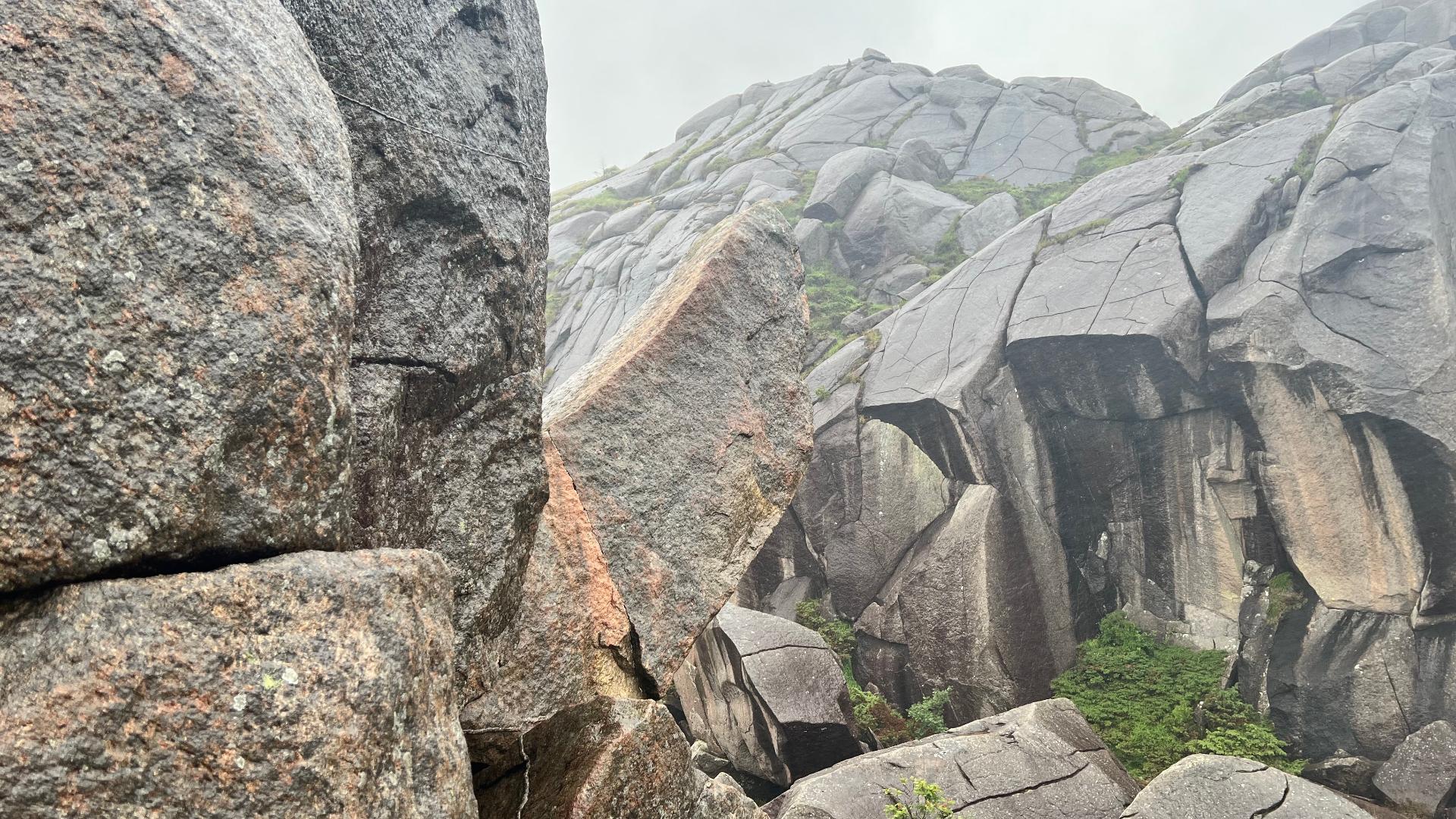
Today a well-maintained path leads from the town centre to the summit in about 20 minutes. The panoramic view from the top takes in the Egersund harbour, the archipelago, Eigerøy, and on clear days the open North Sea. The hill is part of Magma UNESCO Global Geopark, and the bedrock itself, anorthosite formed 930 million years ago, is one of the geopark's signature rock types. Information boards along the path explain the geology and history.
The hill was part of the vete signal beacon system, a chain of hilltop bonfires that warned of enemy attack along the coast. During the Napoleonic Wars in the early 1800s, a cannon battery was placed on Varberg to defend the harbour. The foundations remain. In 1849, a lighthouse was built on the summit, later replaced by a modern navigation light. During World War II, German forces built bunkers and a lookout post on the hill, and during the Cold War a civil defence siren was installed, one of the highest-placed in the region.
Today a well-maintained path leads from the town centre to the summit in about 20 minutes. The panoramic view from the top takes in the Egersund harbour, the archipelago, Eigerøy, and on clear days the open North Sea. The hill is part of Magma UNESCO Global Geopark, and the bedrock itself, anorthosite formed 930 million years ago, is one of the geopark's signature rock types. Information boards along the path explain the geology and history.