In 1905, Norway dissolved its union with Sweden, and for the next decade the two countries eyed each other nervously. Trøgstad Fort was the Norwegian response: built between 1912 and 1917 as part of the Fossum fortifications, it was designed to block a Swedish advance through eastern Norway. Together with Høytorp Fort, bridge galleries at Fossum bridge and Langnes railway bridge, it formed the most powerful fortress complex of its time.
The fort is one of Norway's largest inland fortifications, with 1.3 kilometres of tunnels and covered firing positions plus 500 metres of trenches. The threat from Sweden faded, but the fort found new purpose. In 1959, during the Cold War, the radar system and control troops of a Nike anti-aircraft missile battery were installed inside the old armoured batteries. This made Trøgstad the fortification with the longest continuous operational life in Norway, from its opening in 1917 until the Nike system was shut down in 1990.
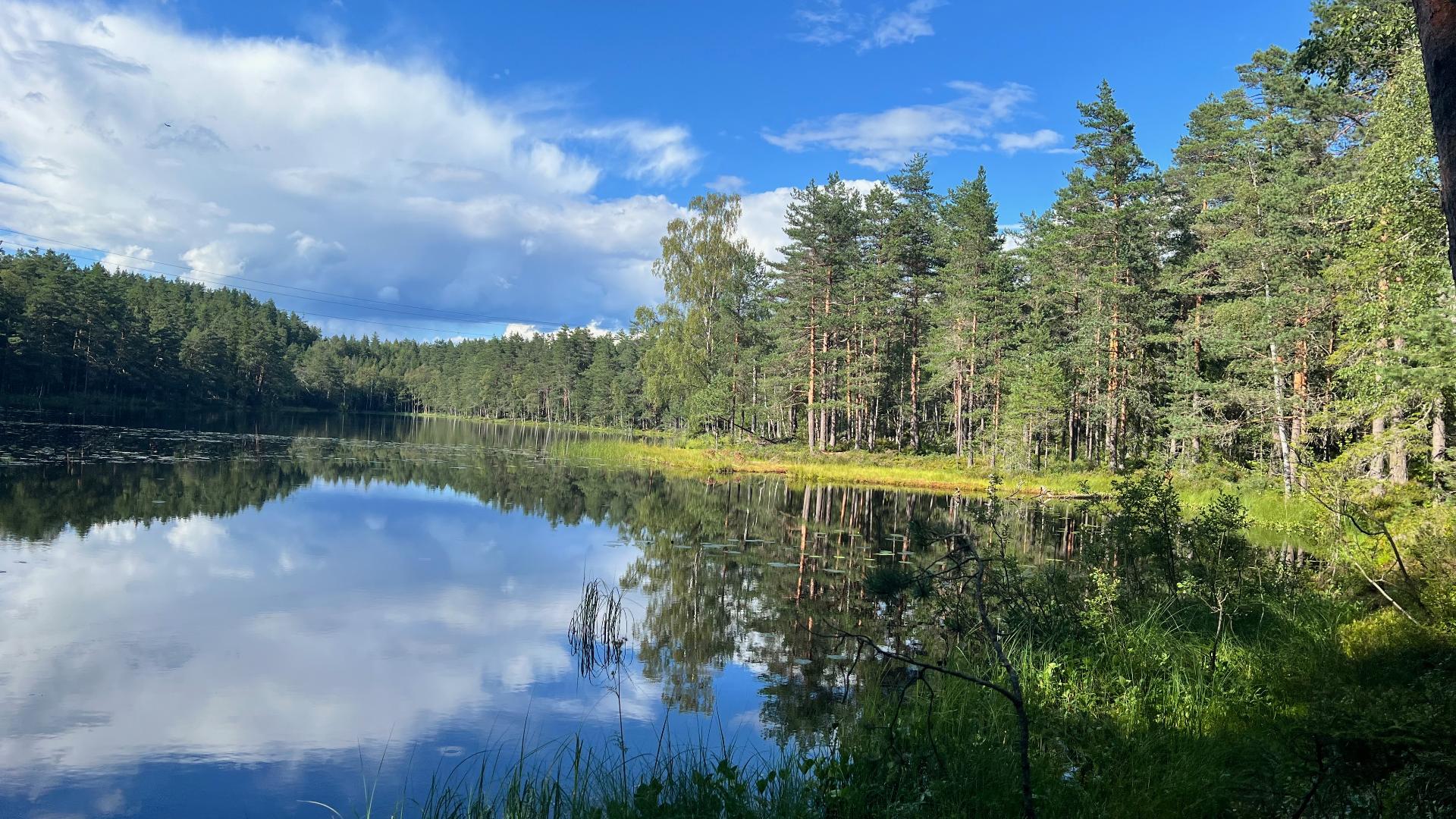
All military activity ceased in January 1997. The fort is now owned by Indre Østfold municipality and maintained as a museum and outdoor area. The tunnels and batteries can be explored, and the surrounding forest offers pleasant walking.
The fort is one of Norway's largest inland fortifications, with 1.3 kilometres of tunnels and covered firing positions plus 500 metres of trenches. The threat from Sweden faded, but the fort found new purpose. In 1959, during the Cold War, the radar system and control troops of a Nike anti-aircraft missile battery were installed inside the old armoured batteries. This made Trøgstad the fortification with the longest continuous operational life in Norway, from its opening in 1917 until the Nike system was shut down in 1990.
All military activity ceased in January 1997. The fort is now owned by Indre Østfold municipality and maintained as a museum and outdoor area. The tunnels and batteries can be explored, and the surrounding forest offers pleasant walking.