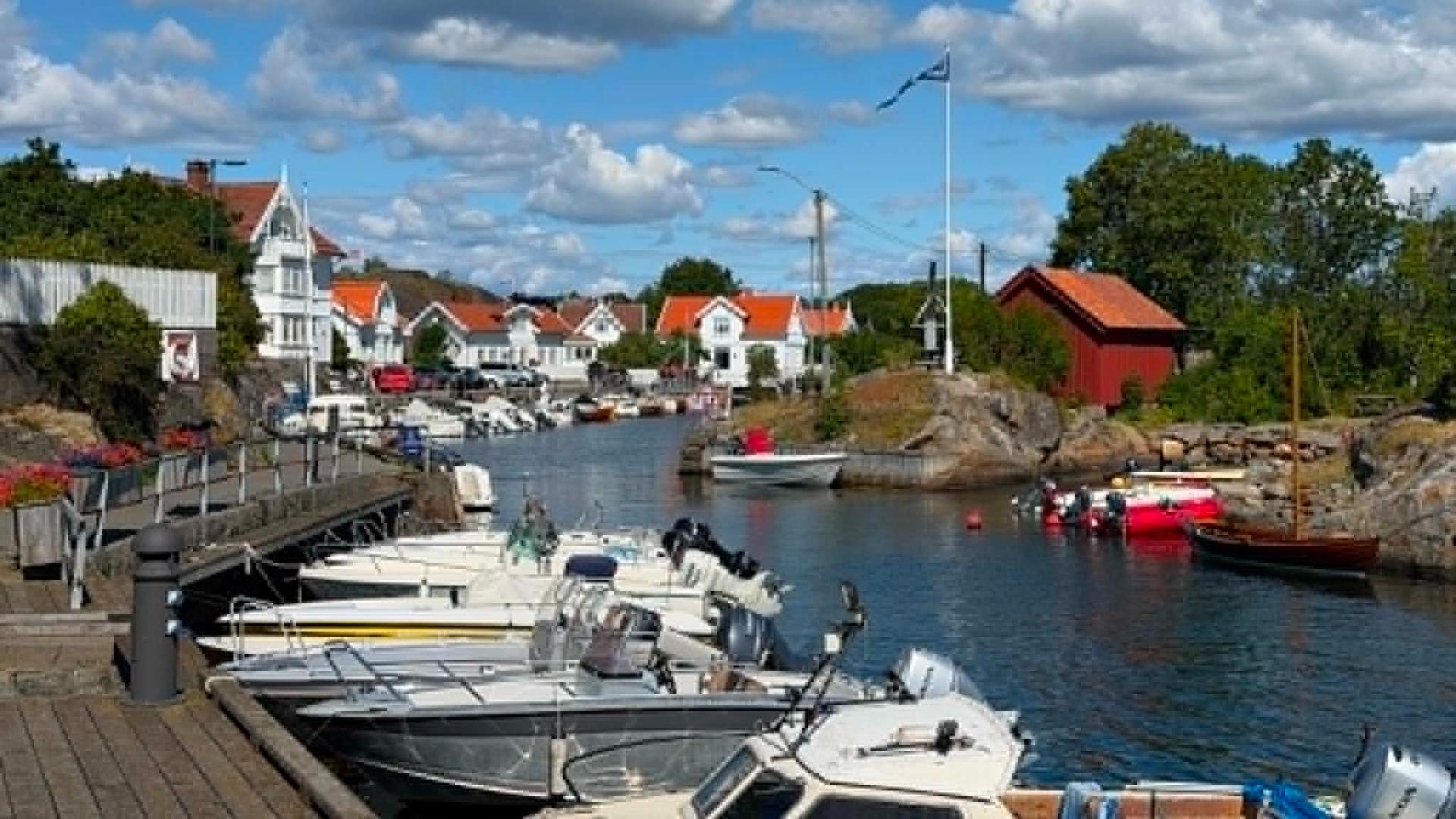
When the Telemarkskanalen was completed in 1892, newspapers called it the eighth wonder of the world. That was not entirely hyperbole. The canal connects the coast at Skien with the mountain village of Dalen 105 kilometres inland, lifting boats 72 metres through 18 locks cut into solid rock and carved through some of Telemark's most dramatic landscapes.
Building the canal took thousands of workers, armed with dynamite and hand tools, more than five years. The engineering challenge was immense: the canal had to connect a chain of natural lakes, rivers, and narrow valleys, requiring locks blasted into granite hillsides. The most spectacular section is the flight of locks at Vrangfoss, where boats climb through five consecutive chambers. Watching the water rise and the heavy lock gates swing open is mesmerizing, even for those with no particular interest in engineering.
Today the canal is no longer used for timber transport or industrial shipping. Instead, it is one of Norway's great scenic journeys. The historic canal boats MS Henrik Ibsen and MS Victoria operate scheduled services through the full canal from late May to early September. The journey from Skien to Dalen takes a full day and passes through forests, past farms, alongside steep valley walls, and into the heart of Telemark's cultural landscape.
You do not have to take the full-day trip. Shorter sections are popular, and you can also experience the canal by kayak, canoe, or your own boat. Cycling paths run alongside parts of the canal, and several of the lock stations have cafes and small exhibitions about the canal's history.
The canal's starting point in Skien connects to another piece of cultural history: this is the birthplace of Henrik Ibsen, Norway's most famous playwright. The Henrik Ibsen Museum at Venstøp preserves the farm where he spent his childhood, and the canal boat named after him passes right through the town where he grew up.
Building the canal took thousands of workers, armed with dynamite and hand tools, more than five years. The engineering challenge was immense: the canal had to connect a chain of natural lakes, rivers, and narrow valleys, requiring locks blasted into granite hillsides. The most spectacular section is the flight of locks at Vrangfoss, where boats climb through five consecutive chambers. Watching the water rise and the heavy lock gates swing open is mesmerizing, even for those with no particular interest in engineering.
Today the canal is no longer used for timber transport or industrial shipping. Instead, it is one of Norway's great scenic journeys. The historic canal boats MS Henrik Ibsen and MS Victoria operate scheduled services through the full canal from late May to early September. The journey from Skien to Dalen takes a full day and passes through forests, past farms, alongside steep valley walls, and into the heart of Telemark's cultural landscape.
You do not have to take the full-day trip. Shorter sections are popular, and you can also experience the canal by kayak, canoe, or your own boat. Cycling paths run alongside parts of the canal, and several of the lock stations have cafes and small exhibitions about the canal's history.
The canal's starting point in Skien connects to another piece of cultural history: this is the birthplace of Henrik Ibsen, Norway's most famous playwright. The Henrik Ibsen Museum at Venstøp preserves the farm where he spent his childhood, and the canal boat named after him passes right through the town where he grew up.