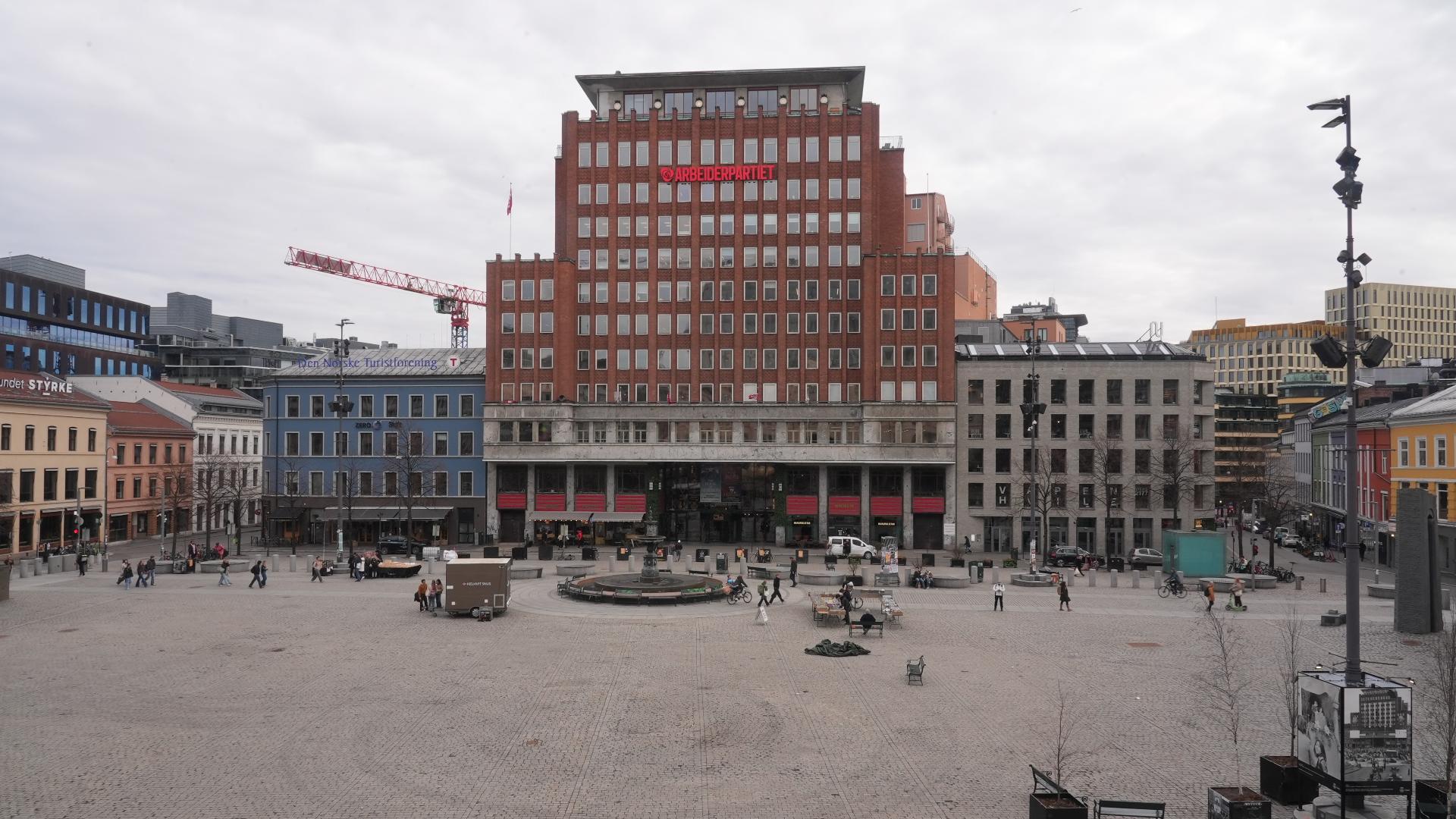
If you walk through central Oslo and look down at the pavement, you may notice small brass squares set into the cobblestones. These are Stolpersteine, or stumbling stones, part of the world's largest decentralised memorial to the victims of the Holocaust. Each stone is placed in front of the last known address of a person who was deported and murdered by the Nazis. The brass plate is engraved with the person's name, birth year, date of deportation, and where they died.
The project was started in 1994 by German artist Gunter Demnig, who laid the first stone in Cologne. By the end of 2024, over 116,000 stones had been placed in nearly 1,900 municipalities across 31 countries. The idea is simple but powerful: you literally stumble upon the memory of a real person, right where they lived their everyday life, and for a moment you are forced to look down and read their name.
In Oslo, the project was introduced in 2010 by the Jewish Museum, which placed the first stones at Calmeyers gate 15, the building that houses the museum in a former synagogue. There are now nearly 400 stones scattered across the city. They mark the homes of the 765 Norwegian Jews who were killed during the war, many of them deported on the cargo ship Donau from Oslo harbour on 26 November 1942 and sent directly to Auschwitz.
The stones are not a conventional tourist attraction; there is no entrance fee, no opening hours, no building to visit. They are simply there, embedded in the pavement of a modern city, asking you to pause and remember.
The project was started in 1994 by German artist Gunter Demnig, who laid the first stone in Cologne. By the end of 2024, over 116,000 stones had been placed in nearly 1,900 municipalities across 31 countries. The idea is simple but powerful: you literally stumble upon the memory of a real person, right where they lived their everyday life, and for a moment you are forced to look down and read their name.
In Oslo, the project was introduced in 2010 by the Jewish Museum, which placed the first stones at Calmeyers gate 15, the building that houses the museum in a former synagogue. There are now nearly 400 stones scattered across the city. They mark the homes of the 765 Norwegian Jews who were killed during the war, many of them deported on the cargo ship Donau from Oslo harbour on 26 November 1942 and sent directly to Auschwitz.
The stones are not a conventional tourist attraction; there is no entrance fee, no opening hours, no building to visit. They are simply there, embedded in the pavement of a modern city, asking you to pause and remember.