Stokke Bygdetun is Vestfold's oldest village museum, established in 1978 at Bokemoa in what is now Sandefjord municipality. Run entirely by Stokke Historielag, the local history society, it is a living heritage arena with activities, lectures, and courses year-round. The name Stokke derives from the Old Norse stokkr, meaning log or tree trunk.
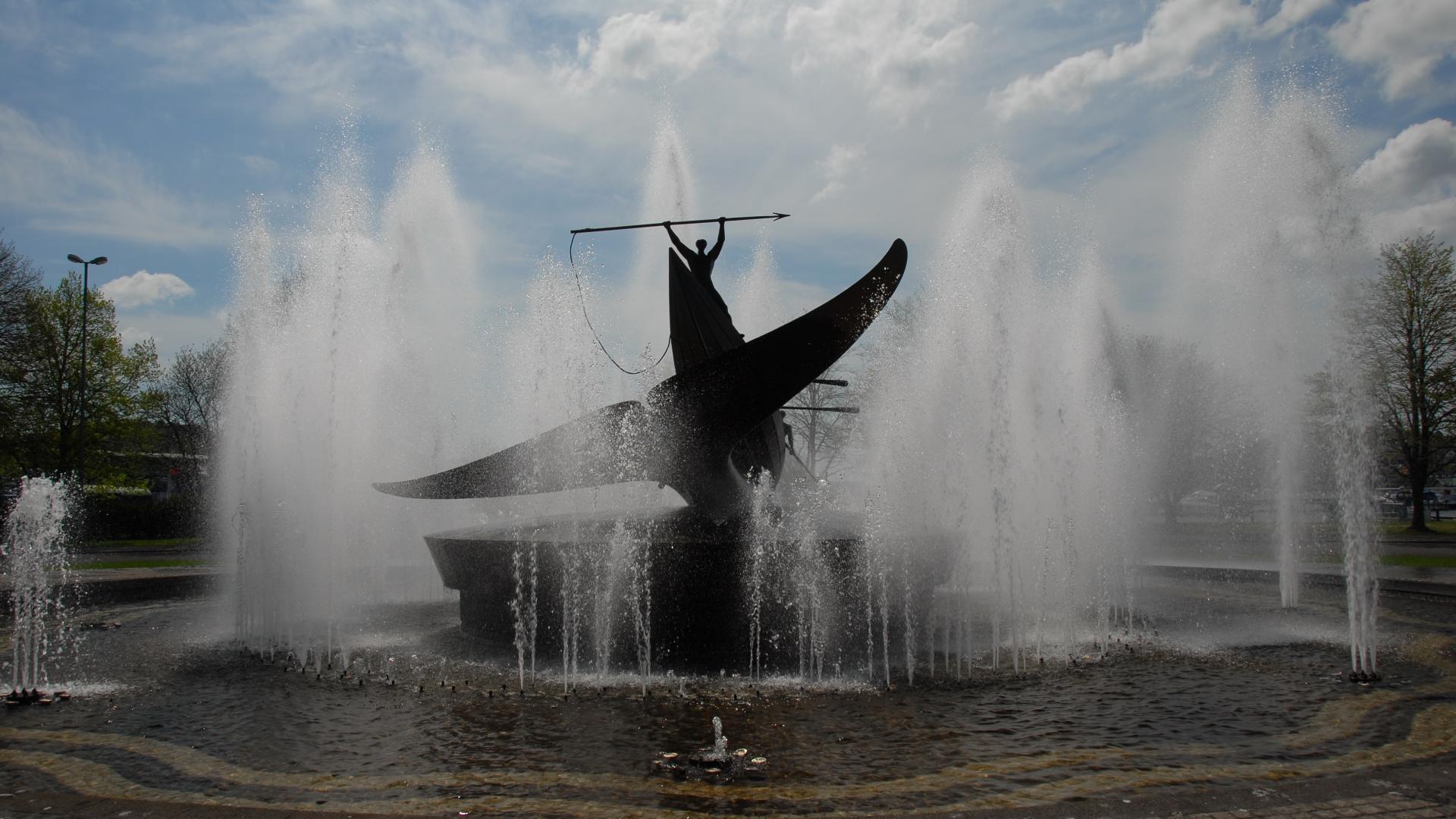
The museum centres on several relocated buildings. Hauganhuset, the main building from 1740, was physically moved from Arnadal and contains a kitchen and dining room decorated as a circa-1900 household. The basement houses a shoemaking workshop, pharmacy equipment, and a whaling exhibit connecting to the region's dominant industry; Sandefjord and the surrounding Vestfold area was the global centre of industrial whaling. Bryggerhuset, an 1852 building moved from Horten, still sells freshly baked bread on selected days. A blacksmith's forge was built by volunteers in 2008 and 2009.
Stokke sits in the heart of Vestfold's Viking heritage. Just west, at Gokstad farm, one of the most important Viking ships ever found was excavated in 1880: the Gokstad Ship, a 23.8-metre, 32-oar warship from the late 9th century, buried with a chieftain around 900 AD. The museum is open Sundays in summer.
The museum centres on several relocated buildings. Hauganhuset, the main building from 1740, was physically moved from Arnadal and contains a kitchen and dining room decorated as a circa-1900 household. The basement houses a shoemaking workshop, pharmacy equipment, and a whaling exhibit connecting to the region's dominant industry; Sandefjord and the surrounding Vestfold area was the global centre of industrial whaling. Bryggerhuset, an 1852 building moved from Horten, still sells freshly baked bread on selected days. A blacksmith's forge was built by volunteers in 2008 and 2009.
Stokke sits in the heart of Vestfold's Viking heritage. Just west, at Gokstad farm, one of the most important Viking ships ever found was excavated in 1880: the Gokstad Ship, a 23.8-metre, 32-oar warship from the late 9th century, buried with a chieftain around 900 AD. The museum is open Sundays in summer.