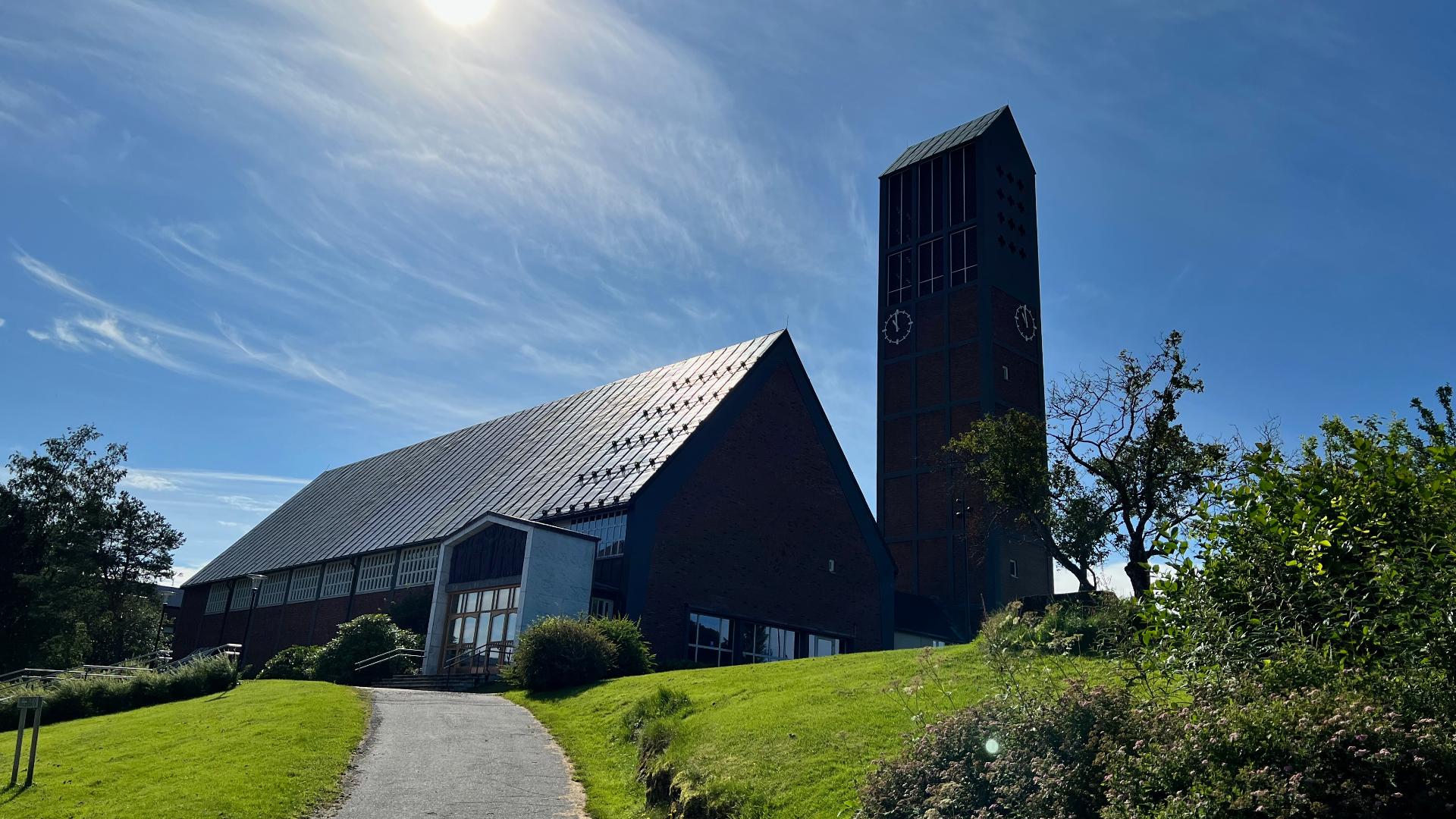
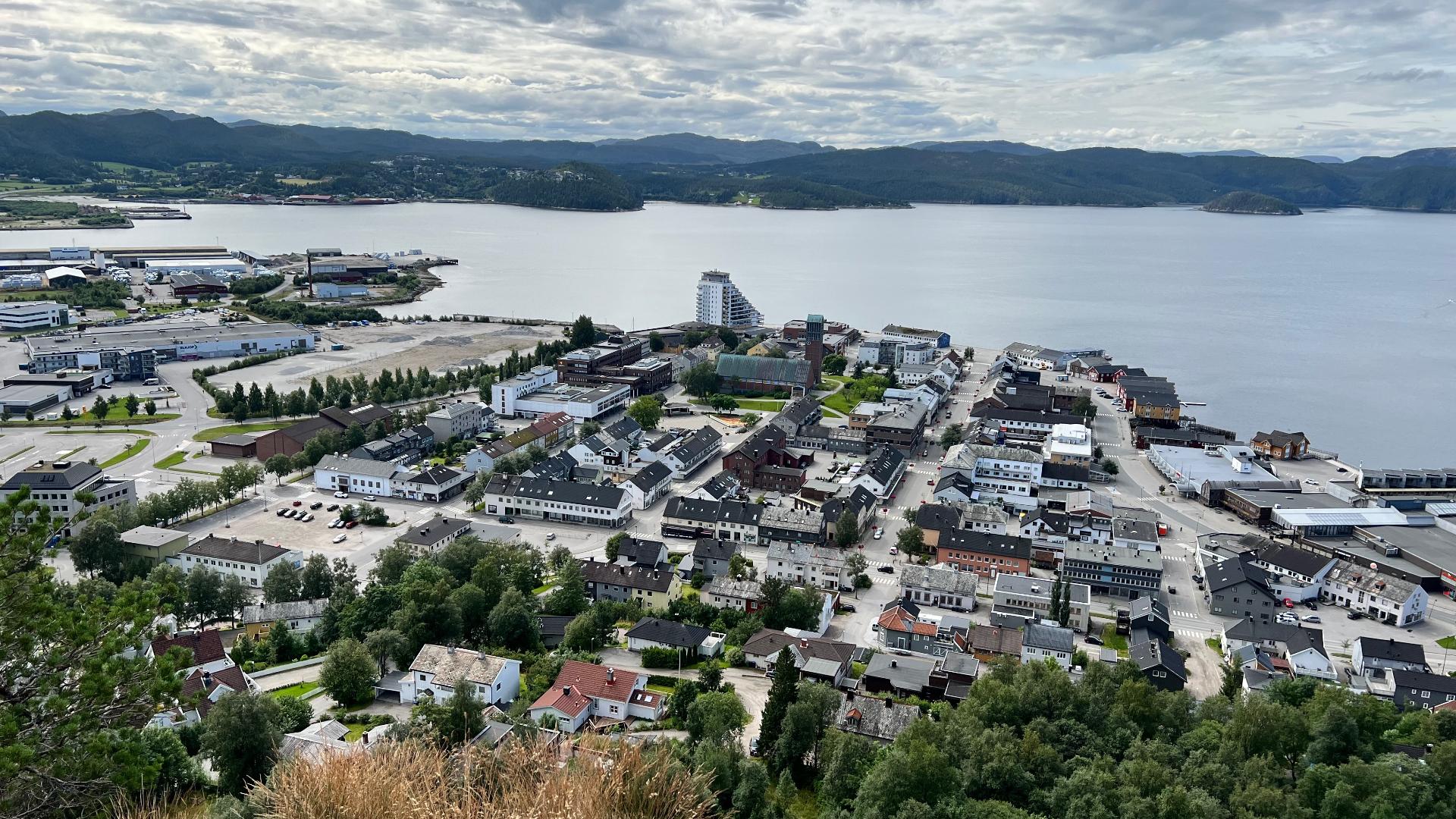
Snåsa is a quiet village of about 660 people on the shores of Snåsavatnet, Norway's sixth-largest lake at 126 square kilometres. The municipality has around 2,100 inhabitants, spread across a vast landscape where nearly half the area lies within Blåfjella-Skjækerfjella National Park. It is a place where not much seems to happen; and yet, for decades, tens of thousands of Norwegians made the journey here to visit one man.
Joralf Gjerstad, born on 11 April 1926, became known across Norway as Snåsamannen: the Snåsa Man, or locally Snåsakaill'n. He was called "the man with warm hands," and over the course of 65 years, more than 50,000 people travelled to this tiny village hoping he could heal them. He never charged a single krone.
Gjerstad was no mystic living in isolation. He worked as a control assistant at a dairy farm for 25 years, served the Snåsa church for 16 years, and was deputy mayor for the Labour Party. He wrote local history books and lived an ordinary rural life. But alongside all of that, people came to his door: people with chronic pain, with illnesses doctors could not explain, with children who would not sleep. He claimed his ability came from his Christian faith, and that others in his family shared it. The story goes that a fortune teller told him at age 21, while he was serving in the German Brigade after the war, that he would one day be known across all of Norway for helping people. It took a few decades, but that prediction came true.
In 2008, author Ingar Sletten Kolloen published a biography simply titled Snåsamannen, based on a year and a half of conversations with Gjerstad. It became one of the biggest bestsellers in recent Norwegian publishing history. Suddenly, the quiet man from Snåsa was a national sensation. NRK made a documentary about him called "Do You Feel the Warmth." He received the King's Medal of Merit in silver. Scientists and sceptics pushed back; the famous American sceptic James Randi even offered him a million dollars to prove his abilities under controlled conditions. Gjerstad declined. The debate never really settled, but what was undeniable was the impact he had on people's lives, whether through genuine healing or simply through the comfort of being listened to by someone who cared.
To a foreign visitor, the Snåsamannen story might sound like a one-off curiosity, but it is actually part of a deep Norwegian tradition. For centuries, every community had its "klok kone" or "klok mann": a wise woman or wise man who practised healing through prayers, laying on of hands, and folk remedies. This practice, known as "lesing" (reading), was passed down through families and often existed quietly alongside conventional medicine. It never disappeared. In Northern Norway especially, traditional healing remains remarkably common; studies have found that around 16 percent of the population in the north has consulted a healer, rising to over 25 percent among the Sámi community. Norwegian health professionals are often aware of it and, according to research, largely positive about patients combining it with regular treatment. Complementary healing is not regulated but fully legal in Norway, and the Norwegian Healers Association has existed since 1994. Many healers today do it alongside a regular job. Gjerstad was the most famous of them all, but he was far from the only one.
Joralf Gjerstad died on 18 June 2021 at the age of 95. His childhood home, Gjerstadhuset, was preserved and opened as a museum in 2012. It looks virtually identical to how it was during his childhood, with family photographs, awards, and the stories of the people who came to see him. You can visit it in the village.
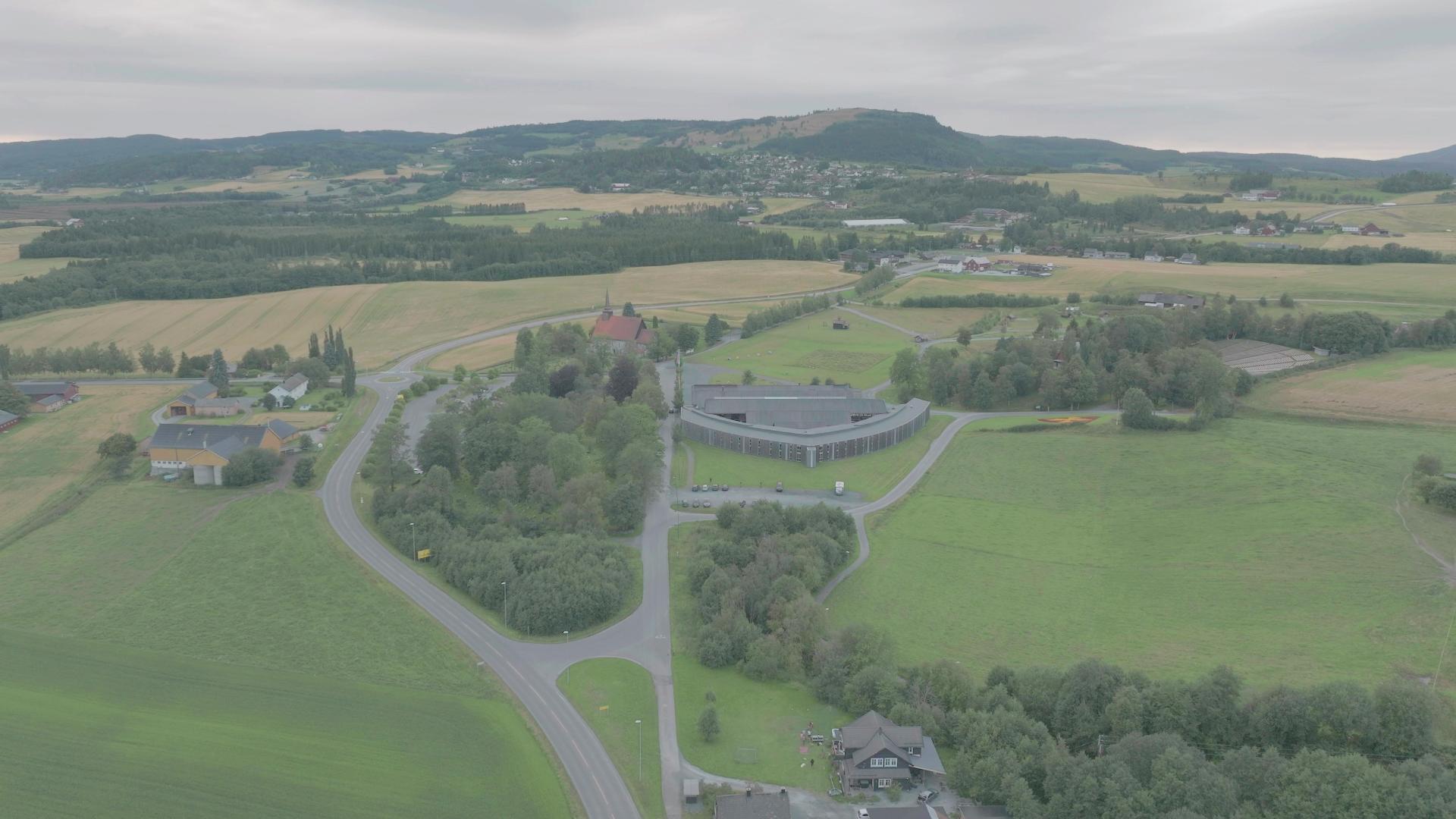
Beyond Snåsamannen, Snåsa holds another distinction: it is the heartland of South Sámi culture. In 2008, the same year the biography came out, Snåsa became the first municipality in the South Sámi region to be included in the administrative area for the Sámi language, making it officially bilingual. The new Saemien Sijte, the only South Sámi museum in the world, opened here in 2022 in a striking modern building with exhibitions, craft workshops, a library, and a café. Reindeer herding remains central to the local Sámi identity, and the surrounding mountains are still used as grazing land, as they have been for centuries.
Joralf Gjerstad, born on 11 April 1926, became known across Norway as Snåsamannen: the Snåsa Man, or locally Snåsakaill'n. He was called "the man with warm hands," and over the course of 65 years, more than 50,000 people travelled to this tiny village hoping he could heal them. He never charged a single krone.
Gjerstad was no mystic living in isolation. He worked as a control assistant at a dairy farm for 25 years, served the Snåsa church for 16 years, and was deputy mayor for the Labour Party. He wrote local history books and lived an ordinary rural life. But alongside all of that, people came to his door: people with chronic pain, with illnesses doctors could not explain, with children who would not sleep. He claimed his ability came from his Christian faith, and that others in his family shared it. The story goes that a fortune teller told him at age 21, while he was serving in the German Brigade after the war, that he would one day be known across all of Norway for helping people. It took a few decades, but that prediction came true.
In 2008, author Ingar Sletten Kolloen published a biography simply titled Snåsamannen, based on a year and a half of conversations with Gjerstad. It became one of the biggest bestsellers in recent Norwegian publishing history. Suddenly, the quiet man from Snåsa was a national sensation. NRK made a documentary about him called "Do You Feel the Warmth." He received the King's Medal of Merit in silver. Scientists and sceptics pushed back; the famous American sceptic James Randi even offered him a million dollars to prove his abilities under controlled conditions. Gjerstad declined. The debate never really settled, but what was undeniable was the impact he had on people's lives, whether through genuine healing or simply through the comfort of being listened to by someone who cared.
To a foreign visitor, the Snåsamannen story might sound like a one-off curiosity, but it is actually part of a deep Norwegian tradition. For centuries, every community had its "klok kone" or "klok mann": a wise woman or wise man who practised healing through prayers, laying on of hands, and folk remedies. This practice, known as "lesing" (reading), was passed down through families and often existed quietly alongside conventional medicine. It never disappeared. In Northern Norway especially, traditional healing remains remarkably common; studies have found that around 16 percent of the population in the north has consulted a healer, rising to over 25 percent among the Sámi community. Norwegian health professionals are often aware of it and, according to research, largely positive about patients combining it with regular treatment. Complementary healing is not regulated but fully legal in Norway, and the Norwegian Healers Association has existed since 1994. Many healers today do it alongside a regular job. Gjerstad was the most famous of them all, but he was far from the only one.
Joralf Gjerstad died on 18 June 2021 at the age of 95. His childhood home, Gjerstadhuset, was preserved and opened as a museum in 2012. It looks virtually identical to how it was during his childhood, with family photographs, awards, and the stories of the people who came to see him. You can visit it in the village.
Beyond Snåsamannen, Snåsa holds another distinction: it is the heartland of South Sámi culture. In 2008, the same year the biography came out, Snåsa became the first municipality in the South Sámi region to be included in the administrative area for the Sámi language, making it officially bilingual. The new Saemien Sijte, the only South Sámi museum in the world, opened here in 2022 in a striking modern building with exhibitions, craft workshops, a library, and a café. Reindeer herding remains central to the local Sámi identity, and the surrounding mountains are still used as grazing land, as they have been for centuries.