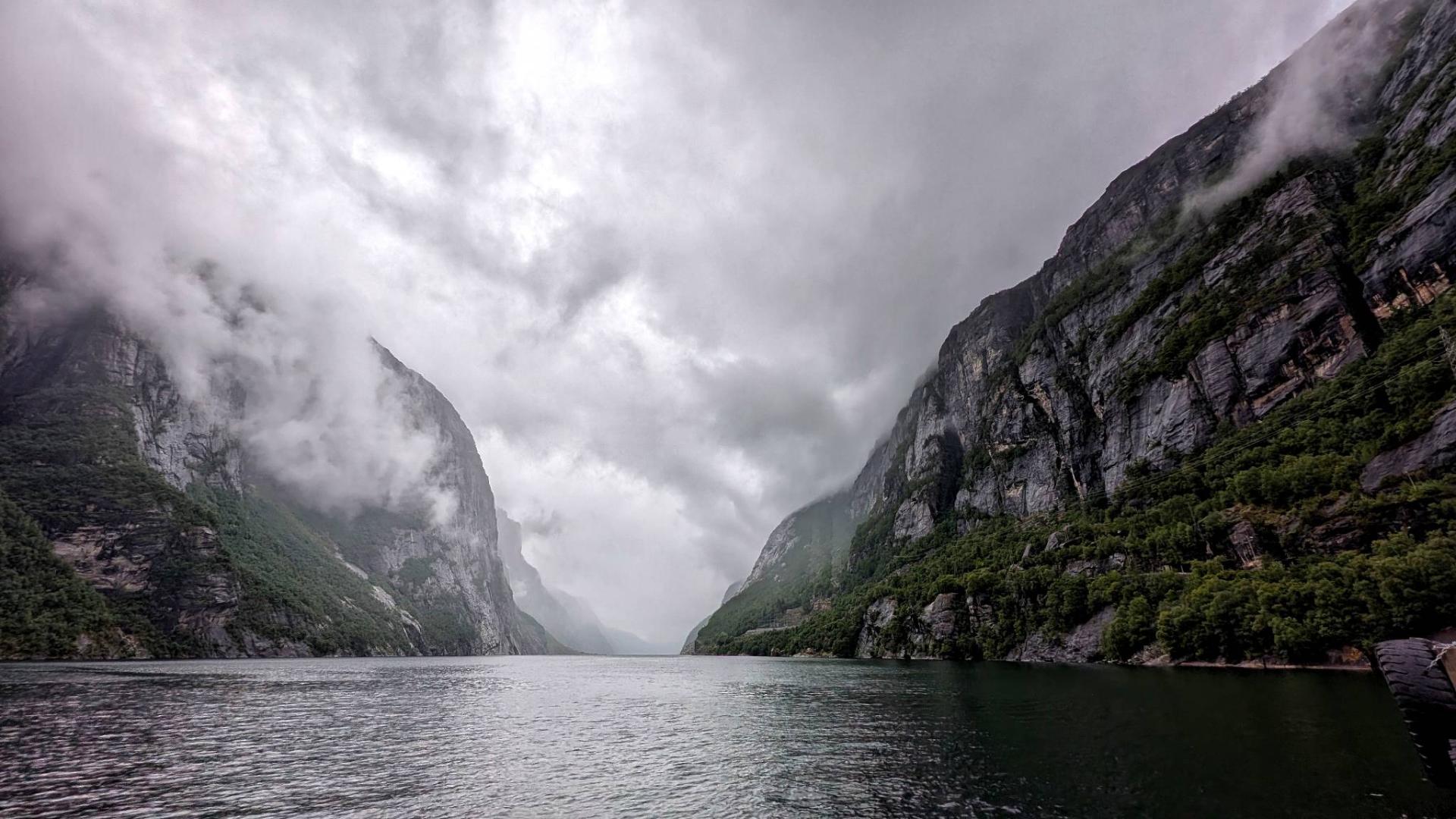
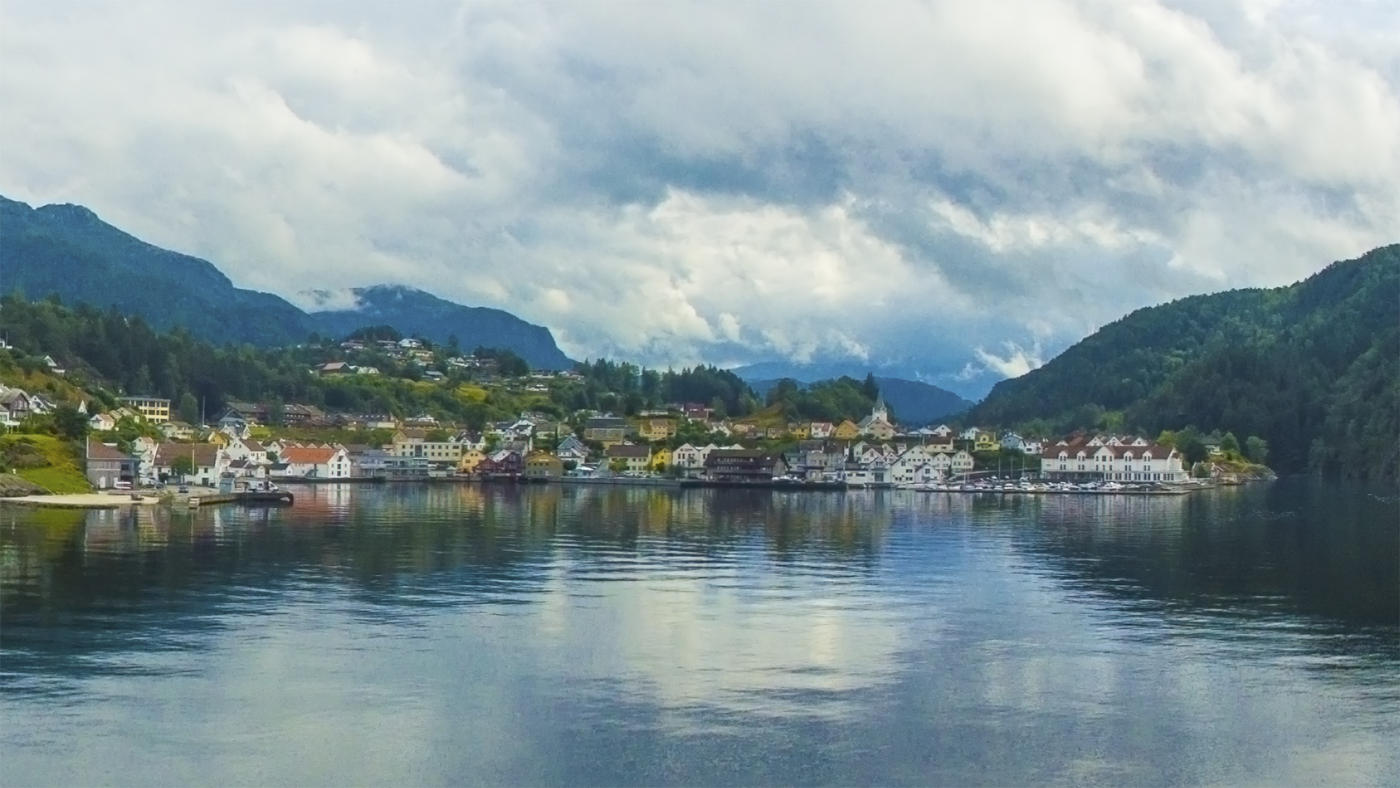
Norway has only three known meteorite craters. One lies on the seabed in the Barents Sea, one is at Gardnos in Hallingdal, and the third is right here in Hjelmeland, Ritland Crater.
About 500 million years ago, a meteorite roughly 100 to 150 metres wide struck this area at around 20 kilometres per second. Back then, this was a shallow sea with a clay bottom. The impact released so much energy that the meteorite completely evaporated, leaving behind a crater 2.7 kilometres wide and about 350 metres deep. Rocks were flung more than four kilometres away, and the heat was so intense that it melted the bedrock into a special rock type called suevite.
Over time, the crater filled with sediments and fossils. Then the Caledonian mountain-building pushed it more than four kilometres underground. Millions of years of erosion eventually brought it back to the surface.
The crater remained hidden in plain sight until 2000, when geologist Fridtjof Riis, who had spent years hiking in this area, noticed something unusual about the landscape. It took until 2008 before microscopic evidence of shocked quartz crystals confirmed his theory. Only a meteorite impact can create that kind of change in quartz.
Today you can hike into the crater from Kleivaland in Vormedalen. You will pass abandoned mountain farms and two small lakes, Ritlandstjørnane, in the crater's heart. A lean-to shelter offers views over this 500-million-year-old geological treasure.