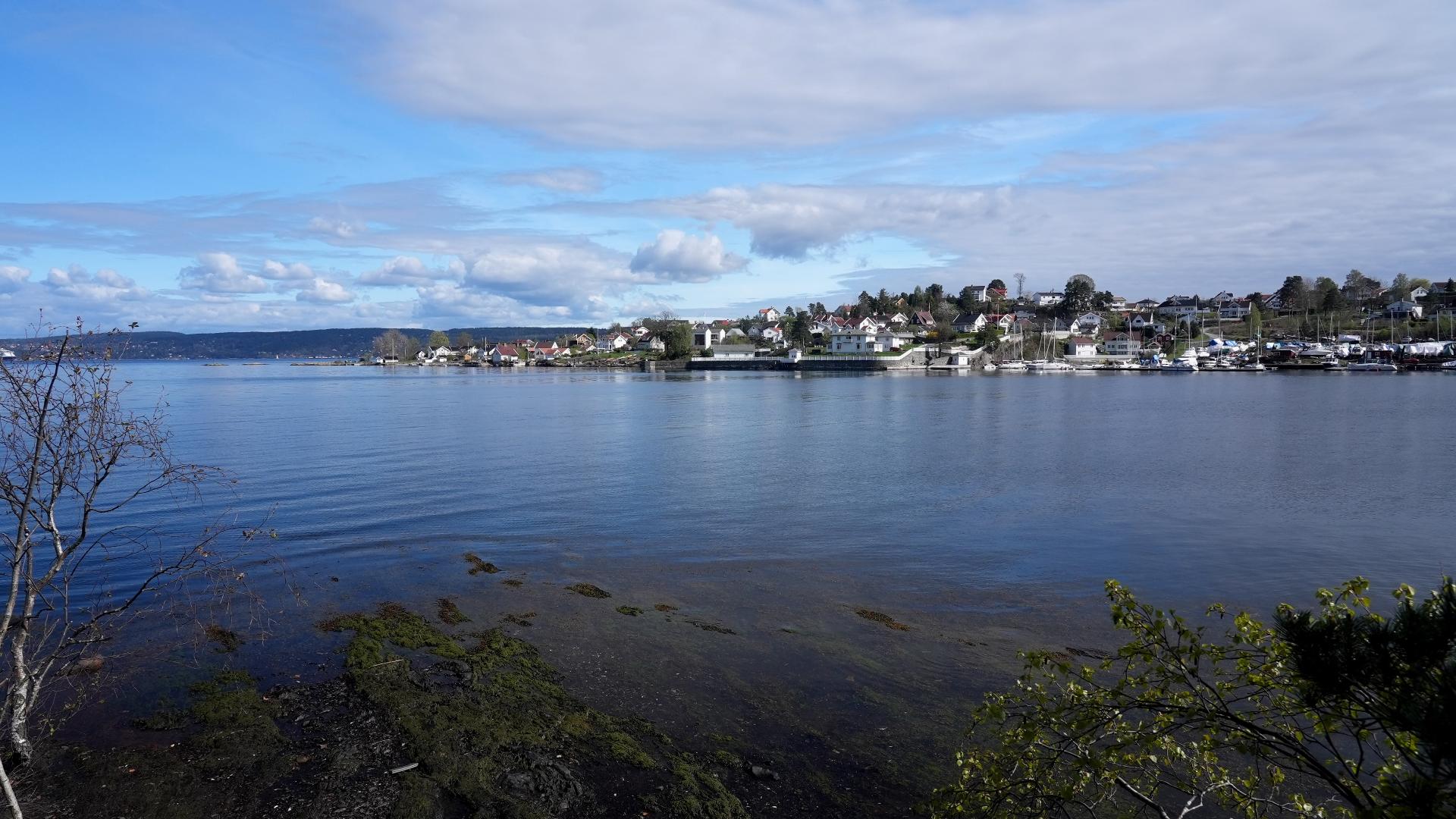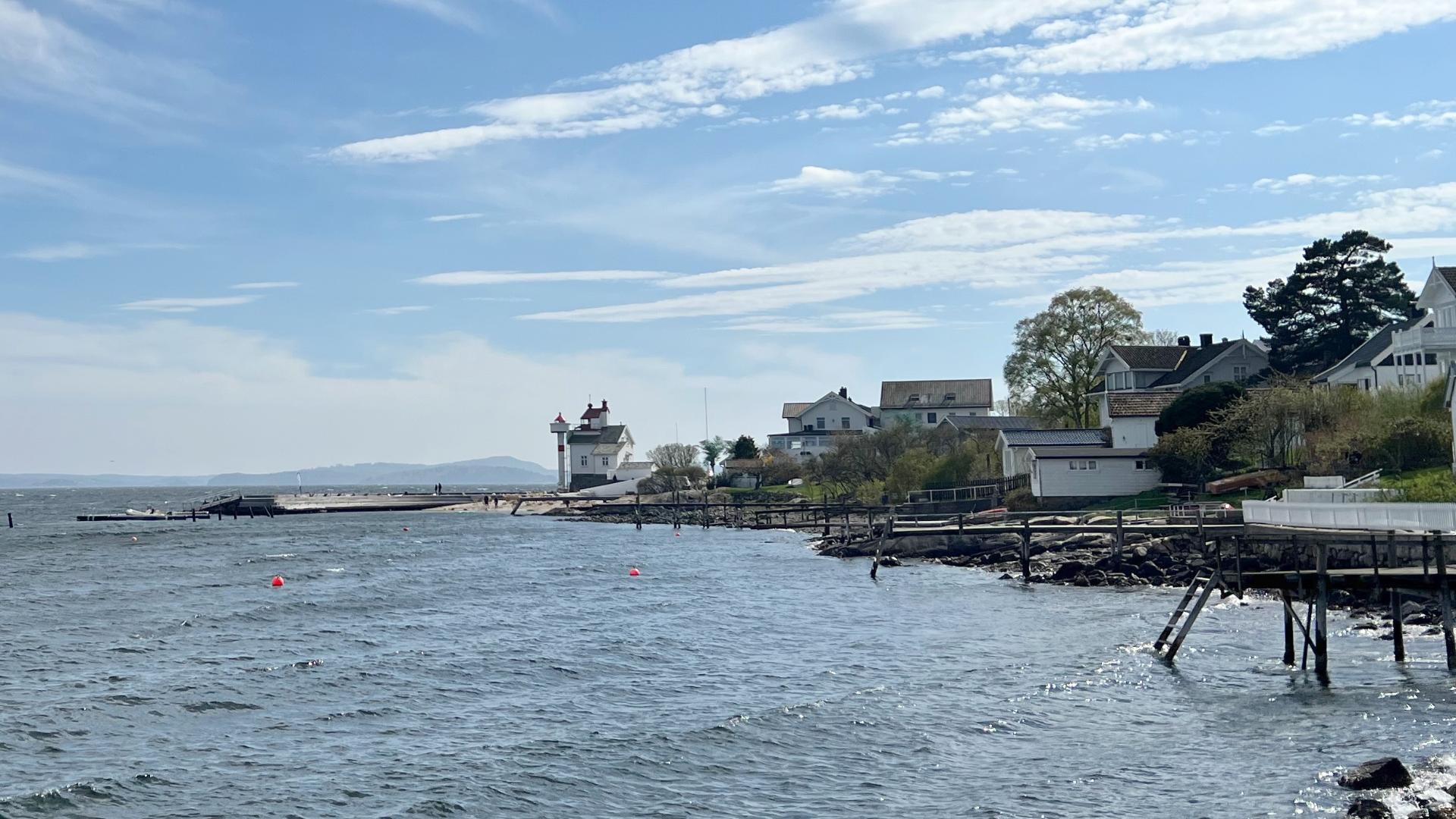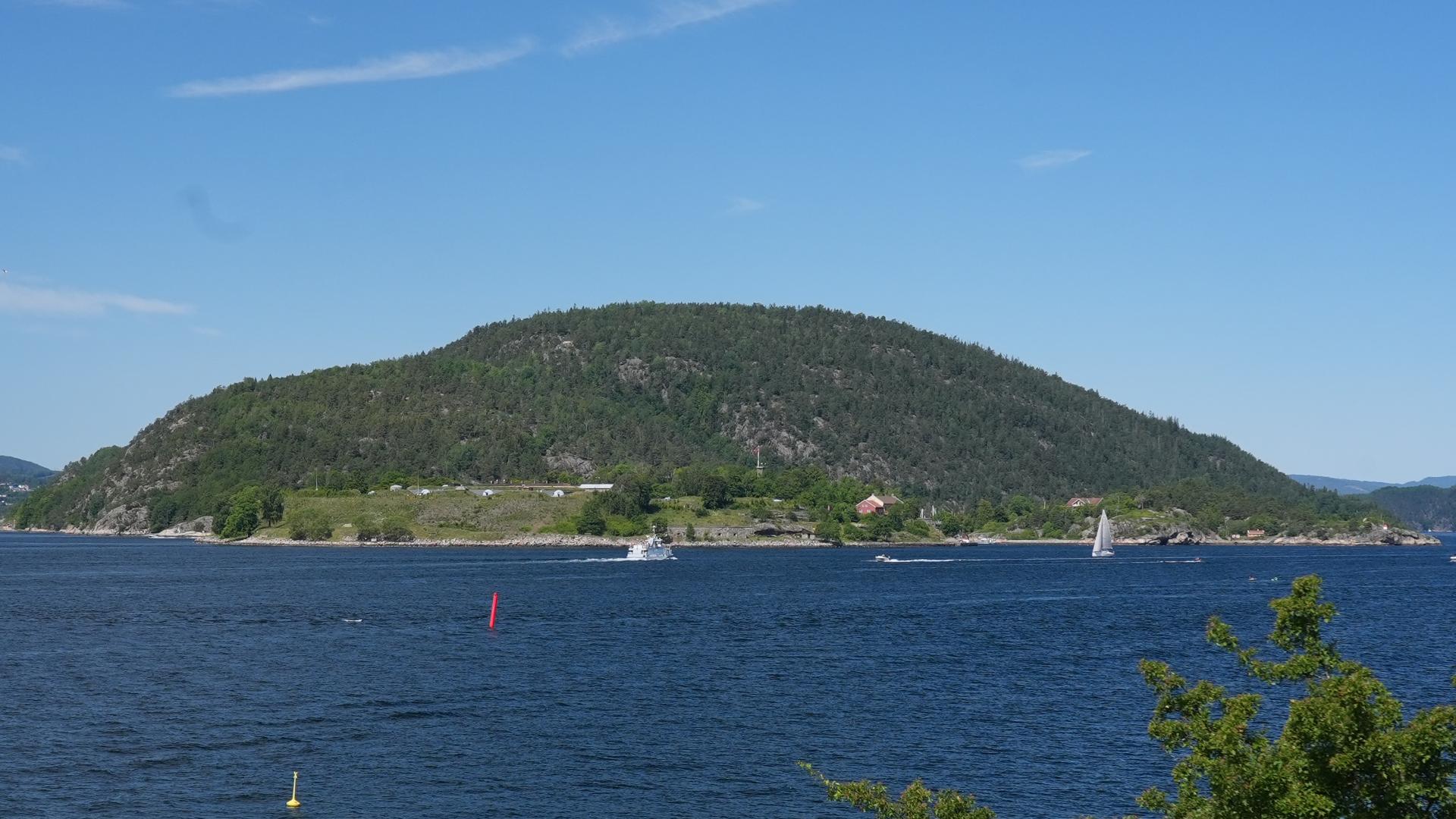
Oscarsborg Festning sits on two small islands in the narrowest part of the Oslofjord, near the town of Drøbak, about 35 kilometres south of Oslo. The first fortifications here date to 1643, but the main fortress was built between 1847 and 1856 under King Oscar I, after whom it is named. By the early twentieth century, it was considered one of the strongest coastal fortifications in northern Europe, armed with heavy cannons and, crucially, an underwater torpedo battery installed in 1901.
That torpedo battery would change the course of Norwegian history. In the early hours of 9 April 1940, a German naval force sailed up the Oslofjord to seize Oslo, capture King Håkon VII, the government and the national gold reserve. Leading the fleet was the heavy cruiser Blücher, the newest and most powerful ship in the German navy. The Germans expected no serious resistance; most of Norway's defences were outdated, and intelligence suggested the fortress was not fully operational.
They were wrong. At approximately 04:20, the fortress commander Colonel Birger Eriksen gave the order to fire. The two main cannons, nicknamed Moses and Aaron, struck the Blücher at close range, setting it ablaze and disabling much of its armament. As the crippled ship drifted past Kaholmen, the torpedo battery, which German intelligence did not even know existed, launched two torpedoes into its hull. The Blücher sank at around 07:30, taking over a thousand German soldiers to the bottom of the fjord. The rest of the invasion fleet turned back.
The delay was decisive. It gave King Håkon, the government, the parliament and Norway's gold reserves just enough time to evacuate Oslo by train. Had the Blücher reached the city as planned, the king and government would have been captured and Norway's resistance might never have begun. It was one of the most consequential military engagements in Norwegian history, and it was fought by a handful of men in a fortress that the enemy had dismissed as irrelevant.
Today the fortress is open to visitors during summer. There are guided tours of the cannon positions, the torpedo battery and the tunnels. The island setting is peaceful and scenic, and there is a hotel and restaurant inside the old fortress buildings. You can reach Oscarsborg by boat from Drøbak or on summer weekends by a longer boat service from Aker Brygge in Oslo.
That torpedo battery would change the course of Norwegian history. In the early hours of 9 April 1940, a German naval force sailed up the Oslofjord to seize Oslo, capture King Håkon VII, the government and the national gold reserve. Leading the fleet was the heavy cruiser Blücher, the newest and most powerful ship in the German navy. The Germans expected no serious resistance; most of Norway's defences were outdated, and intelligence suggested the fortress was not fully operational.
They were wrong. At approximately 04:20, the fortress commander Colonel Birger Eriksen gave the order to fire. The two main cannons, nicknamed Moses and Aaron, struck the Blücher at close range, setting it ablaze and disabling much of its armament. As the crippled ship drifted past Kaholmen, the torpedo battery, which German intelligence did not even know existed, launched two torpedoes into its hull. The Blücher sank at around 07:30, taking over a thousand German soldiers to the bottom of the fjord. The rest of the invasion fleet turned back.
The delay was decisive. It gave King Håkon, the government, the parliament and Norway's gold reserves just enough time to evacuate Oslo by train. Had the Blücher reached the city as planned, the king and government would have been captured and Norway's resistance might never have begun. It was one of the most consequential military engagements in Norwegian history, and it was fought by a handful of men in a fortress that the enemy had dismissed as irrelevant.
Today the fortress is open to visitors during summer. There are guided tours of the cannon positions, the torpedo battery and the tunnels. The island setting is peaceful and scenic, and there is a hotel and restaurant inside the old fortress buildings. You can reach Oscarsborg by boat from Drøbak or on summer weekends by a longer boat service from Aker Brygge in Oslo.