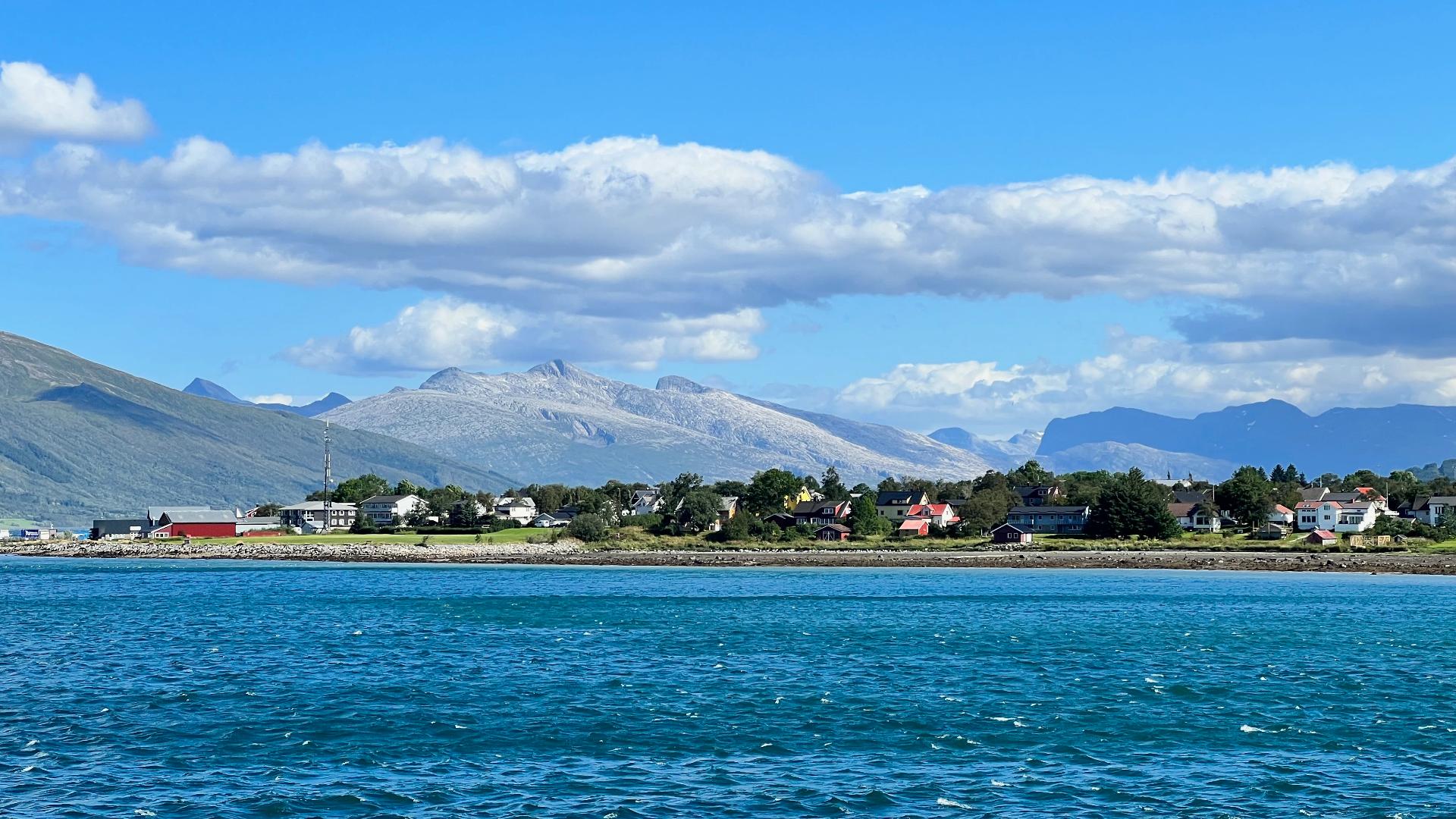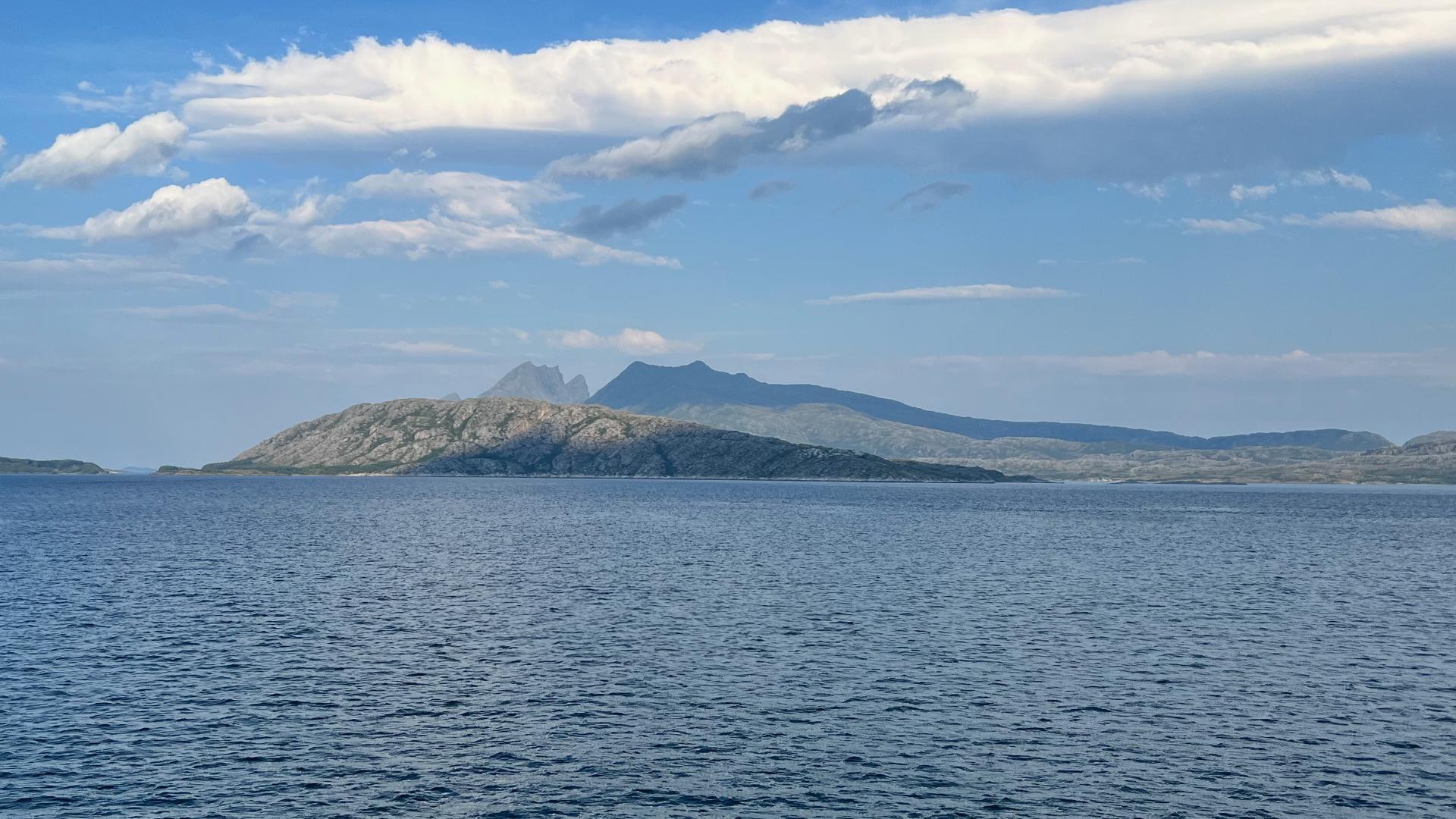
Mosjøen sits where the rivers Vefsna and Skjerva meet the Vefsnfjord, at the heart of inland Helgeland. It is a small town with a big story, and most of it is written in wood.
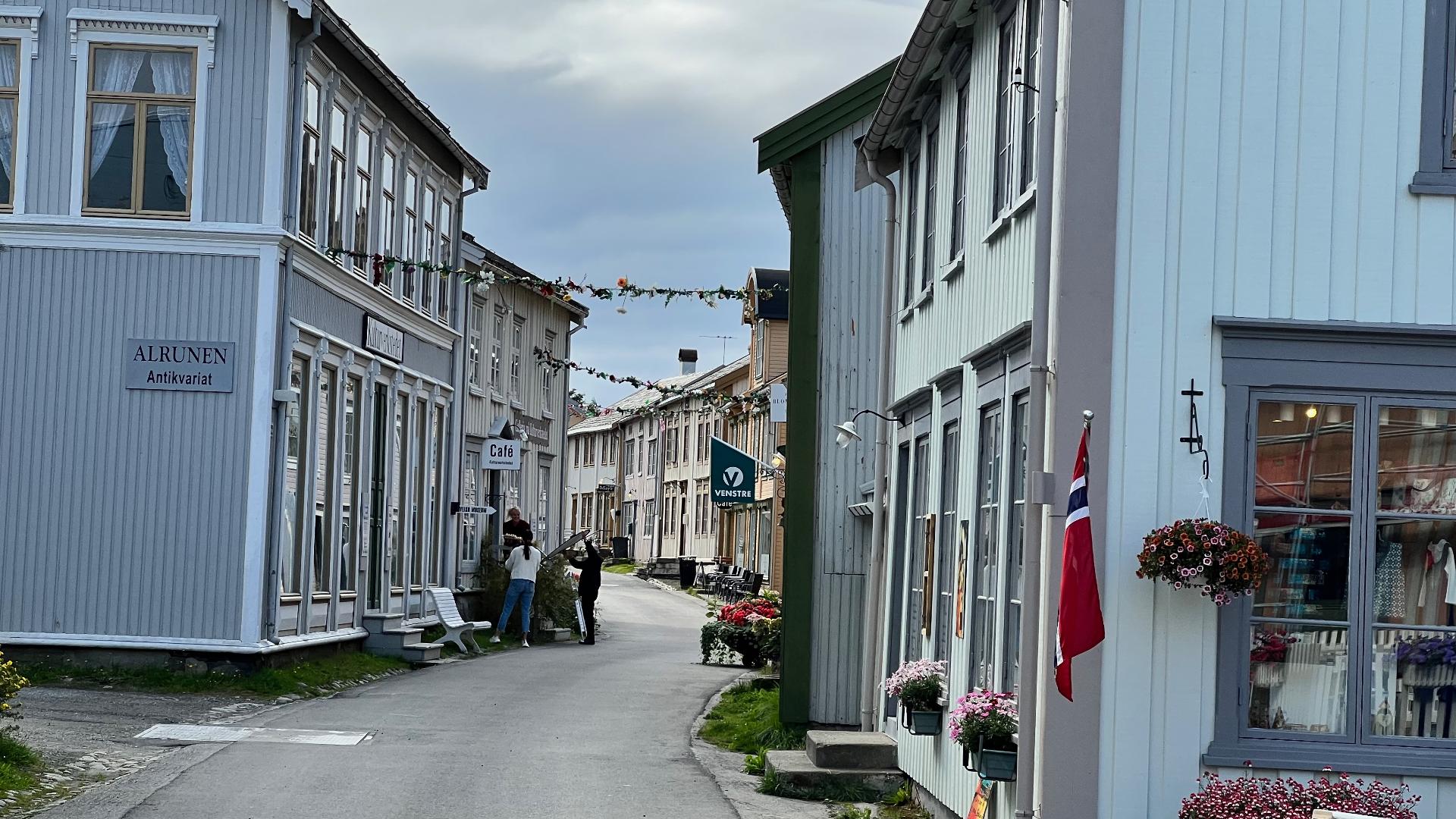
Walk down Sjøgata and you are stepping into Northern Norway's largest concentration of listed wooden buildings. The street runs along the old waterfront, lined with timber warehouses, merchant homes, and wharves dating from the mid-1800s. In 1866, an English-financed sawmill turned Mosjøen into a boomtown overnight. English timber barons rubbed shoulders with Sámi lumberjacks, Swedish mountain farmers, and tailors selling the latest London fashions. The buildings they left behind still stand, now home to galleries, craft shops, and cafés.
Sjøgata has been awarded the St. Olav Rose, the Norwegian Heritage Seal of Quality; one of the few urban areas in the country to receive it. The Vefsn Museum operates several exhibition spaces here, covering everything from rural life to World War II resistance work in the region.
Right on Sjøgata you will also find Fru Haugans Hotel, dating from 1794 and the oldest hotel in Northern Norway.
Mosjøen has a quirky claim to fame: it is the driving-distance midpoint of Norway. Measure the road from Lindesnes lighthouse at the southern tip to Nordkapp at the northern tip, and Mosjøen sits right at the halfway mark. A special manhole cover in town marks the spot, which was featured on the popular TV show Norge Rundt as part of the programme's 35th anniversary in 2012.
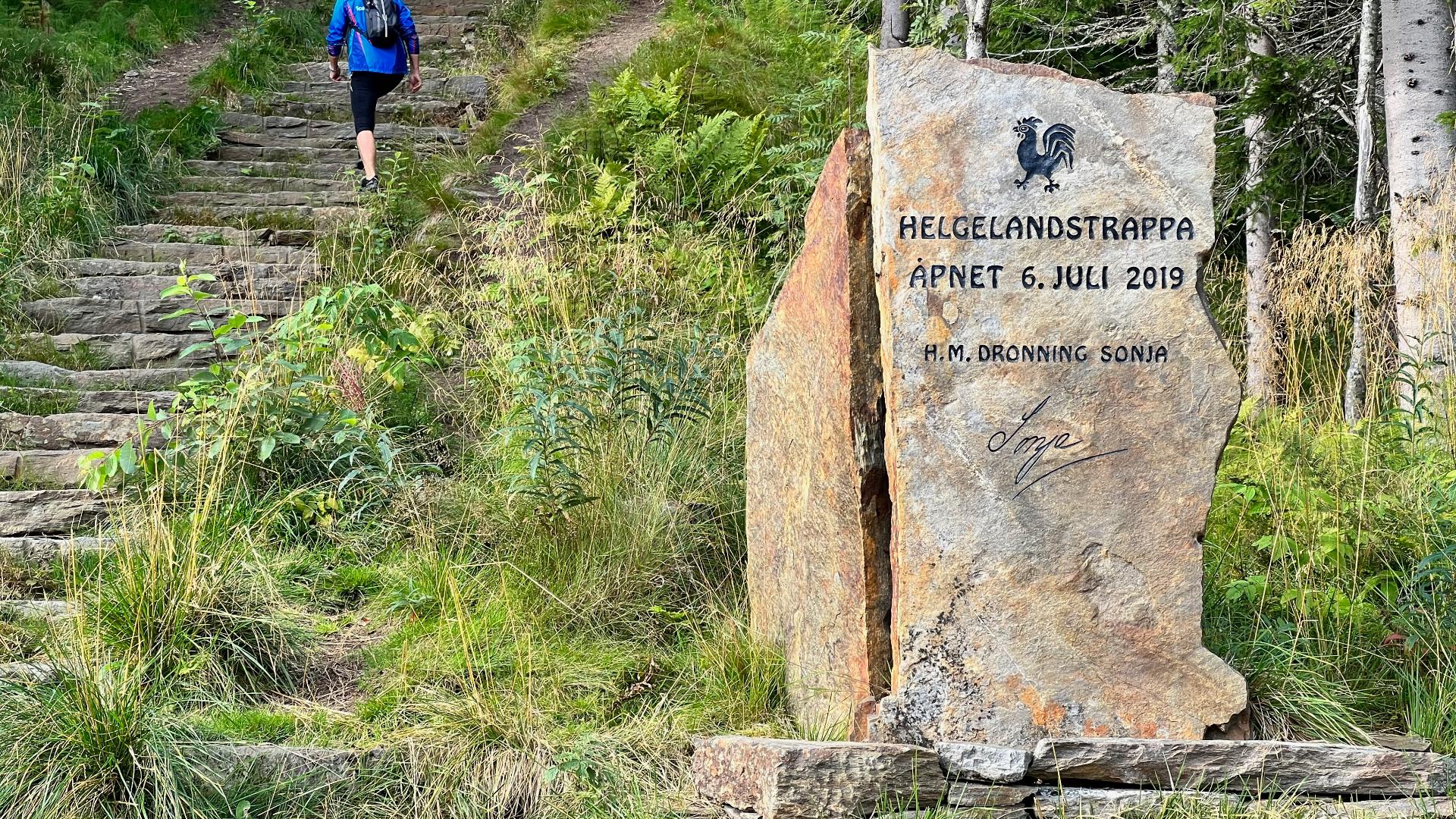
The town is also the starting point for the Helgelandstrappa, the world's longest stone staircase: 4,175 Sherpa-built steps climbing 818 metres to the summit of Øyfjellet.
Mosjøen is well connected by the Nordland Railway between Trondheim and Bodø, and serves as a gateway to the Vefsna valley and the wider Helgeland region.
Walk down Sjøgata and you are stepping into Northern Norway's largest concentration of listed wooden buildings. The street runs along the old waterfront, lined with timber warehouses, merchant homes, and wharves dating from the mid-1800s. In 1866, an English-financed sawmill turned Mosjøen into a boomtown overnight. English timber barons rubbed shoulders with Sámi lumberjacks, Swedish mountain farmers, and tailors selling the latest London fashions. The buildings they left behind still stand, now home to galleries, craft shops, and cafés.
Sjøgata has been awarded the St. Olav Rose, the Norwegian Heritage Seal of Quality; one of the few urban areas in the country to receive it. The Vefsn Museum operates several exhibition spaces here, covering everything from rural life to World War II resistance work in the region.
Right on Sjøgata you will also find Fru Haugans Hotel, dating from 1794 and the oldest hotel in Northern Norway.
Mosjøen has a quirky claim to fame: it is the driving-distance midpoint of Norway. Measure the road from Lindesnes lighthouse at the southern tip to Nordkapp at the northern tip, and Mosjøen sits right at the halfway mark. A special manhole cover in town marks the spot, which was featured on the popular TV show Norge Rundt as part of the programme's 35th anniversary in 2012.
The town is also the starting point for the Helgelandstrappa, the world's longest stone staircase: 4,175 Sherpa-built steps climbing 818 metres to the summit of Øyfjellet.
Mosjøen is well connected by the Nordland Railway between Trondheim and Bodø, and serves as a gateway to the Vefsna valley and the wider Helgeland region.