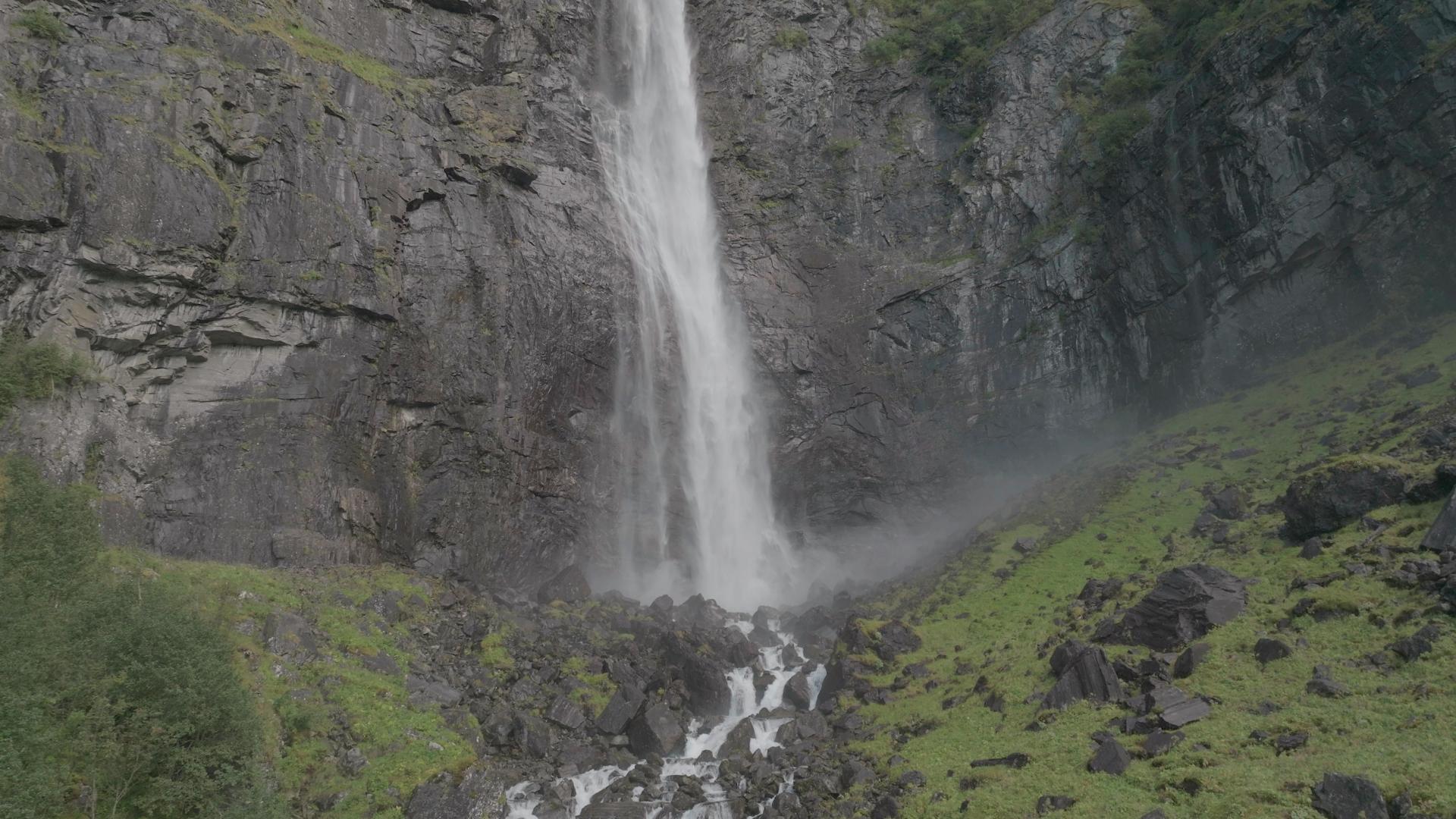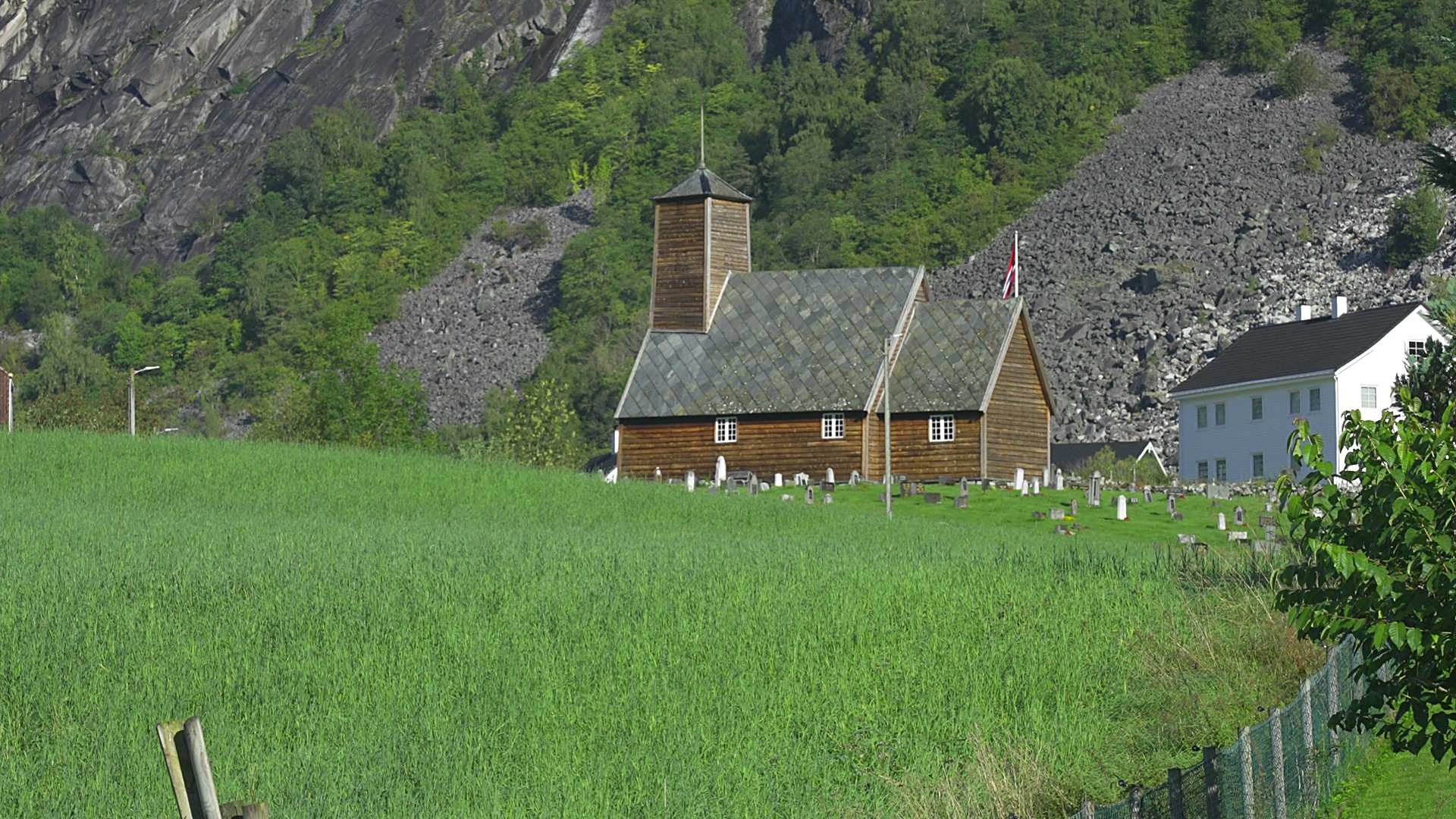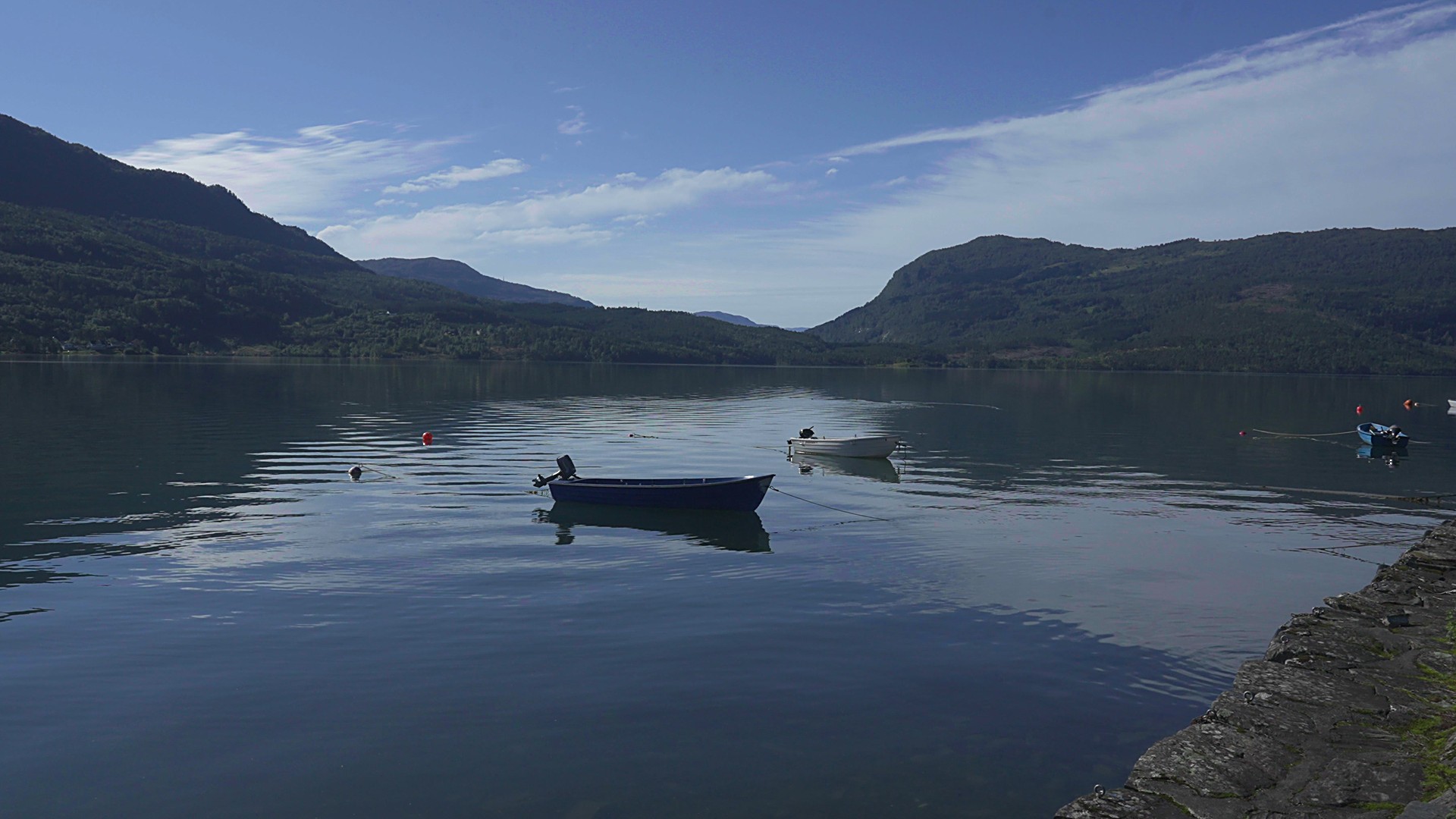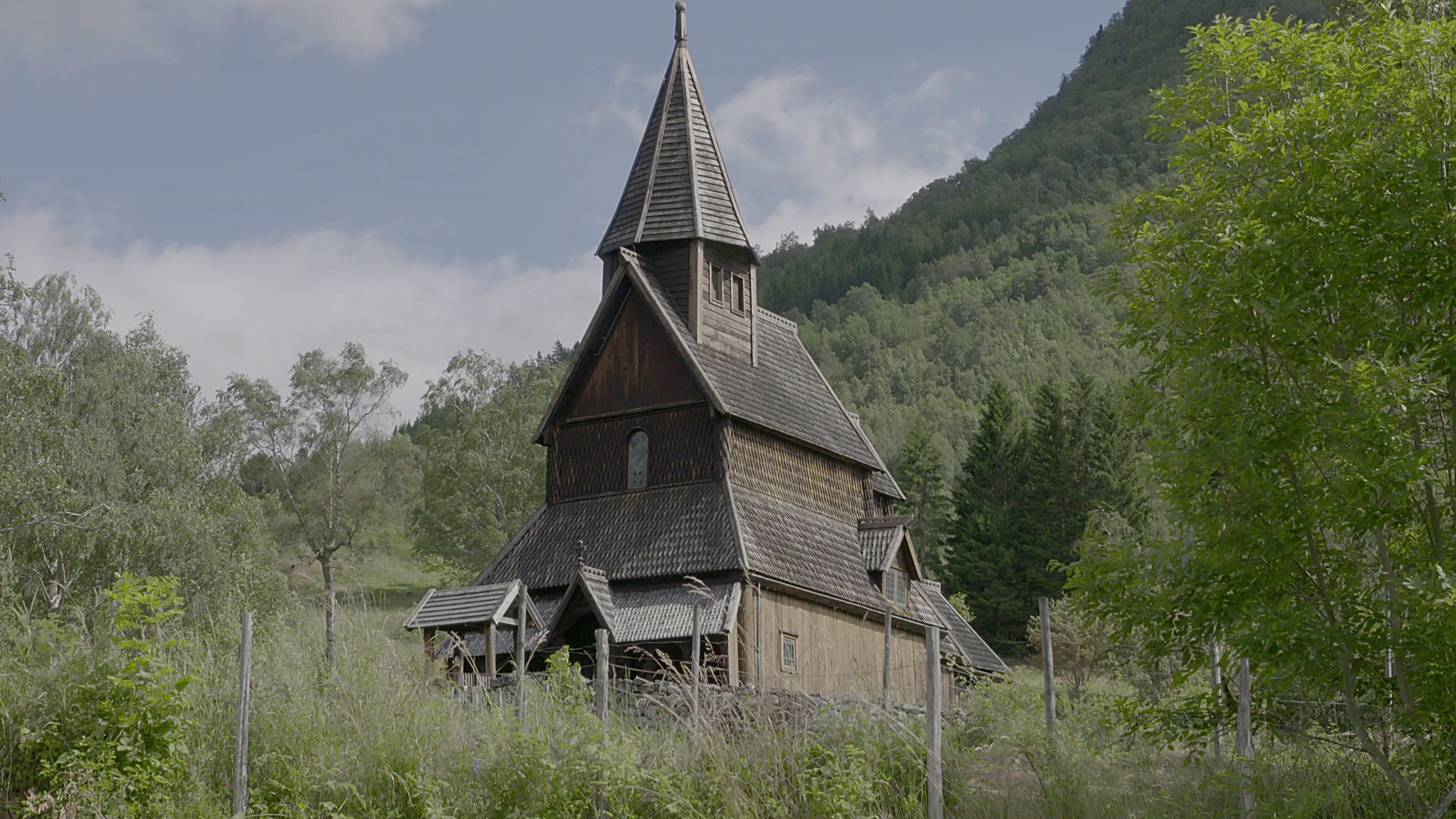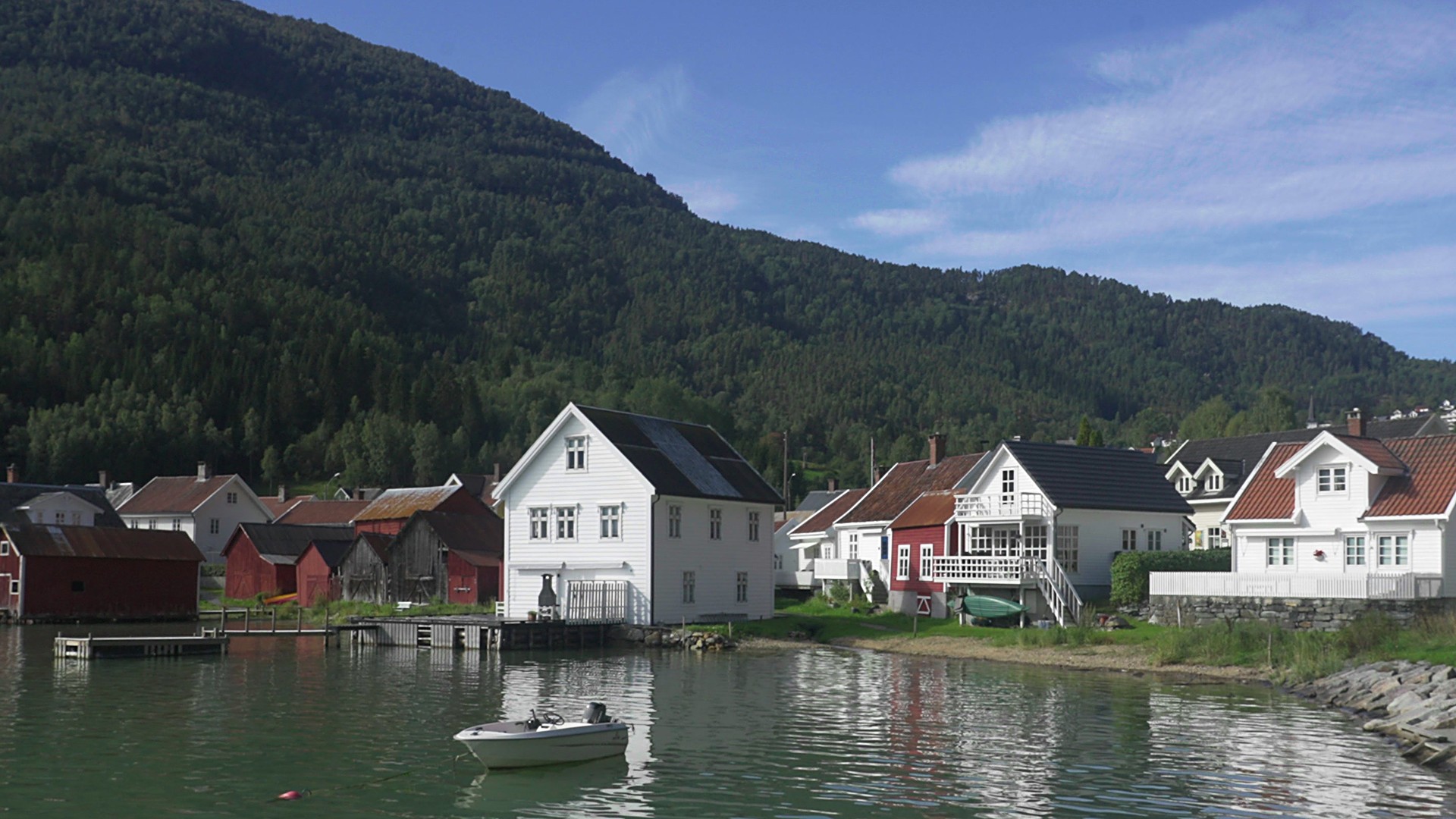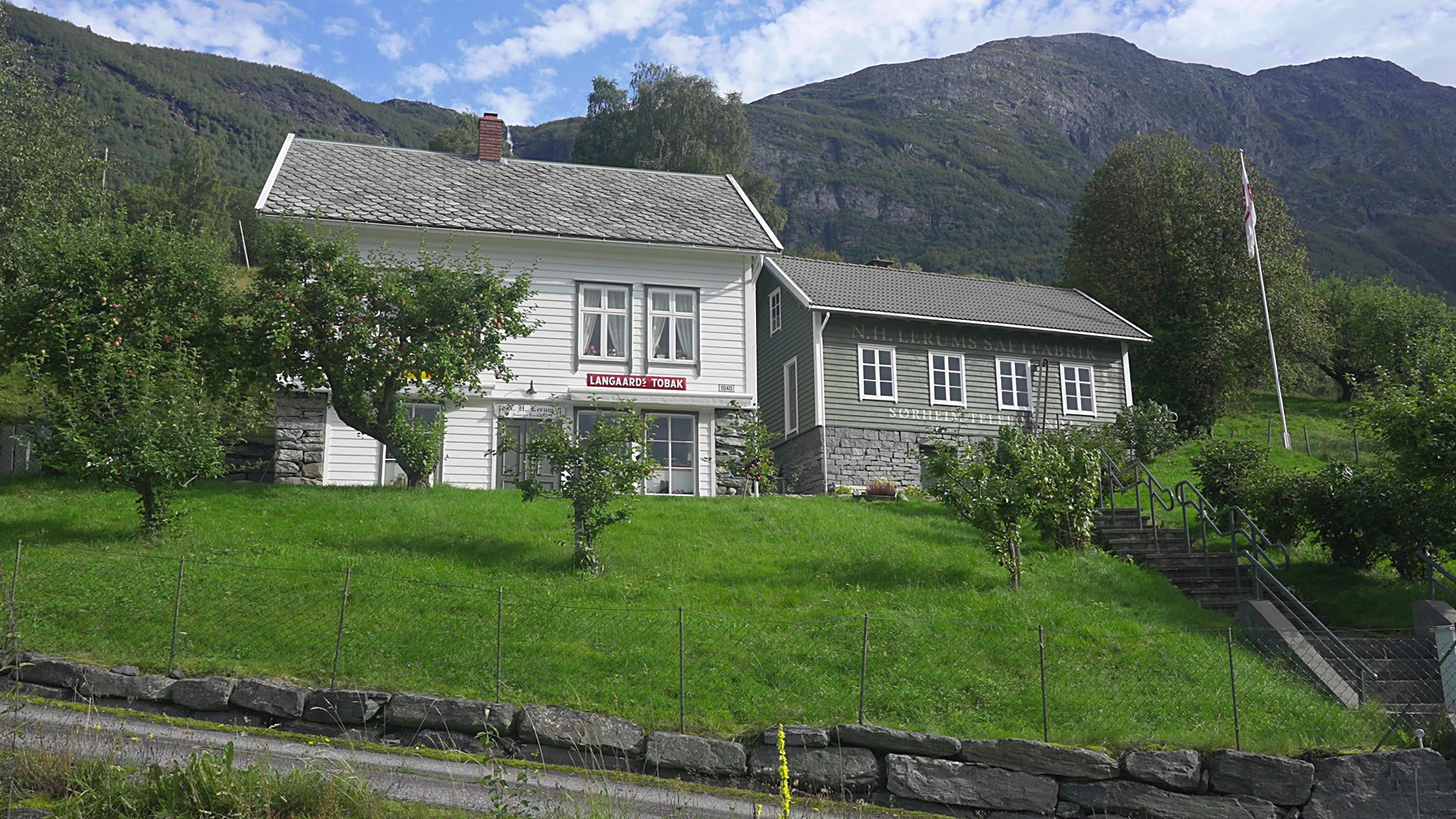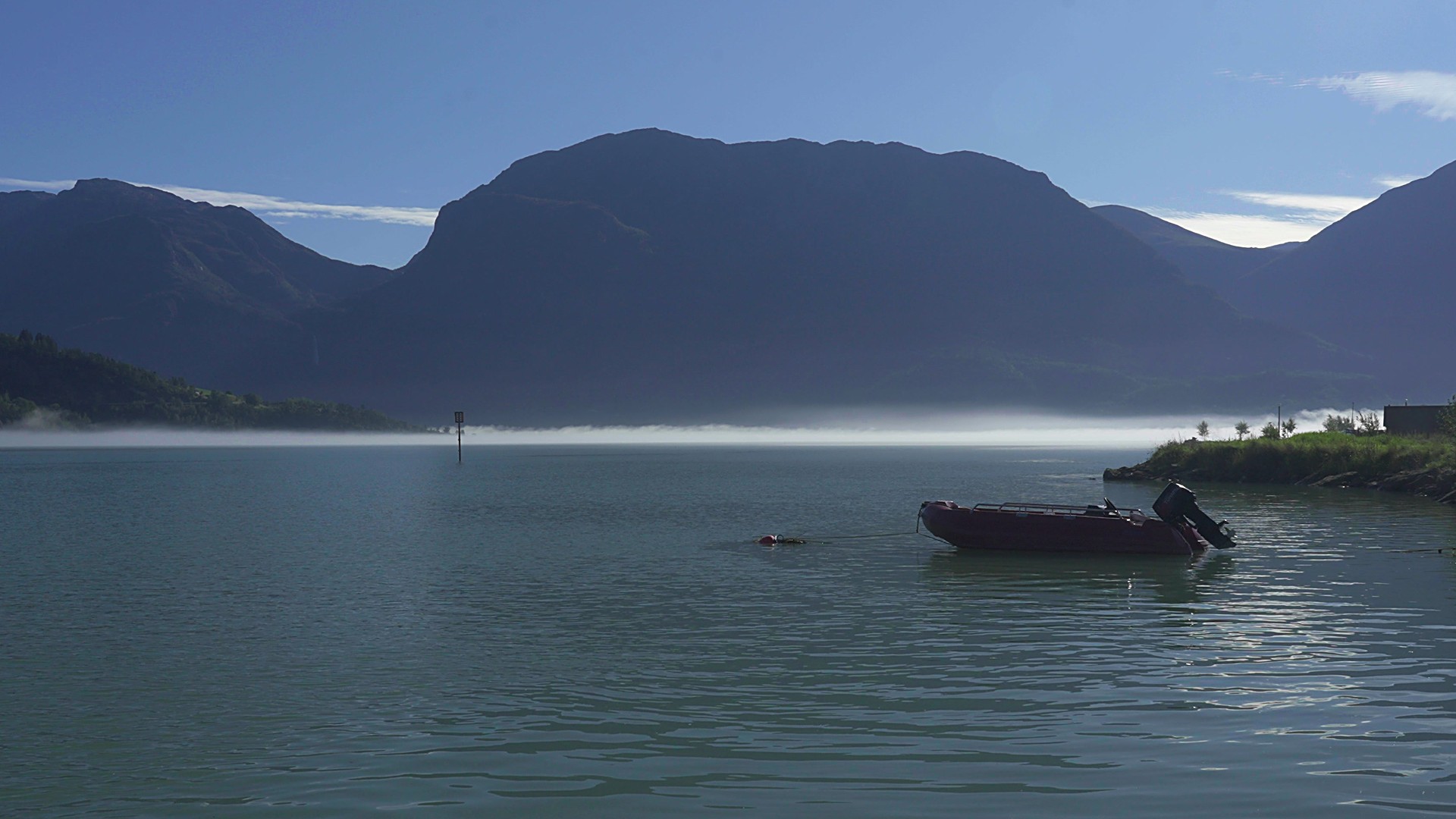
Marifjøra is a tiny fjord village on the Lustrafjorden that looks like it has always been quiet. It has not. First mentioned in 1371, this was the central trading post for the entire inner Sogn region. Bergen merchants ran the trade here from the 1600s, and a guesthouse has operated since 1634, making this one of the oldest hospitality sites in Norway. To get here, you drive Riksveg 603, which at 400 meters is Norway's shortest national road.
In 1858, Marifjøra became a stop on the very first steamship route in Sogn, run by Fylkesbaatane, the country's first county-owned shipping company. By the 1880s this was a proper little town: blacksmiths, tailors, shoemakers, bakers, a dye works famous across Sogn, a sawmill, a grain mill, and a post office. Then in 1963, Gaupne became the new municipal centre and Marifjøra started to fade. The steamship stopped calling in 1995.
The real drama is Tørvis Hotell. The guesthouse got its current name in 1875 and claims to be one of Norway's oldest hotels. It ticked along quietly until 2007, when Oslo investor Rolf Wikborg bought the bankrupt property and poured over 20 million kroner into a total renovation. He filled it with hundreds of antiques from auctions, including a stuffed brown bear that may or may not have been shot in Luster. Then he got ambitious. His company Mountain Fjord planned to build a chain of eight historic fjord hotels. It became a financial nightmare. Over twenty debt collection cases piled up. Wikborg had to sell his Oslo house to keep things afloat. In court, he admitted the hotel had been on the brink of bankruptcy for a long period.
In 2013, three local siblings took over operations. In 2015, Wikborg sold to a new investor. Luster municipality and the local bank each wrote off 2.5 million kroner of debt to give the hotel a chance. It turned a profit, but a year later it was up for sale again. For a while it was marketed under the Pure Hotels brand. At one point the electricity was cut when bills went unpaid, and everything in the freezer rotted. The rooms stood empty for two years. Meanwhile, just down the fjord in Solvorn, the rival Walaker Hotell, run by the same family since 1690, was pulling four million in annual profit and getting Michelin recommendations. In October 2024, a local man who grew up next door took over Tørvis. The hotel is trying again.
And if anyone ever finds a MicroSD card on the ground between the parking area and the hotel entrance: that is ours. We lost it here in 2017. We would like it back.
In 1858, Marifjøra became a stop on the very first steamship route in Sogn, run by Fylkesbaatane, the country's first county-owned shipping company. By the 1880s this was a proper little town: blacksmiths, tailors, shoemakers, bakers, a dye works famous across Sogn, a sawmill, a grain mill, and a post office. Then in 1963, Gaupne became the new municipal centre and Marifjøra started to fade. The steamship stopped calling in 1995.
The real drama is Tørvis Hotell. The guesthouse got its current name in 1875 and claims to be one of Norway's oldest hotels. It ticked along quietly until 2007, when Oslo investor Rolf Wikborg bought the bankrupt property and poured over 20 million kroner into a total renovation. He filled it with hundreds of antiques from auctions, including a stuffed brown bear that may or may not have been shot in Luster. Then he got ambitious. His company Mountain Fjord planned to build a chain of eight historic fjord hotels. It became a financial nightmare. Over twenty debt collection cases piled up. Wikborg had to sell his Oslo house to keep things afloat. In court, he admitted the hotel had been on the brink of bankruptcy for a long period.
In 2013, three local siblings took over operations. In 2015, Wikborg sold to a new investor. Luster municipality and the local bank each wrote off 2.5 million kroner of debt to give the hotel a chance. It turned a profit, but a year later it was up for sale again. For a while it was marketed under the Pure Hotels brand. At one point the electricity was cut when bills went unpaid, and everything in the freezer rotted. The rooms stood empty for two years. Meanwhile, just down the fjord in Solvorn, the rival Walaker Hotell, run by the same family since 1690, was pulling four million in annual profit and getting Michelin recommendations. In October 2024, a local man who grew up next door took over Tørvis. The hotel is trying again.
And if anyone ever finds a MicroSD card on the ground between the parking area and the hotel entrance: that is ours. We lost it here in 2017. We would like it back.