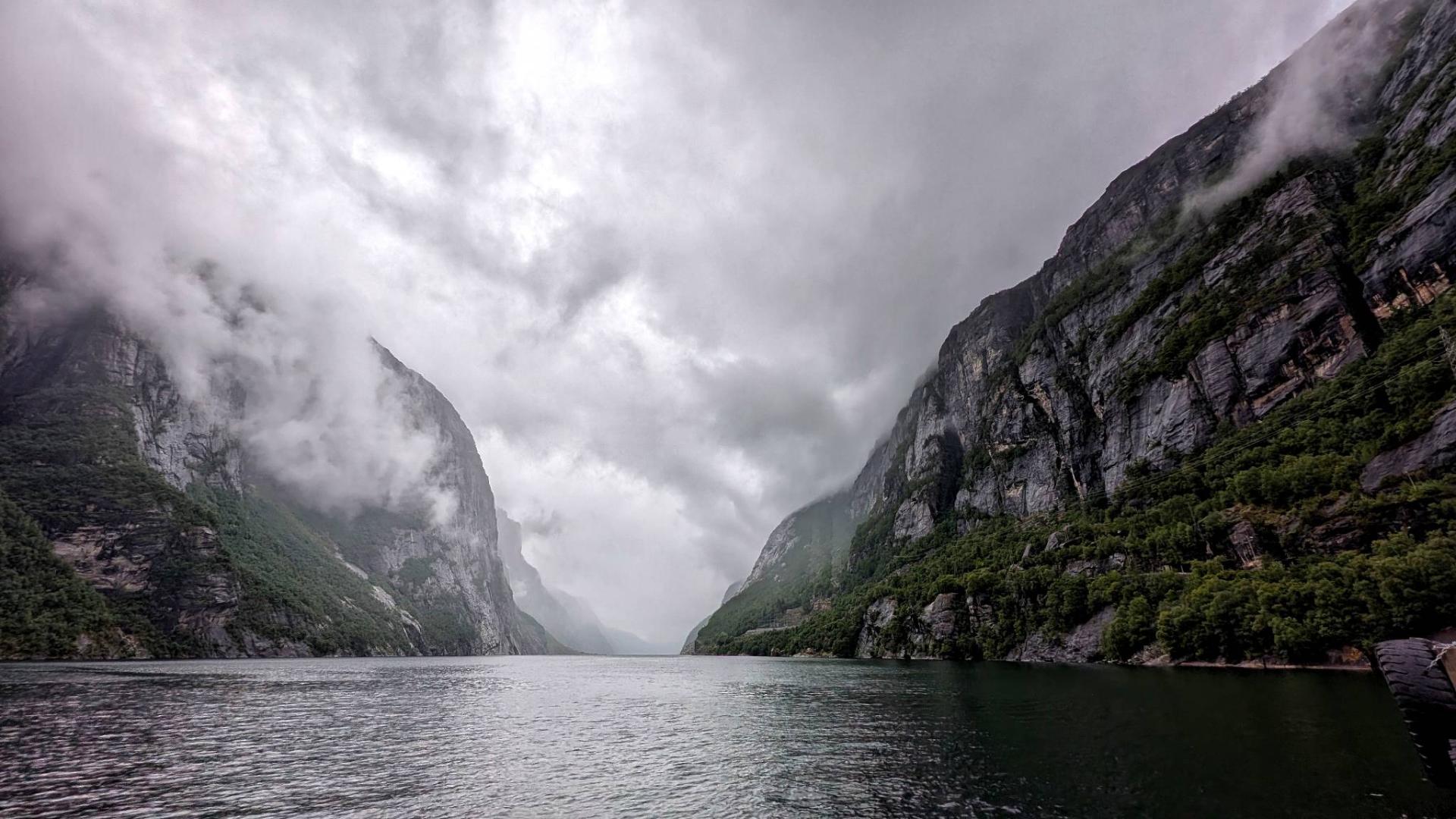
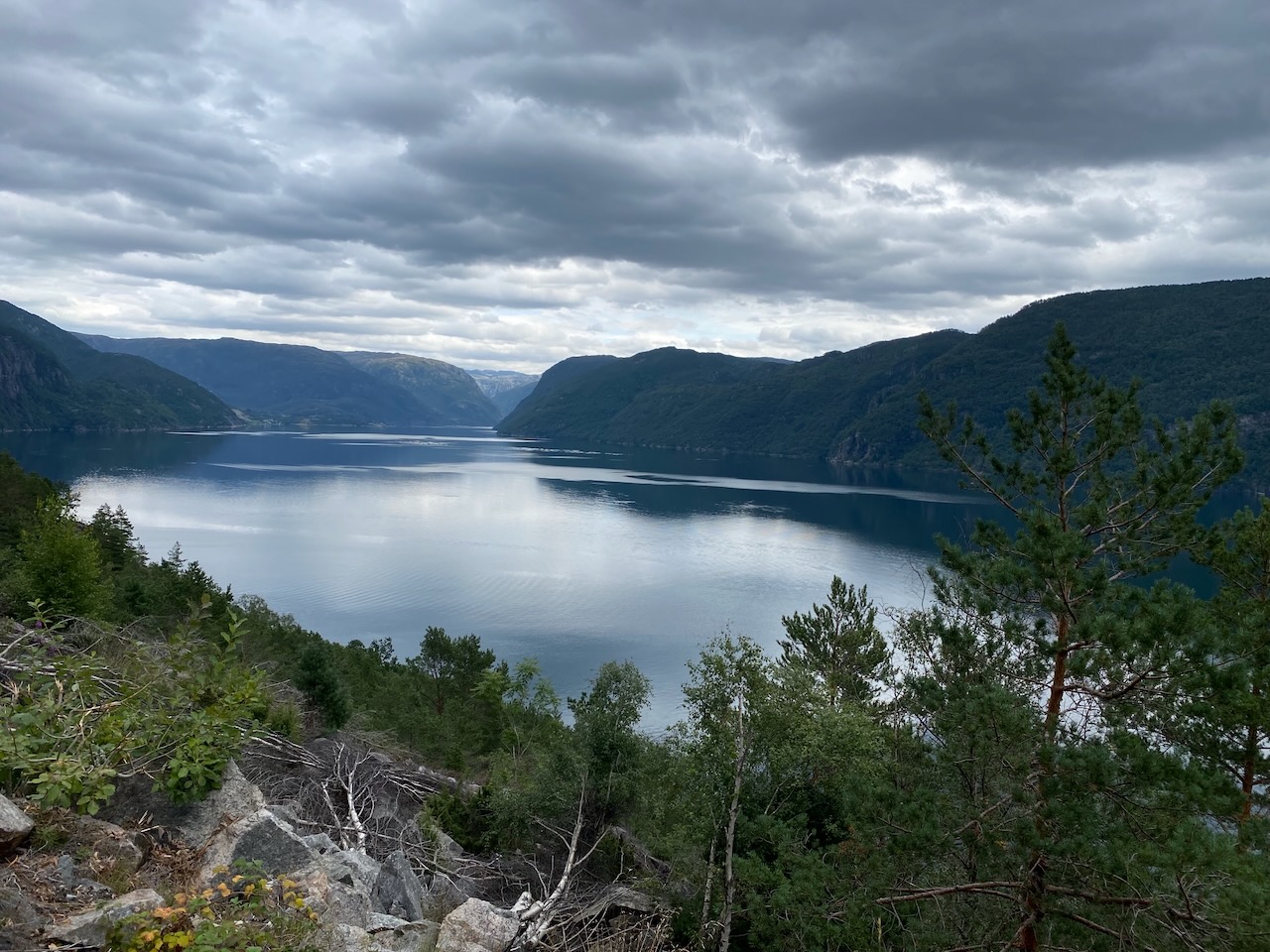
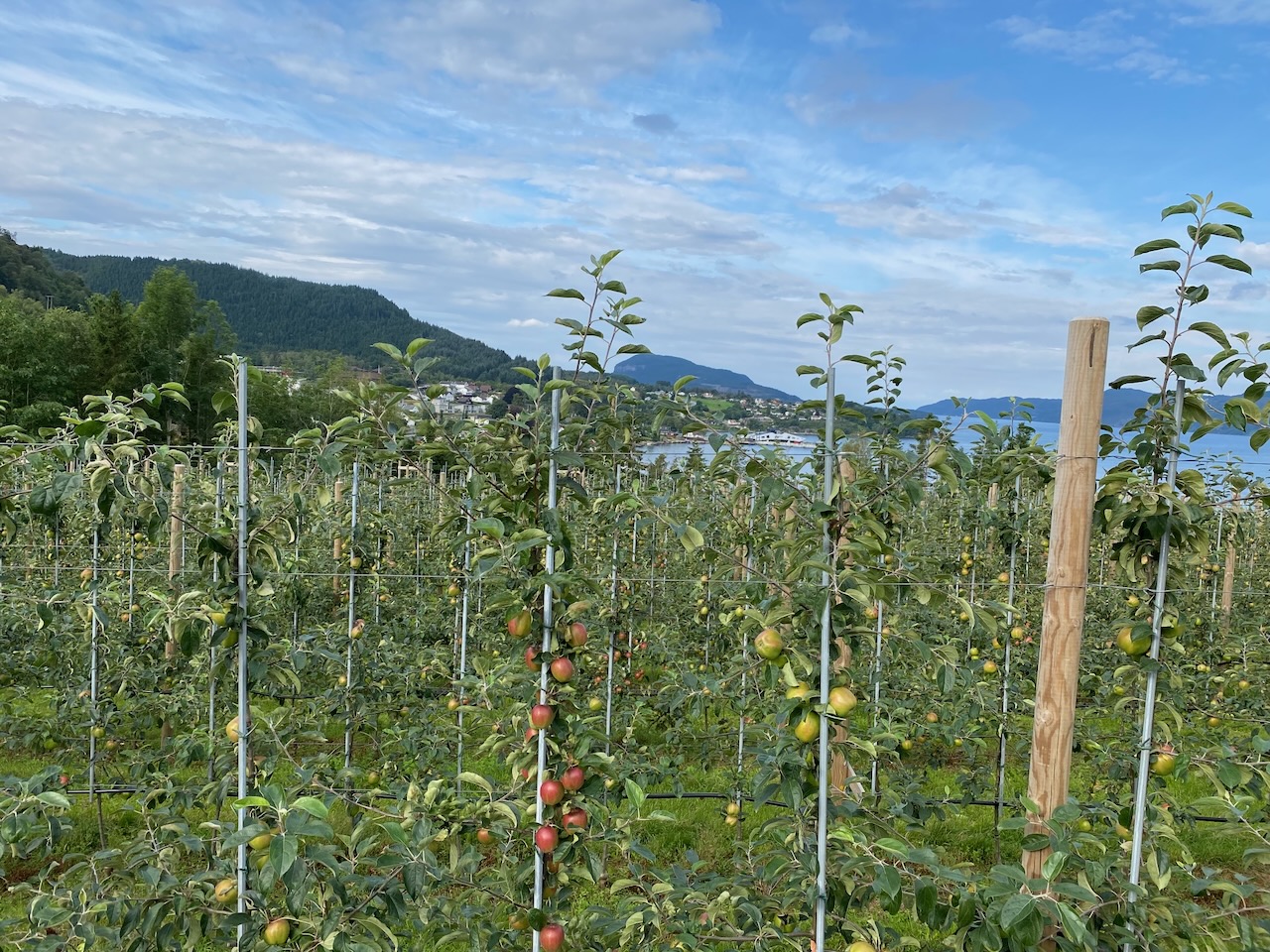
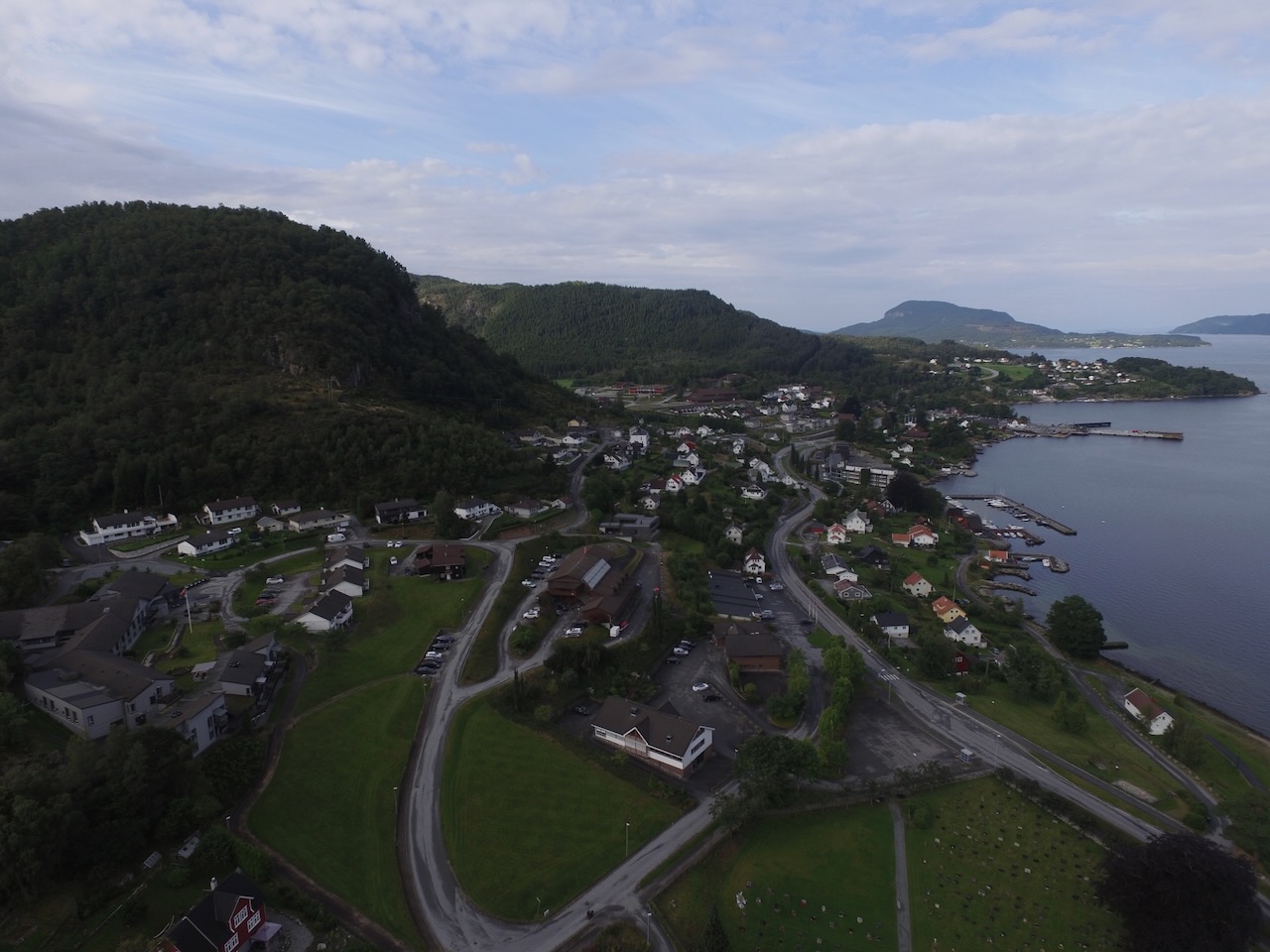
Lysebotn sits at the very end of the Lysefjord, 42 kilometers from the open sea. The name simply means "the bottom of the Lysefjord." As of 2024, nine people live here permanently.
The village exists because of hydropower. The Lysebotn power station and the Tjodan power station are both built inside the surrounding mountains. Most of the few permanent residents work at these plants. But in summer, over 100,000 tourists pass through on their way to Kjerag or arriving by ferry from Forsand.
People have lived here since at least the 1500s, and burial mounds from the Migration Period suggest much earlier habitation. It is hard to imagine how isolated this place was before the road was built.
The only road in is Lysevegen, a spectacular mountain road that drops nearly 900 meters through 27 hairpin turns, including a long spiral tunnel inside the mountain. The road is closed in winter. The alternative is the ferry from Forsand, which runs year-round.
The village exists because of hydropower. The Lysebotn power station and the Tjodan power station are both built inside the surrounding mountains. Most of the few permanent residents work at these plants. But in summer, over 100,000 tourists pass through on their way to Kjerag or arriving by ferry from Forsand.
People have lived here since at least the 1500s, and burial mounds from the Migration Period suggest much earlier habitation. It is hard to imagine how isolated this place was before the road was built.
The only road in is Lysevegen, a spectacular mountain road that drops nearly 900 meters through 27 hairpin turns, including a long spiral tunnel inside the mountain. The road is closed in winter. The alternative is the ferry from Forsand, which runs year-round.