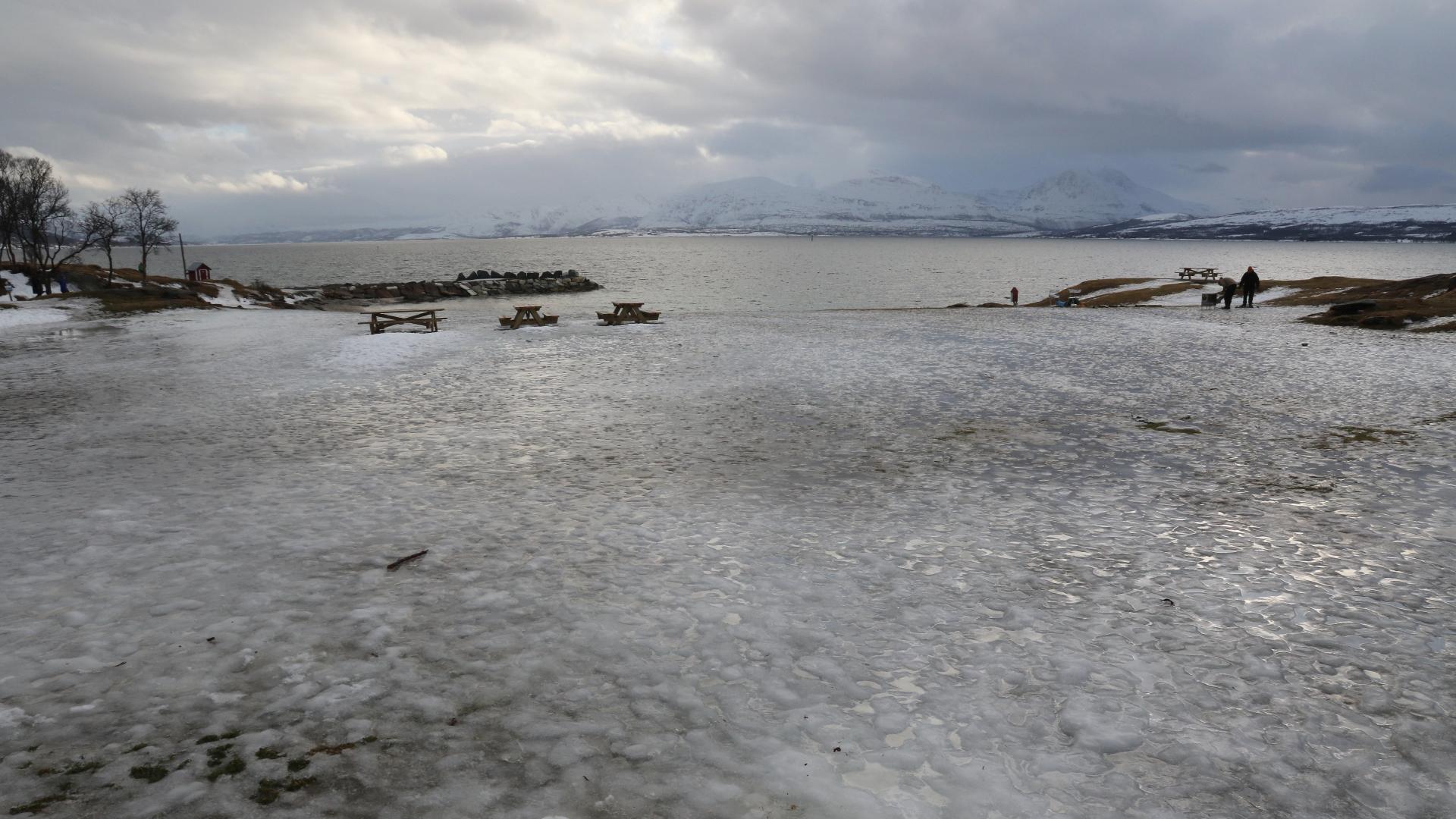
The Lyngen Alps are a mountain range about 90 km long and 15 to 20 km wide on the Lyngen peninsula, roughly 70 km east of Tromsø. The highest peak, Jiehkkevárri, reaches 1,833 metres, the tallest in Troms county. The range has 140 glaciers covering about 141 square kilometres.
These are serious mountains. Alpine character, steep faces, crevassed glaciers. The area is internationally known for ski touring in spring, when thousands of skiers arrive for the combination of steep terrain, deep snow, and long daylight. But this is expert territory, and the mountains are unforgiving.
Avalanches are a major and recurring problem. In 2022, twelve people were killed or badly injured by avalanches in Troms county alone, including a group of five caught at Erikaksla in the Lyngen Alps and three French tourists who died in a separate avalanche in Lyngen municipality. In 2023, an Italian skier was killed and two others injured in another Lyngen avalanche. Over the last 20 years, Troms and Finnmark account for nearly half of all avalanche fatalities in Norway: 45 out of 112, with foreigners heavily overrepresented. The snow conditions in this region are complex and often differ from what visitors know from the Alps or other Scandinavian areas, making local knowledge essential.
For non-mountaineers, the best way to experience the Lyngen Alps is to drive along the Lyngenfjord on the E6. The views of the range rising directly from the fjord are dramatic, especially in winter light or at sunset. Several viewpoints along the road offer good photo opportunities without leaving the car.
The area was designated a landscape reserve in 2004. It is a day trip from Tromsø, but serious mountaineering or ski touring requires local knowledge, proper avalanche safety equipment, and ideally a certified guide. Always check the avalanche forecast on varsom.no before heading into the mountains.
These are serious mountains. Alpine character, steep faces, crevassed glaciers. The area is internationally known for ski touring in spring, when thousands of skiers arrive for the combination of steep terrain, deep snow, and long daylight. But this is expert territory, and the mountains are unforgiving.
Avalanches are a major and recurring problem. In 2022, twelve people were killed or badly injured by avalanches in Troms county alone, including a group of five caught at Erikaksla in the Lyngen Alps and three French tourists who died in a separate avalanche in Lyngen municipality. In 2023, an Italian skier was killed and two others injured in another Lyngen avalanche. Over the last 20 years, Troms and Finnmark account for nearly half of all avalanche fatalities in Norway: 45 out of 112, with foreigners heavily overrepresented. The snow conditions in this region are complex and often differ from what visitors know from the Alps or other Scandinavian areas, making local knowledge essential.
For non-mountaineers, the best way to experience the Lyngen Alps is to drive along the Lyngenfjord on the E6. The views of the range rising directly from the fjord are dramatic, especially in winter light or at sunset. Several viewpoints along the road offer good photo opportunities without leaving the car.
The area was designated a landscape reserve in 2004. It is a day trip from Tromsø, but serious mountaineering or ski touring requires local knowledge, proper avalanche safety equipment, and ideally a certified guide. Always check the avalanche forecast on varsom.no before heading into the mountains.