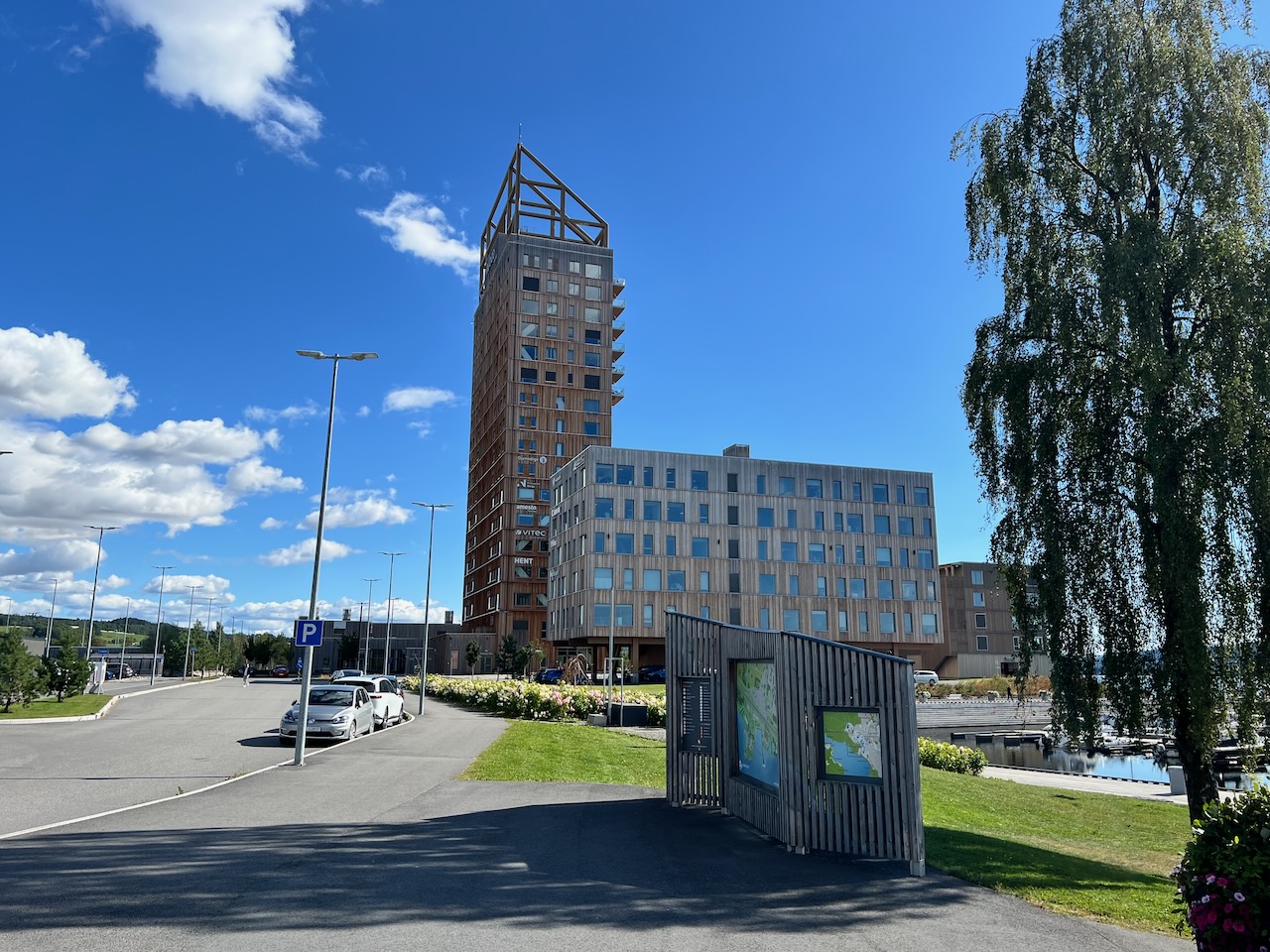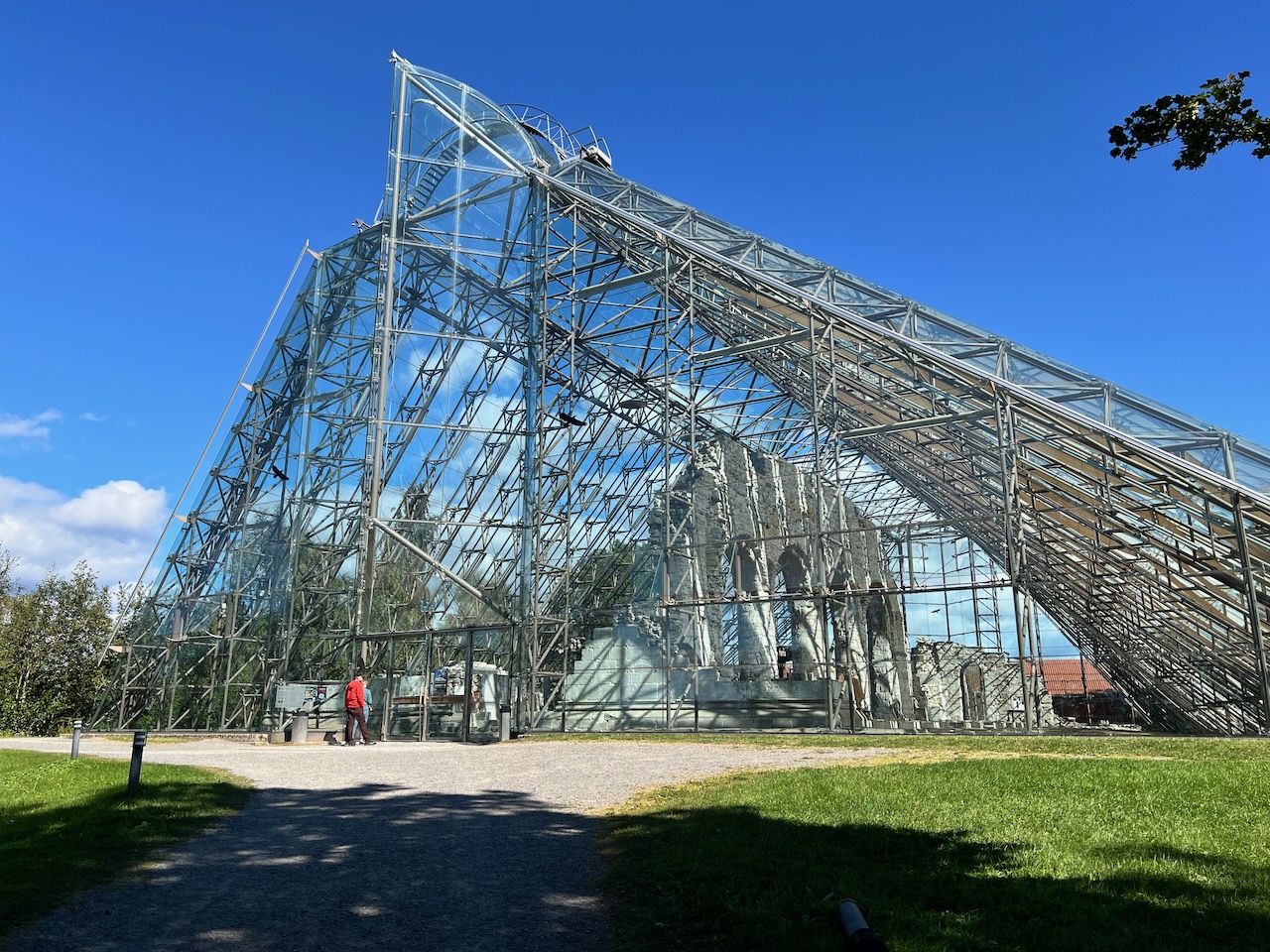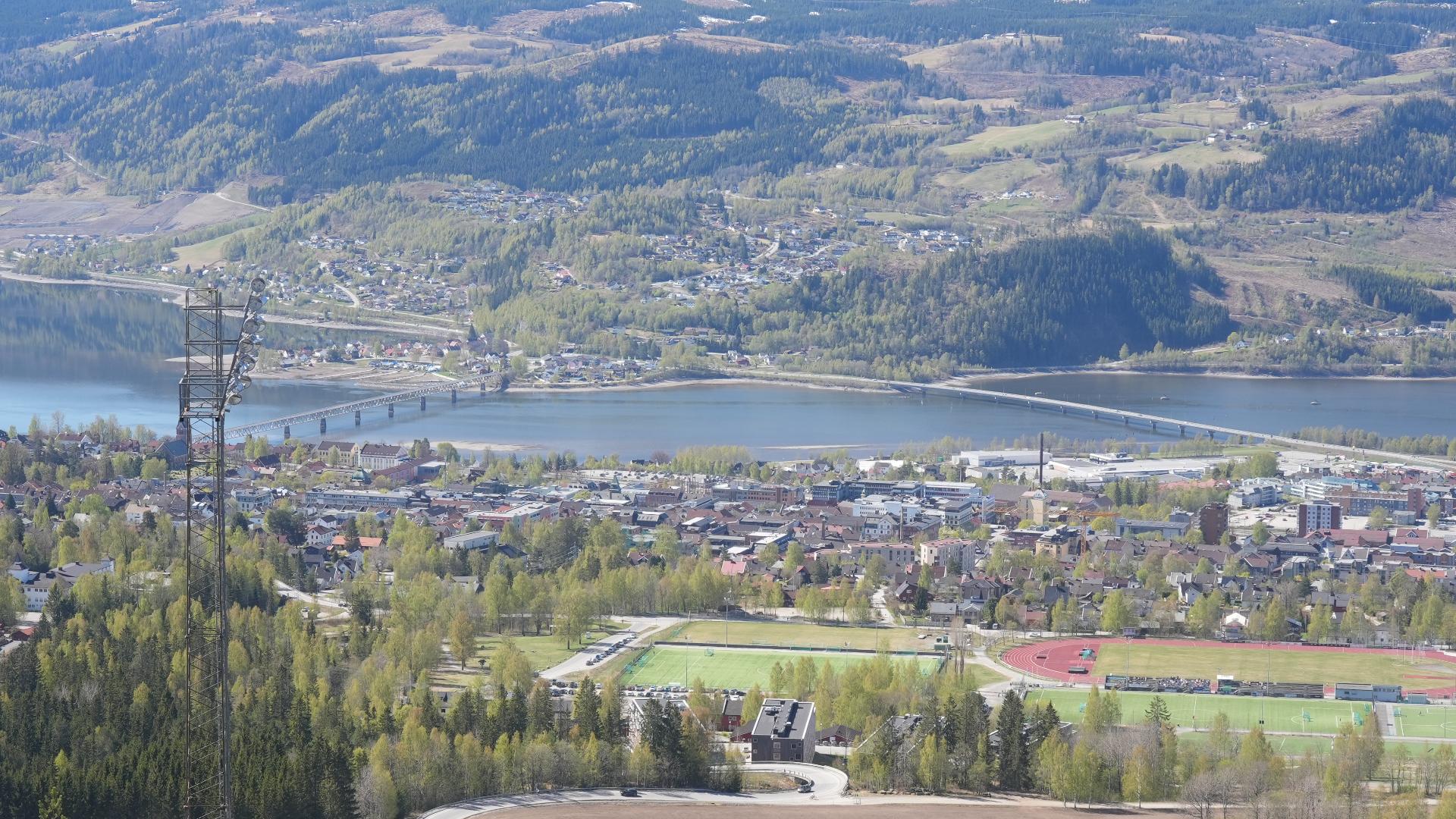
Lillehammer is a town at the northern end of Mjøsa with about 21,000 inhabitants. It is probably Norway's most famous small town, thanks to the 1994 Winter Olympics, which IOC president Samaranch called "the best Winter Games ever." Norwegians tend to agree. But Lillehammer has a history that goes back much further than 1994.
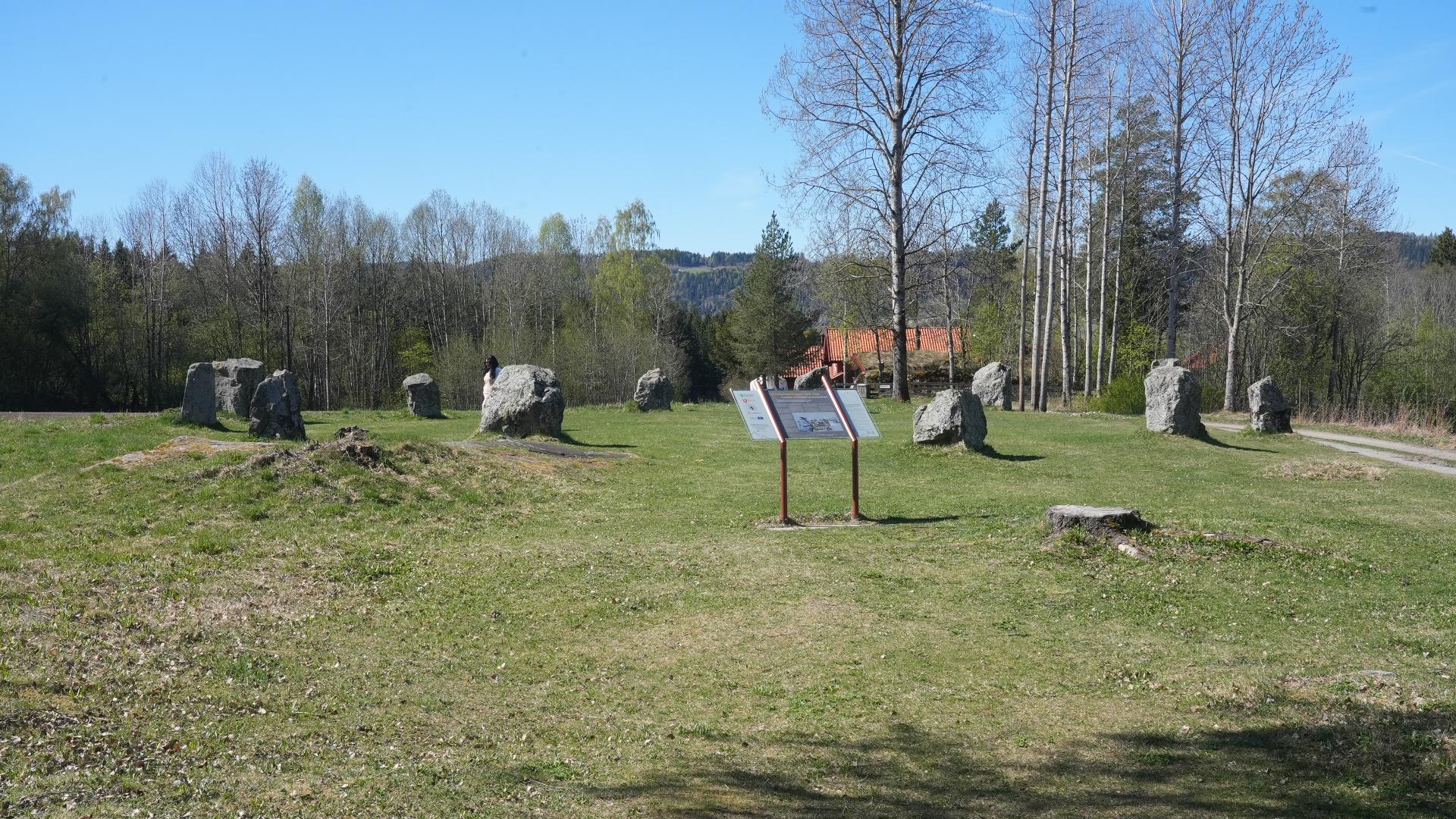
The name means "little Hammer" - distinguishing it from the larger town of Hamar further south. Medieval documents from 1390 refer to the place as "Litlikaupangr," the little trading place. There has been settlement here since the Stone Age - rock carvings at Drotten dating from around 2000 BC show elk figures, probably made to ensure successful hunts.
The town got trading rights on 7 August 1827, when only about 50 people lived here. A town planner named Buchholz designed a strict grid pattern with two long streets and ten cross streets. Within two years the population had grown to 360 as merchants and craftsmen moved in. The river Mesna, which runs through the town, powered the mills and factories that followed.
What you see today in the centre is remarkably well preserved. The main street, Storgata - now a pedestrian zone - is lined with two-storey wooden houses from the late 1800s with pitched roofs and bay windows. Norwegians call it the country's longest small-town street. During the 1994 Olympics, it became so crowded that locals renamed it "Stågata" - the standing-still street.
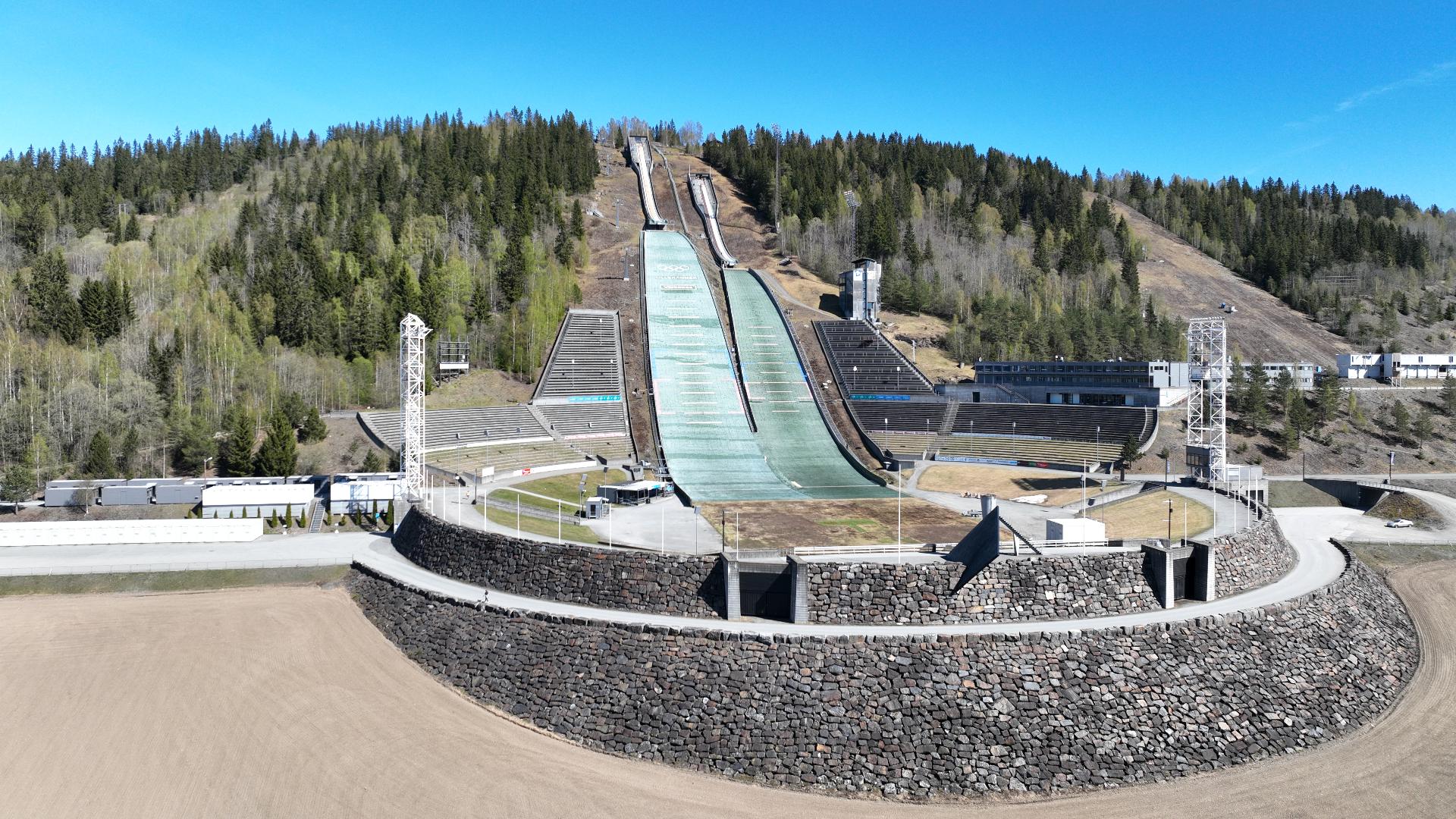
The Olympics transformed Lillehammer. From 12 to 27 February 1994, the world watched as Norway won 26 medals - 10 of them gold. Bjørn Dæhlie became a national hero in cross-country skiing, needing police escort just to reach the stadium because of the crowds. The opening ceremony at Lysgårdsbakkene was watched by a billion people worldwide.
But the town's connection to skiing goes back much further. In 1206, during Norway's civil war, two Birkebeiner warriors carried the infant prince Håkon Håkonsson on skis over the mountains from Lillehammer to safety in Østerdalen. This legendary journey is commemorated every March in the Birkebeinerrennet, a 54-kilometre cross-country ski race from Rena to Lillehammer. All participants must carry a 3.5 kg backpack - symbolising the weight of the young prince. The race started in 1932 and now attracts around 16,000 participants.
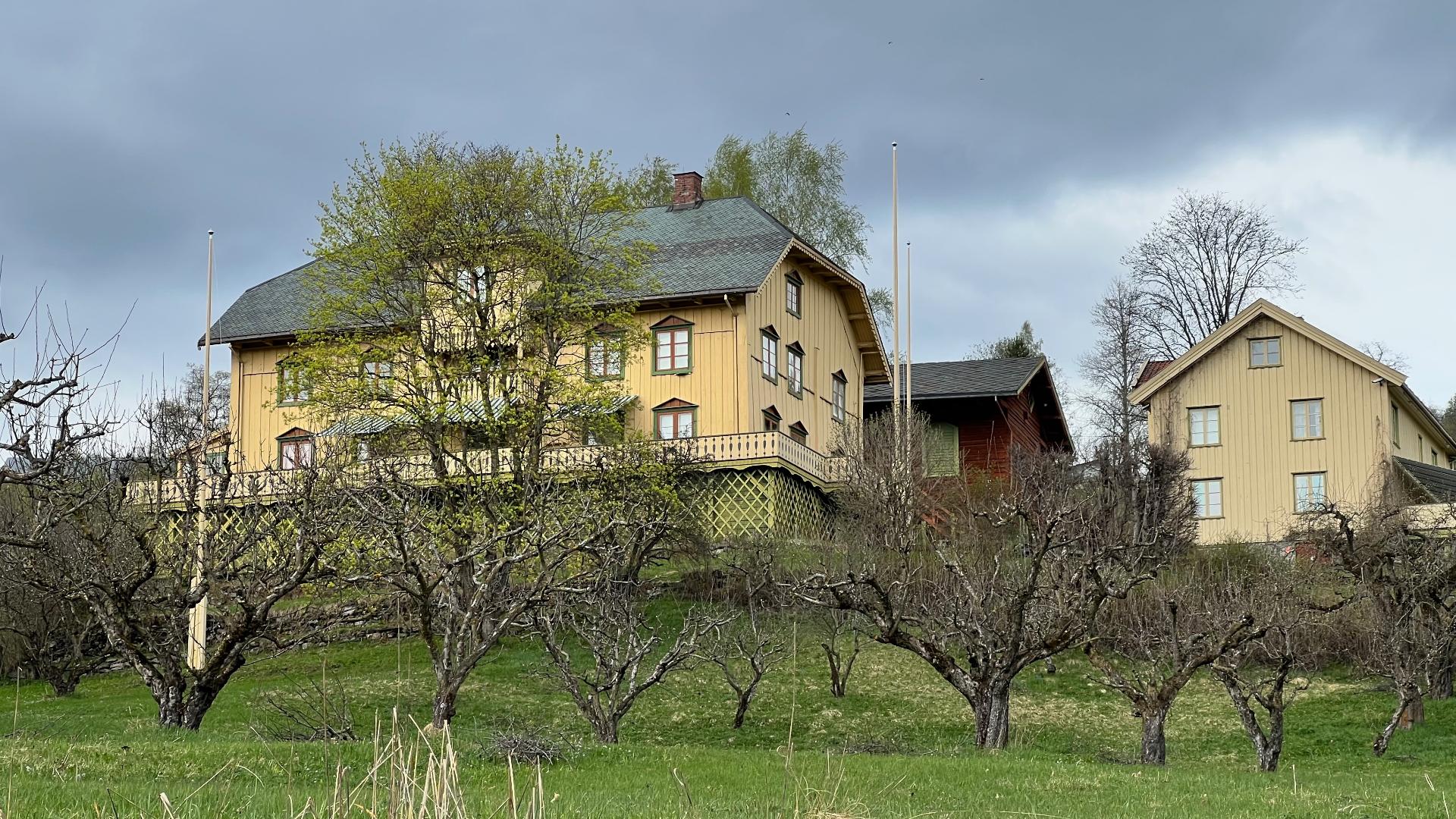
Lillehammer is also a UNESCO City of Literature, partly thanks to Sigrid Undset, who won the Nobel Prize in Literature in 1928. She lived at Bjerkebæk just outside town, and her home can be visited.
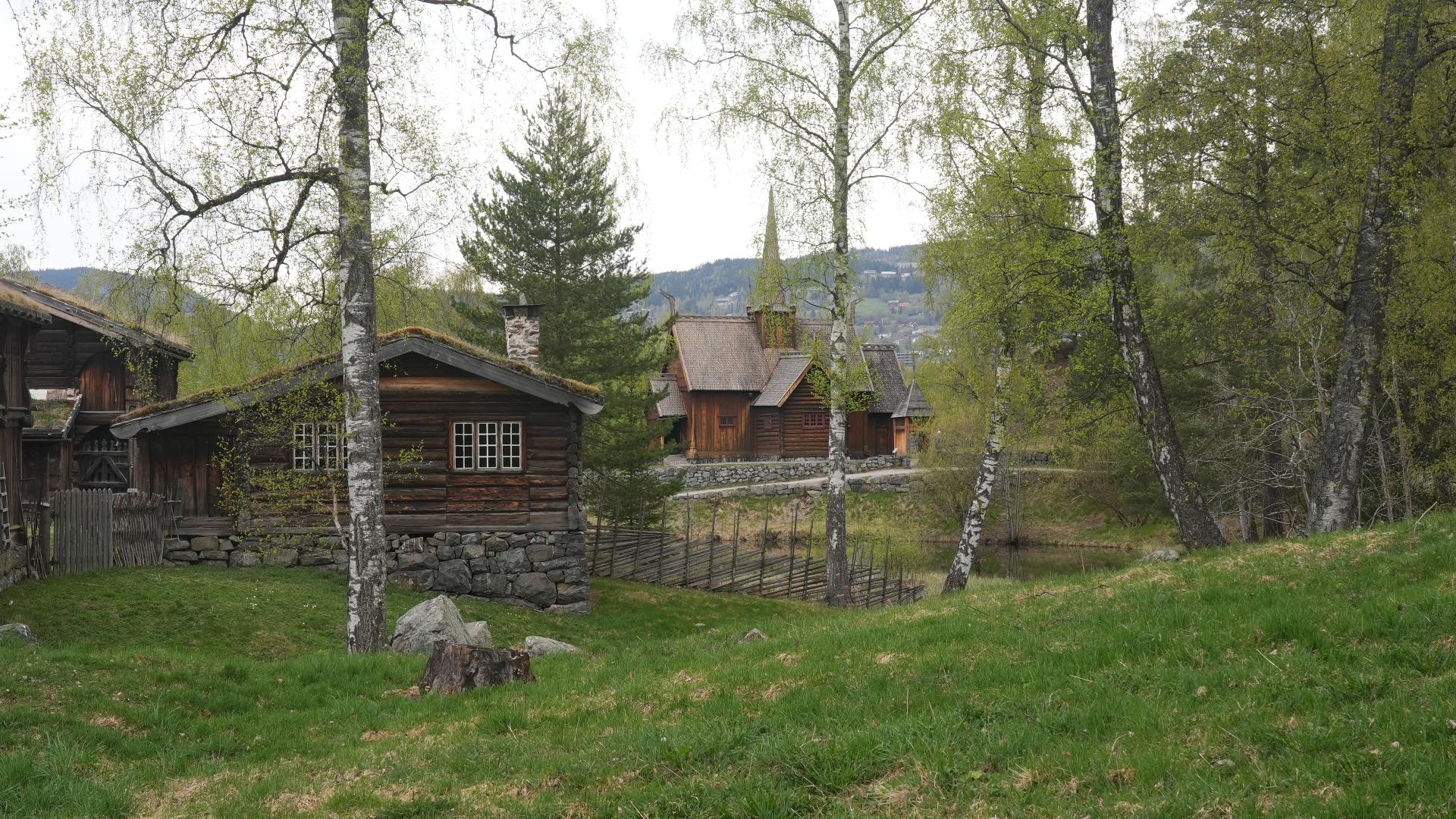
The Olympic facilities remain in active use. You can take the chairlift up Lysgårdsbakkene and watch ski jumpers training year-round. At Hunderfossen, north of town, you can ride the bobsled track at 100 kilometres per hour. And Maihaugen, Norway's largest open-air museum, is reason enough to spend a whole day here.
If you are driving north towards Trondheim, Lillehammer is worth more than a quick stop. This is where Gudbrandsdalen begins - the long valley that will take you through some of Norway's most dramatic mountain scenery.