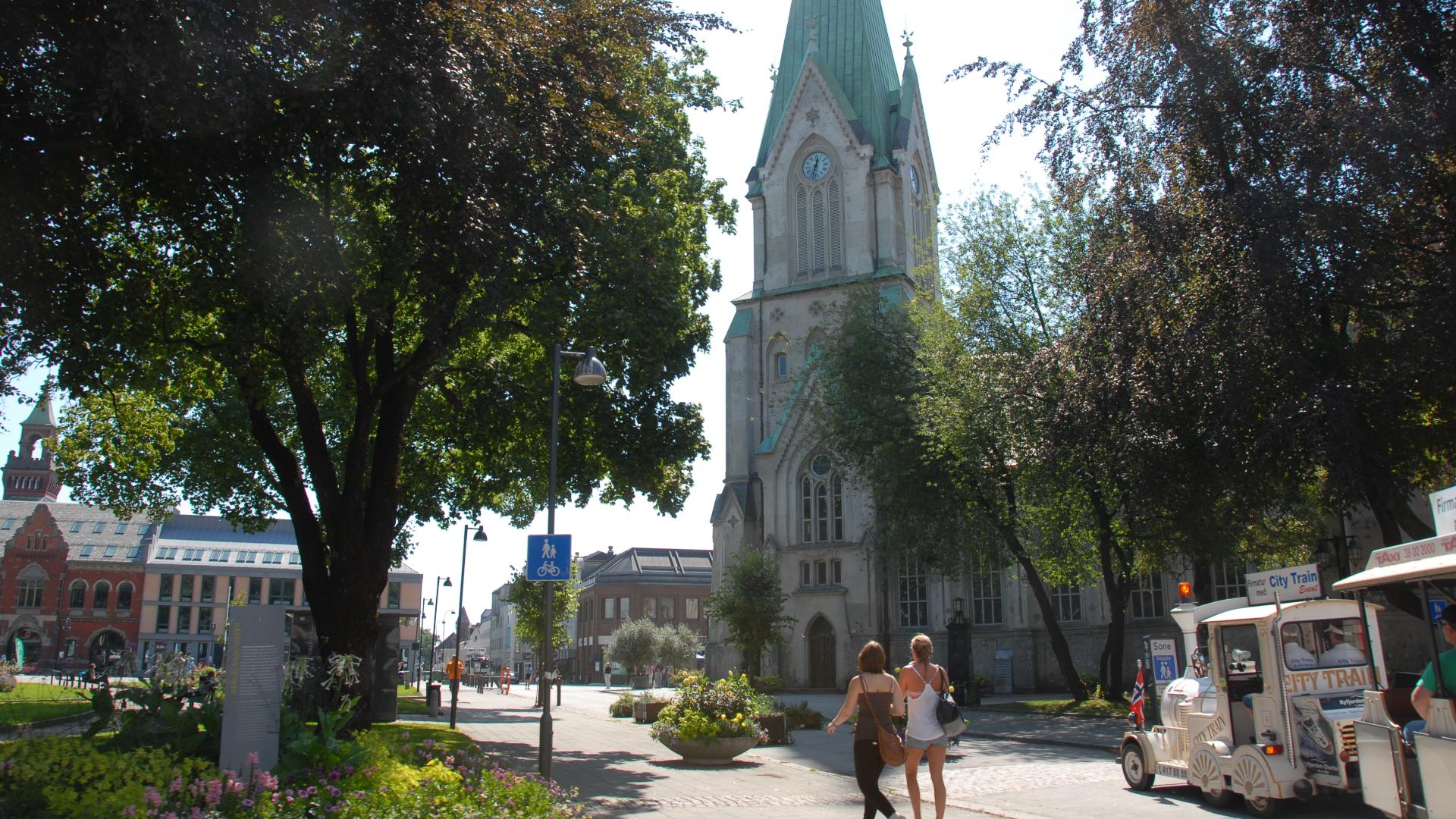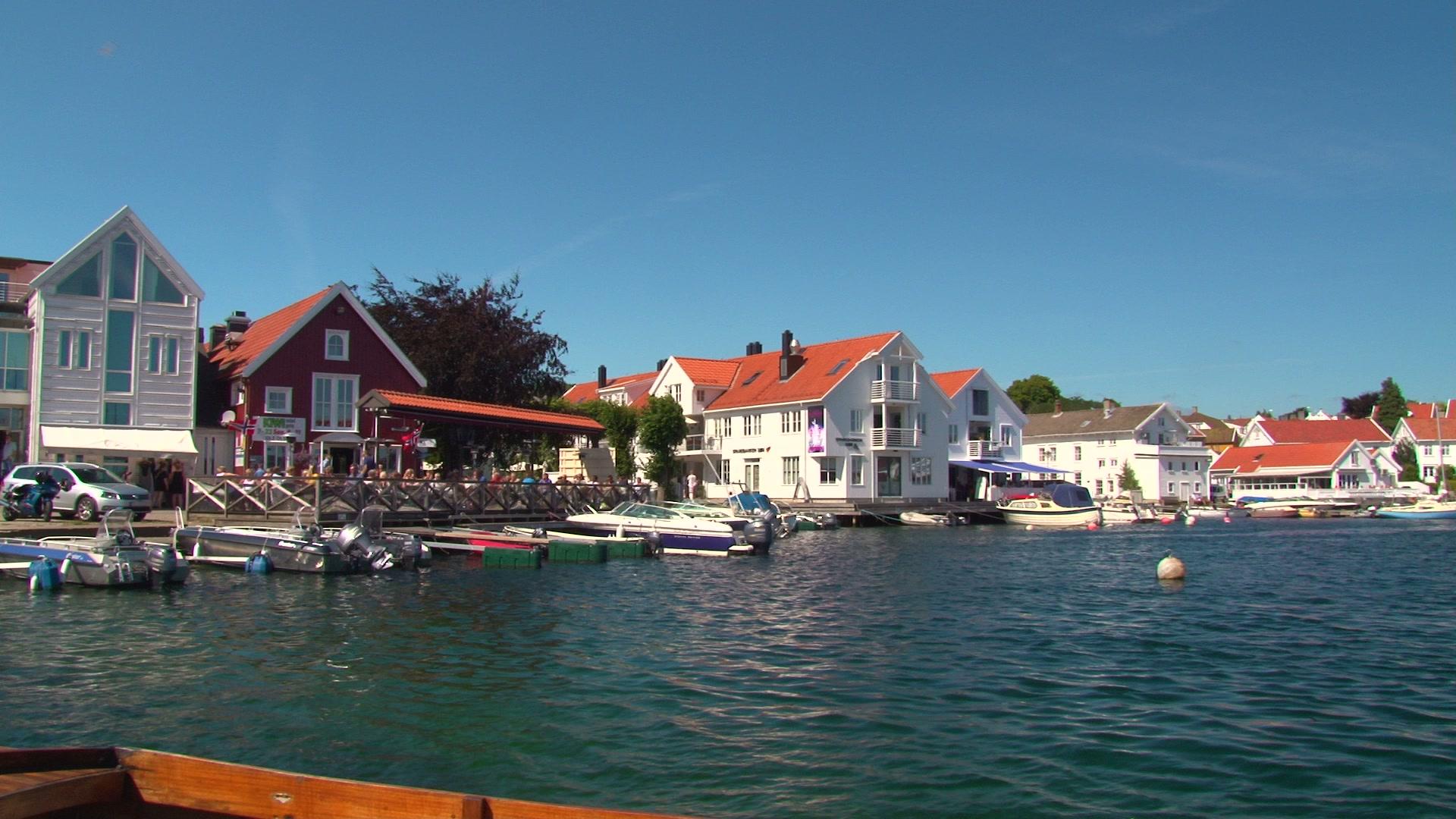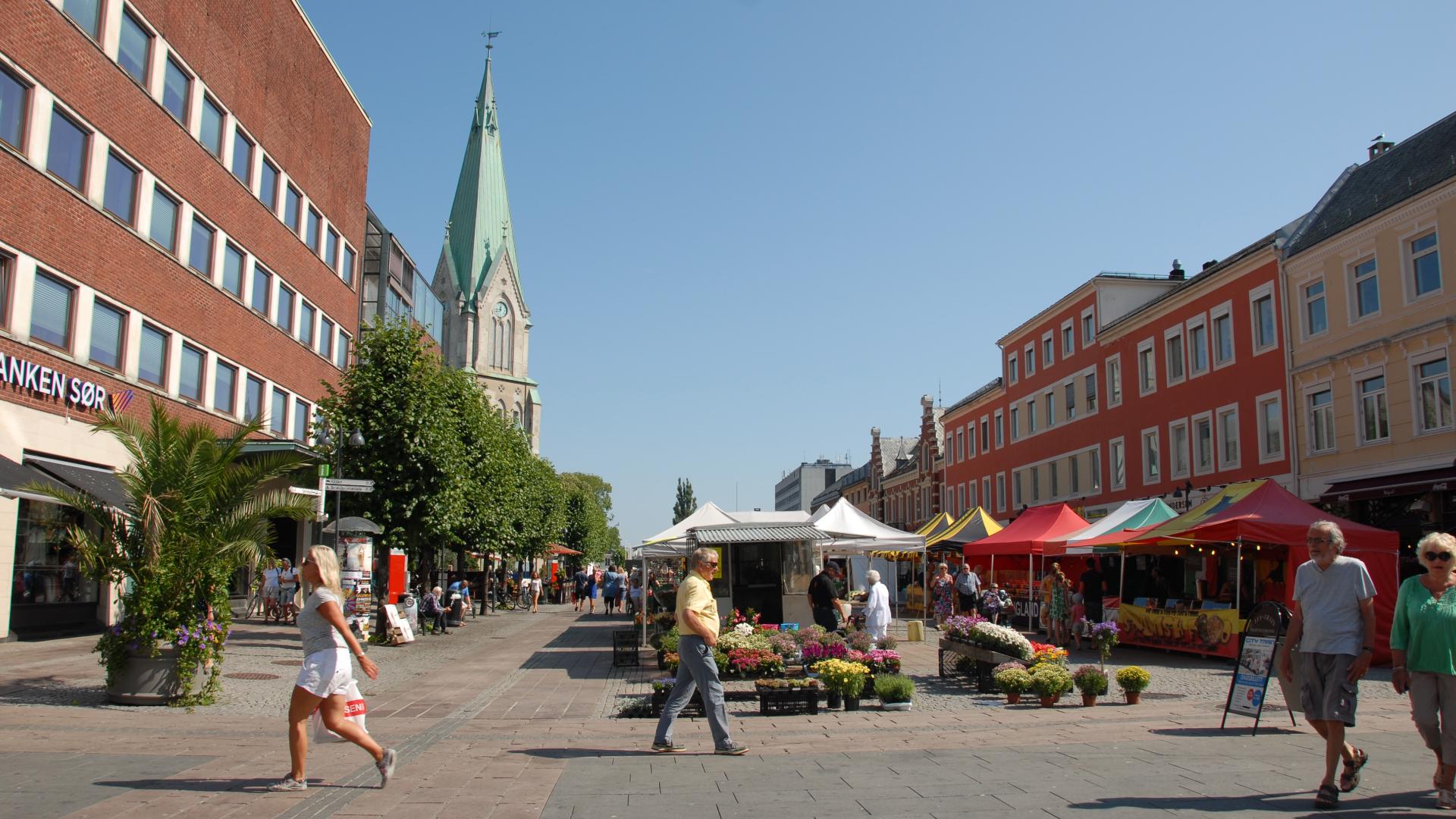
Kristiansand is the largest city on the south coast and Norway's unofficial summer capital. Founded by King Christian IV in 1641 on a strict grid plan known as Kvadraturen, it is a city that comes fully alive between June and August, when the population swells and the harbour, beaches, and outdoor restaurants fill up.
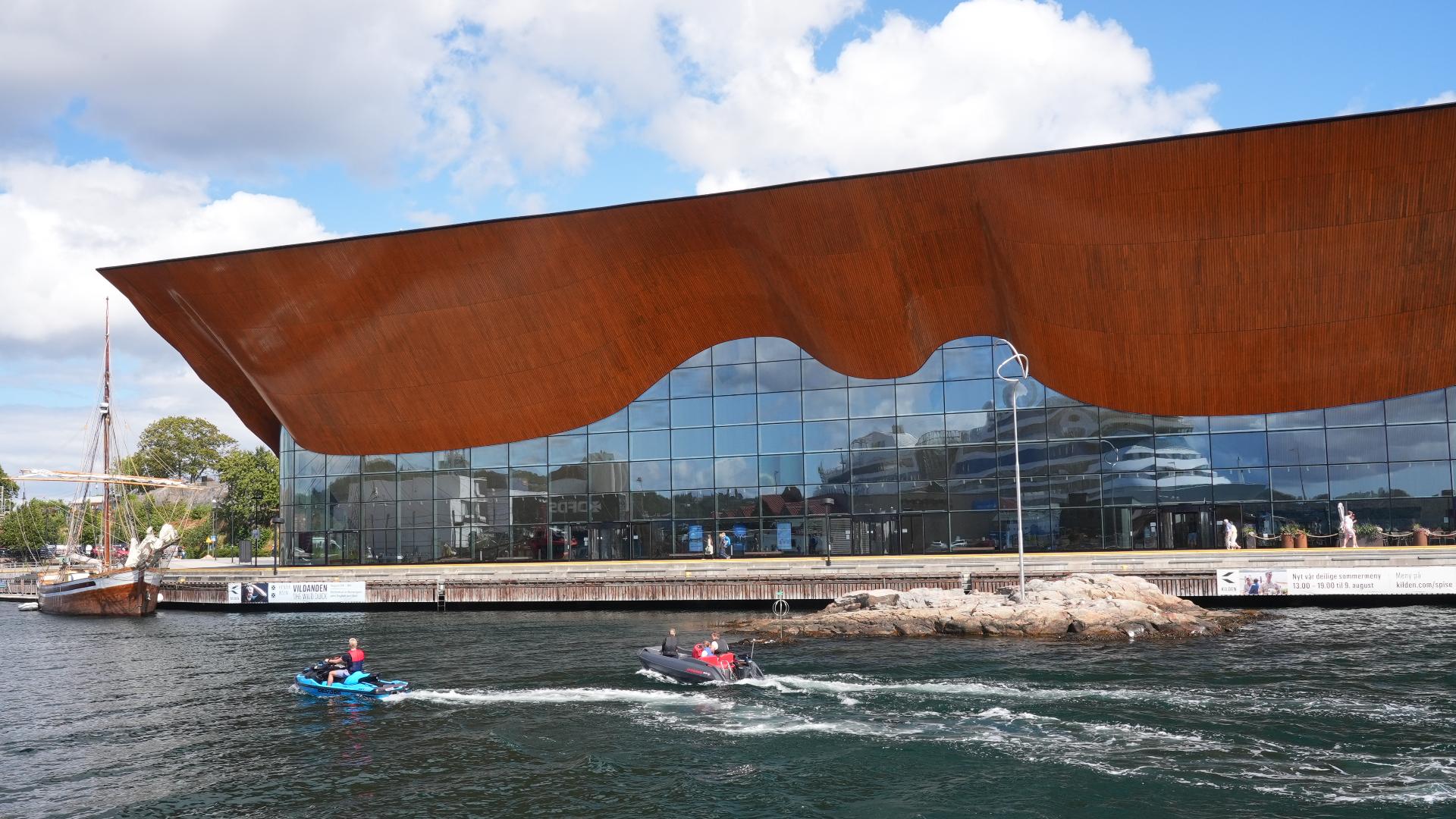
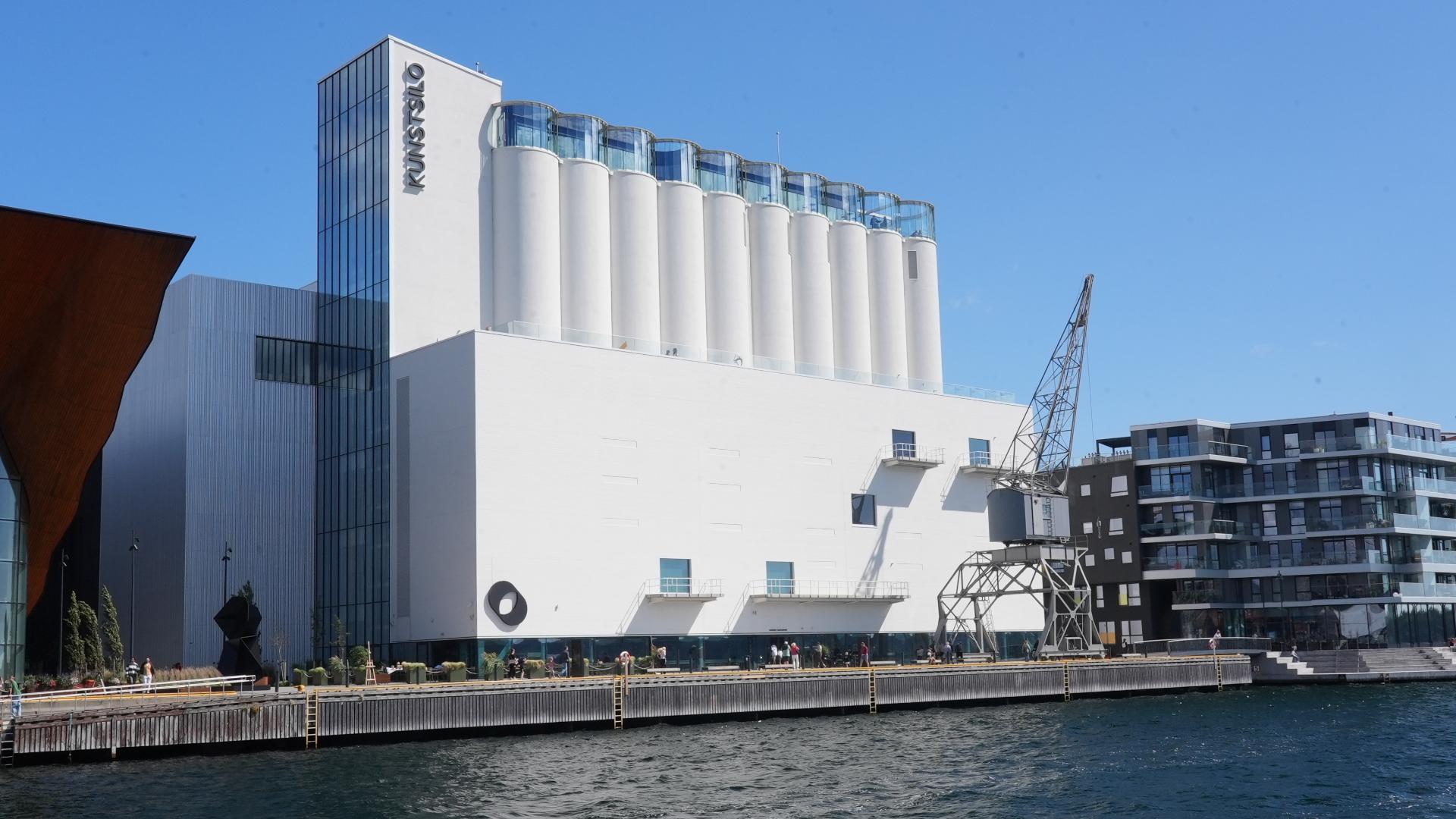
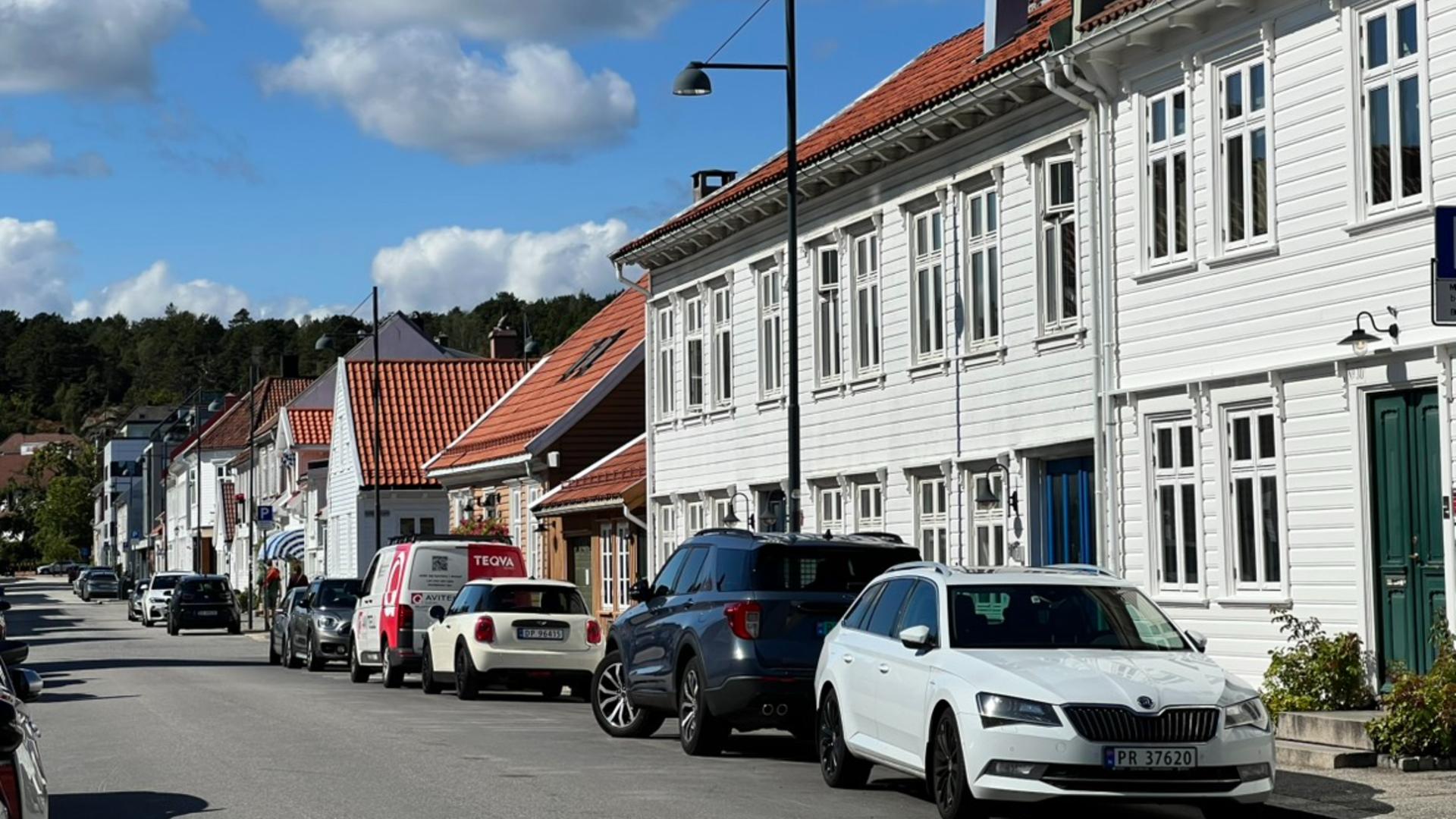
The city has transformed in recent years. Kunstsilo, a former grain silo converted into one of Europe's most striking art museums, opened in 2024 and holds the world's largest collection of Nordic modernist art. Next door stands Kilden, the performing arts centre. Together they form a new cultural waterfront alongside Fiskebrygga, the fish market quarter. The old town of Posebyen, Scandinavia's largest surviving wooden quarter, offers a quieter contrast.
Beyond the city itself, the Kristiansand Dyrepark is Norway's most visited family attraction, and the coastline in both directions offers islands, beaches, and the sheltered waterway of the Blindleia. Kristiansand works well both as a destination in its own right and as a base for exploring the wider Sørlandet coast.
The city has transformed in recent years. Kunstsilo, a former grain silo converted into one of Europe's most striking art museums, opened in 2024 and holds the world's largest collection of Nordic modernist art. Next door stands Kilden, the performing arts centre. Together they form a new cultural waterfront alongside Fiskebrygga, the fish market quarter. The old town of Posebyen, Scandinavia's largest surviving wooden quarter, offers a quieter contrast.
Beyond the city itself, the Kristiansand Dyrepark is Norway's most visited family attraction, and the coastline in both directions offers islands, beaches, and the sheltered waterway of the Blindleia. Kristiansand works well both as a destination in its own right and as a base for exploring the wider Sørlandet coast.