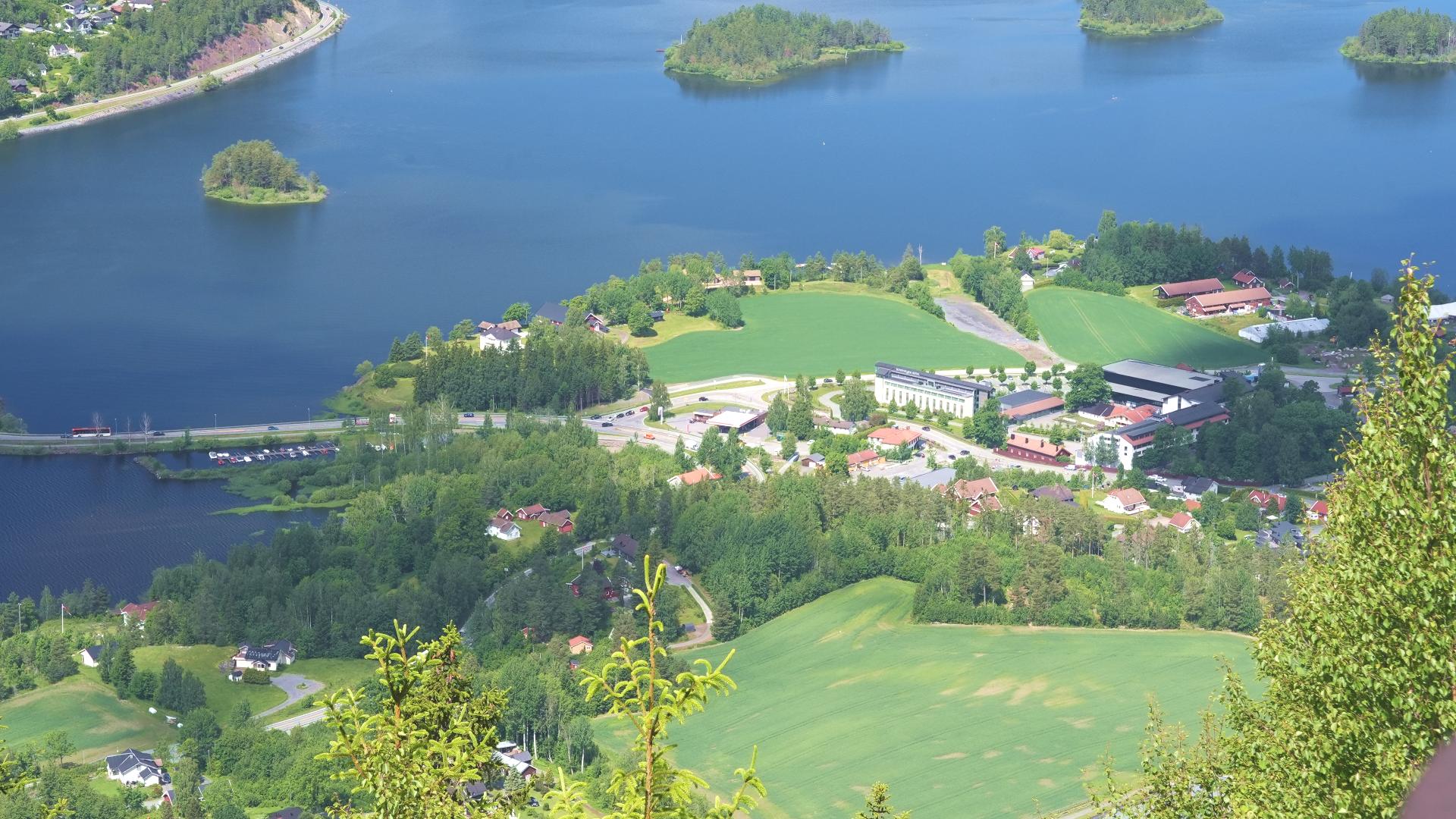
Hønefoss is the administrative centre of Ringerike municipality, located about 60 kilometres northwest of Oslo at the confluence of the Begna and Randselva rivers. Around 17,000 people live here. The town takes its name from the waterfall Hønefossen that tumbles through the centre, which powered the first watermill recorded here in 1337.
Sawmills appeared in the 1500s and grew into a major industry. The waterfall's power later generated electricity, lighting 36 street lamps in 1893, just two years after Hammerfest became one of the first cities in Europe with electric street lighting. In an unlikely claim to fame, Norway's first steamship, DS Kong Ring, was launched here on the river in 1837.
The town received its official status in 1852. From 1873 until 2012, the Norske Skog Follum paper mill was one of Europe's largest producers of newsprint. Its closure marked a shift away from traditional manufacturing.
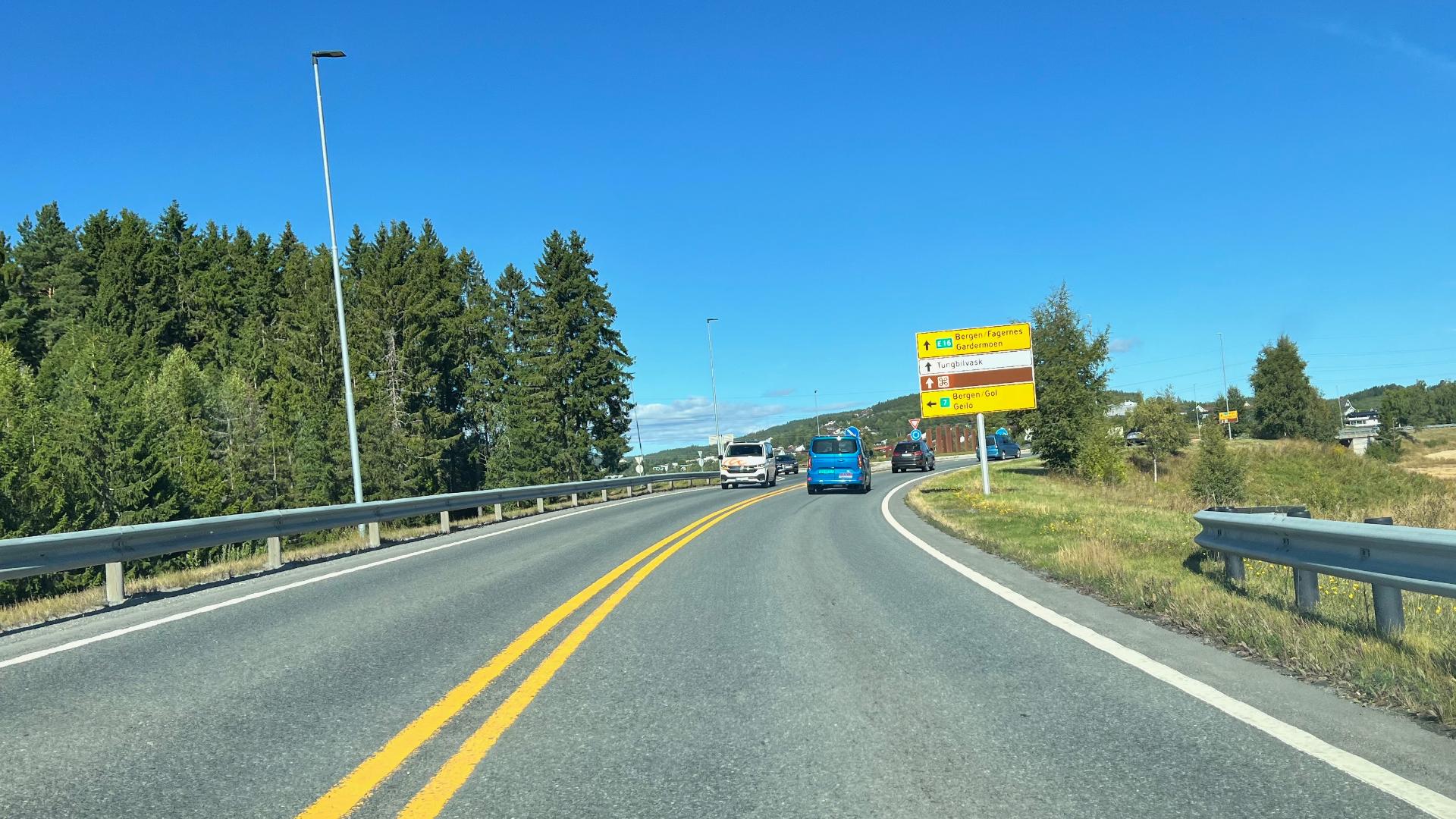
Hønefoss is an important transport hub. The railway station opened in 1868 on the Randsfjordbanen and today connects to the Bergen line. Roads to Oslo, Bergen, Hallingdal and Valdres all pass through here.
A surprising piece of history: Leon Trotsky lived in exile just outside Hønefoss from 1935 to 1936, staying at the home of Labour Party journalist Konrad Knudsen in Norderhov. Here he wrote "The Revolution Betrayed". Norwegian fascists broke into the house in August 1936, acting on Gestapo orders, and stole some of his papers. Under pressure from Stalin, the Norwegian government eventually placed Trotsky under house arrest before deporting him to Mexico.
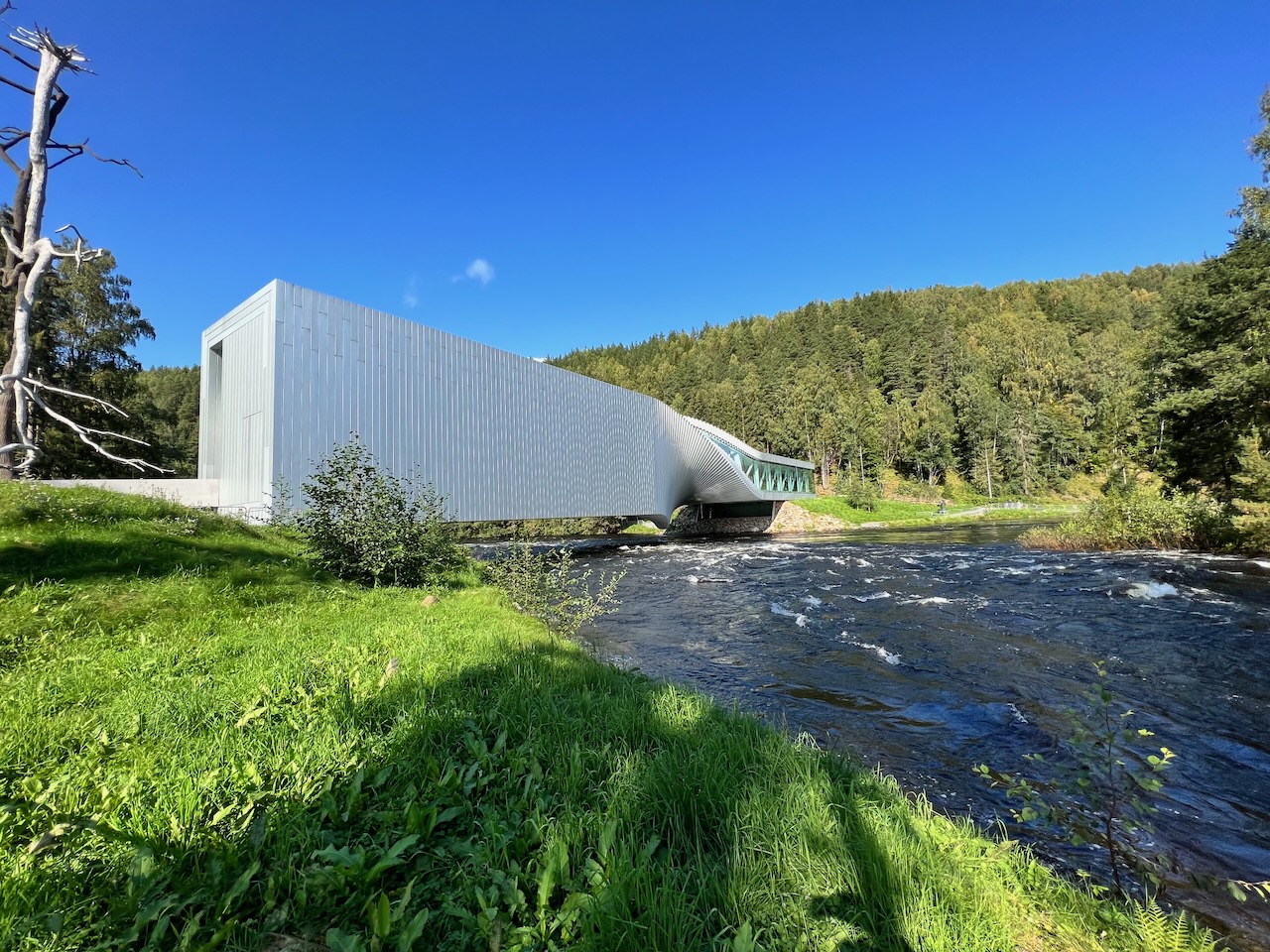
Near Hønefoss you will find Kistefos Museum at Jevnaker, one of Norway's premier art destinations.
Veien Cultural Heritage Park contains over 100 burial mounds from the Iron Age, one of the largest burial grounds in the Nordic region. Finds include scales, gold jewellery and coins showing this was an important meeting place for over 3,000 years.