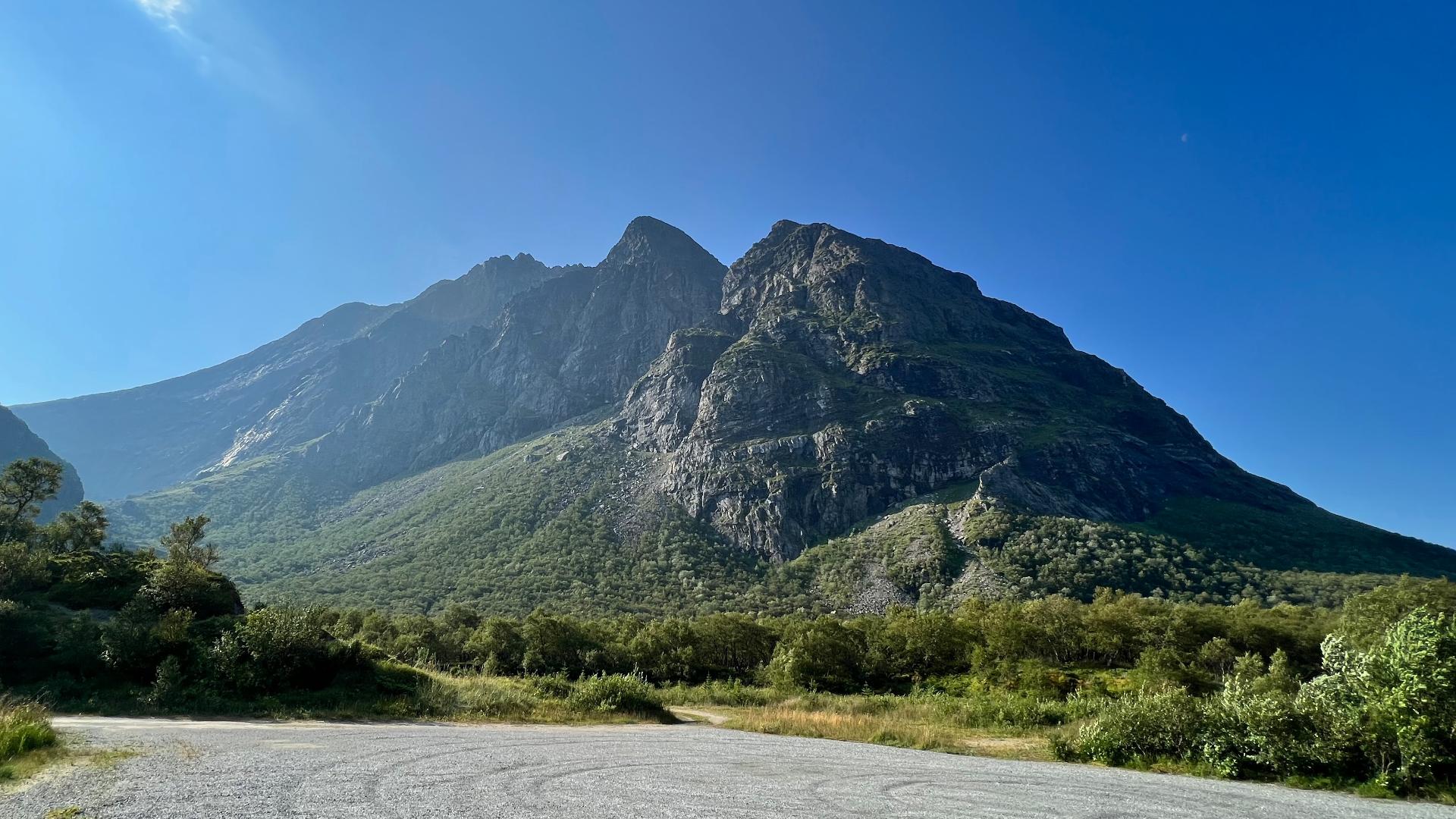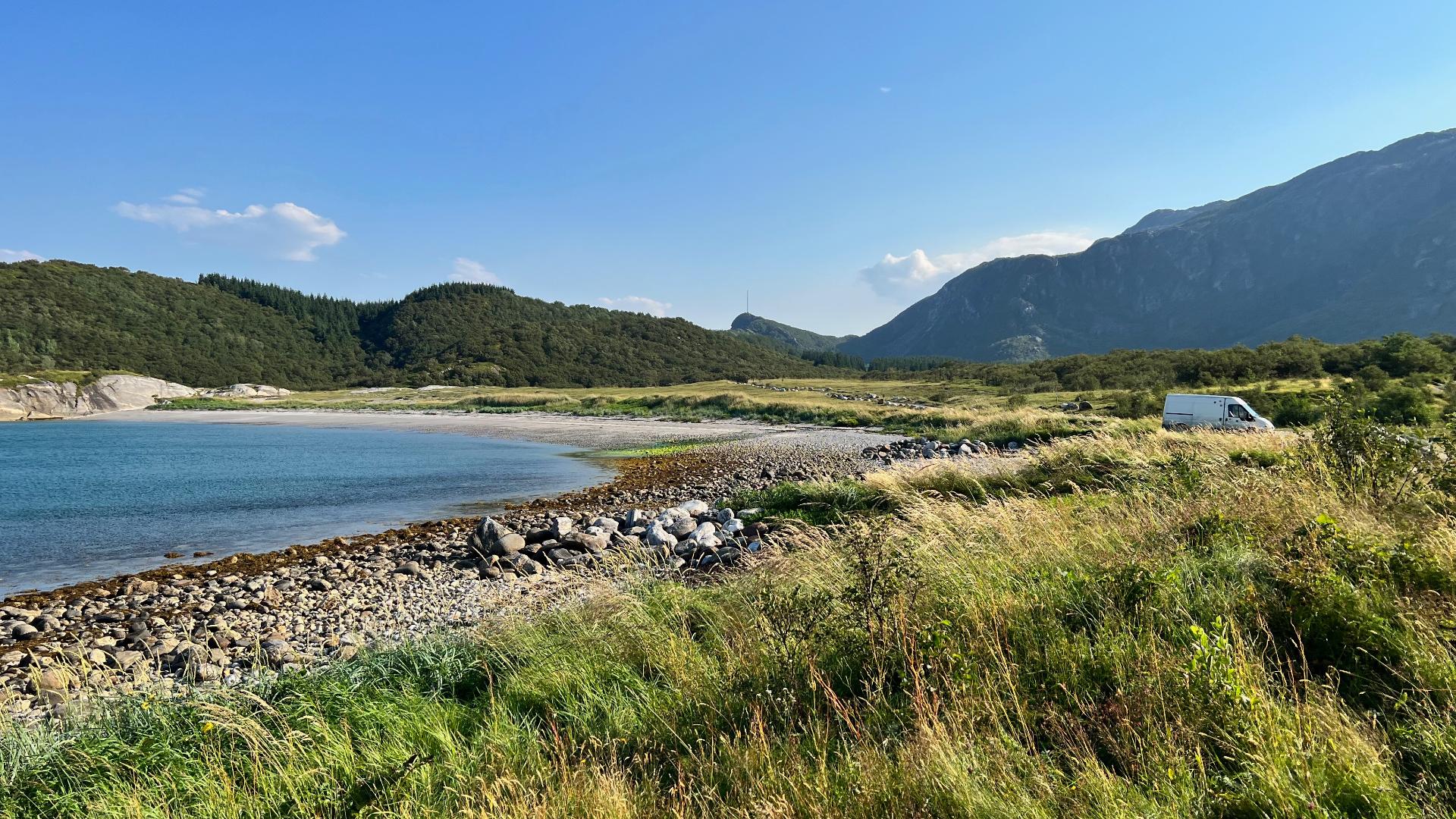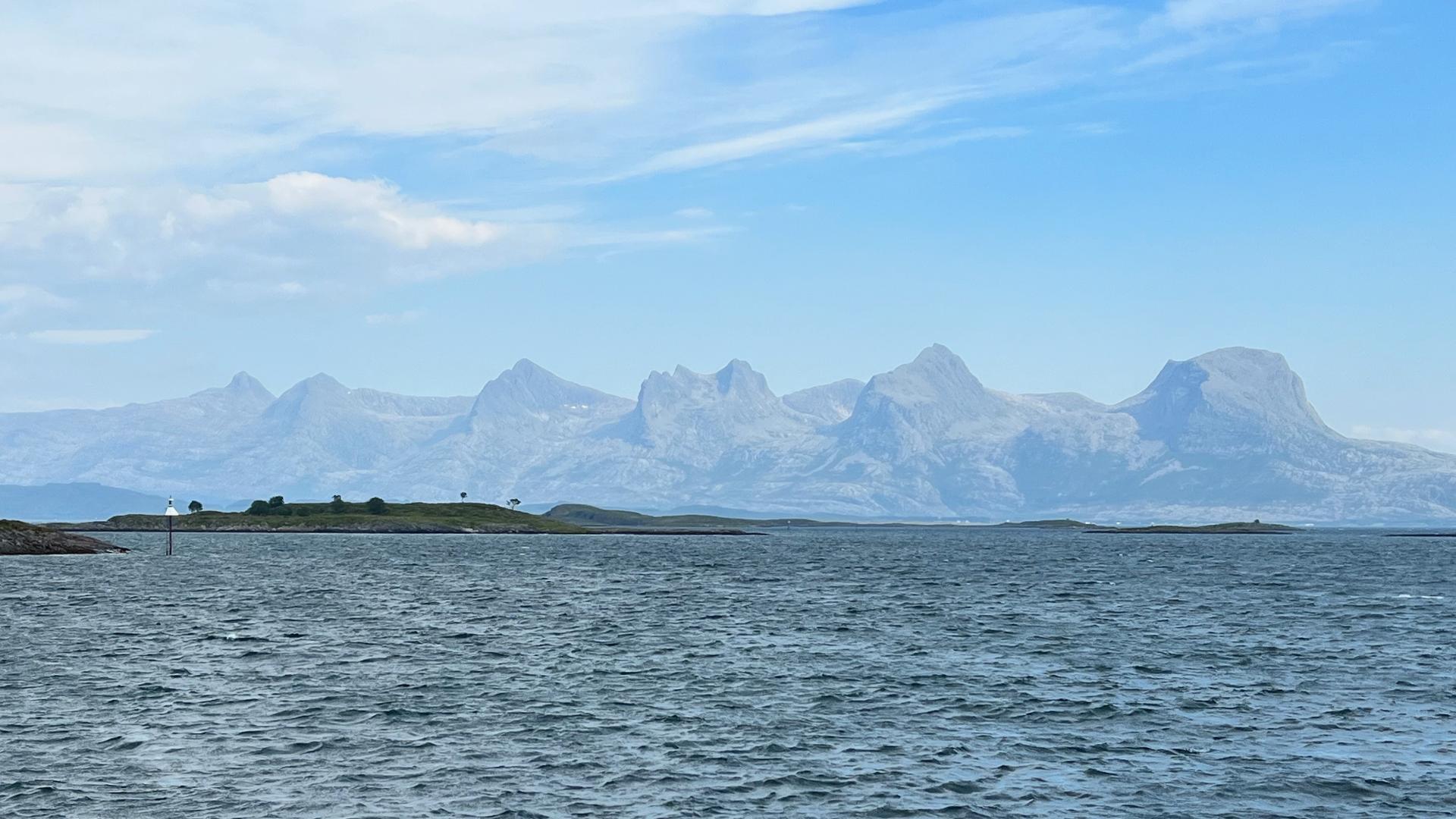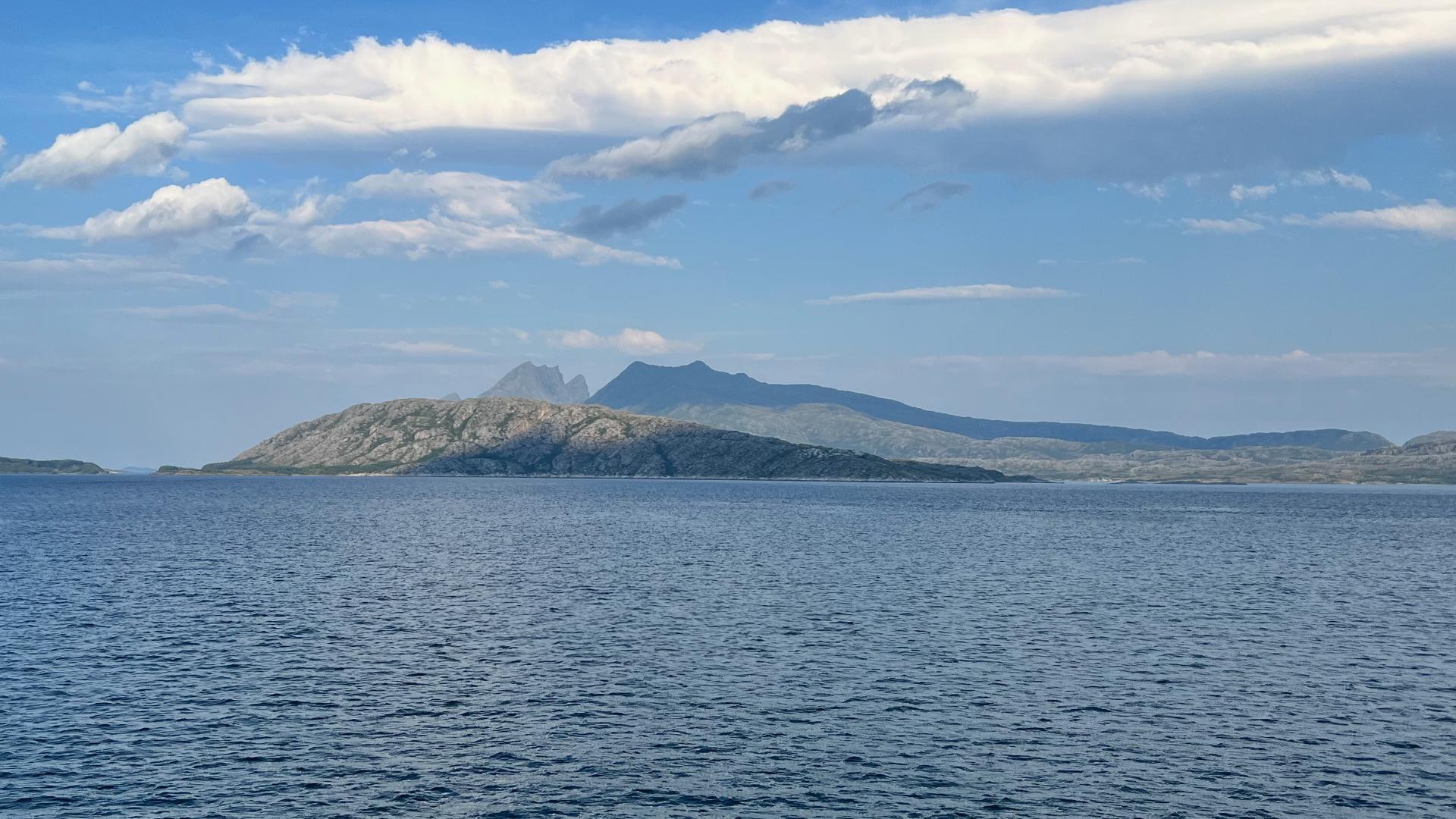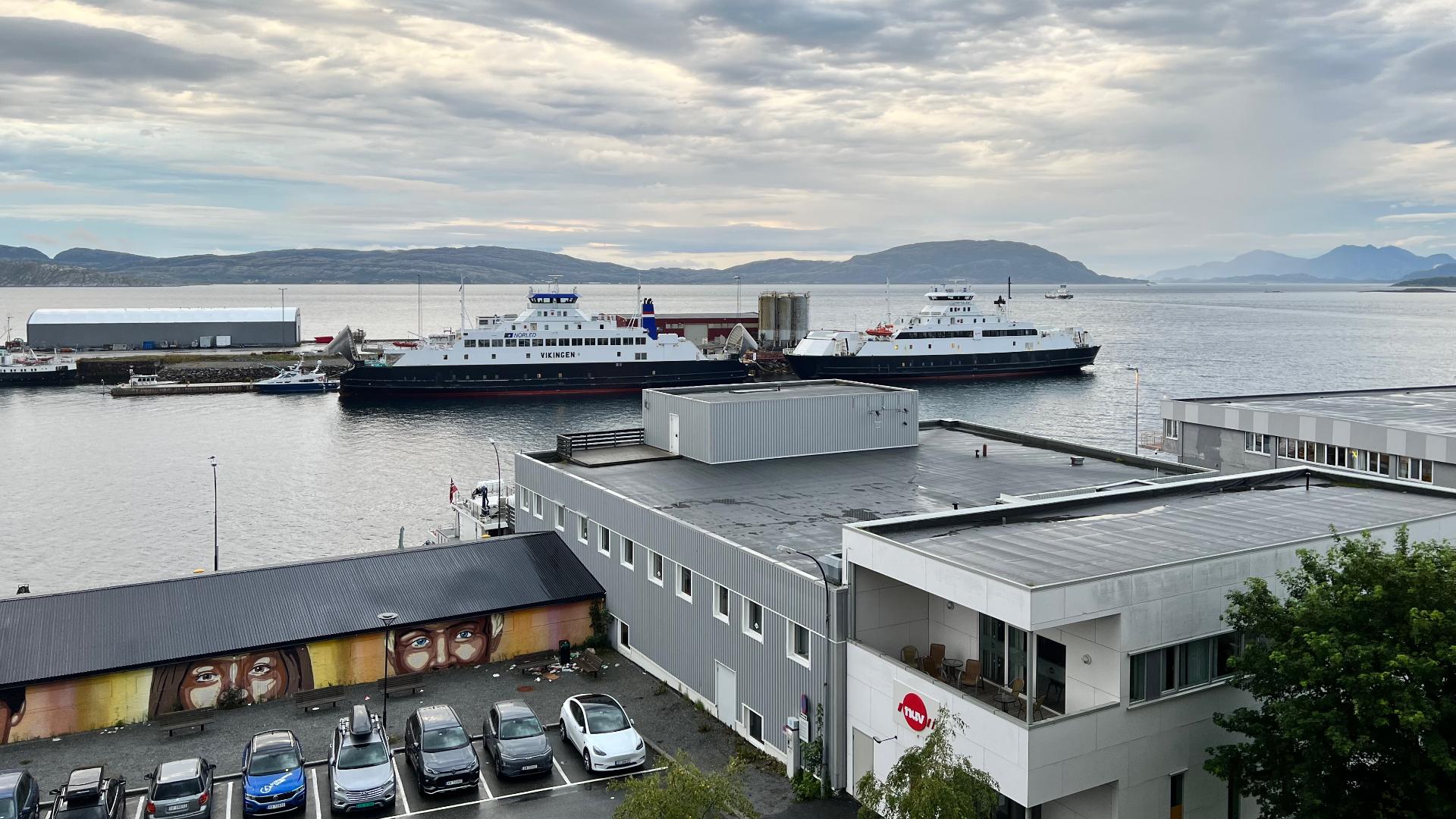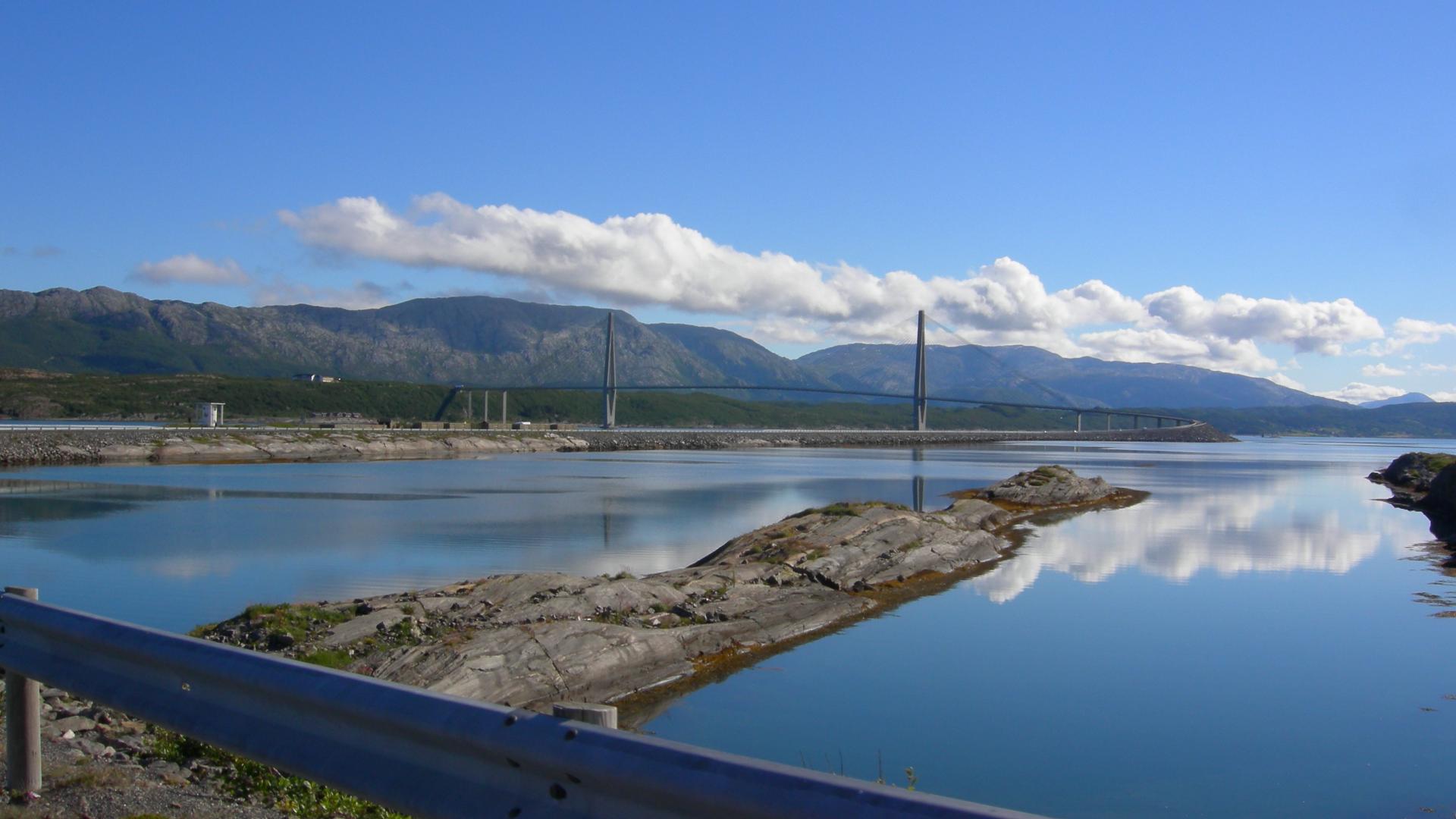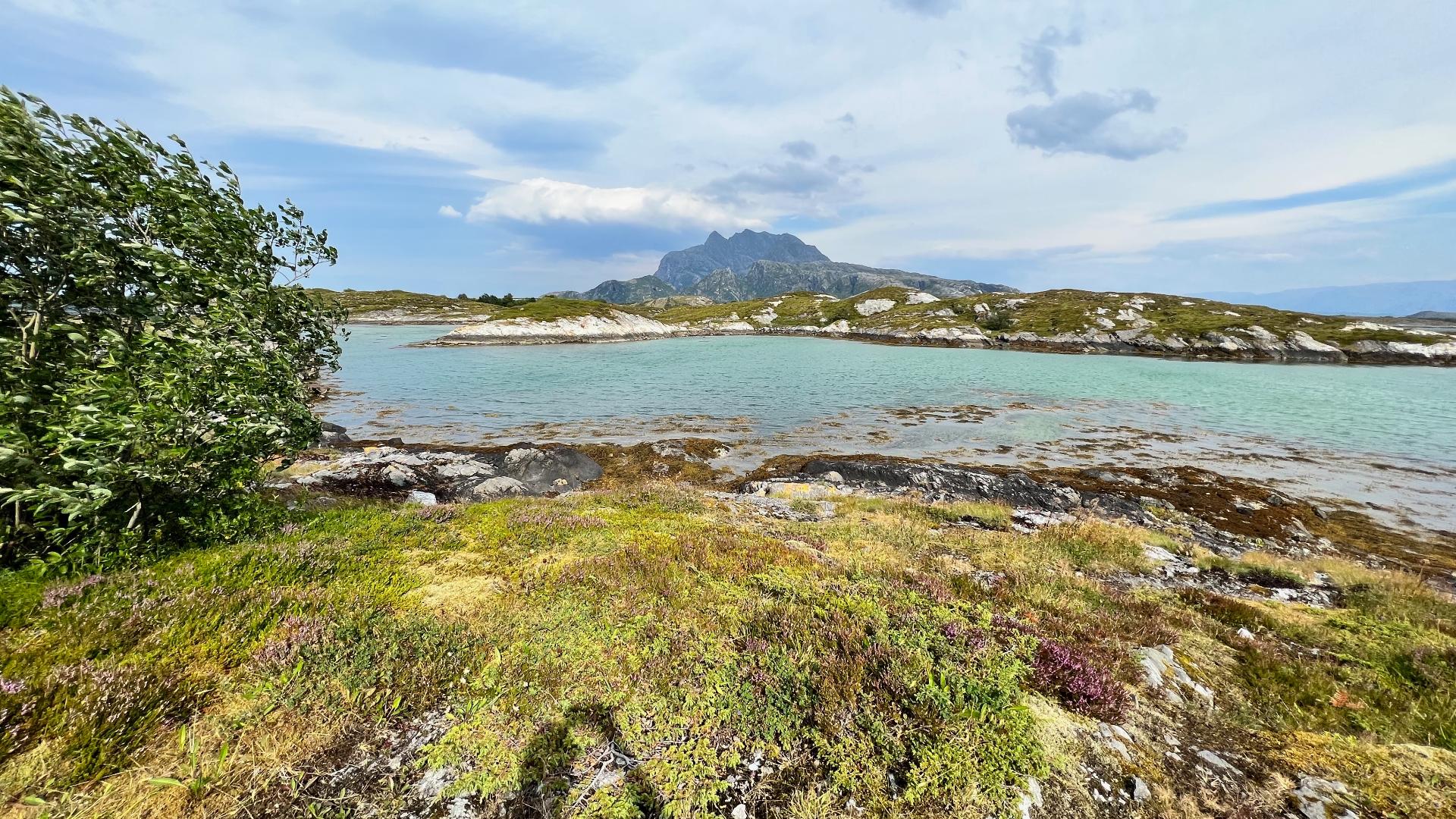
Herøy on the Helgeland coast (not to be confused with Herøy in Sunnmøre) is an island municipality of about 1,800 people spread across more than 1,700 islands, islets, and skerries. The largest are Nord-Herøy, Sør-Herøy, Tenna, and Seløy, connected by bridges so you can drive between them. The landscape is the opposite of neighbouring Dønna: low, flat, and wide open, with the sea visible in every direction.
This was an important place long before modern times. Herøy sits on Flåværleia, the old coastal trading route, and was the first major harbour north of Stad. In the Middle Ages, it had both a Thing (a political assembly) and a church, marking it as a centre of power and law on the Helgeland coast. That church is still here: Herøy Church, built in soapstone in the 12th century, is sometimes called the "Cathedral of Helgeland." It is the only church north of Trondheim with an apse, the semicircular recess behind the altar that was otherwise only found in the larger churches further south. The old vicarage next to the church now houses the Herøy Rural Museum: six historic buildings with thousands of artefacts telling the story of life on these islands.
Today, the flat, sheltered waters between the islands make Herøy one of the best places in Norway for sea kayaking. The small islands break the swell even when the wind is strong, creating calm channels to paddle through. It is also popular for kiting and surfing. The feeling here is of being at the very edge of Norway, with nothing between you and the open Atlantic but a few low rocks.
This was an important place long before modern times. Herøy sits on Flåværleia, the old coastal trading route, and was the first major harbour north of Stad. In the Middle Ages, it had both a Thing (a political assembly) and a church, marking it as a centre of power and law on the Helgeland coast. That church is still here: Herøy Church, built in soapstone in the 12th century, is sometimes called the "Cathedral of Helgeland." It is the only church north of Trondheim with an apse, the semicircular recess behind the altar that was otherwise only found in the larger churches further south. The old vicarage next to the church now houses the Herøy Rural Museum: six historic buildings with thousands of artefacts telling the story of life on these islands.
Today, the flat, sheltered waters between the islands make Herøy one of the best places in Norway for sea kayaking. The small islands break the swell even when the wind is strong, creating calm channels to paddle through. It is also popular for kiting and surfing. The feeling here is of being at the very edge of Norway, with nothing between you and the open Atlantic but a few low rocks.