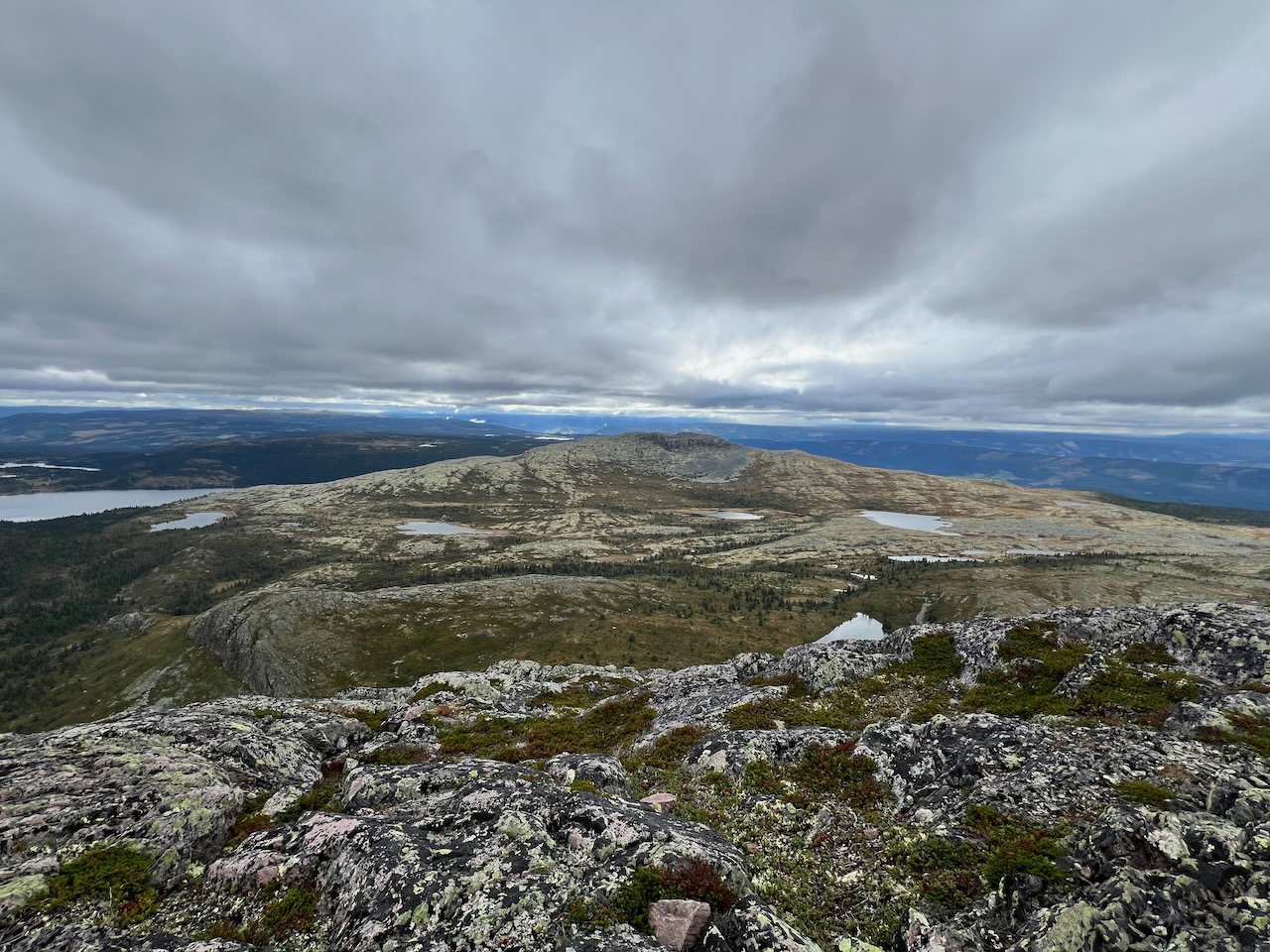
The name means Hell, and looking down into the largest of the glacial potholes, you can see why. Helvete lies in Espedalen, about 65 kilometres from Lillehammer, where the river has carved a gorge into the bedrock and left behind northern Europe's largest glacial potholes.
The formations date to the end of the last ice age, roughly 10,000 years ago. As meltwater poured through cracks in the glacier, it carried rocks that spun and ground into the bedrock like enormous drills. The largest pothole is 40 metres deep with a diameter of 25 metres. Standing at the edge and looking down into that cylindrical shaft is genuinely unsettling.
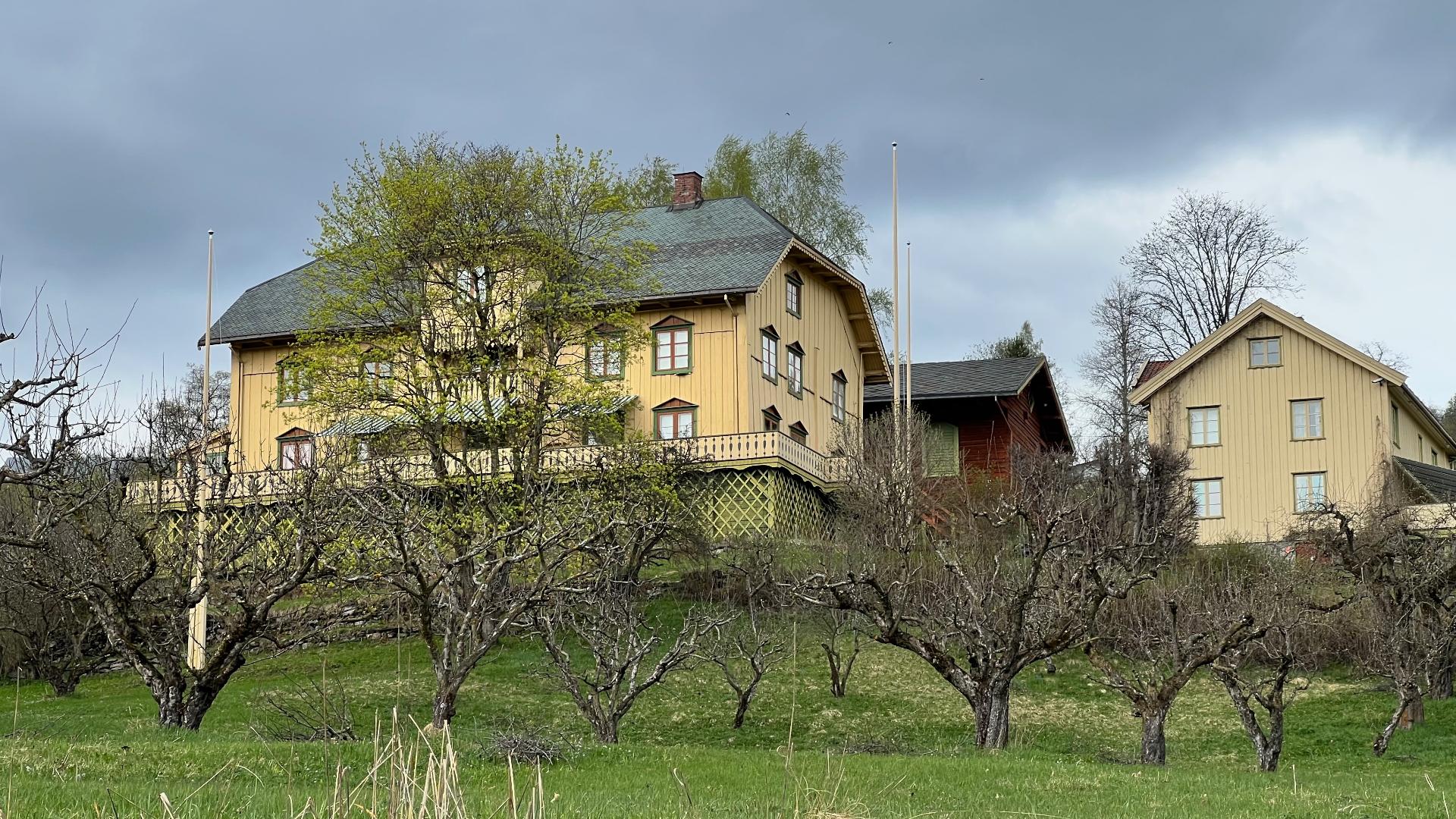
The park has been run by the Dalbakken farm since 1954, when the family first made the gorge accessible to visitors. Today there is a café serving waffles, sour cream porridge, and cured meat, and in summer the park hosts walking theatre performances and concerts down among the rock walls. The combination of dramatic geology and low-key farm hospitality gives the place a character quite different from the polished visitor centres elsewhere in Gudbrandsdalen.
The formations date to the end of the last ice age, roughly 10,000 years ago. As meltwater poured through cracks in the glacier, it carried rocks that spun and ground into the bedrock like enormous drills. The largest pothole is 40 metres deep with a diameter of 25 metres. Standing at the edge and looking down into that cylindrical shaft is genuinely unsettling.
The park has been run by the Dalbakken farm since 1954, when the family first made the gorge accessible to visitors. Today there is a café serving waffles, sour cream porridge, and cured meat, and in summer the park hosts walking theatre performances and concerts down among the rock walls. The combination of dramatic geology and low-key farm hospitality gives the place a character quite different from the polished visitor centres elsewhere in Gudbrandsdalen.