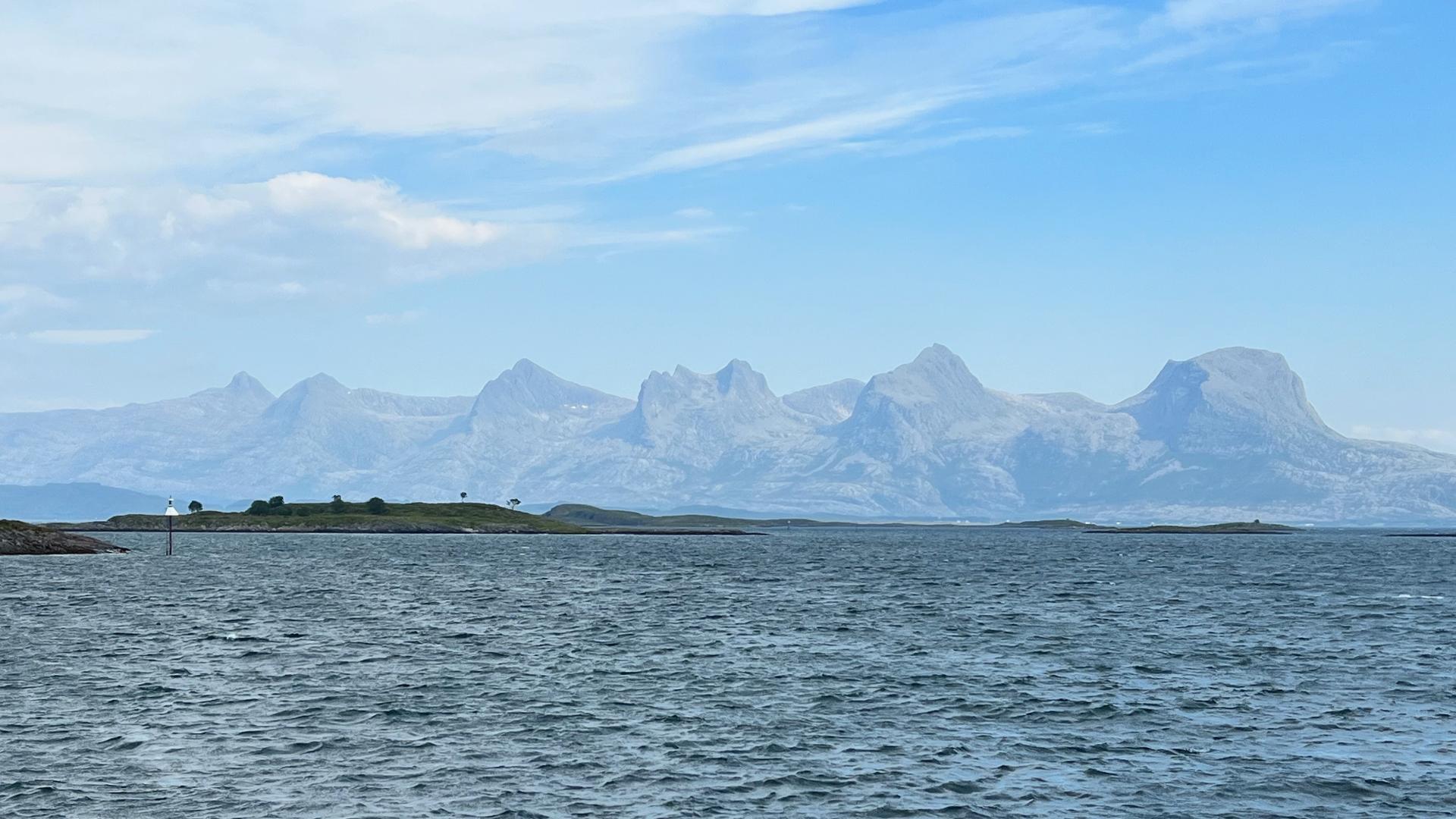
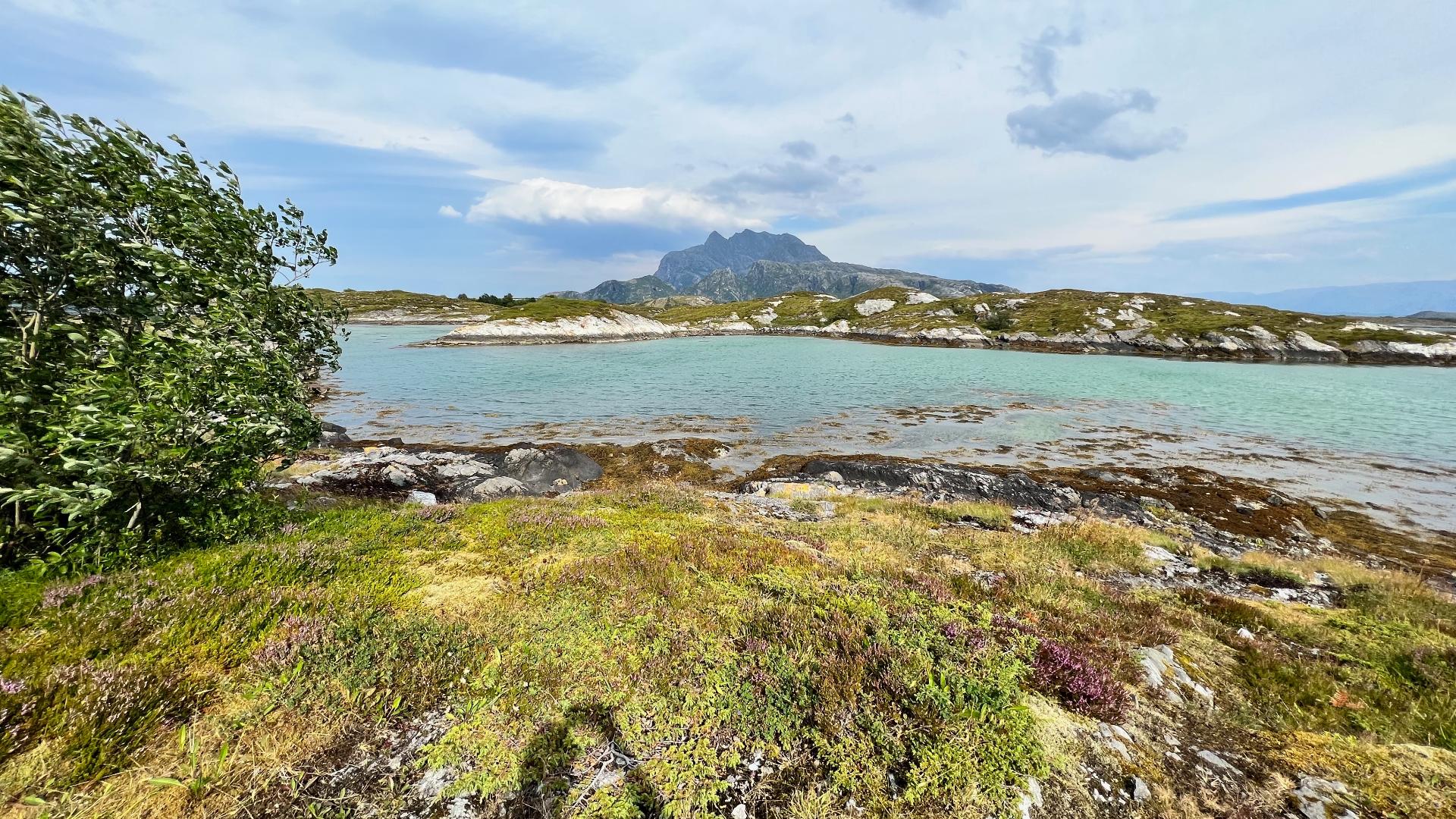
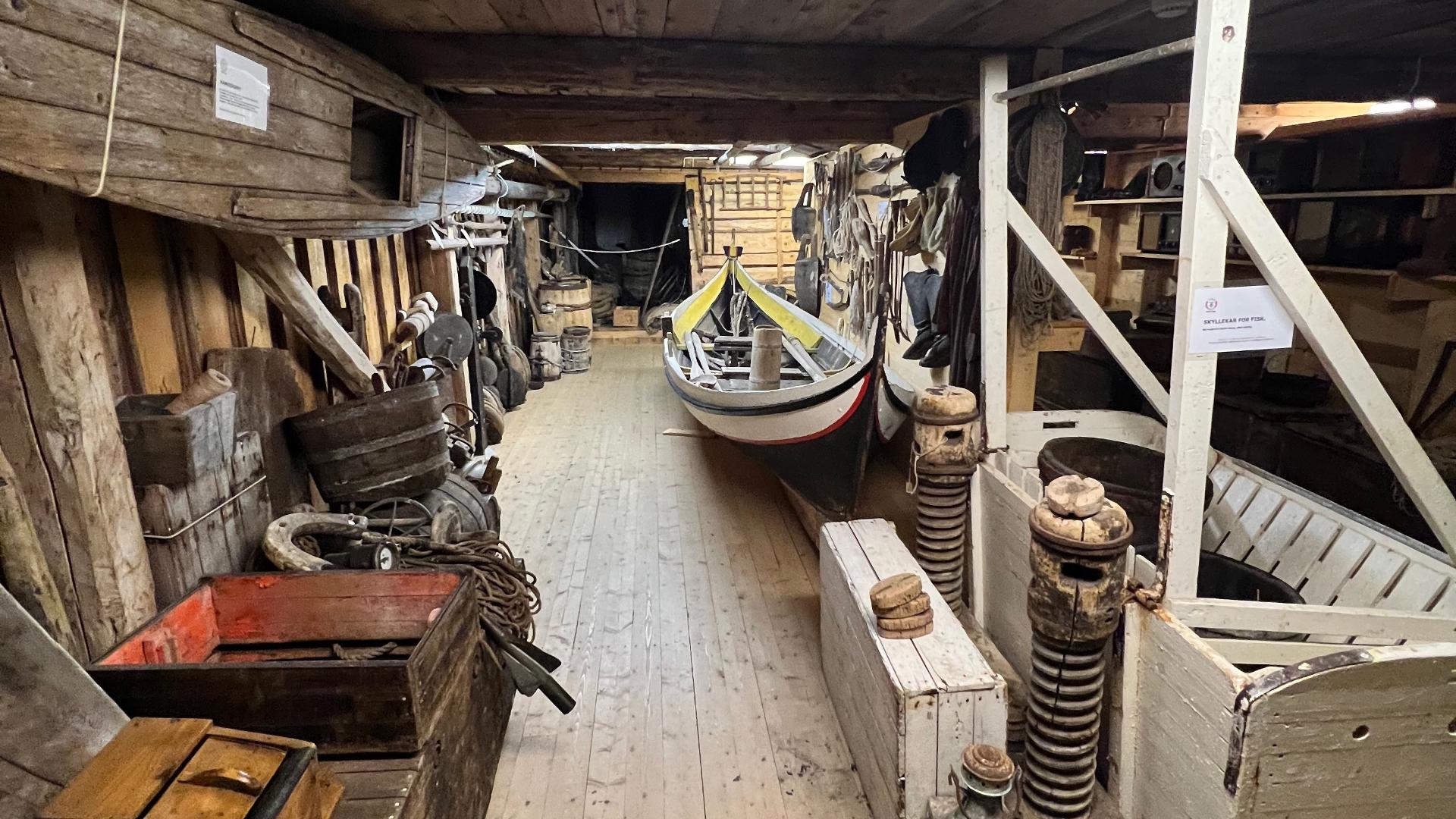
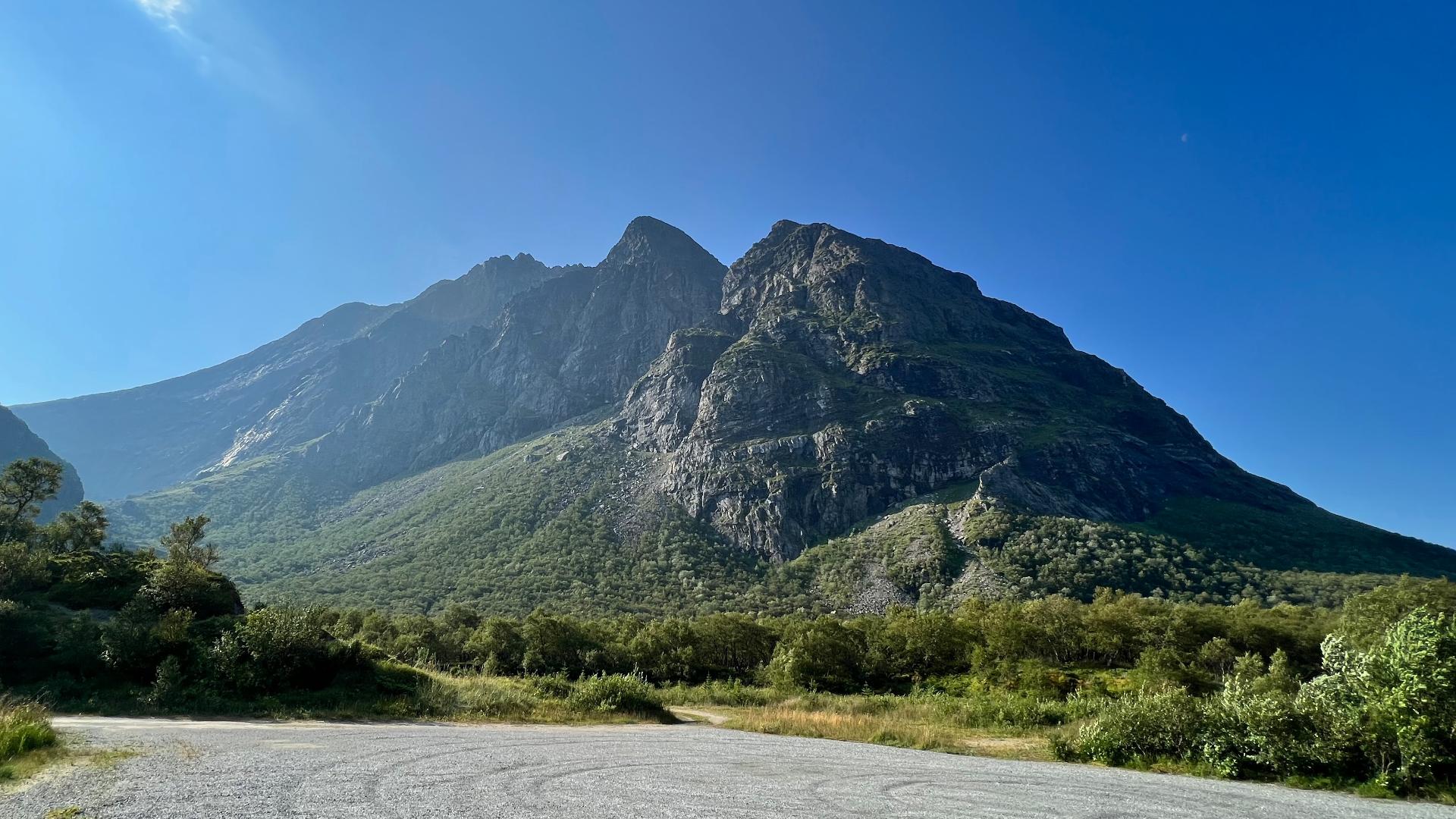
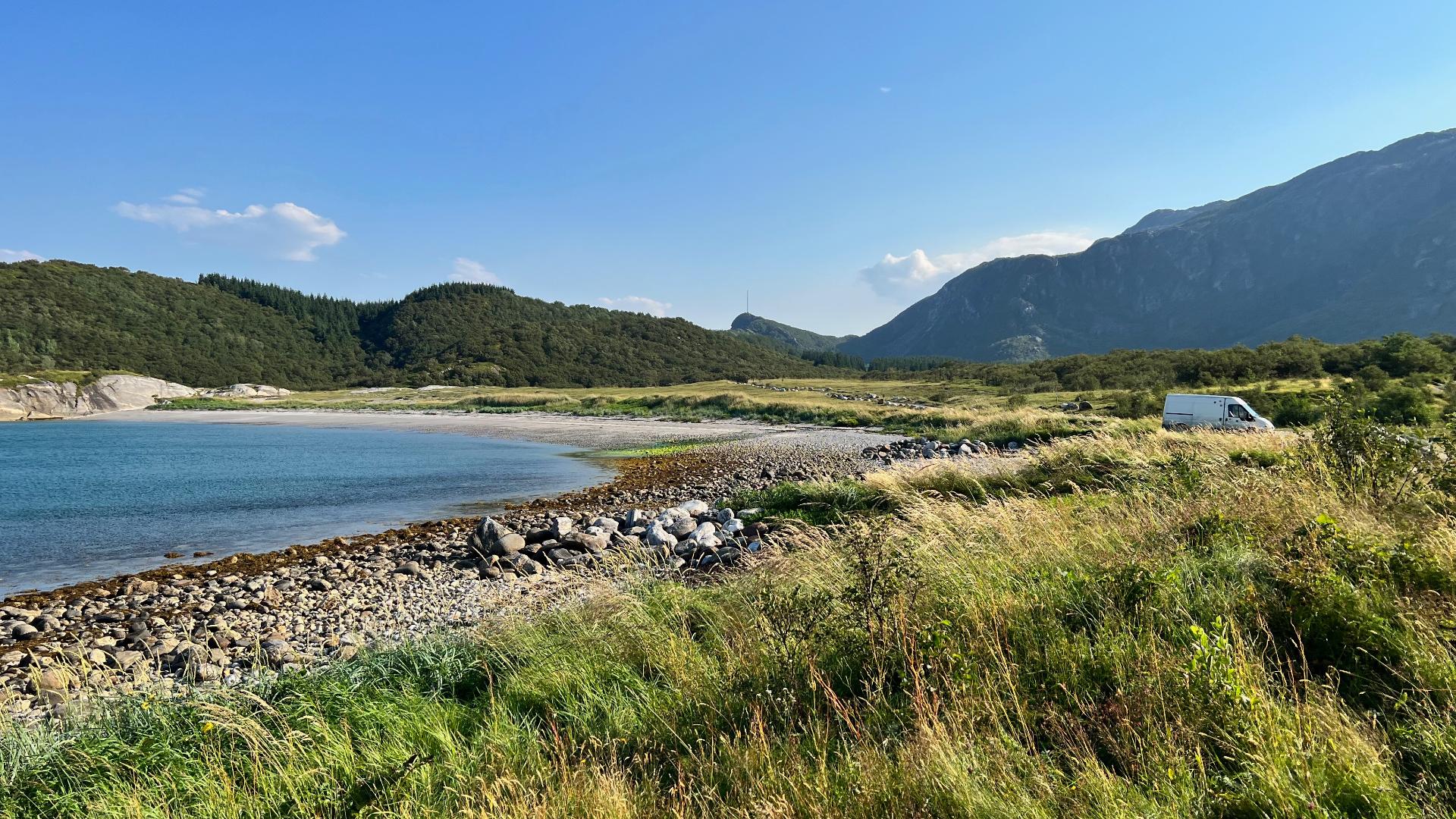
The island of Tjøtta was once the seat of the most powerful chieftain in all of Northern Norway. Hárek (c. 965–1036) ruled from this farm, controlling trade routes and commanding the loyalty of the entire Hålogaland region, the vast coastal territory stretching from Helgeland to Troms. Hárek’s father was the skald Eyvindr skáldaspillir, one of the last great Norwegian court poets, whose words are still echoed in the second verse of Norway’s national anthem. Hárek inherited both the estate and the ambition. He expanded his holdings until Tjøtta became the largest and wealthiest farm in Northern Norway, its power built on control of the lucrative Sami trade in furs and dried fish. In 999, King Olaf Tryggvason sailed to Tjøtta to personally convert Hárek to Christianity. The chieftain resisted at first, but eventually accepted baptism, along with generous gifts and tax revenues from the king. A church was likely built here around this time, making Tjøtta one of the earliest Christian sites in Northern Norway. Decades later, Hárek’s story took a darker turn. Chafing under the heavy-handed rule of King Olaf II (Saint Olaf), he joined a coalition of rebel chieftains. On 29 July 1030, Hárek stood among the 14,000 men of the peasant army at the Battle of Stiklestad, one of the defining moments in Norwegian history, where King Olaf fell. Hárek survived the battle but was killed six years later by a rival chieftain’s axe. Today, Tjøtta is a quiet, scenic island with a medieval church that traces its origins to Hárek’s time. The old Tjøtta Gjestegård (guesthouse) sits in these historical surroundings, offering a tangible link to over a thousand years of Helgeland history.
📜 History
Helgeland
Coastal
Hárek of Tjøtta: Viking Chieftain of Helgeland
Open in map
20 minutes
Get the free Xplore Norway app
Hear every place narrated automatically as you drive, with offline maps for all of Norway.
- Automatic GPS audio guide
- Offline maps for all of Norway
- Free to download
1596 places across Norway