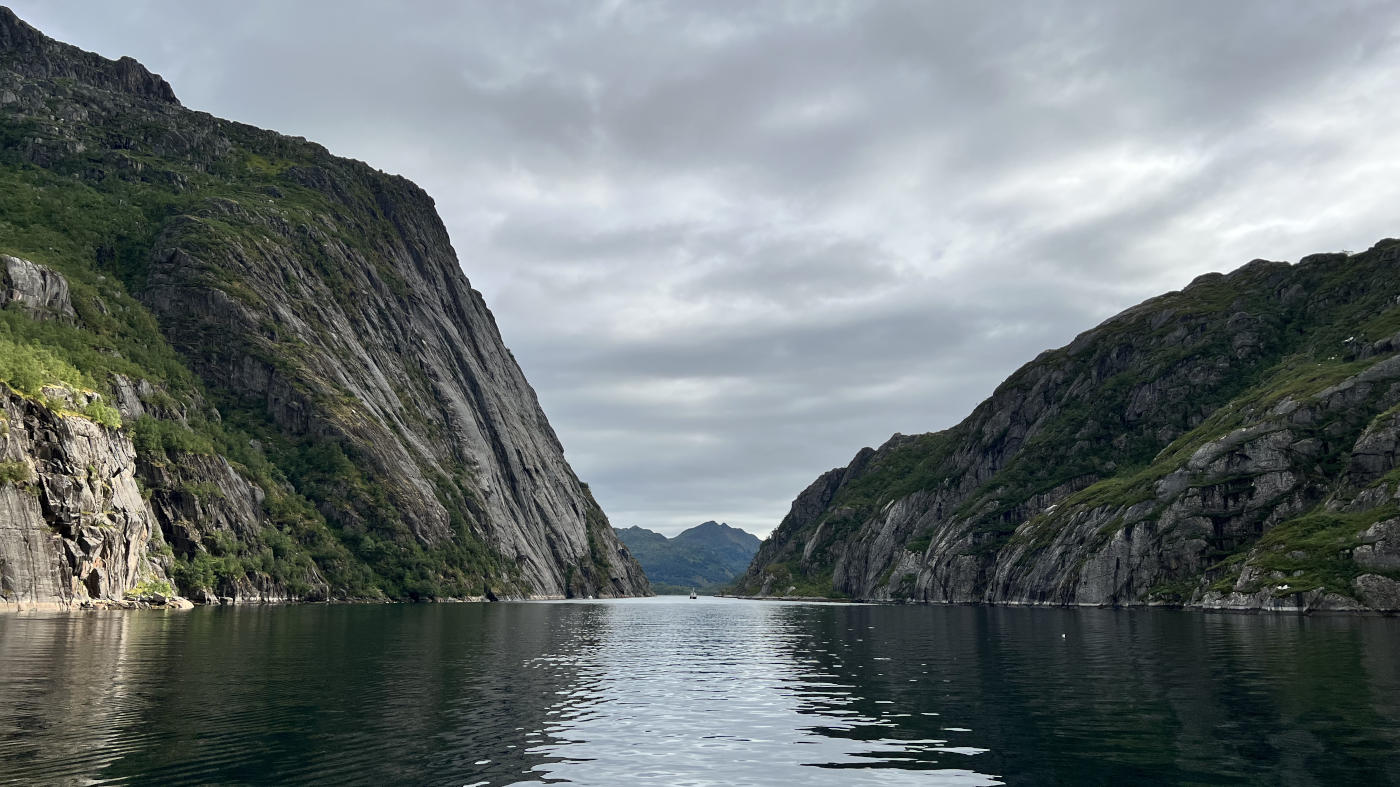
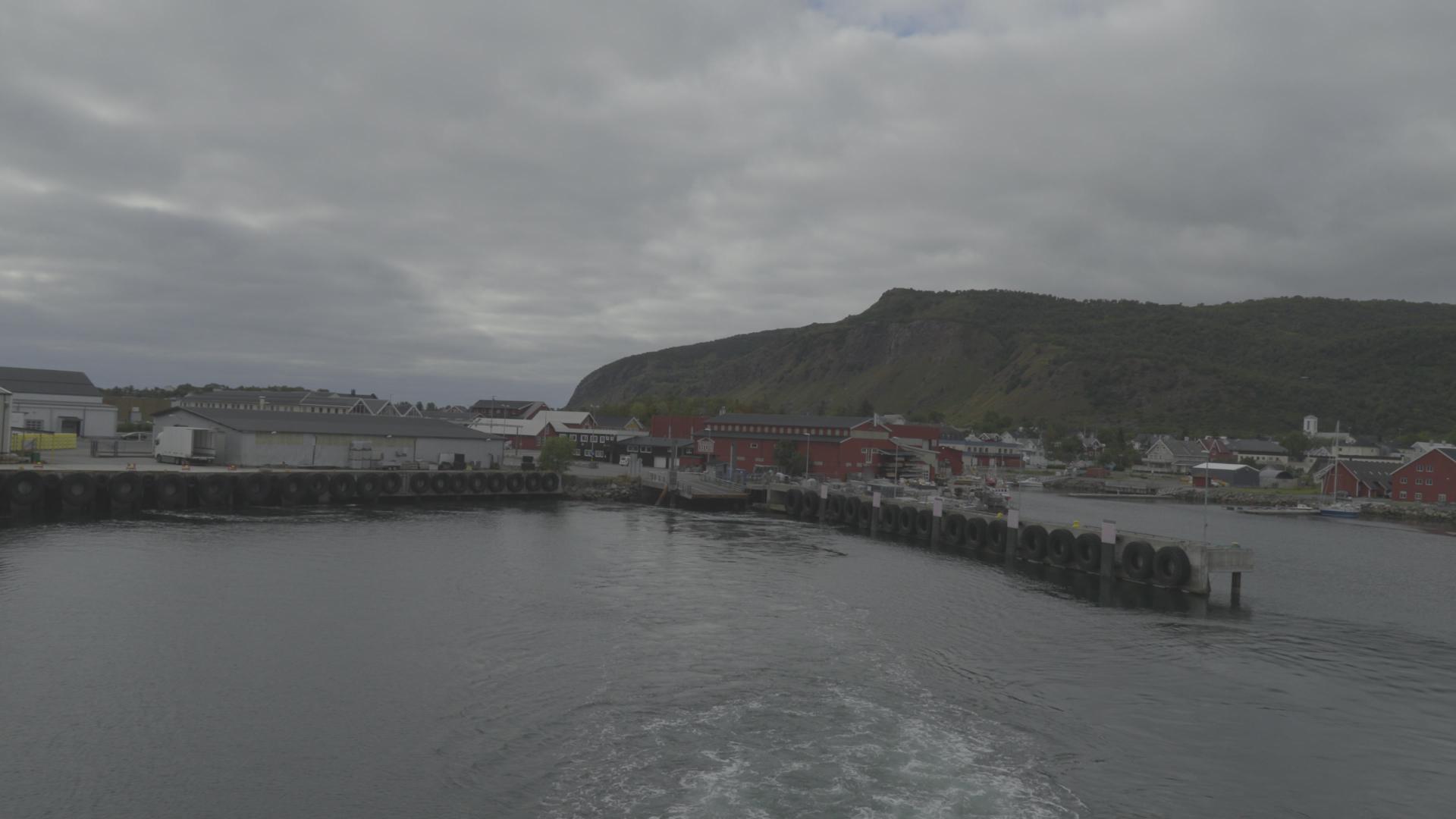
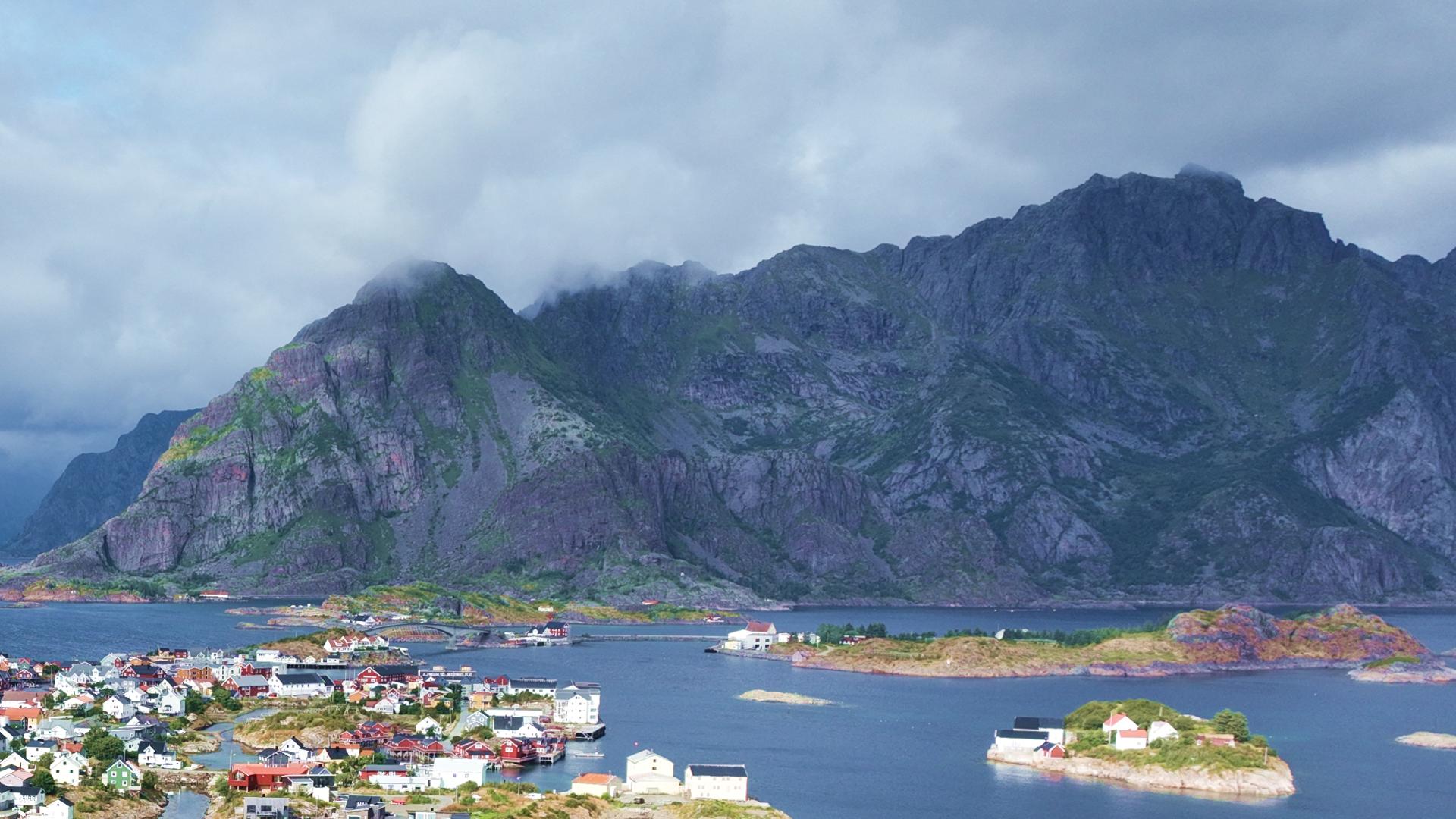
Hamsunsenteret is the national museum for Knut Hamsun, one of Norway's most celebrated and controversial authors. Hamsun grew up in Hamarøy from the age of three, and this coastal landscape of mountains, sea, and midnight sun saturates his writing. His 1894 novel Pan is set directly in this scenery.
The museum building, designed by American architect Steven Holl and opened on Hamsun's 150th birthday in 2009, is a landmark in its own right. The dark angular tower with protruding window niches stands at Presteid, near the tidal current Glimma. Inside, exhibitions explore Hamsun's literary innovations. He won the Nobel Prize in Literature in 1920 for Markens Grøde (Growth of the Soil) and is widely credited with pioneering the psychological novel in European literature. The centre does not avoid the dark chapter: Hamsun's public support for Nazi Germany and his meeting with Hitler in 1943 remain deeply contentious in Norway.
A few kilometres away at Hamsund, the small wooden house where he spent his childhood is open during summer.
The museum building, designed by American architect Steven Holl and opened on Hamsun's 150th birthday in 2009, is a landmark in its own right. The dark angular tower with protruding window niches stands at Presteid, near the tidal current Glimma. Inside, exhibitions explore Hamsun's literary innovations. He won the Nobel Prize in Literature in 1920 for Markens Grøde (Growth of the Soil) and is widely credited with pioneering the psychological novel in European literature. The centre does not avoid the dark chapter: Hamsun's public support for Nazi Germany and his meeting with Hitler in 1943 remain deeply contentious in Norway.
A few kilometres away at Hamsund, the small wooden house where he spent his childhood is open during summer.