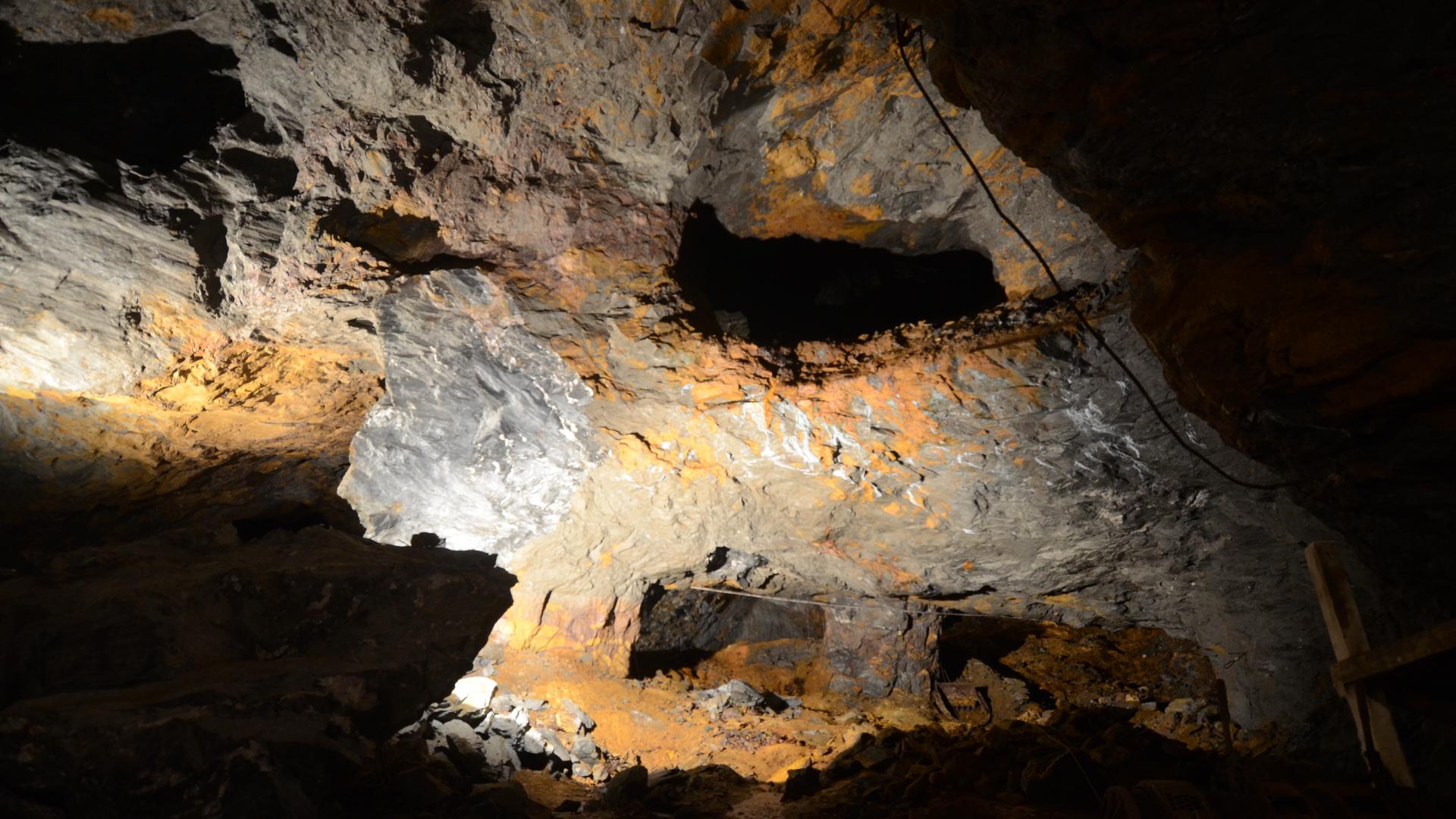
In the first half of the 1800s, miners dug for copper, pyrite and magnetite in the valley of Grøtådalen near Tylldalen. The ore was hauled by horse to Nordset at the north end of the valley, then on to Tynset and from there to the smelting houses at either Alvdal or Tolga. It was hard work for thin rewards: the mine closed around 1850 because it simply was not profitable enough.
The site is accessible from Route 30 between Tynset and Tylldalen, just where the road crosses the bridge over the small river Grøtåa. Visible remains include ore heaps, two mine galleries, and the stone foundations of a house and horse stables. Later attempts at mining on both sides of Tronden mountain never resulted in any lasting production. The ruins are a quiet reminder that for every Røros that struck it rich, there were dozens of smaller operations that tried and failed.
The site is accessible from Route 30 between Tynset and Tylldalen, just where the road crosses the bridge over the small river Grøtåa. Visible remains include ore heaps, two mine galleries, and the stone foundations of a house and horse stables. Later attempts at mining on both sides of Tronden mountain never resulted in any lasting production. The ruins are a quiet reminder that for every Røros that struck it rich, there were dozens of smaller operations that tried and failed.