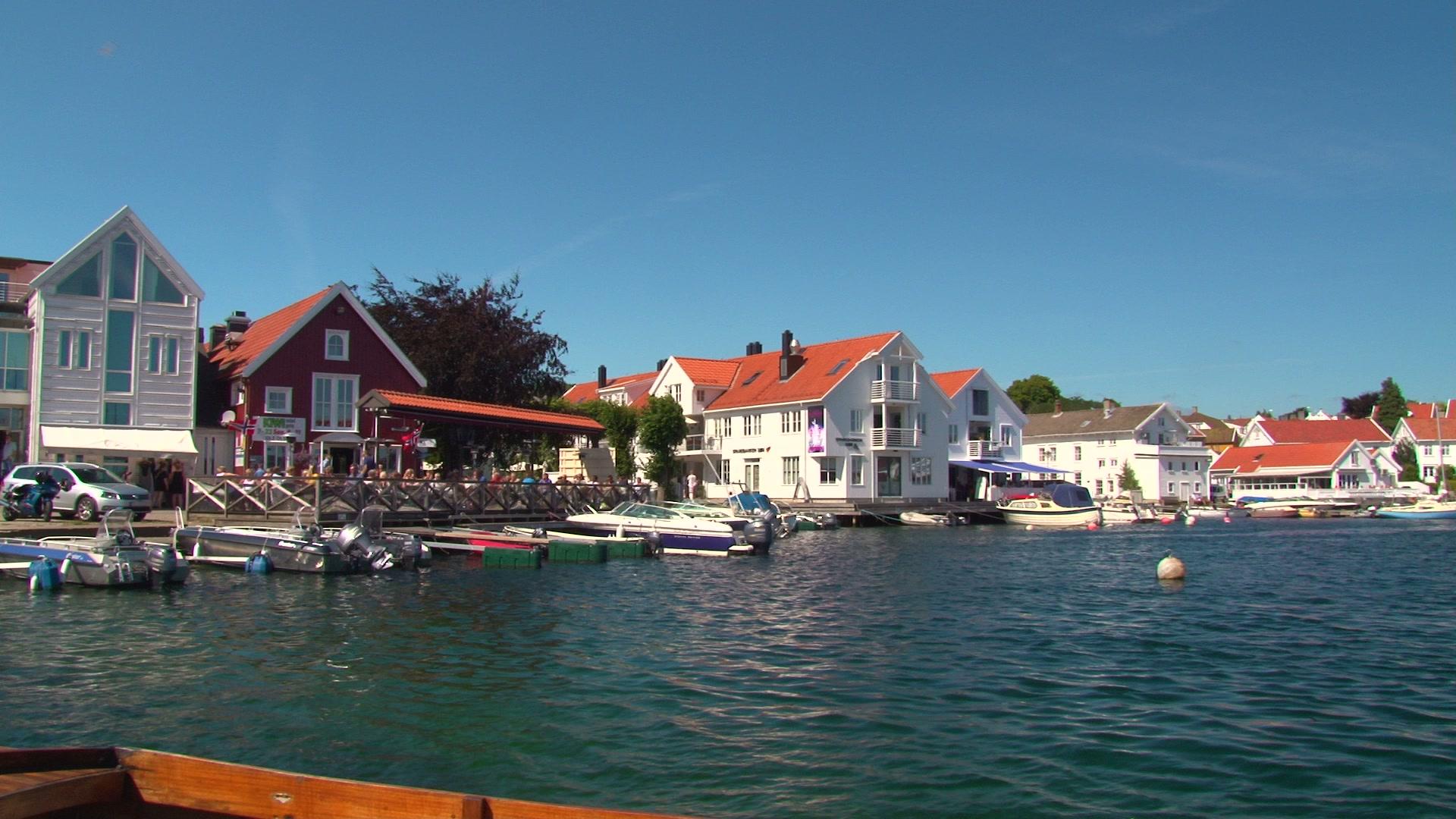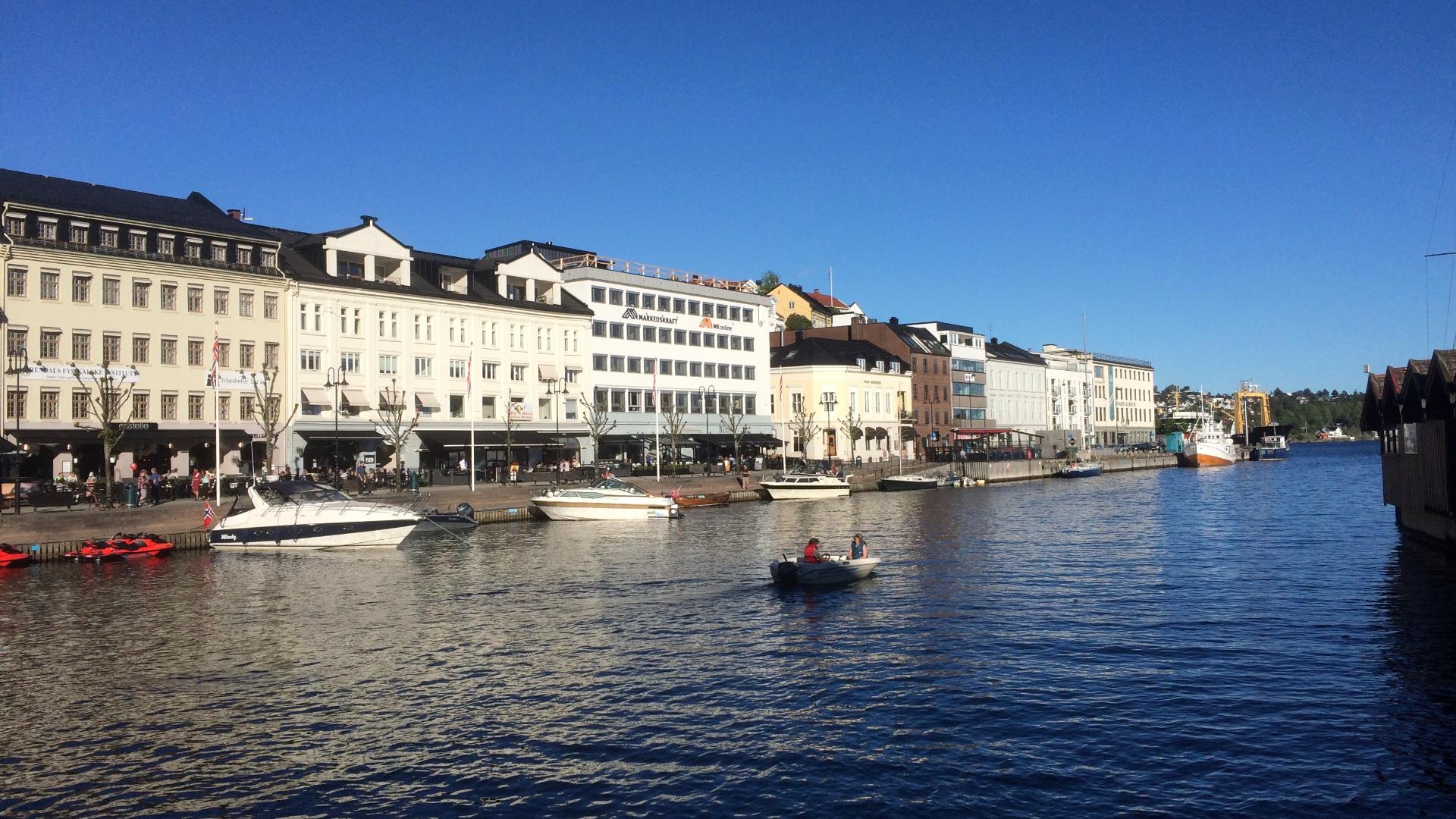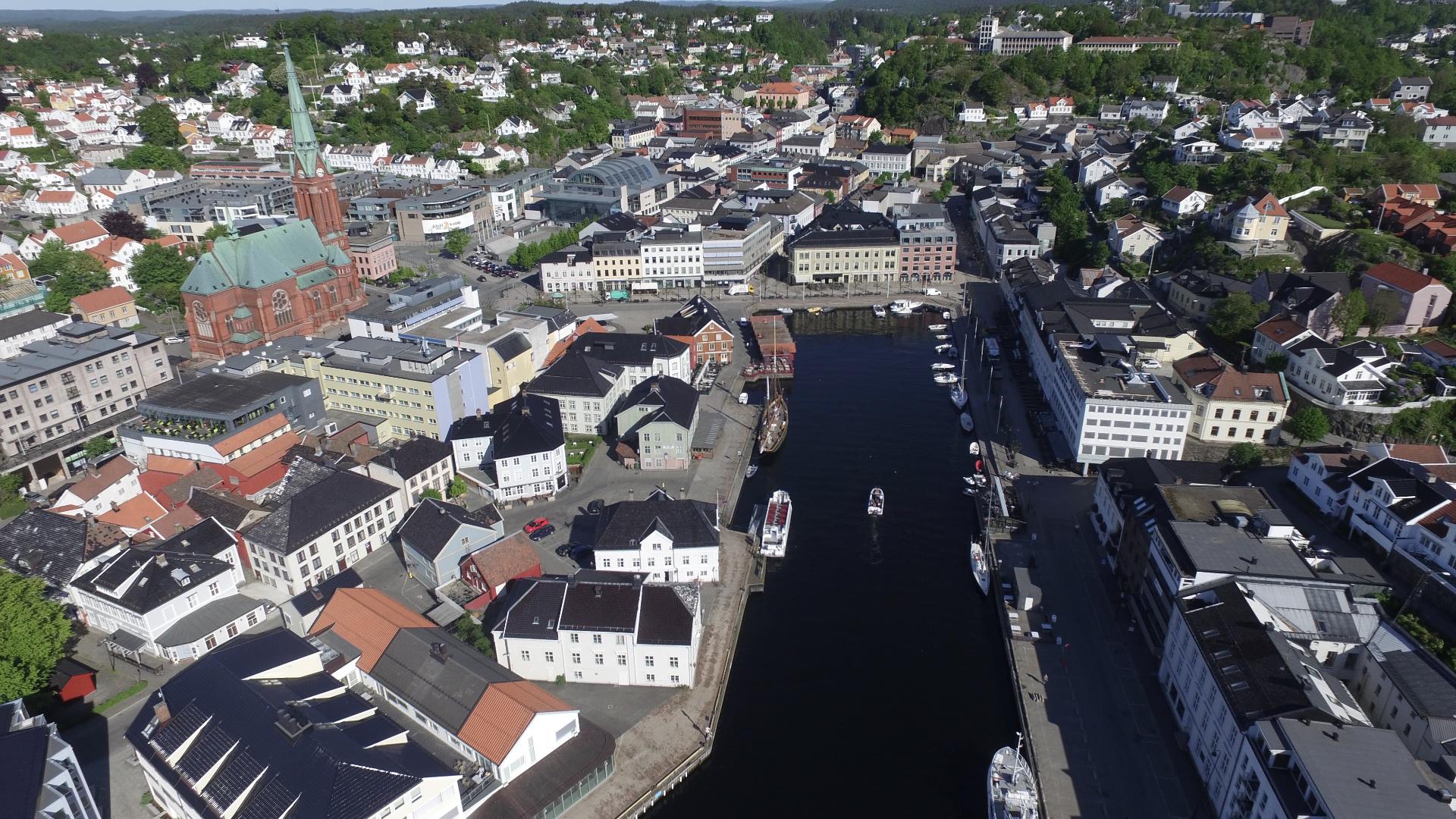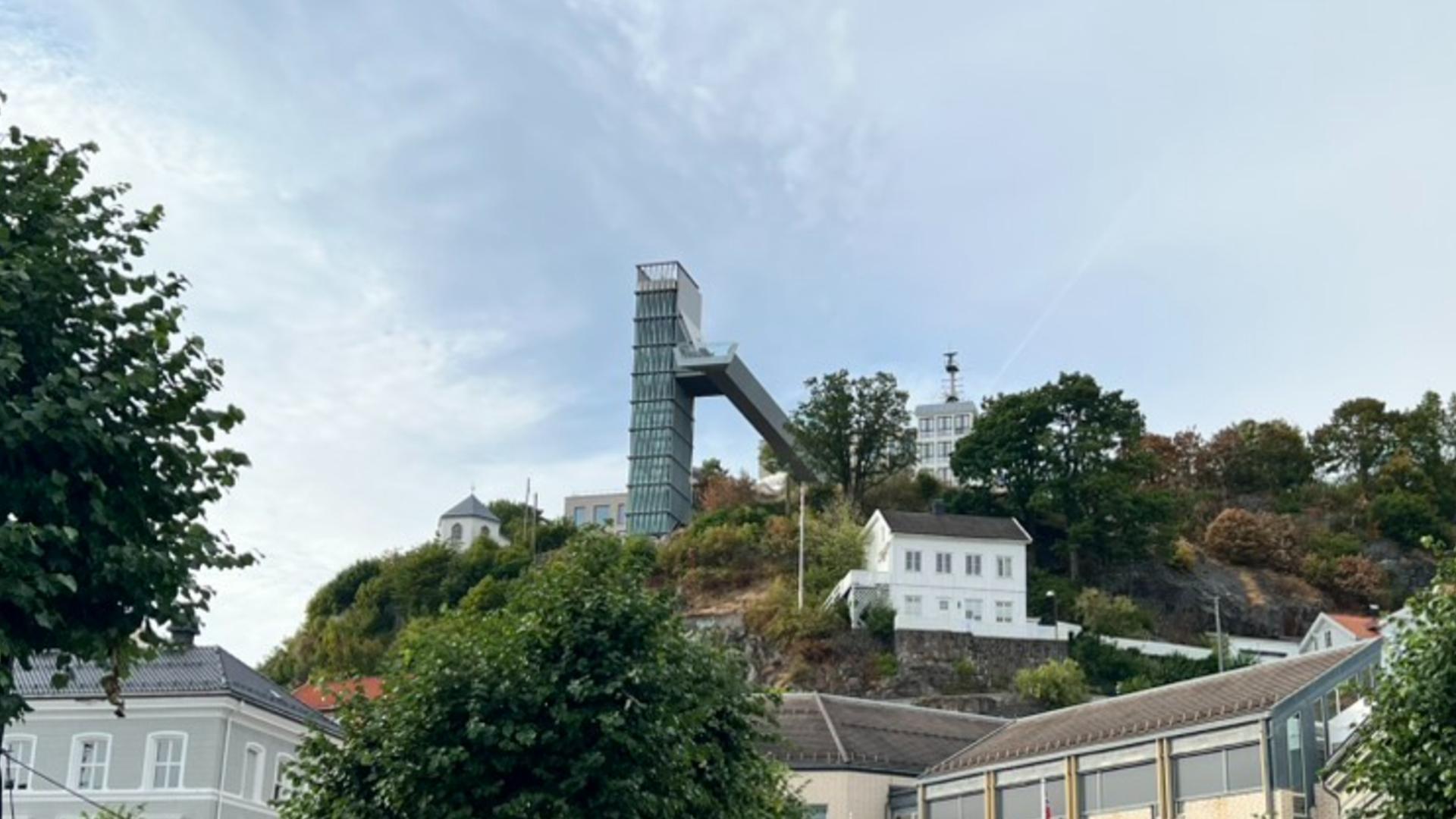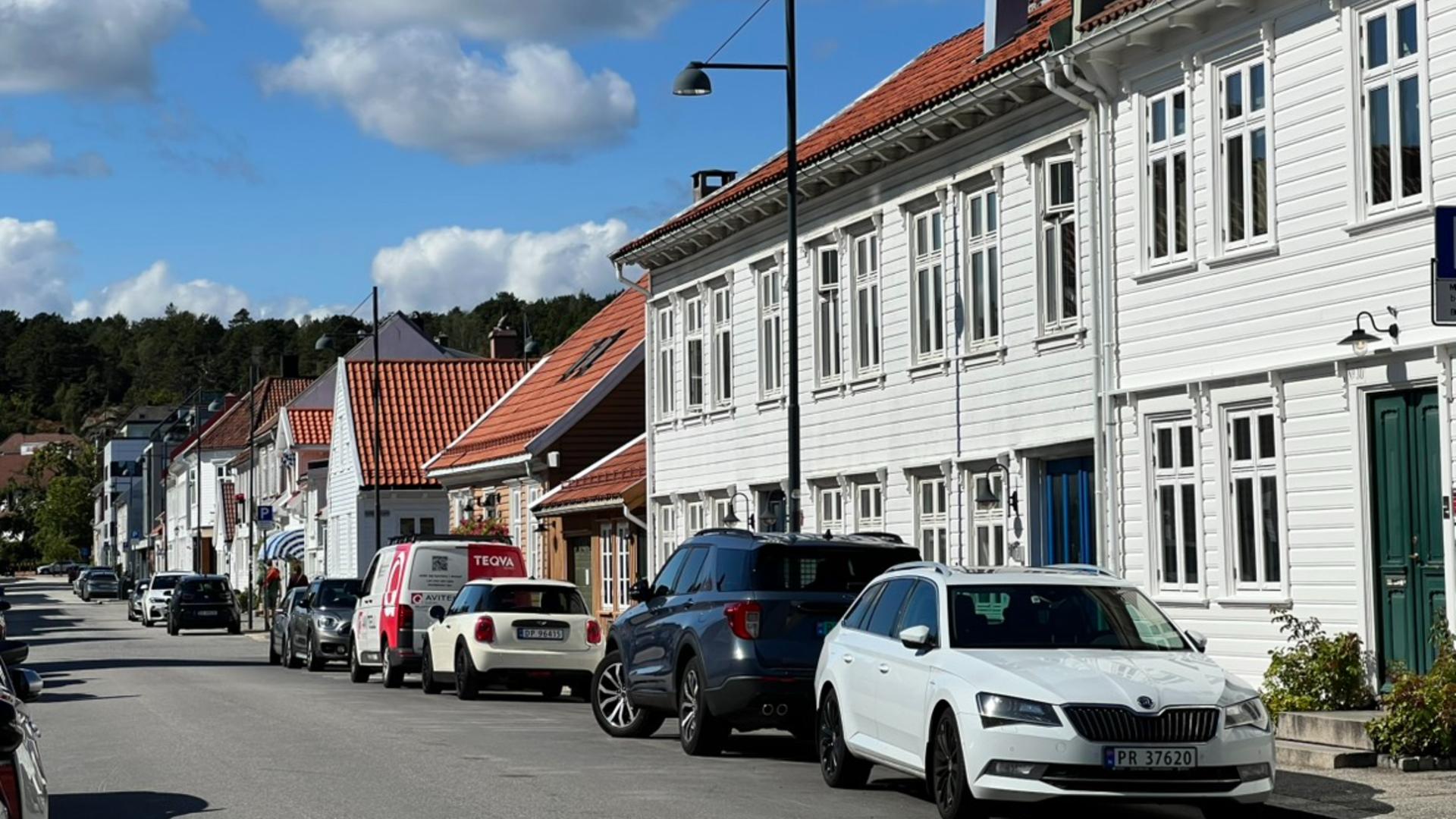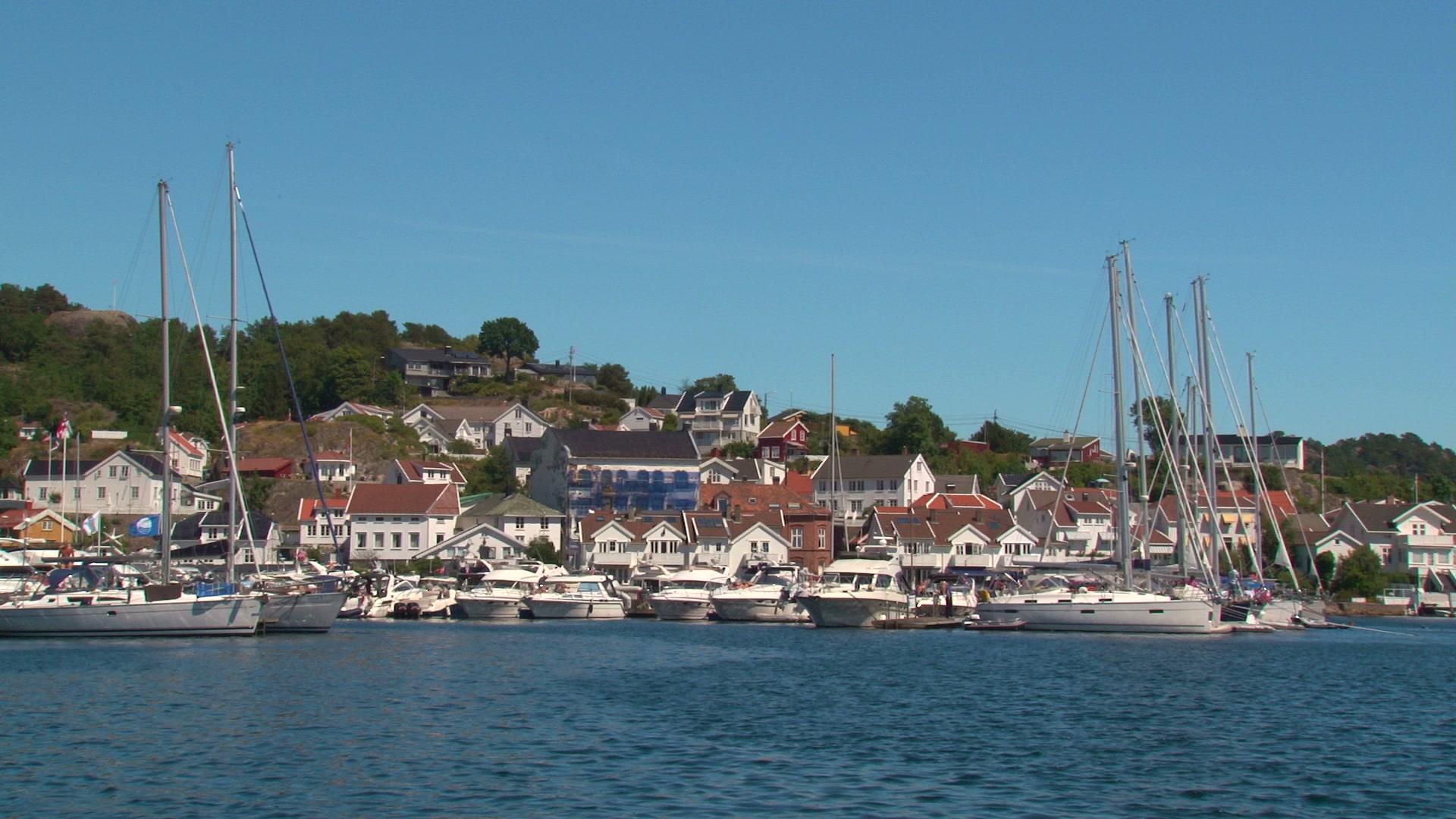
Grimstad is known as the town of poets, and the connection runs deeper than marketing. Henrik Ibsen arrived here as a fifteen-year-old pharmacy apprentice in 1843 and left six years later as the author of his first play, Catilina. The pharmacy where he worked and the room where he wrote are preserved in the Ibsenmuseet, Norway's oldest author museum. Knut Hamsun also has ties to the town.
But Grimstad was built on ships, not poetry. In the 1800s, this small town was one of Norway's largest shipping centres relative to its population. Shipyards lined the shore, and Aust-Agder was the most important maritime region in the country. The shipowner Morten Smith Petersen ran his yard at Hasseldalen from 1848, building high-quality sailing vessels and helping to found Det Norske Veritas, the classification society that still certifies ships worldwide. The town's coat of arms shows a sailing ship under full sail.
When the age of sail ended, Grimstad reinvented itself. In 1953, the first Norwegian plastic boat was produced here, after a crashed German transport plane near Grimstad in 1945 had introduced local engineers to fibre-reinforced materials. Herbert Waarum, who had studied the wreck as a student, founded Herwa Plast in 1956 and built over 5,000 boats in 34 designs over the following years. The Grimstad and Arendal area became the heartland of Norway's plastic boat industry: Nidelv, Windy, and others all trace their roots to this stretch of coast. The revolution that put a fibreglass boat in nearly every Norwegian harbour started right here.
But Grimstad was built on ships, not poetry. In the 1800s, this small town was one of Norway's largest shipping centres relative to its population. Shipyards lined the shore, and Aust-Agder was the most important maritime region in the country. The shipowner Morten Smith Petersen ran his yard at Hasseldalen from 1848, building high-quality sailing vessels and helping to found Det Norske Veritas, the classification society that still certifies ships worldwide. The town's coat of arms shows a sailing ship under full sail.
When the age of sail ended, Grimstad reinvented itself. In 1953, the first Norwegian plastic boat was produced here, after a crashed German transport plane near Grimstad in 1945 had introduced local engineers to fibre-reinforced materials. Herbert Waarum, who had studied the wreck as a student, founded Herwa Plast in 1956 and built over 5,000 boats in 34 designs over the following years. The Grimstad and Arendal area became the heartland of Norway's plastic boat industry: Nidelv, Windy, and others all trace their roots to this stretch of coast. The revolution that put a fibreglass boat in nearly every Norwegian harbour started right here.