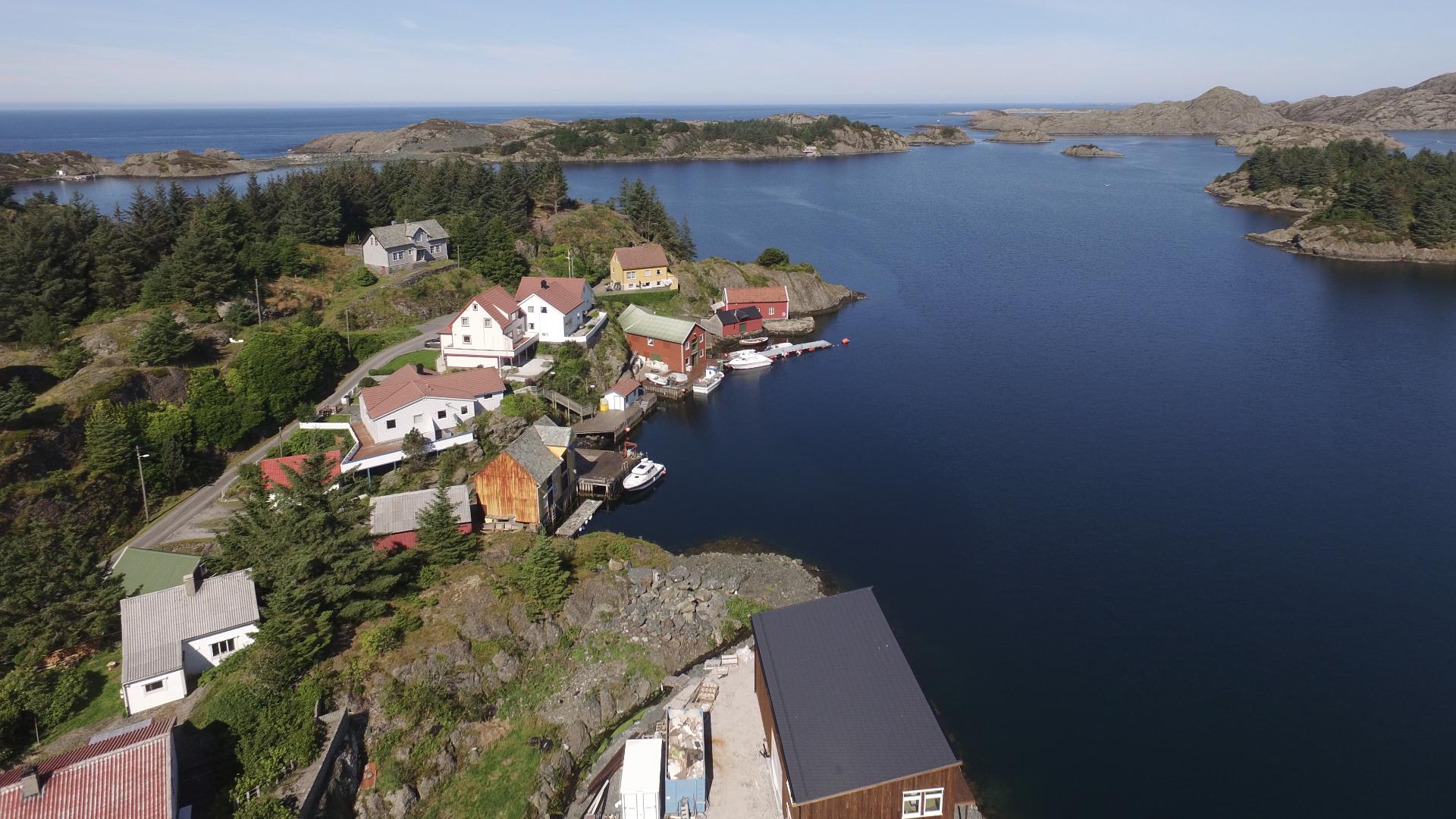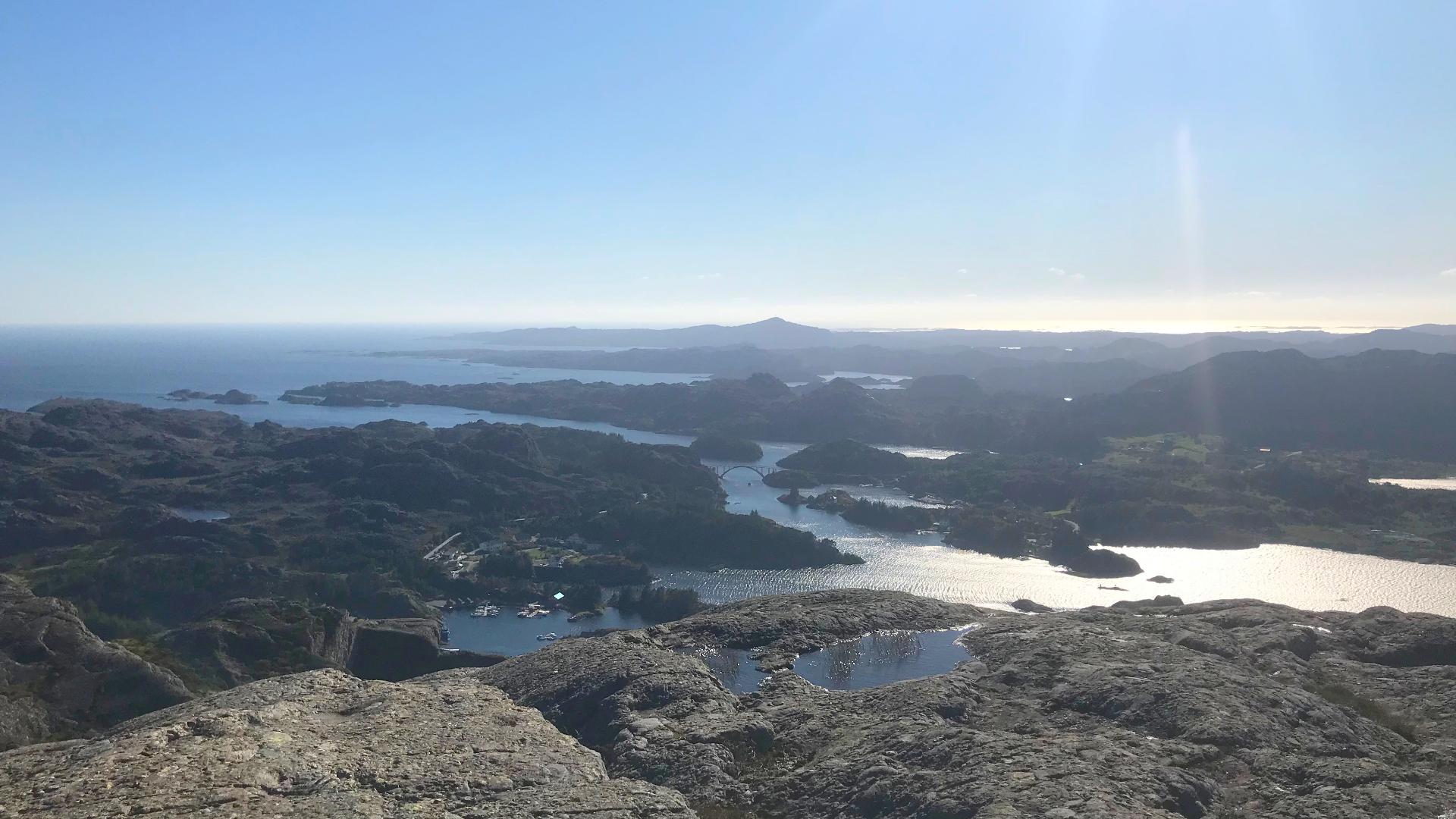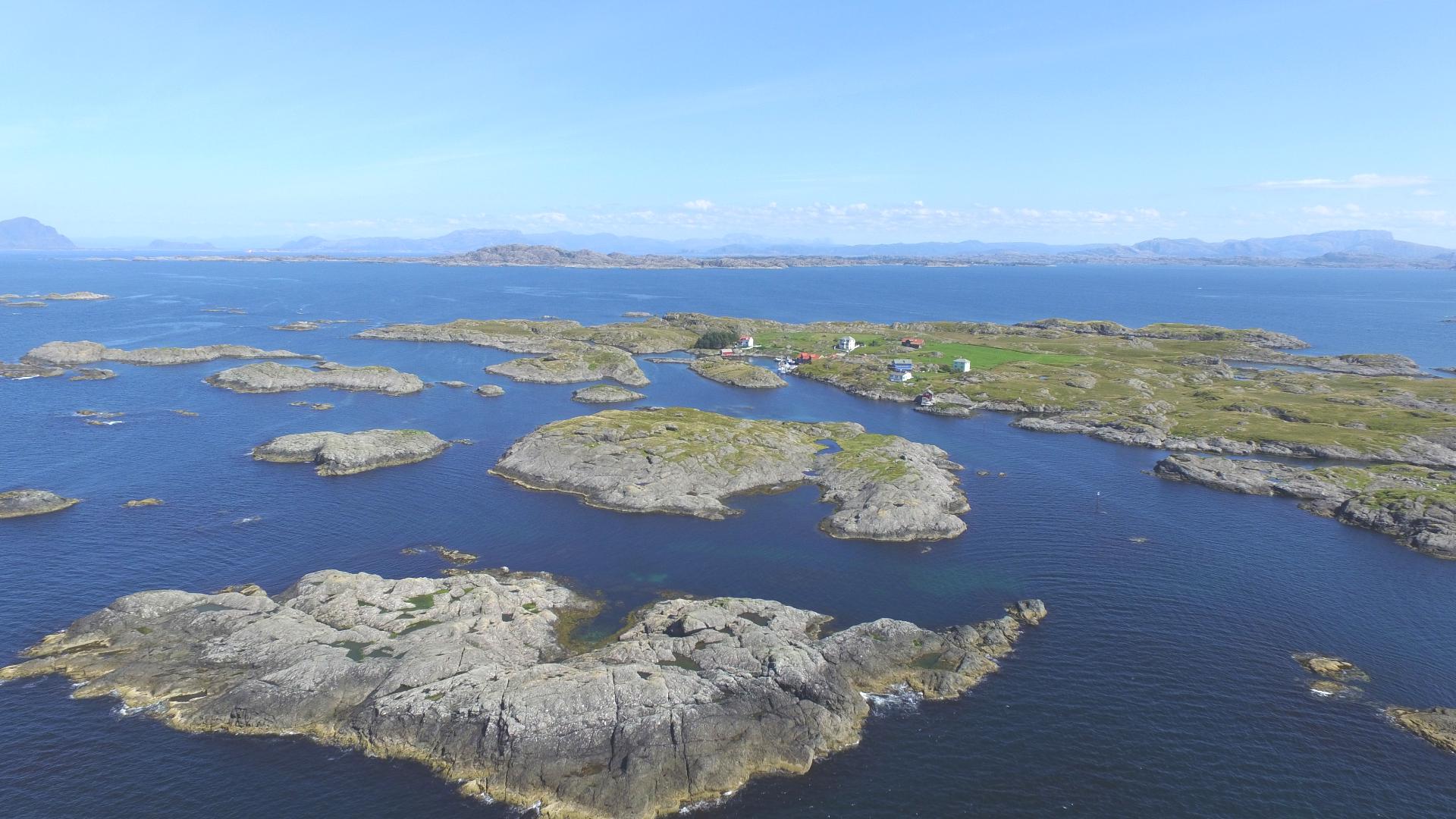
Gåsvær is believed to be the westernmost farm in Norway. It is a one-kilometer-long island far out in the sea, weather-exposed but with a surprisingly good harbour. People have fished here for centuries, and in 1755 it officially became a trading post when Jørgen Petter Møller from Bergen received trading privileges.
By the 1760s, Vilhelm Lexau had bought the island and was permitted to run an inn alongside the trade. He was instructed to brew his own beer but had to buy the brandy from Bergen. Lexau lived in Bergen himself, so the place was run by German-style apprentices called Geselle. The trading post changed hands several times before shutting down around 1850.
The old residential building, partly dating back to the 1700s, still stands so close to the sea that spring tides flood the lowest rooms. One of the living rooms was supposedly built from the wreckage of a sailing vessel, with bent roof beams from the ship's stern. The sea warehouse from 1904 is also still there.
From 1900 to 1970, salmon fishing was the main income. Remarkably, Gåsvær had no regular boat service until the 1990s, yet people never left. About 17 people were still living here in 2001. The postboat from Hardbakke stops here for about 30 minutes, enough time to walk around the old trading post and get a sense of a place that has quietly refused to be abandoned.
By the 1760s, Vilhelm Lexau had bought the island and was permitted to run an inn alongside the trade. He was instructed to brew his own beer but had to buy the brandy from Bergen. Lexau lived in Bergen himself, so the place was run by German-style apprentices called Geselle. The trading post changed hands several times before shutting down around 1850.
The old residential building, partly dating back to the 1700s, still stands so close to the sea that spring tides flood the lowest rooms. One of the living rooms was supposedly built from the wreckage of a sailing vessel, with bent roof beams from the ship's stern. The sea warehouse from 1904 is also still there.
From 1900 to 1970, salmon fishing was the main income. Remarkably, Gåsvær had no regular boat service until the 1990s, yet people never left. About 17 people were still living here in 2001. The postboat from Hardbakke stops here for about 30 minutes, enough time to walk around the old trading post and get a sense of a place that has quietly refused to be abandoned.