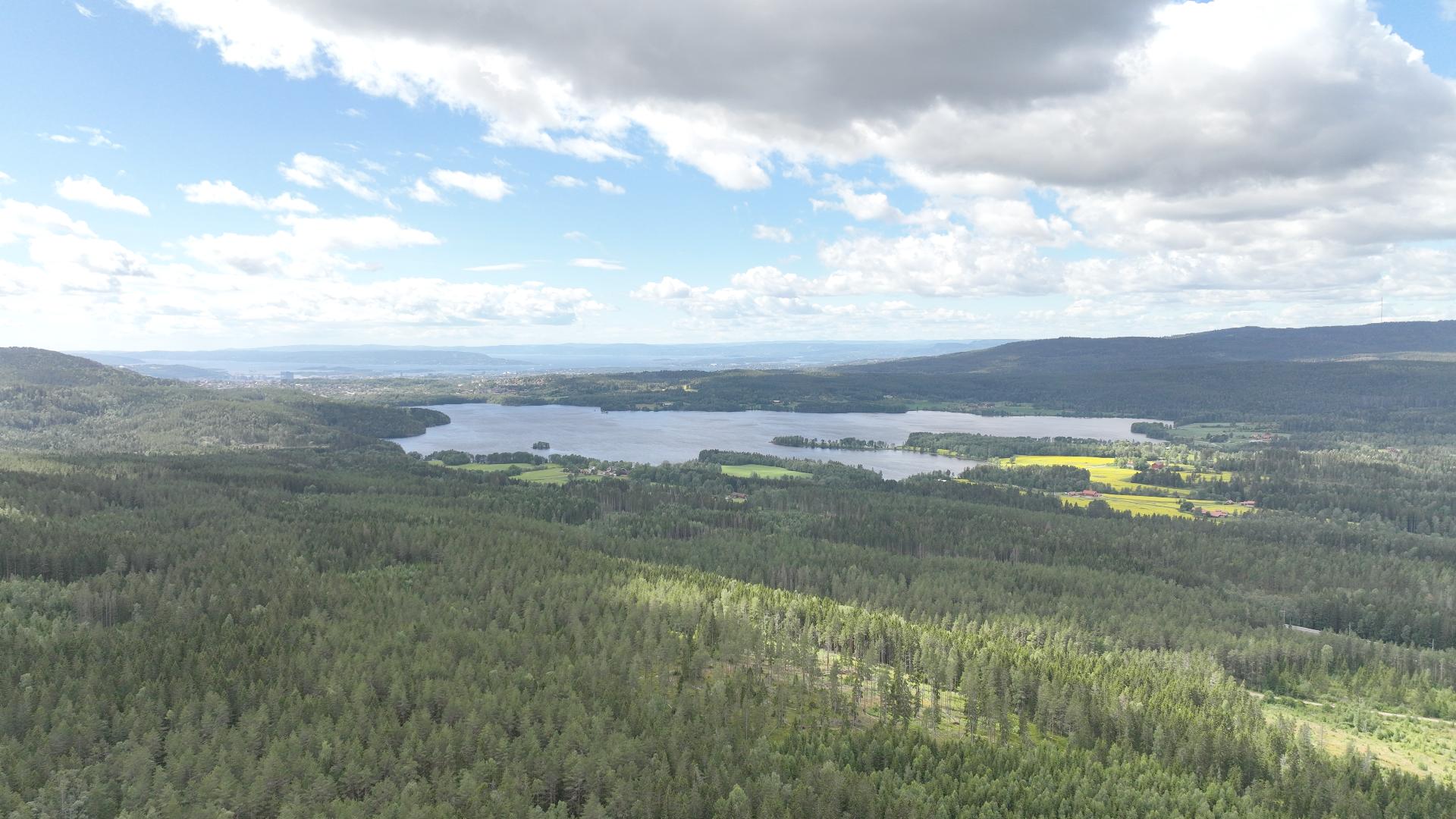
Frognerseteren is the terminus of metro line 1, high above the city on the edge of Nordmarka. The name means the mountain pasture of the Frogner farm, connecting it to the upscale neighbourhood far below. But the reason this area is public land at all is thanks to one man: Thomas Johannessen Heftye.
Heftye was a banker, consul and one of Norway's wealthiest men in the nineteenth century. He bought the Frognerseteren estate in 1864 and built a grand country house here in 1866-67, designed in the traditional Telemark style with carved wooden details. He also acquired the surrounding areas of Sabråten and Tryvannshøyden, and crucially, he opened all of it for public recreation already during his own lifetime. In 1868, Heftye co-founded Den Norske Turistforening, the Norwegian Trekking Association, which to this day maintains hiking trails and mountain cabins across the country. He was also a patron of the arts, supporting writers like Bjørnstjerne Bjørnson and painters like Hans Gude.
After Heftye's death in 1886, the municipality of Kristiania purchased the estate in 1889, making it Oslo's first municipally owned forest and permanently securing public access to the hills above the city. Without Heftye's vision, Nordmarka might well have ended up as private land.
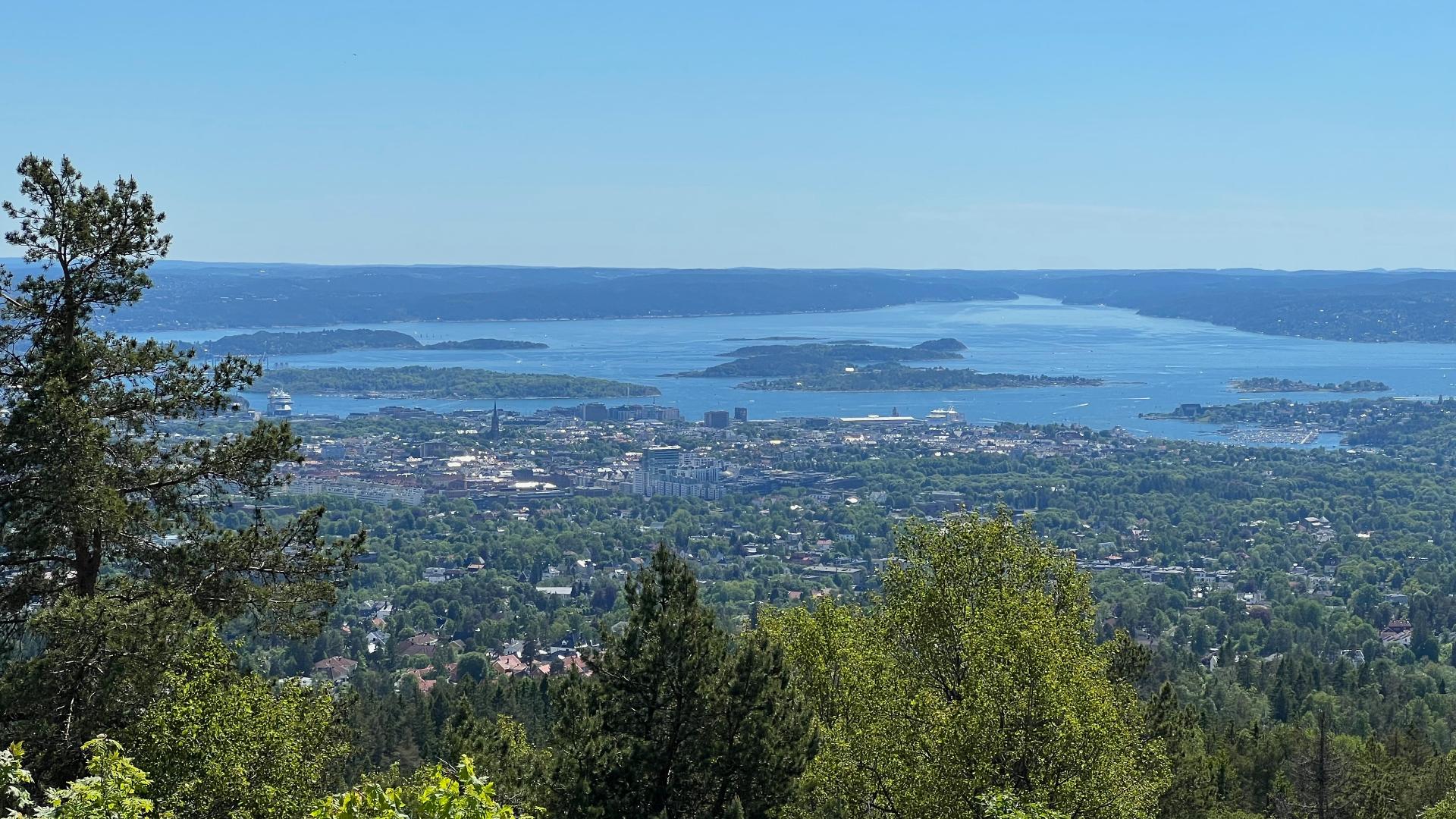
Today the restaurant at Frognerseteren is housed in a grand log building from the 1890s that looks like something out of a fairy tale, all carved wooden dragons and wide terraces with views over the city and the fjord. It serves traditional Norwegian food and is popular with both tourists and locals. Even if you do not eat there, the terrace is open and the view is free.
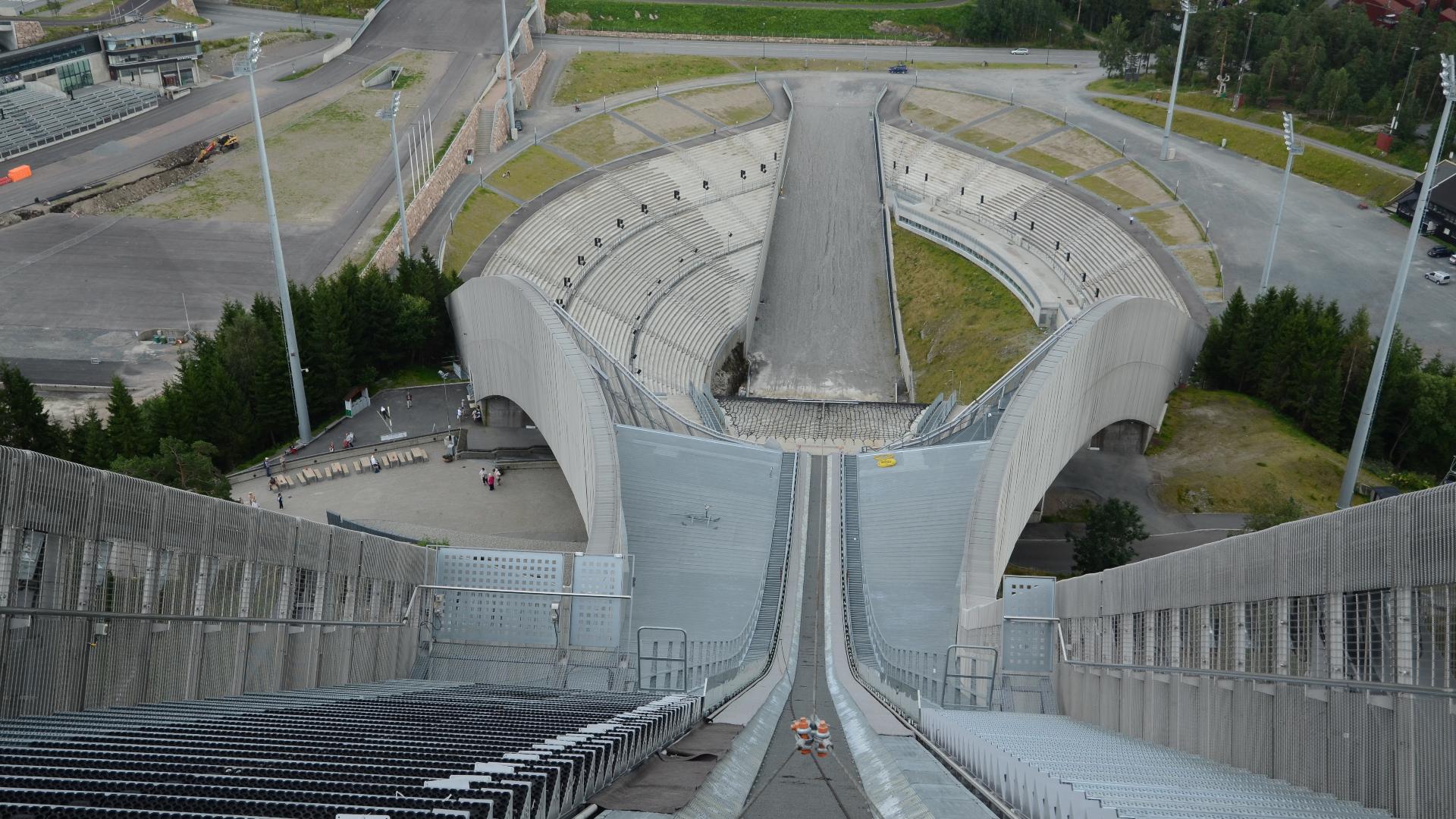
Frognerseteren is also the starting point for several popular activities. Korketrekkeren, the Corkscrew, is a toboggan slope that winds from Frognerseteren down to Midtstuen, a drop of about 250 metres over two kilometres. Sledges can be rented at the top, and at the bottom you simply take the metro back up for another run. It is enormously popular with families in winter. From Frognerseteren you can also walk down to Holmenkollen in about twenty minutes, or head north into Nordmarka for longer hikes and ski trails.
Heftye was a banker, consul and one of Norway's wealthiest men in the nineteenth century. He bought the Frognerseteren estate in 1864 and built a grand country house here in 1866-67, designed in the traditional Telemark style with carved wooden details. He also acquired the surrounding areas of Sabråten and Tryvannshøyden, and crucially, he opened all of it for public recreation already during his own lifetime. In 1868, Heftye co-founded Den Norske Turistforening, the Norwegian Trekking Association, which to this day maintains hiking trails and mountain cabins across the country. He was also a patron of the arts, supporting writers like Bjørnstjerne Bjørnson and painters like Hans Gude.
After Heftye's death in 1886, the municipality of Kristiania purchased the estate in 1889, making it Oslo's first municipally owned forest and permanently securing public access to the hills above the city. Without Heftye's vision, Nordmarka might well have ended up as private land.
Today the restaurant at Frognerseteren is housed in a grand log building from the 1890s that looks like something out of a fairy tale, all carved wooden dragons and wide terraces with views over the city and the fjord. It serves traditional Norwegian food and is popular with both tourists and locals. Even if you do not eat there, the terrace is open and the view is free.
Frognerseteren is also the starting point for several popular activities. Korketrekkeren, the Corkscrew, is a toboggan slope that winds from Frognerseteren down to Midtstuen, a drop of about 250 metres over two kilometres. Sledges can be rented at the top, and at the bottom you simply take the metro back up for another run. It is enormously popular with families in winter. From Frognerseteren you can also walk down to Holmenkollen in about twenty minutes, or head north into Nordmarka for longer hikes and ski trails.