Fitjar is a small village on the northwestern shore of Stord island, but it carries one of the most dramatic stories in Viking-age Norway. In 961, the Battle of Fitjar took place here, a clash between King Håkon den Gode (Haakon the Good) and the sons of Eirik Blodøks (Eric Bloodaxe), who wanted to reclaim the Norwegian throne.
Håkon won the battle but took a fatal arrow wound during the fighting. He died shortly afterwards at Håkonshella near Bergen and was buried in a mound at Seim in Nordhordland. His death left Norway to the sons of Bloodaxe, ending one of the more competent reigns of the early Norwegian kings.
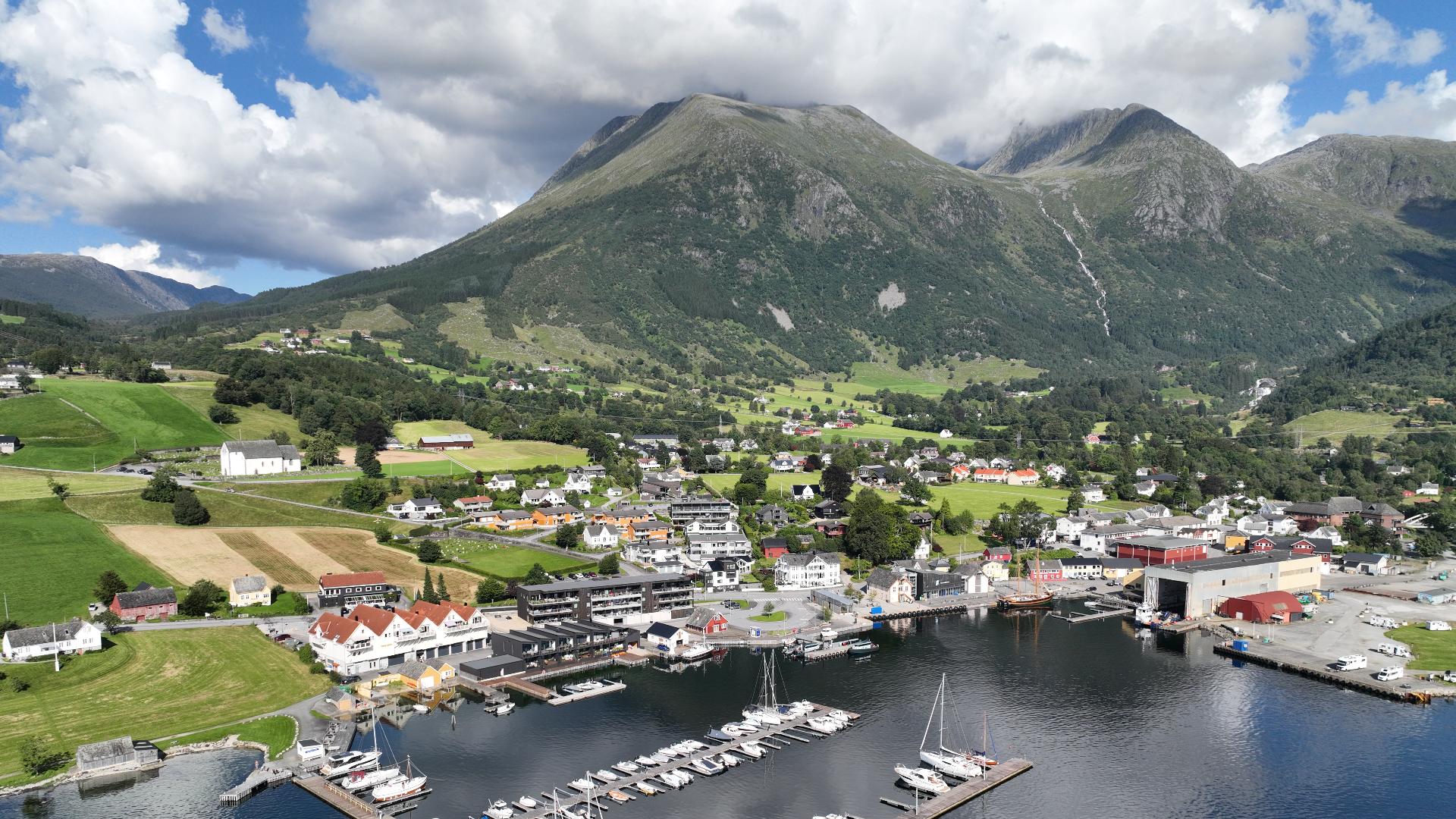
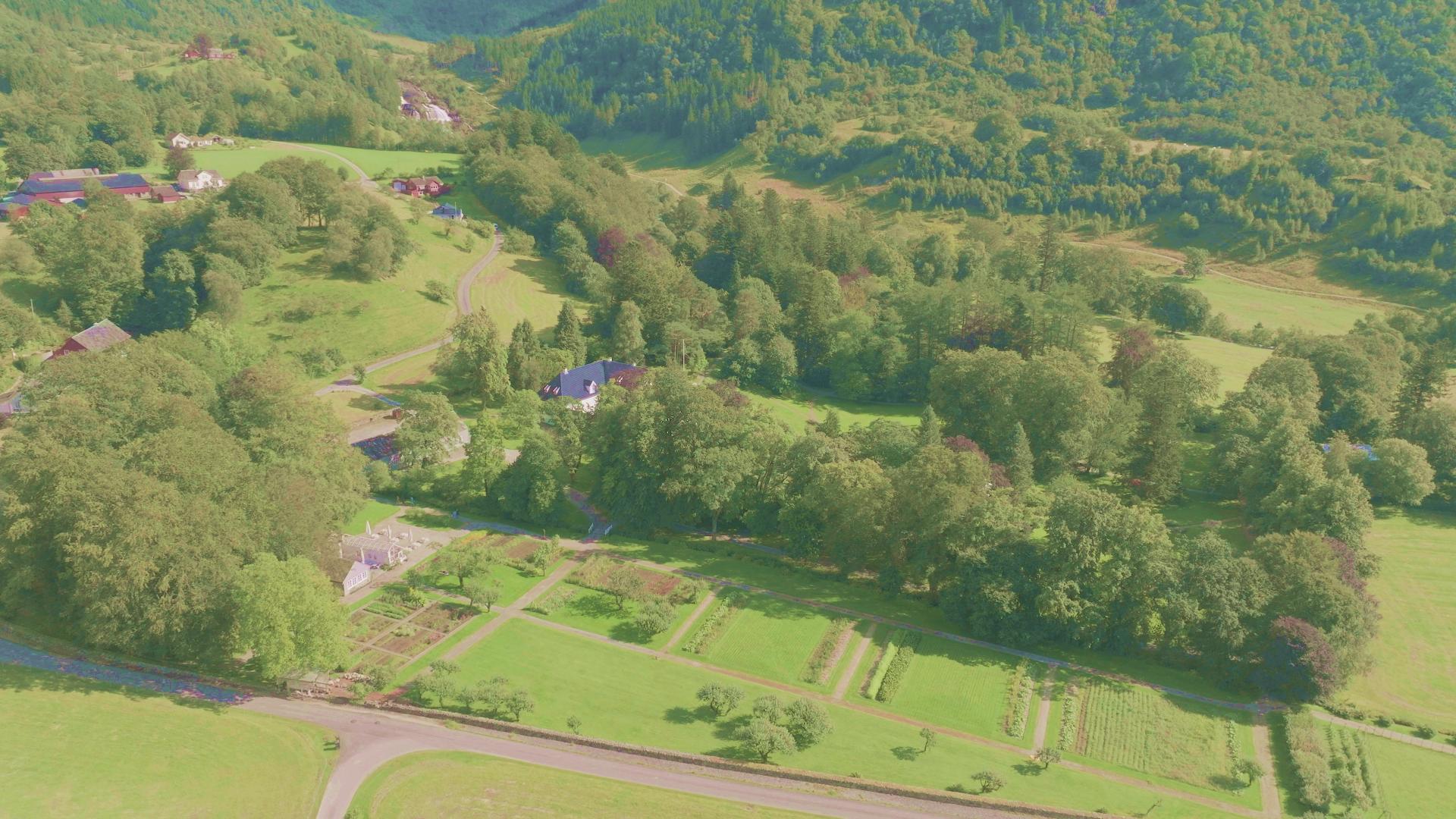
There is not much to see today. The village is quiet, with a church, a small harbour, and flat coastal landscape. The name Fitjar means "meadowland on the banks of water." A monument marks the general area of the battle, though the exact location is unknown.
Håkon won the battle but took a fatal arrow wound during the fighting. He died shortly afterwards at Håkonshella near Bergen and was buried in a mound at Seim in Nordhordland. His death left Norway to the sons of Bloodaxe, ending one of the more competent reigns of the early Norwegian kings.
There is not much to see today. The village is quiet, with a church, a small harbour, and flat coastal landscape. The name Fitjar means "meadowland on the banks of water." A monument marks the general area of the battle, though the exact location is unknown.