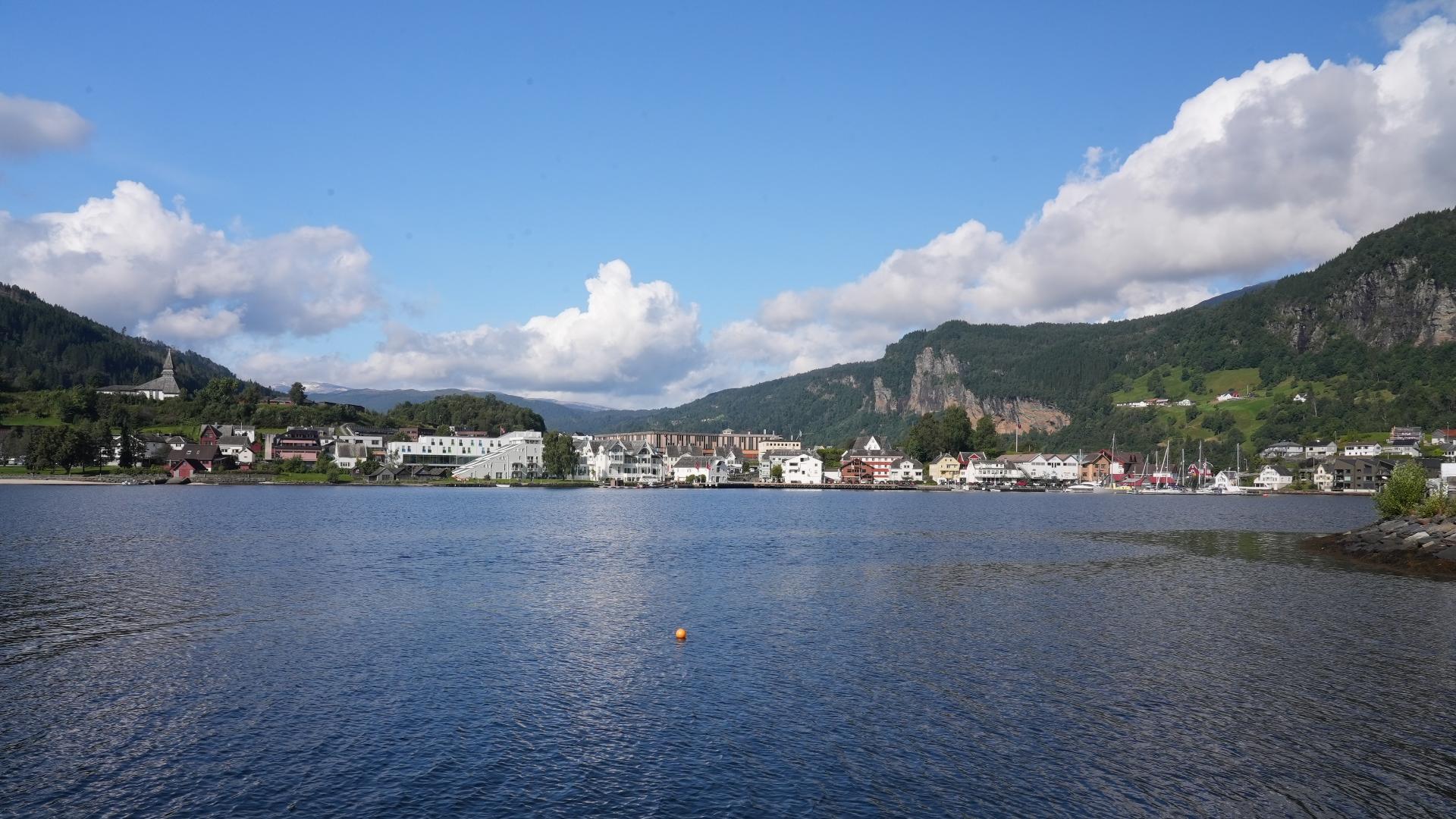
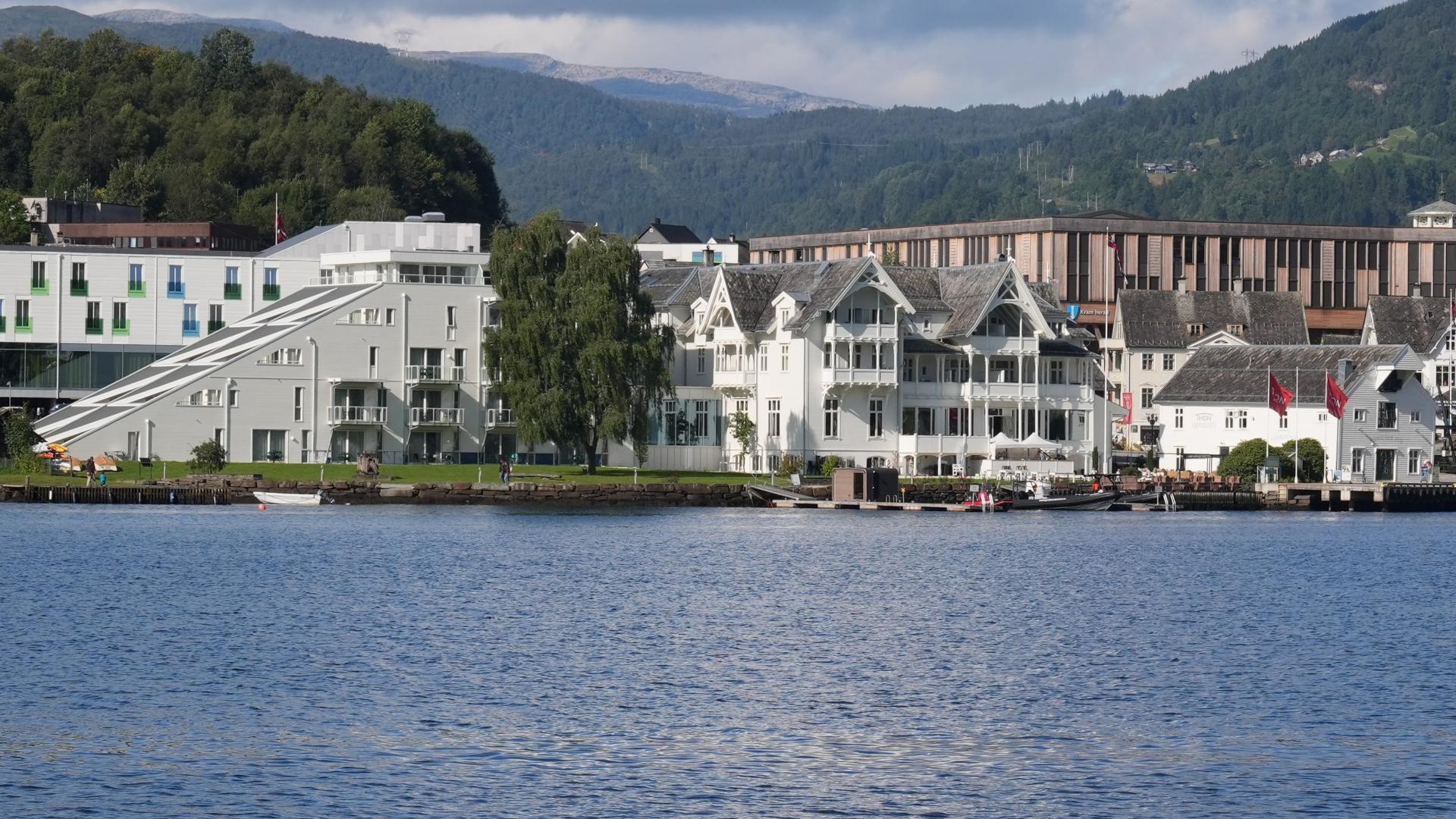
Dale is a small industrial village of around 1,200 people where the Bergsdal river meets the valley floor, about 50 km east of Bergen. For most travellers it would be forgettable - just another stop on the Bergen Railway. But this is where the Norwegian sweater was born.
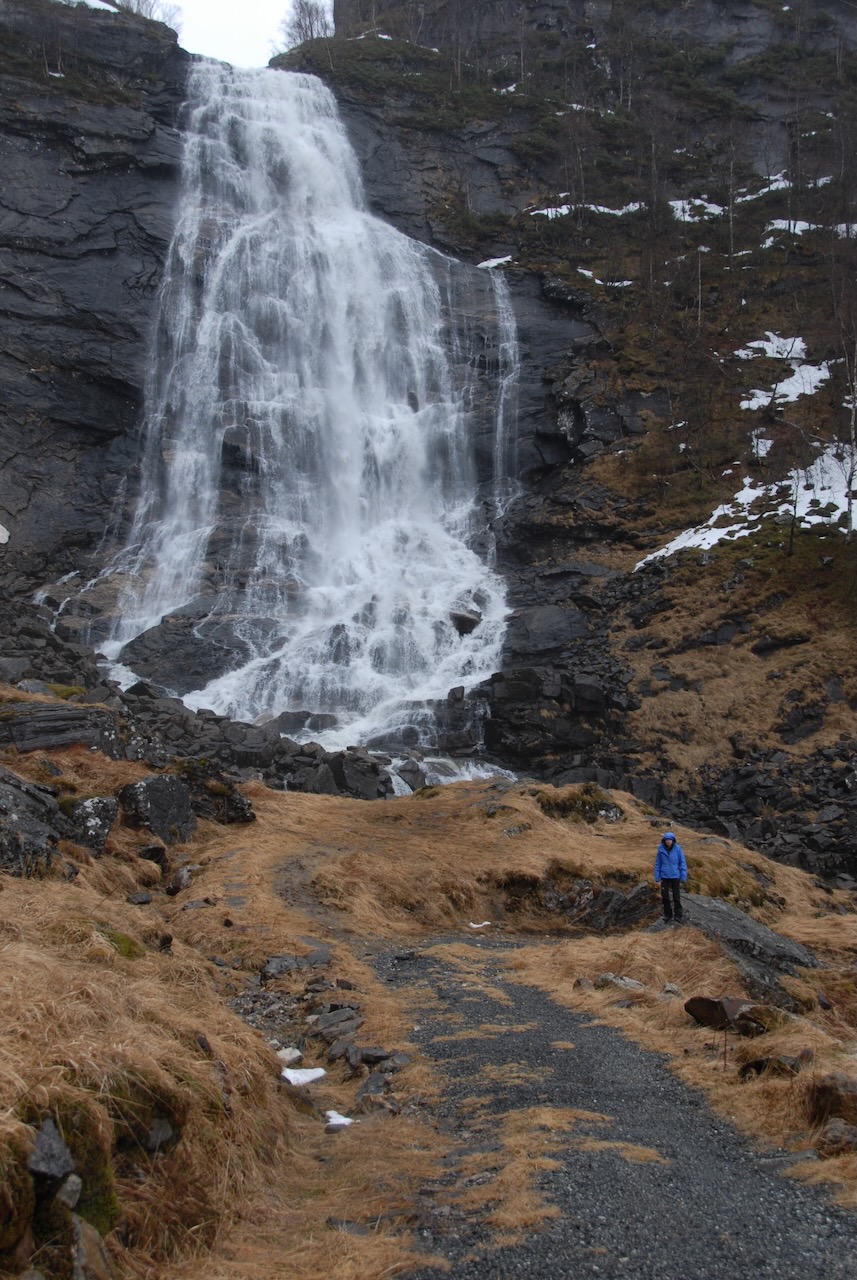
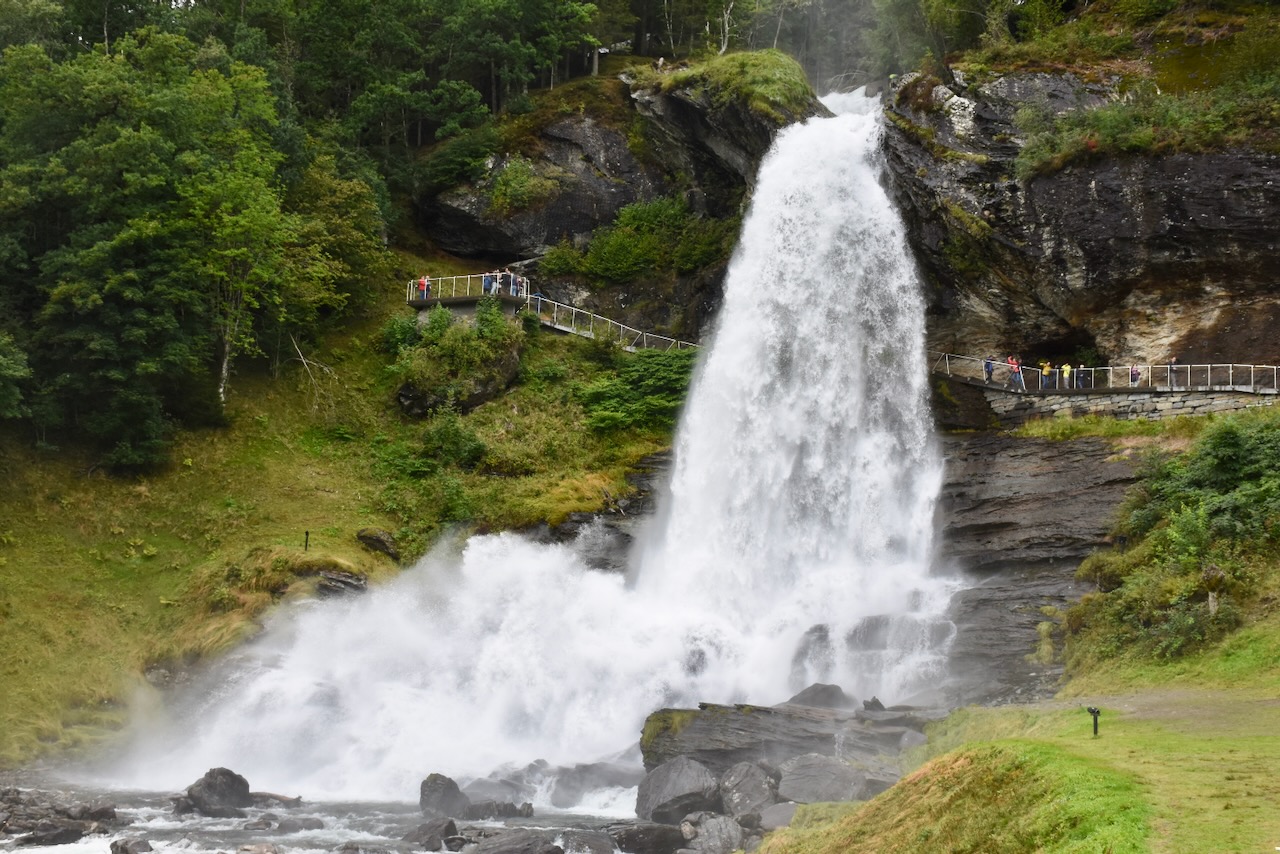
The story starts in 1879 when Peter Jebsen, a Danish-born entrepreneur who had already made his fortune in Bergen, passed through Dale and spotted the Bergsdal river thundering down from the mountains. Where others saw a waterfall, Jebsen saw an inexhaustible source of power.
Norway at the time was desperately poor - many farmers in the valley were considering emigrating to America. Jebsen bought the water rights, had 100 weaving looms shipped from a closed English factory, and on 22 August 1879 the turbines took their first turns.
The factory transformed the valley. Families who had been scraping by on exhausted soil suddenly had steady work. Within 20 years, Dale had grown from a hamlet to Scandinavia's largest textile community. The factory survived a fire in 1880, floods, another fire in 1931, two world wars, and a depression. Jebsen himself became a member of parliament, Norway's largest shipowner, and personally guaranteed part of the construction costs for the Vossebanen railway that would connect his factory to Bergen. When he died in 1892, special trains ran between Dale and Bergen so his workers could pay their respects.
The sweaters came later. In 1956, Norway unified its Olympic committee for the first time - no more separate teams from different ski clubs. The athletes themselves chose Dale to design their official sweater for the Winter Olympics in Cortina d'Ampezzo, Italy. Designer Bitten Eriksen created the Cortina sweater with its bold crosses and Nordic patterns. It captured international attention, and Dale of Norway became a global brand overnight.
Since then, Dale has produced the official Norwegian Olympic sweater for every Winter Games - 18 Olympics and counting. The factory museum displays the complete collection, from 1956 to the present. In 2026, the Winter Olympics return to Cortina, and Dale will outfit the Norwegian team once again - 70 years after that first sweater.
Today you can visit the factory outlet and museum in Dale itself. Entry to the museum and Olympic sweater exhibition is free. For groups of six or more, guided factory tours are available - book in advance. You'll see vintage knitting machines, historical photographs, and watch sweaters being made right below you. The outlet sells discontinued styles, samples, and archive pieces at reduced prices. If you're after authentic Norwegian knitwear, this is as close to the source as you can get.
Dale Station opened in 1883 and is served by the Bergen Commuter Rail - about 45 minutes from Bergen, with trains roughly every hour. The factory is a five-minute walk from the station.