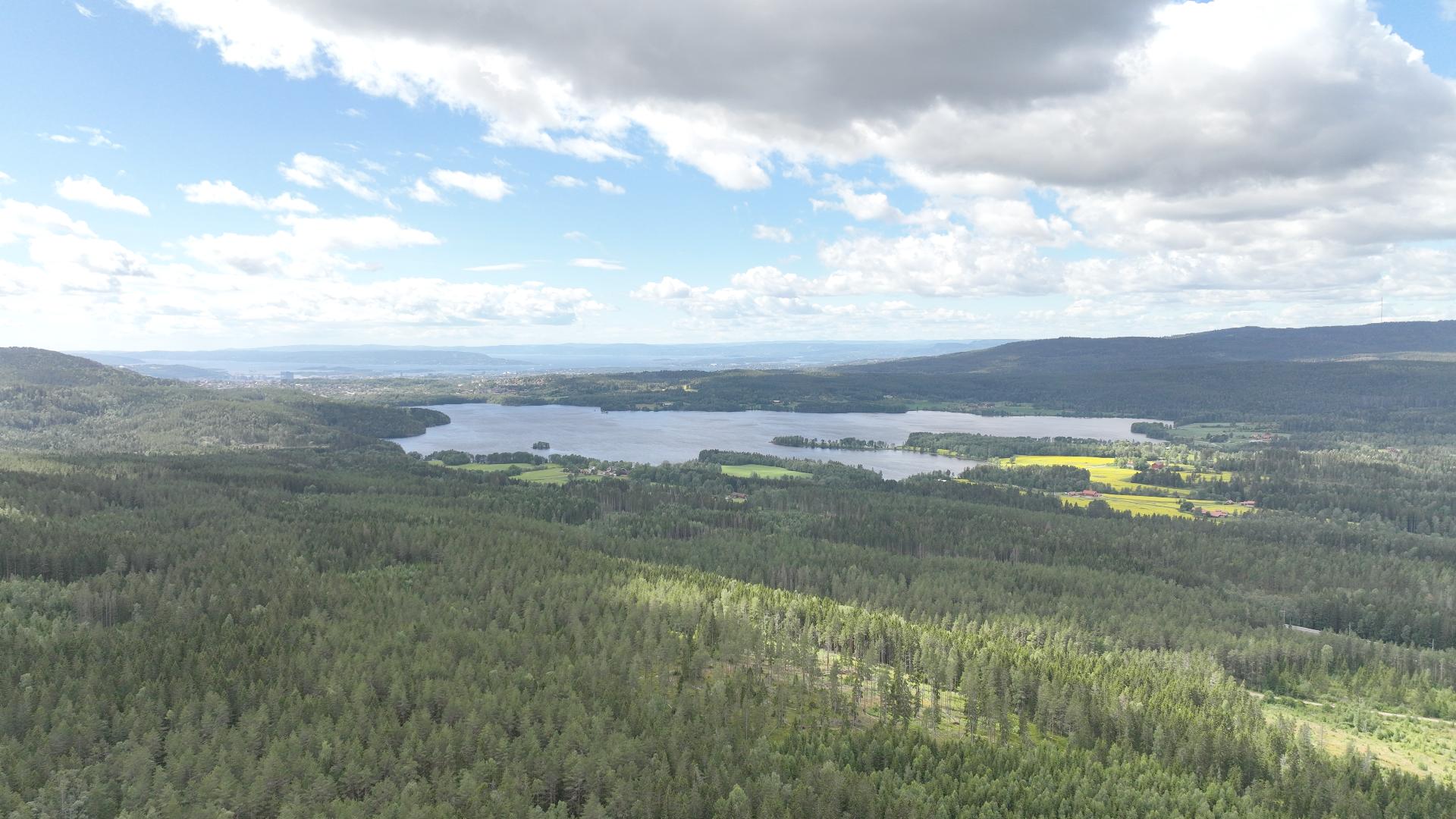
Blaker Skanse was built in the 1670s on orders from Ulrik Frederik Gyldenløve, the Governor-General of Norway, as part of a border fortification programme against Sweden. Completed in 1683 on a hilltop overlooking the Glomma, Norway's longest river, the earthwork fortress was designed both for defence and as a base for offensive operations.
The fortress saw its only military action during the Great Northern War in 1718, when a Swedish army laid siege. The siege collapsed after King Charles XII of Sweden was killed at Fredriksten Fortress in Halden on 11 December that year, and Swedish forces withdrew from Norway entirely. From 1917 to 2003, the fortress housed the State Handicrafts School (Statens Husflidsskole), educating craftsmen and designers for nearly a century.
Today the hilltop grounds with their earthwork ramparts, 18th-century timber buildings, and views over the Glomma are open to visitors. The buildings host cultural events, exhibitions, and occasional historical activities including ghost walks and cannon salutes.
The fortress saw its only military action during the Great Northern War in 1718, when a Swedish army laid siege. The siege collapsed after King Charles XII of Sweden was killed at Fredriksten Fortress in Halden on 11 December that year, and Swedish forces withdrew from Norway entirely. From 1917 to 2003, the fortress housed the State Handicrafts School (Statens Husflidsskole), educating craftsmen and designers for nearly a century.
Today the hilltop grounds with their earthwork ramparts, 18th-century timber buildings, and views over the Glomma are open to visitors. The buildings host cultural events, exhibitions, and occasional historical activities including ghost walks and cannon salutes.