Asker has been a parish since Christianity came to Norway around 1000 AD, and the old stone church from the 1100s anchored the community for centuries. The railway arrived in 1872, connecting the village to Christiania. That single line changed everything. Oslo residents began building summer houses here, drawn by the fjord views and the rolling landscape. By the mid-twentieth century, those summer houses had become year-round homes, and Asker had transformed from a farming parish into one of Norway's wealthiest municipalities.
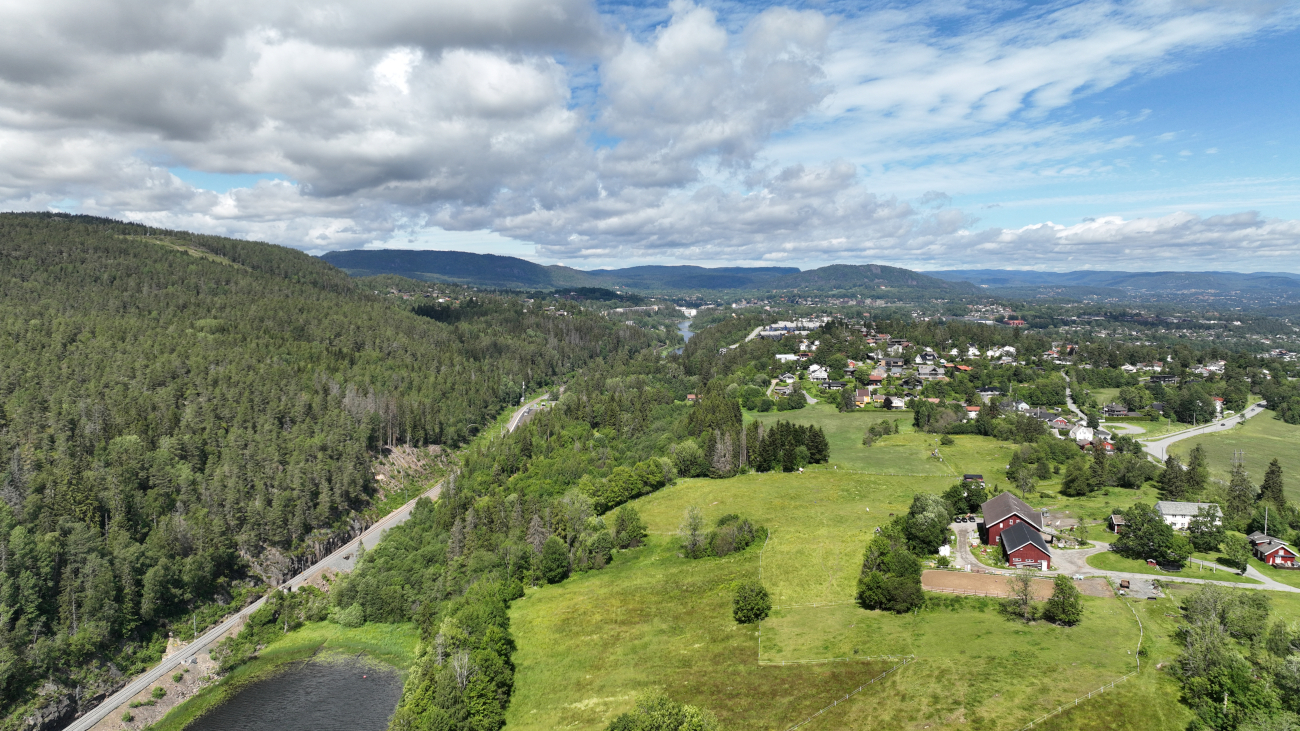
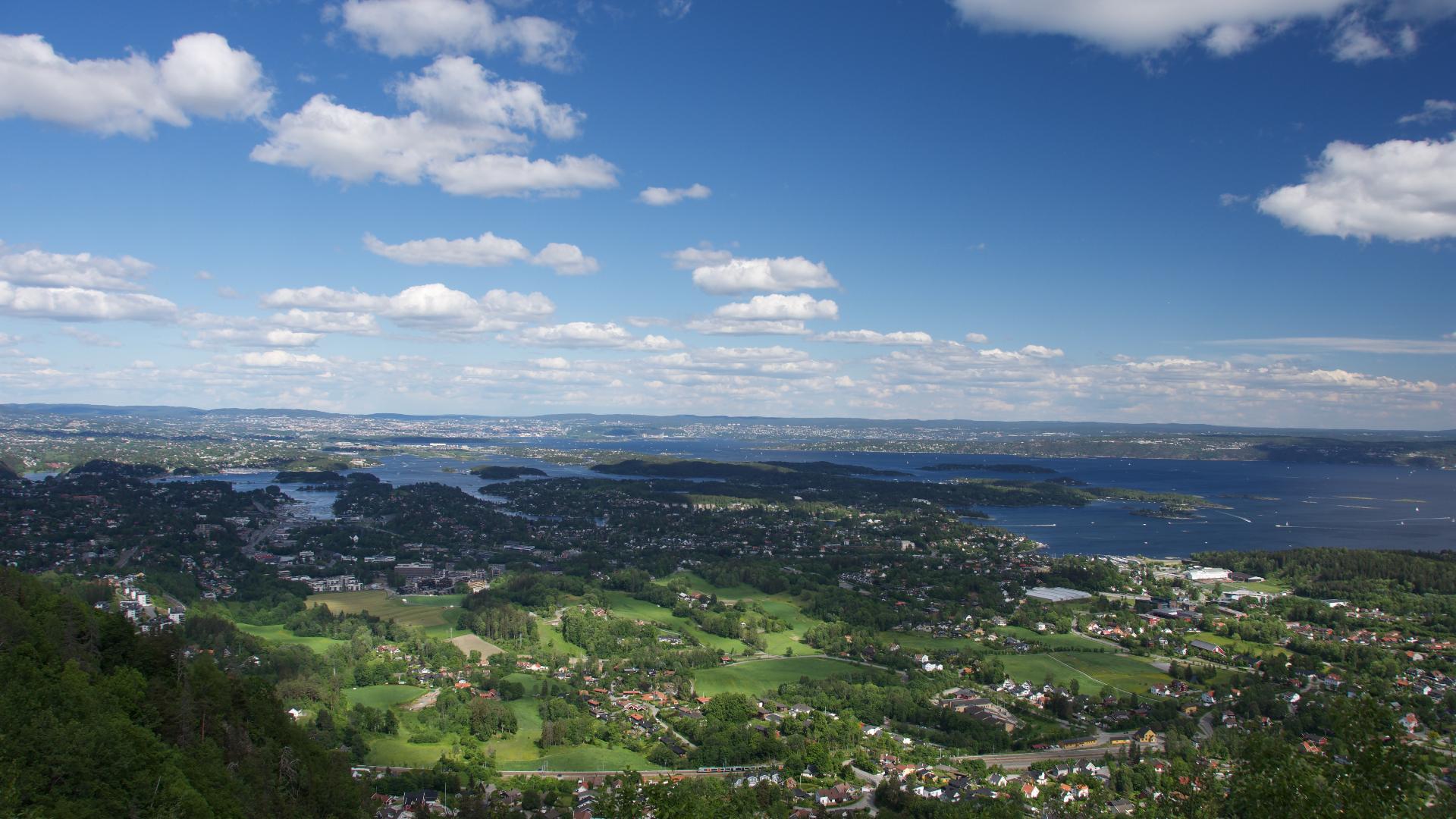
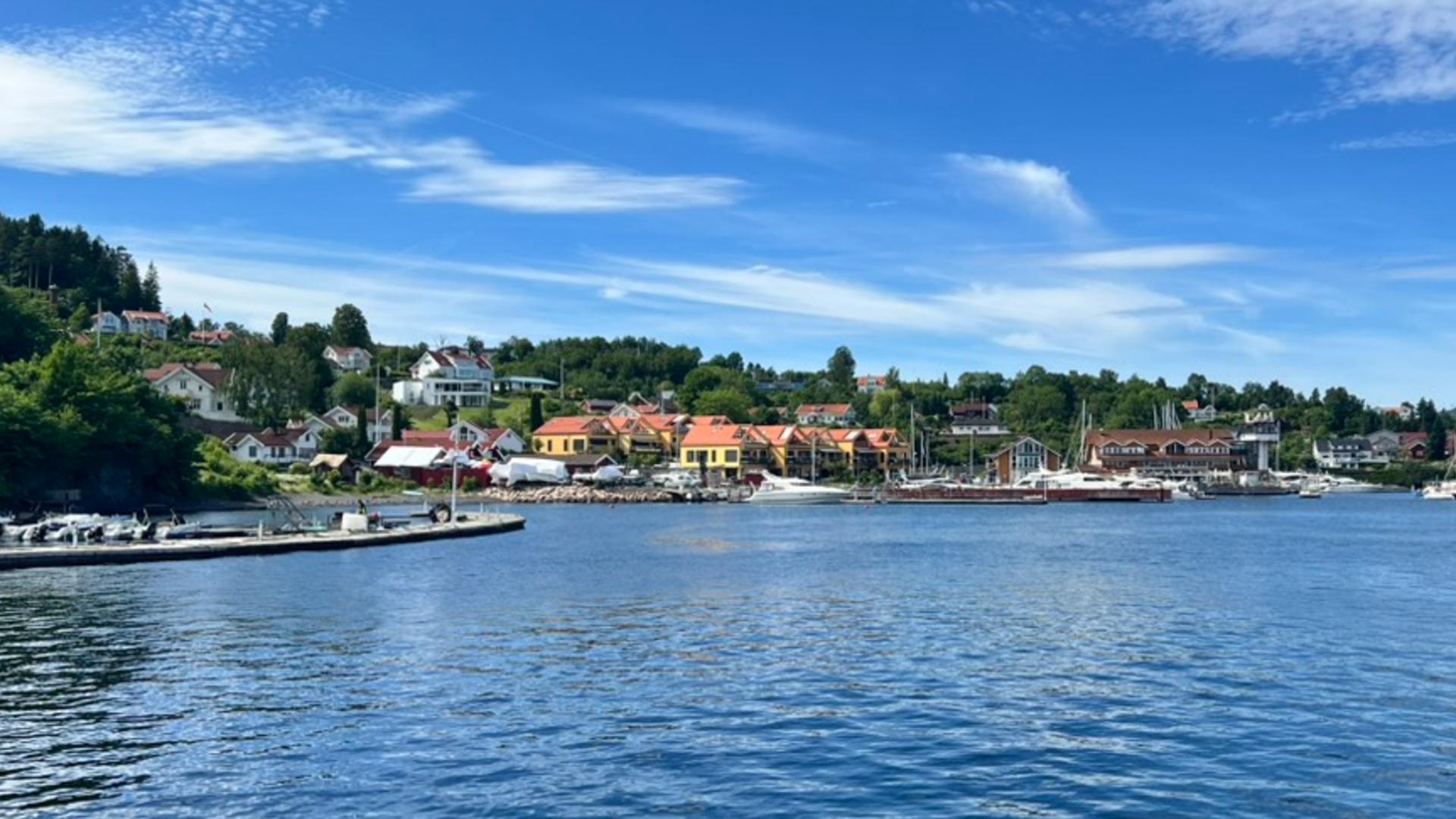
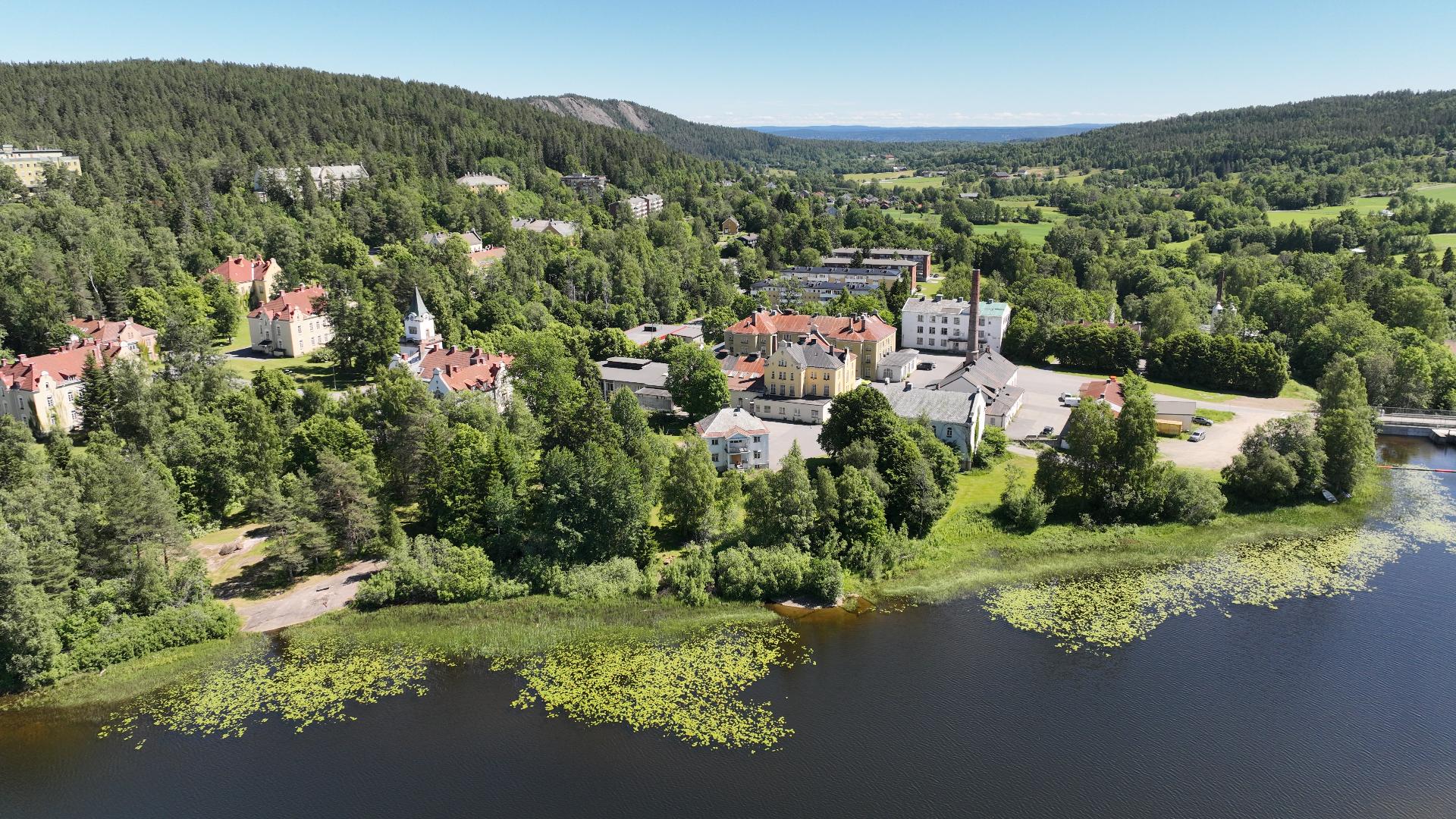
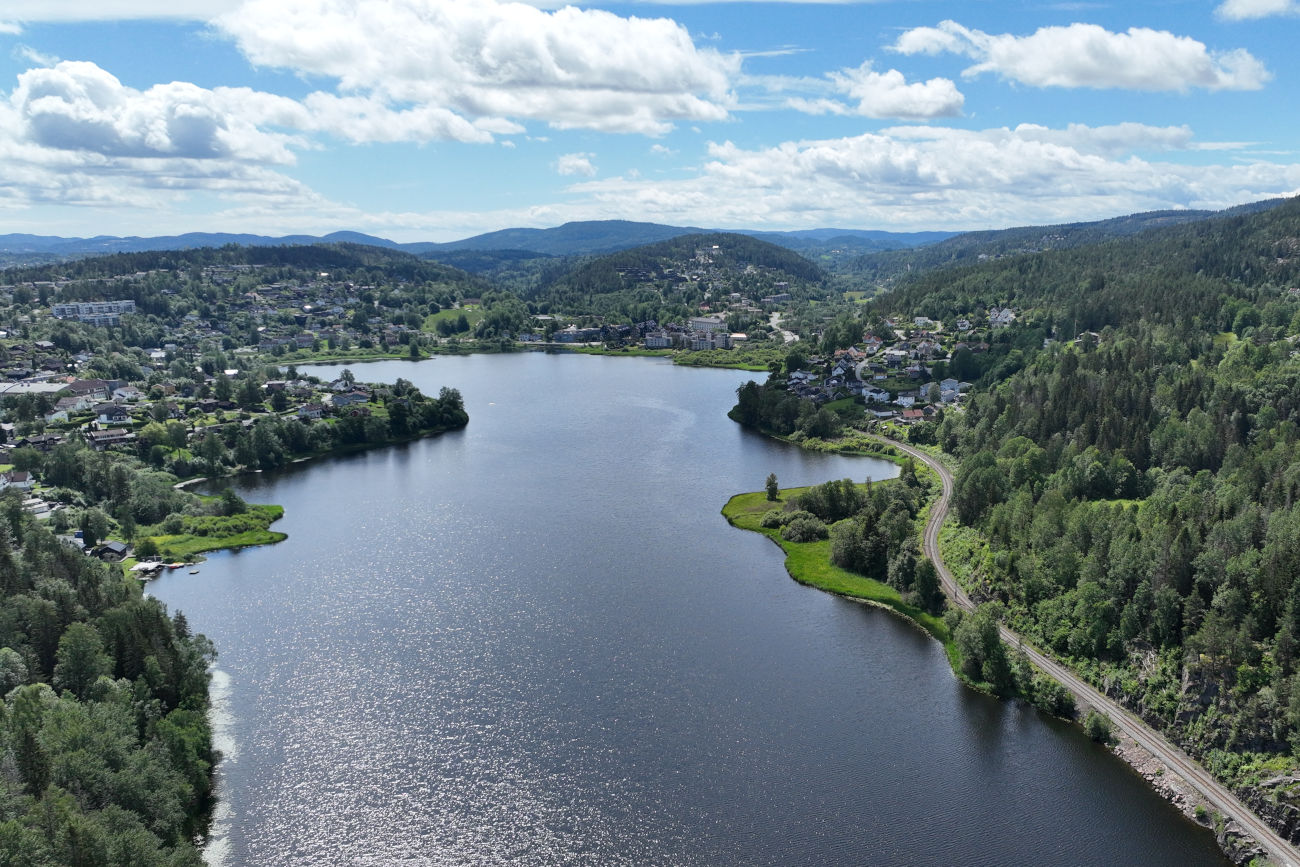
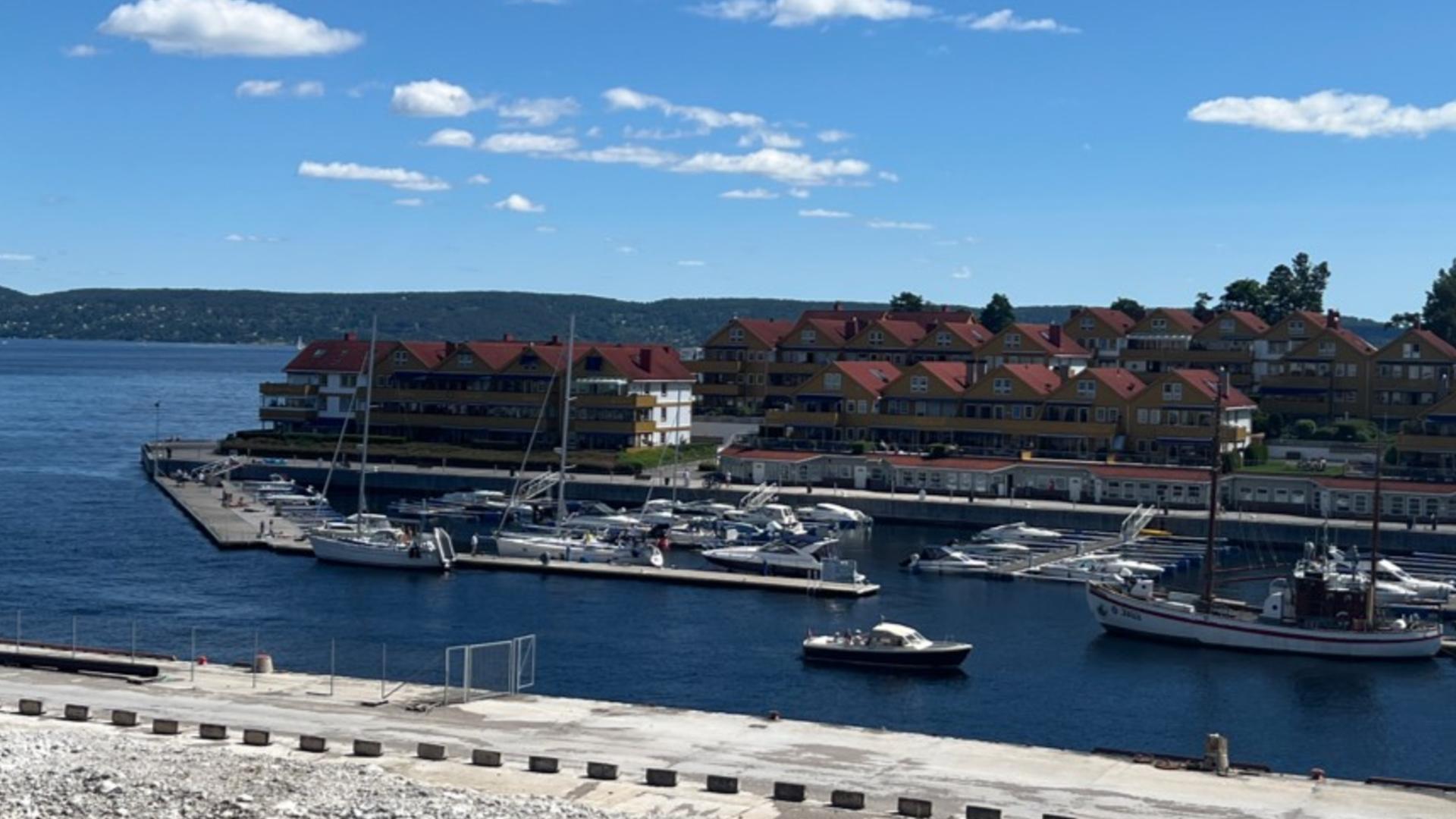
In 2020, Asker merged with the neighbouring municipalities of Røyken and Hurum, tripling its land area. The expanded municipality now stretches from the Oslofjord coast to forested inland hills, combining suburban Asker centre with coastal villages like Vollen and Slemmestad, and the rural communities of the Hurum peninsula.
Today the train takes about 25 minutes to Oslo. The town centre has the practical, understated character typical of Norwegian suburbs. The crown prince's private estate, Skaugum, sits on the hill above town, guarded and closed to visitors.
In 2020, Asker merged with the neighbouring municipalities of Røyken and Hurum, tripling its land area. The expanded municipality now stretches from the Oslofjord coast to forested inland hills, combining suburban Asker centre with coastal villages like Vollen and Slemmestad, and the rural communities of the Hurum peninsula.
Today the train takes about 25 minutes to Oslo. The town centre has the practical, understated character typical of Norwegian suburbs. The crown prince's private estate, Skaugum, sits on the hill above town, guarded and closed to visitors.