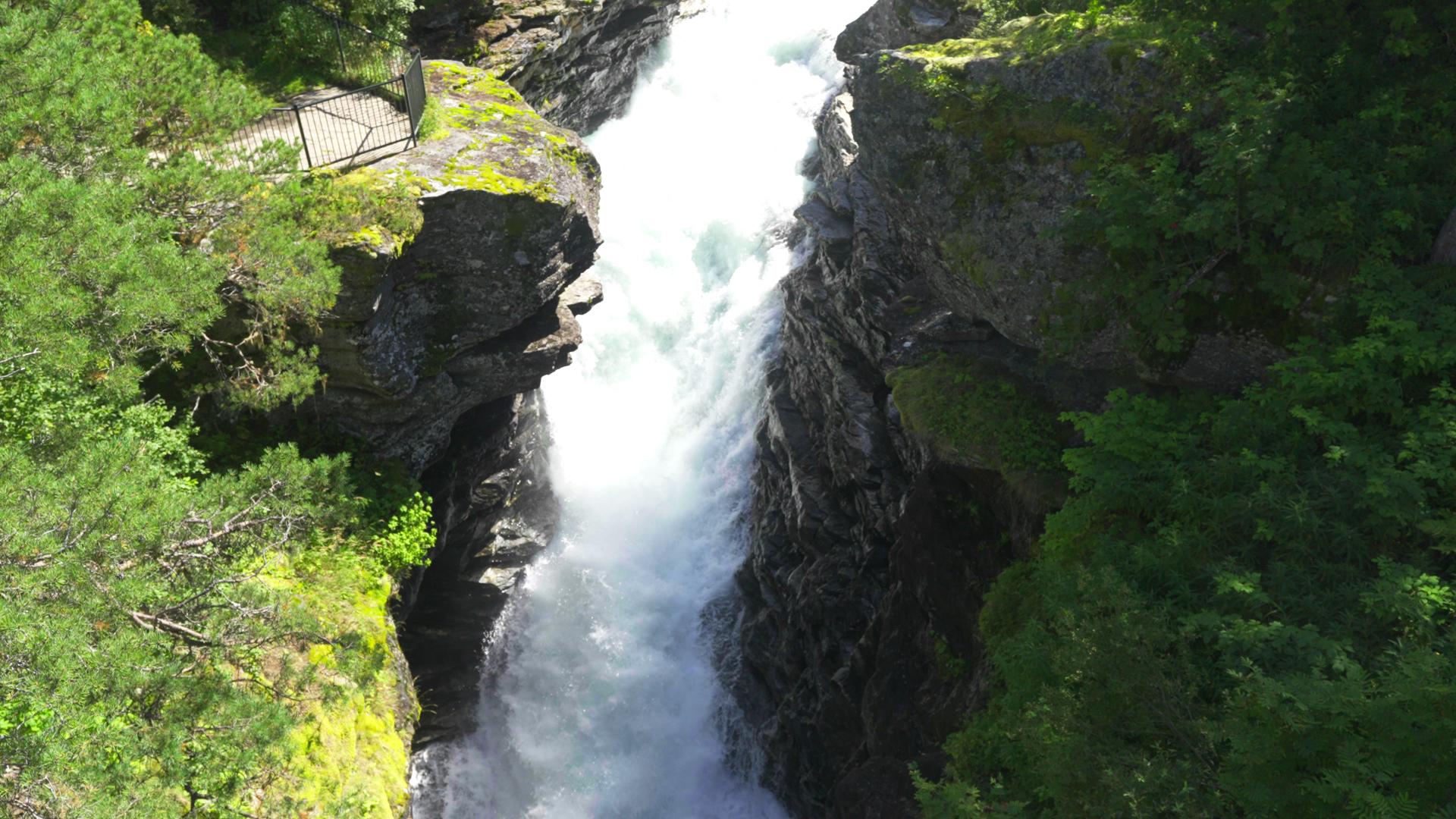
Åndalsnes is a small town of about 2,500 people at the end of the Romsdalsfjord, where the Rauma river meets the sea. It calls itself Norway's mountaineering capital, and for once, that is not an exaggeration.
The town itself is not old. Until the 1860s, there was almost nothing here. The original centre of the area was Veblungsnes, just across the river. But Åndalsnes had a better harbour, and when they needed a terminus for the new road down Romsdalen, this side won. Then came the Rauma railway in 1924, connecting the fjord to eastern Norway for the first time, and the town really started to grow.
In April 1940, that railway became strategically critical. After Germany invaded Norway, British troops landed at Åndalsnes as part of an attempt to retake Trondheim. It failed. But before the retreat, 49 tonnes of gold — 3,000 bars from Norway's central bank — were transported by train to Åndalsnes and shipped out on British warships. The gold was saved. The town was not. German bombing nearly destroyed it entirely, and what you see today was rebuilt from scratch.
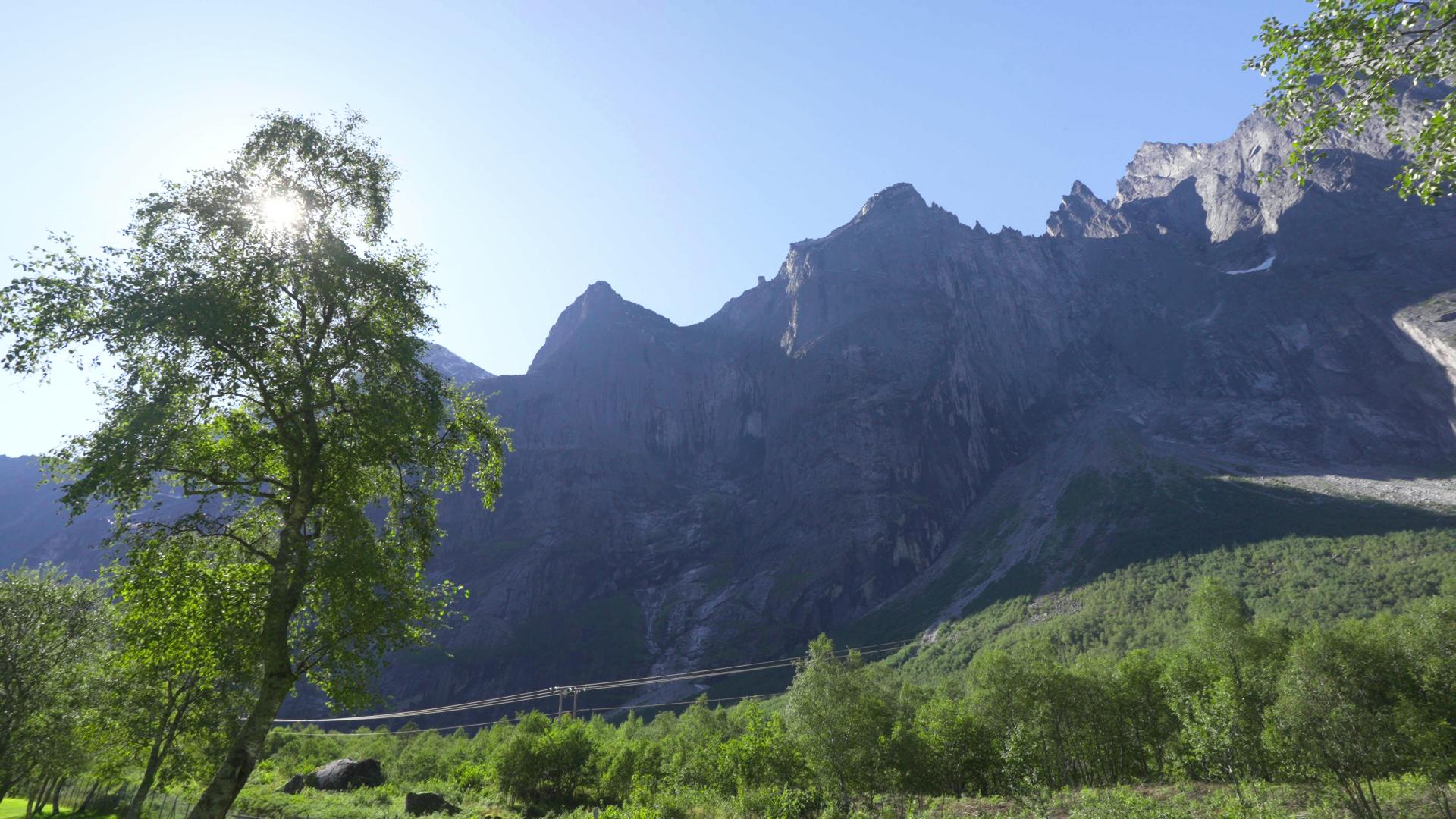
The mountaineering history goes back further. In 1828, two locals named Christen Smed and Hans Bjermeland climbed the 1,550-metre Romsdalshorn on a drunken bet at a wedding. Nobody believed them. It took over 50 years before a Danish climber reached the top in 1881 and found the stone cairn they had left behind.
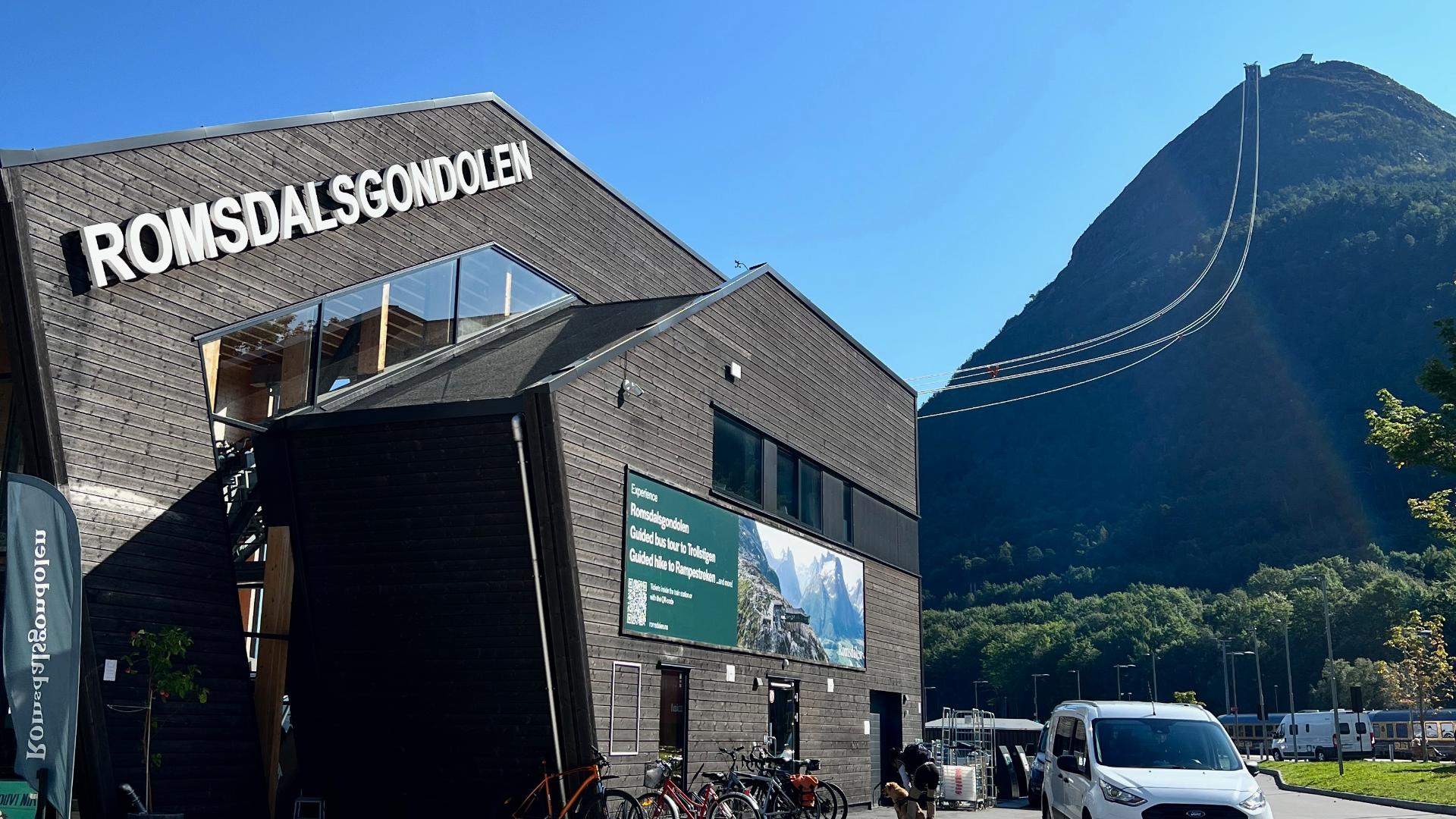
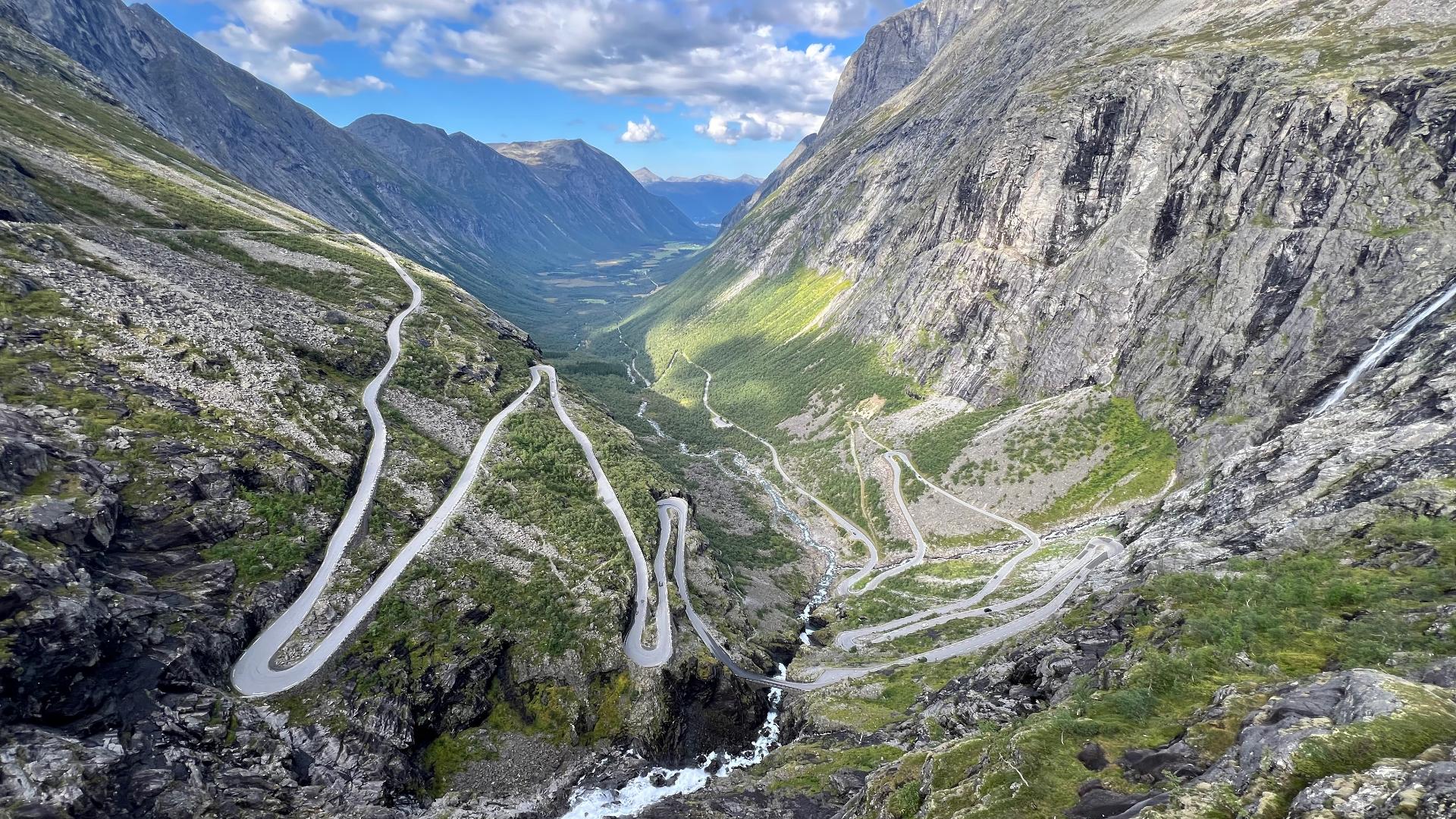
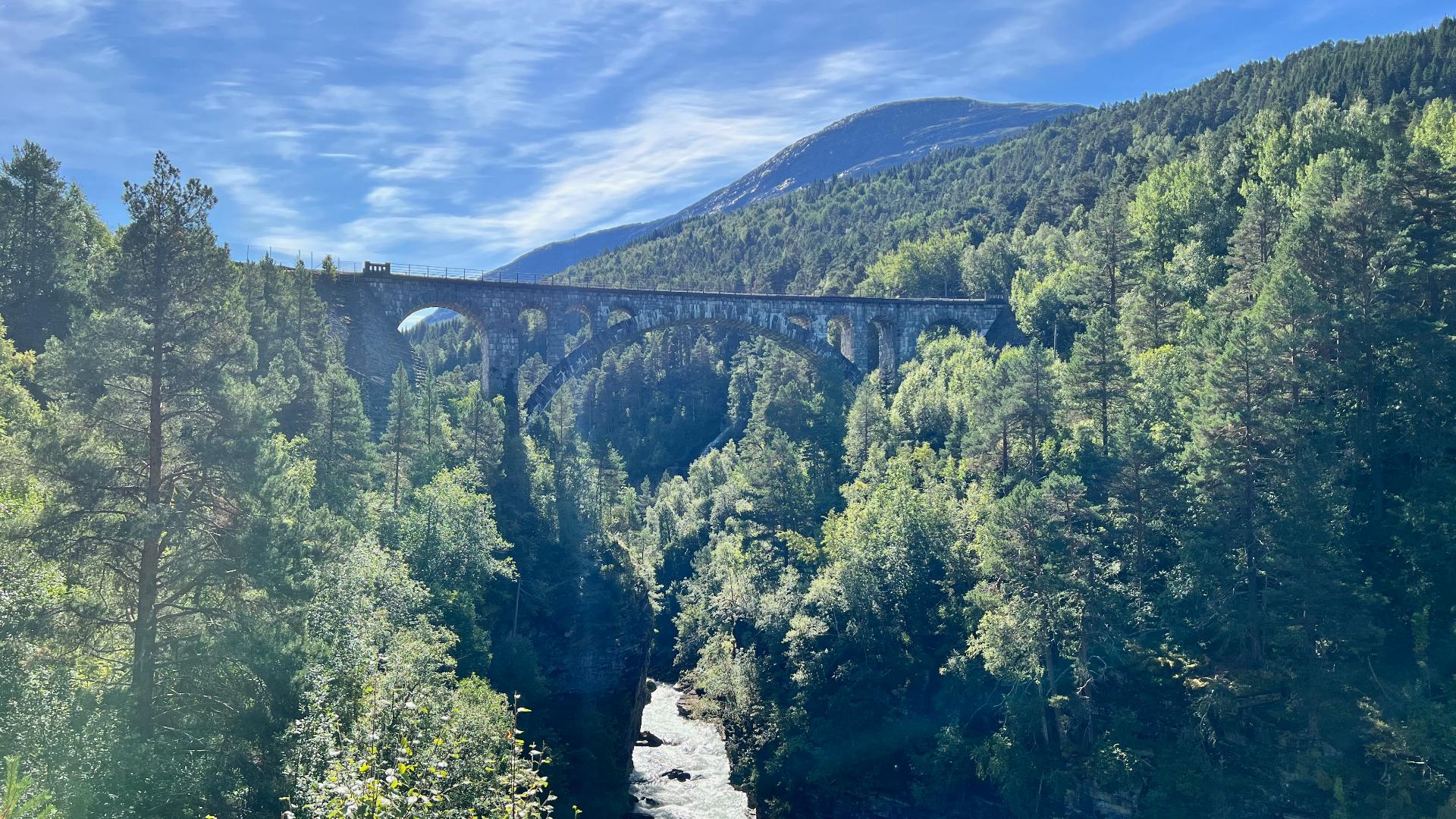
Today, Åndalsnes is a cruise port with around 30 annual calls, the terminus of the Rauma railway — which Lonely Planet has repeatedly named Europe's most scenic train journey — and the starting point for Trollstigen. There is a gondola, a mountaineering centre, and some of the most dramatic mountain scenery anywhere in Norway. It is a good place to spend a day, or to use as a base for several.
The town itself is not old. Until the 1860s, there was almost nothing here. The original centre of the area was Veblungsnes, just across the river. But Åndalsnes had a better harbour, and when they needed a terminus for the new road down Romsdalen, this side won. Then came the Rauma railway in 1924, connecting the fjord to eastern Norway for the first time, and the town really started to grow.
In April 1940, that railway became strategically critical. After Germany invaded Norway, British troops landed at Åndalsnes as part of an attempt to retake Trondheim. It failed. But before the retreat, 49 tonnes of gold — 3,000 bars from Norway's central bank — were transported by train to Åndalsnes and shipped out on British warships. The gold was saved. The town was not. German bombing nearly destroyed it entirely, and what you see today was rebuilt from scratch.
The mountaineering history goes back further. In 1828, two locals named Christen Smed and Hans Bjermeland climbed the 1,550-metre Romsdalshorn on a drunken bet at a wedding. Nobody believed them. It took over 50 years before a Danish climber reached the top in 1881 and found the stone cairn they had left behind.
Today, Åndalsnes is a cruise port with around 30 annual calls, the terminus of the Rauma railway — which Lonely Planet has repeatedly named Europe's most scenic train journey — and the starting point for Trollstigen. There is a gondola, a mountaineering centre, and some of the most dramatic mountain scenery anywhere in Norway. It is a good place to spend a day, or to use as a base for several.