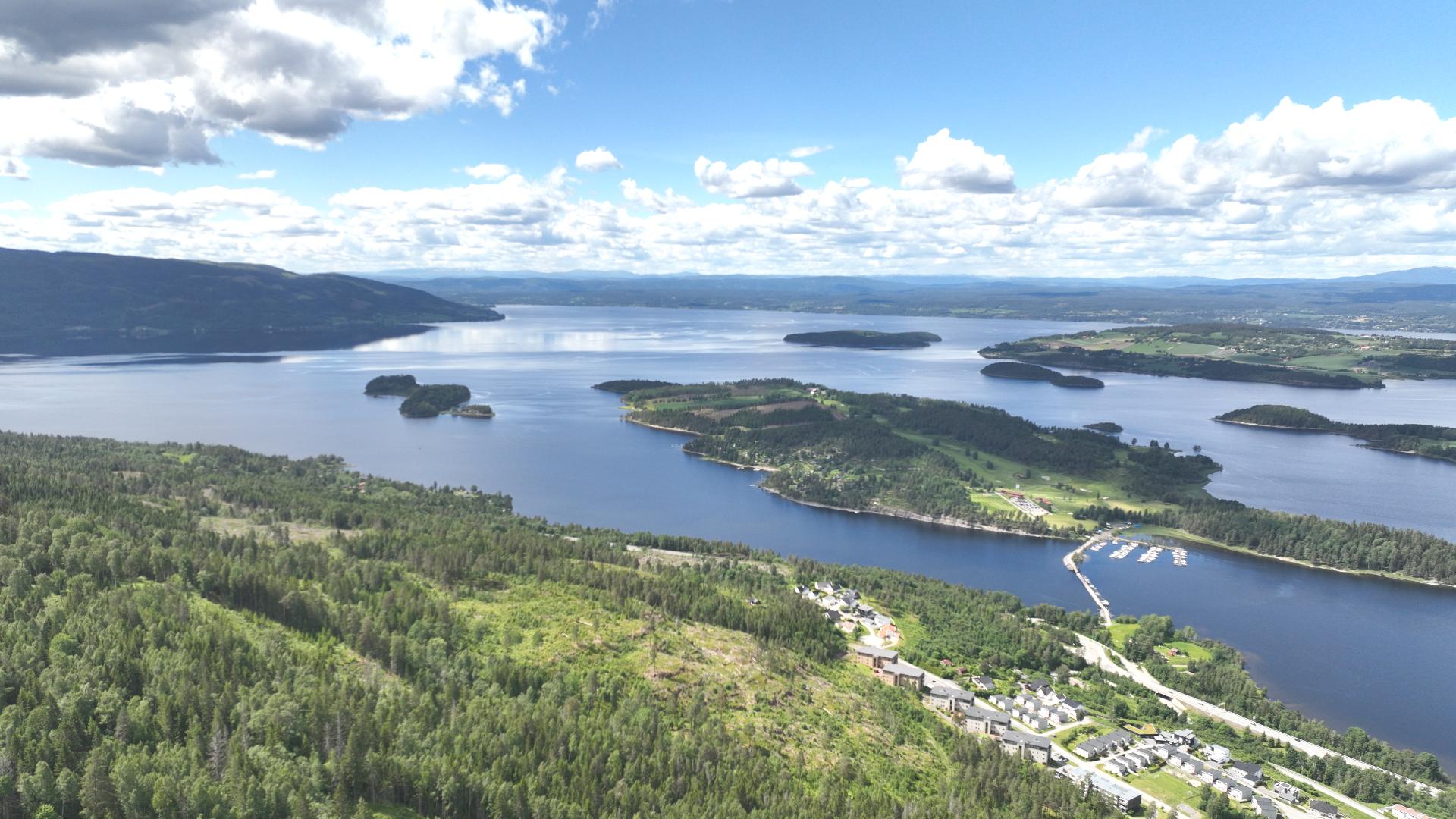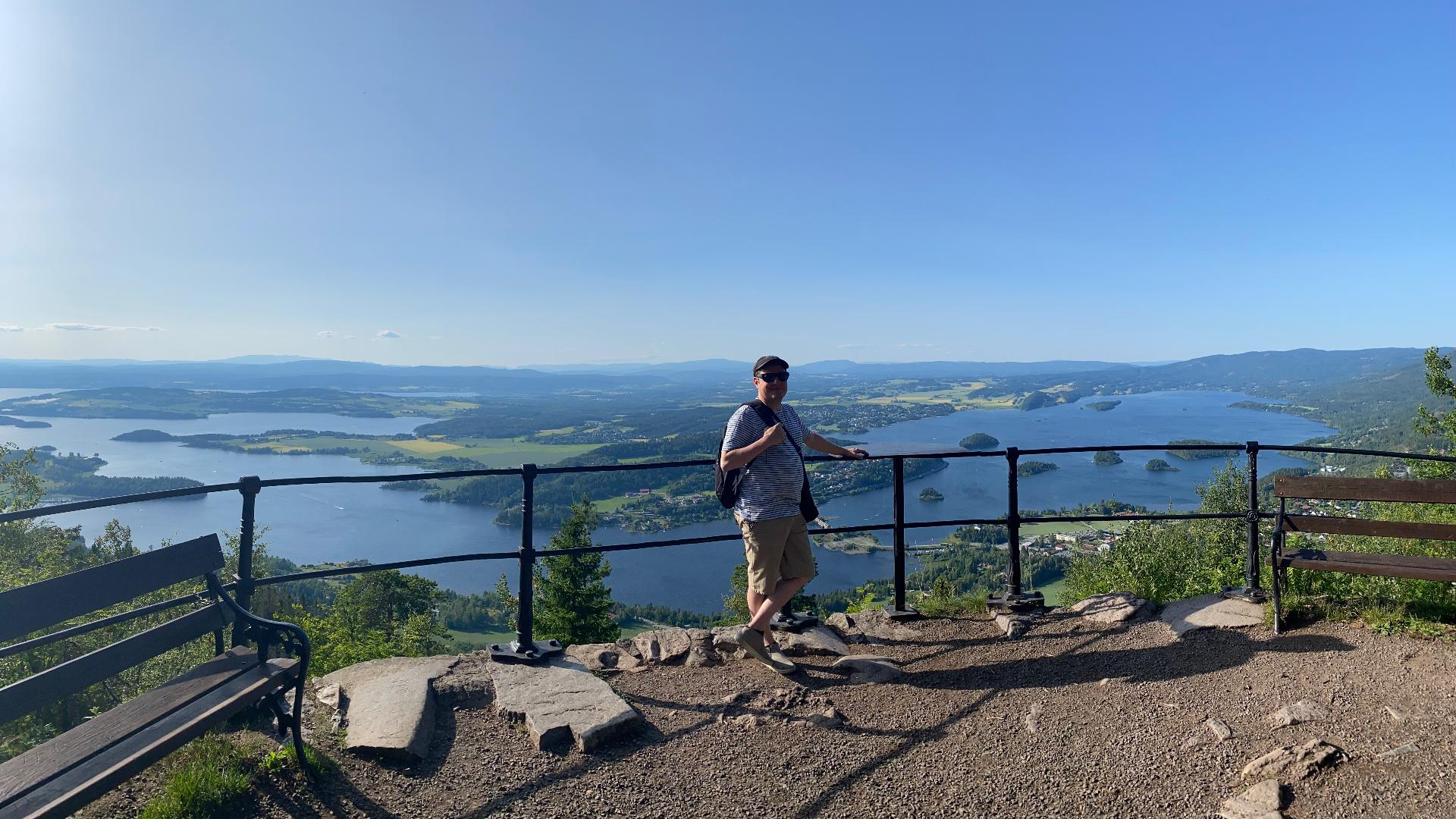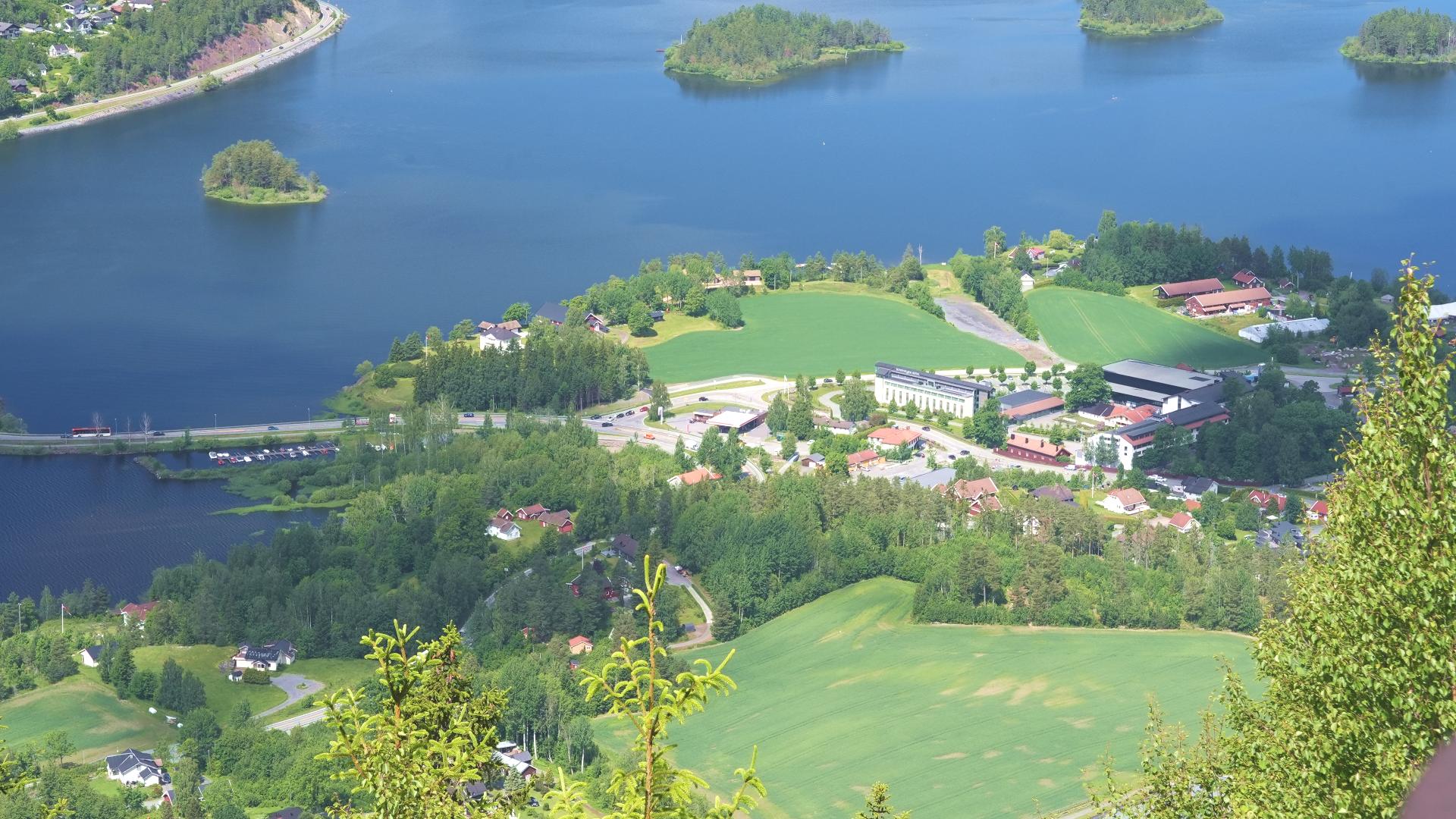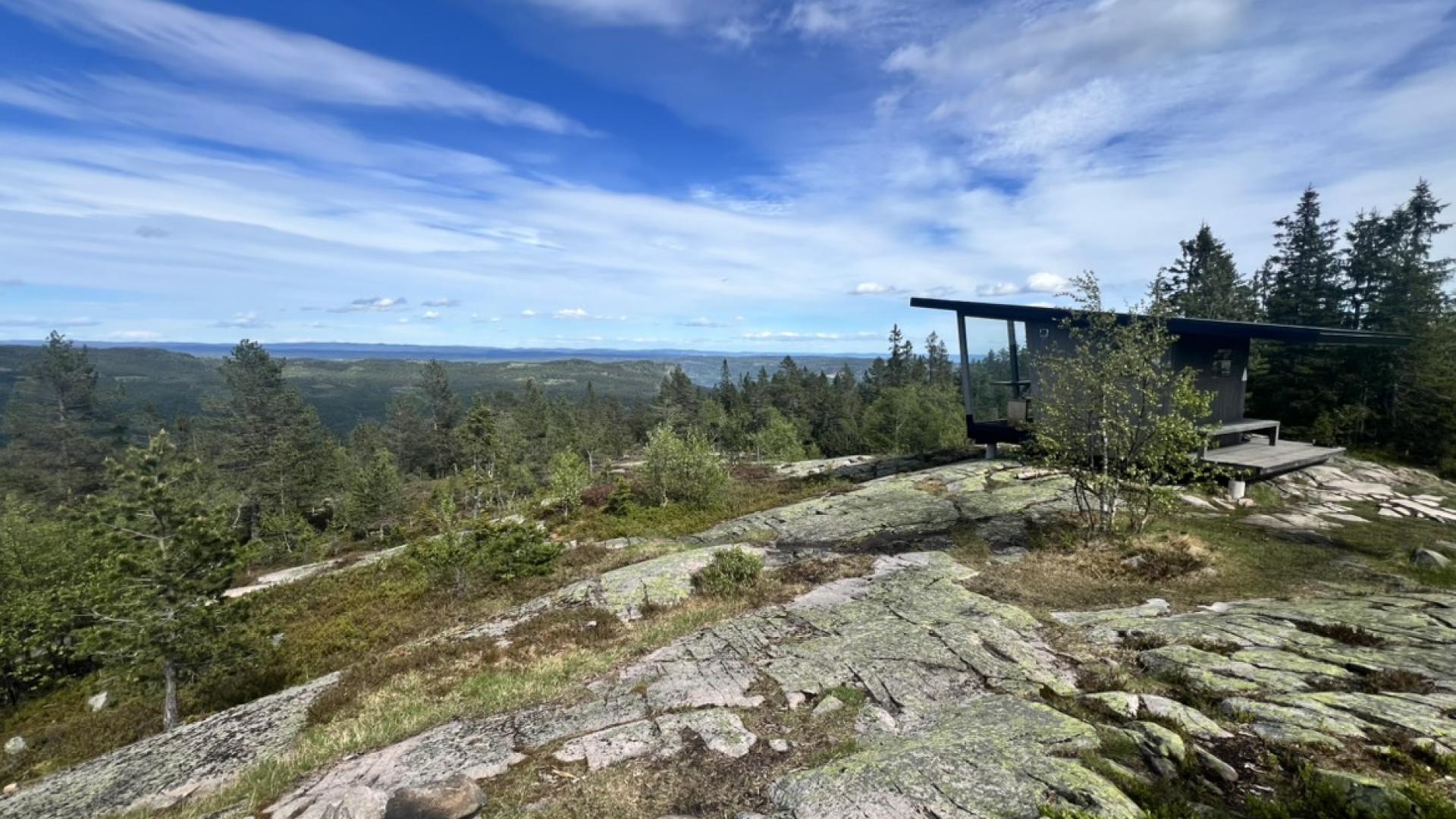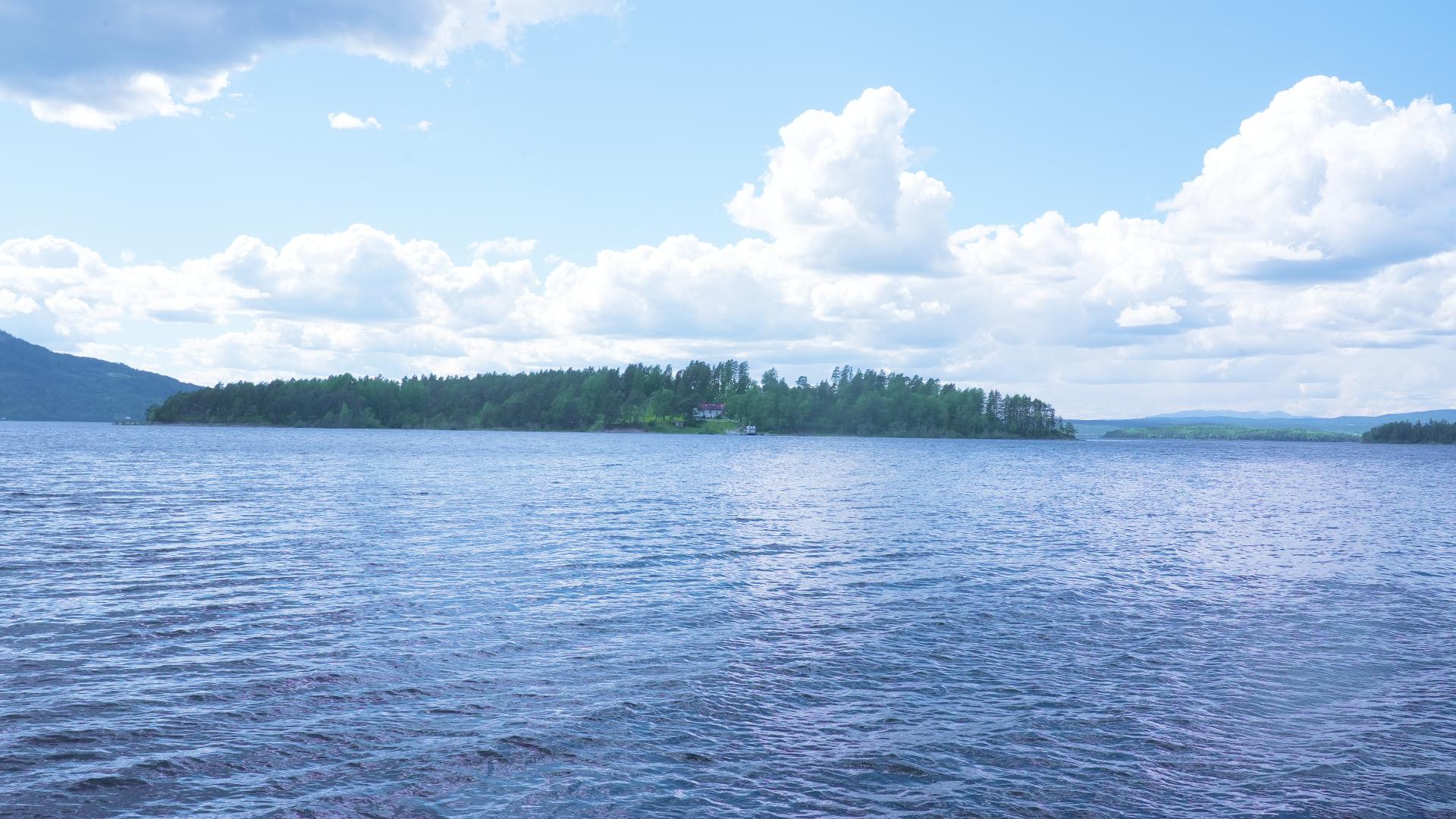
Utøya ist eine kleine Insel im Tyrifjord, etwa 35 Kilometer nordwestlich von Oslo. Seit 1950 gehört sie dem Arbeiterjugendverband (AUF), dem Jugendverband der Norwegischen Arbeiterpartei. Jahrzehntelang fanden auf der Insel jährliche Sommercamps statt, bei denen sich junge Menschen trafen, um über Politik und demokratische Werte zu diskutieren. Laut dem ehemaligen Ministerpräsidenten Jens Stoltenberg war Utøya einer der einflussreichsten Orte in der norwegischen Politikgeschichte.
Am 22. Juli 2011 wurde diese friedliche Insel zum Schauplatz des tödlichsten Anschlags in Norwegen seit dem Zweiten Weltkrieg.
Die Anschläge
Der Tag begann in Oslo. Um 15:25 Uhr explodierte eine Autobombe im Regjeringskvartalet, dem Regierungsviertel, direkt neben dem Gebäude, in dem sich das Büro des Ministerpräsidenten befindet. Acht Menschen kamen ums Leben, mehr als 200 wurden verletzt.
Weniger als zwei Stunden später traf der Attentäter am Fähranleger nach Utøya ein. In einer Polizeiuniform gekleidet und mit gefälschten Ausweispapieren bestieg er die Fähre und gab vor, nach dem Bombenanschlag in Oslo eine Sicherheitskontrolle durchzuführen. An diesem Tag nahmen etwa 560 junge Menschen am AUF-Sommercamp teil.
Der erste Schuss fiel um 17:22 Uhr. 72 Minuten lang bewegte sich der Attentäter systematisch über die kleine Insel. Viele junge Menschen flohen in das kalte Wasser des Sees, wo Anwohner in Booten ihr Leben riskierten, um sie zu retten. Als die Polizei den Angreifer festnahm, waren auf Utøya bereits 69 Menschen getötet worden, die meisten davon Teenager. Zusammen mit dem Bombenanschlag in Oslo belief sich die Gesamtzahl der Todesopfer auf 77.
Die Reaktion
Norwegens Reaktion legte den Schwerpunkt eher auf Offenheit als auf Vergeltung. Die Worte von Ministerpräsident Jens Stoltenberg prägten die Haltung der Nation: „Unsere Antwort lautet: mehr Demokratie, mehr Offenheit, aber keine Naivität.“
Das Parlament trat am 1. August zu einer Sondersitzung zusammen, an der sowohl der König als auch der Kronprinz teilnahmen. Die Namen aller 77 Opfer wurden verlesen. Der Attentäter wurde 2012 vor Gericht gestellt, des Terrorismus für schuldig befunden und zu 21 Jahren Haft verurteilt, die auf unbestimmte Zeit verlängert werden können.
Ein schwieriger Prozess der Gedenkarbeit
Die Schaffung nationaler Gedenkstätten erwies sich als außerordentlich schwierig und dauerte über ein Jahrzehnt.
Im Jahr 2014 gewann der Entwurf „Memory Wound“ des schwedischen Künstlers Jonas Dahlberg einen internationalen Wettbewerb. Das Konzept war radikal: Durch die Halbinsel gegenüber von Utøya sollte ein Kanal gegraben werden, der eine bleibende Wunde in der Landschaft hinterlassen würde. Der Entwurf erhielt internationale Anerkennung, stieß jedoch vor Ort auf heftigen Widerstand. Anwohner reichten Klagen ein, um den Bau zu stoppen.
Im Jahr 2017 gab die Regierung den Entwurf auf und verlegte die Gedenkstätte nach Utøykaia, dem Fähranleger, an dem der Attentäter an Bord gegangen war. Selbst dieser Kompromiss stieß auf rechtliche Hindernisse. Ein Gerichtsurteil aus dem Jahr 2021 ermöglichte schließlich die Fortsetzung der Bauarbeiten. Die nationale Gedenkstätte wurde am 18. Juni 2022, fast elf Jahre nach den Anschlägen, eröffnet. Sie besteht aus 77 Bronzesäulen – eine für jedes Opfer –, die entlang einer ins Wasser ragenden Steintreppe angeordnet sind.
Utøya heute
Die AUF stand vor schwierigen Entscheidungen über die Zukunft der Insel. Nach vier Jahren der Gespräche mit den Angehörigen der Getöteten beschlossen sie, 2015 zum Sommercamp zurückzukehren. Es wurden neue Gebäude errichtet, um die Rolle der Insel sowohl als Gedenkstätte als auch als Bildungszentrum zur Förderung der Demokratie zu stärken.
Das „Hegnhuset“, was so viel wie „Schutzhaus“ bedeutet, wurde um die Cafeteria herum errichtet und verfügt über 69 Säulen, die für die Opfer stehen, sowie 495 Planken, die die Überlebenden symbolisieren. Eine Gedenkstätte namens „Lysningen“ („Die Lichtung“) besteht aus einem Stahlring, in den die Namen der Opfer eingraviert sind und der am höchsten Punkt der Insel an Bäumen aufgehängt ist.
Wie die Botschaft auf der Insel heute besagt: Besucher gelangen an „einen Ort mit unerschütterlichem Geist, einen Ort, der niemals vergisst, und einen Ort, an dem neue Generationen die Ideale weiterführen können, die angegriffen wurden“.
Das Regierungsviertel
In Oslo war der Wiederaufbau des Regjeringskvartalet ein gewaltiges Unterfangen. Die erste Phase, die neue Gebäude und die Sanierung des Hauptturms umfasst, soll voraussichtlich 2025–2026 abgeschlossen sein. Die zweite Phase ist für 2029–2030 geplant. Mehr als 14 Jahre nach den Anschlägen dauert der bauliche Wiederaufbau des norwegischen Regierungsviertels weiterhin an.
Im April 2025 wurde ein dauerhaftes nationales Denkmal für das Regierungsviertel ausgewählt, das nach Abschluss des Wiederaufbaus errichtet werden soll.