Very Easy
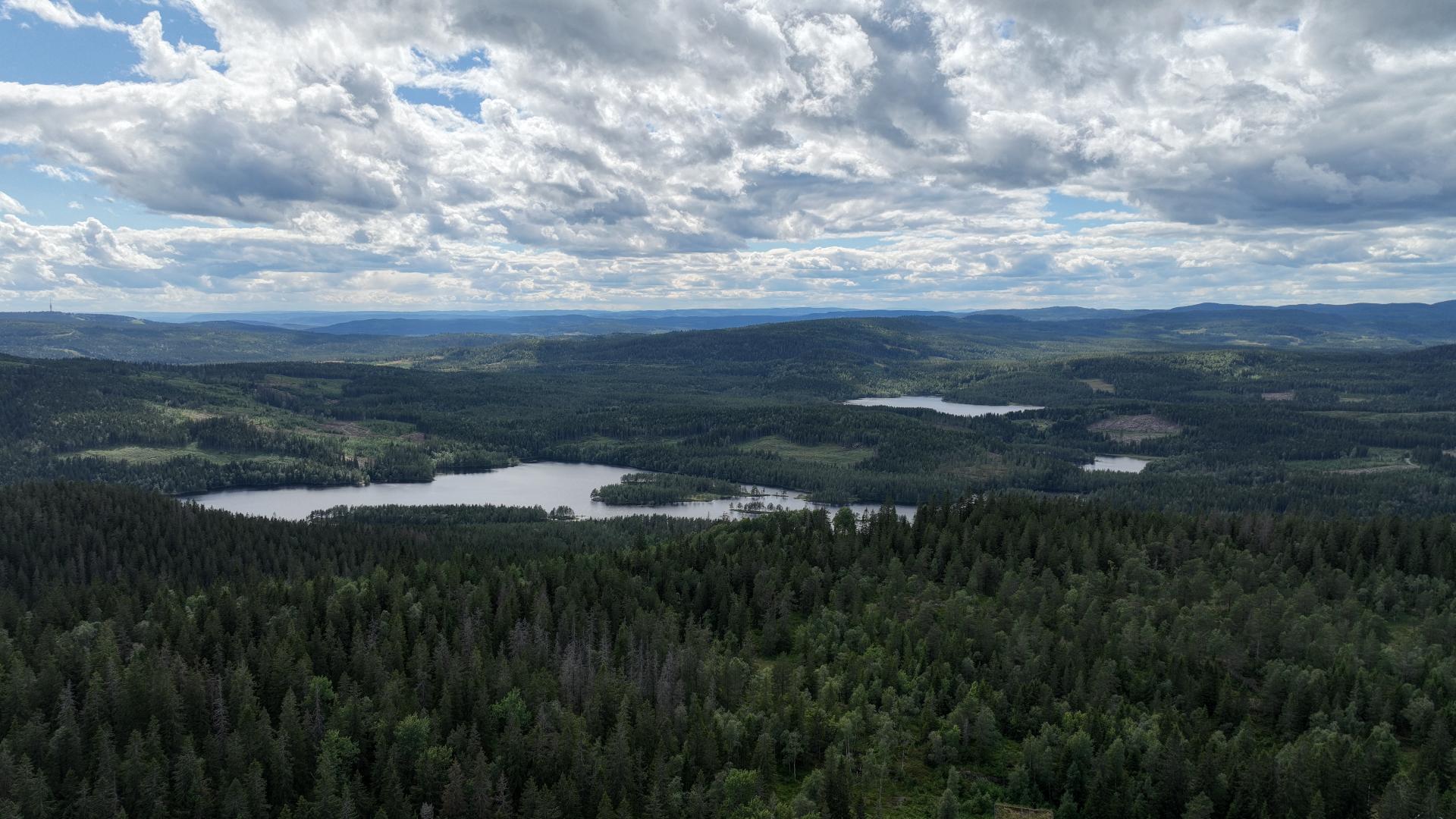
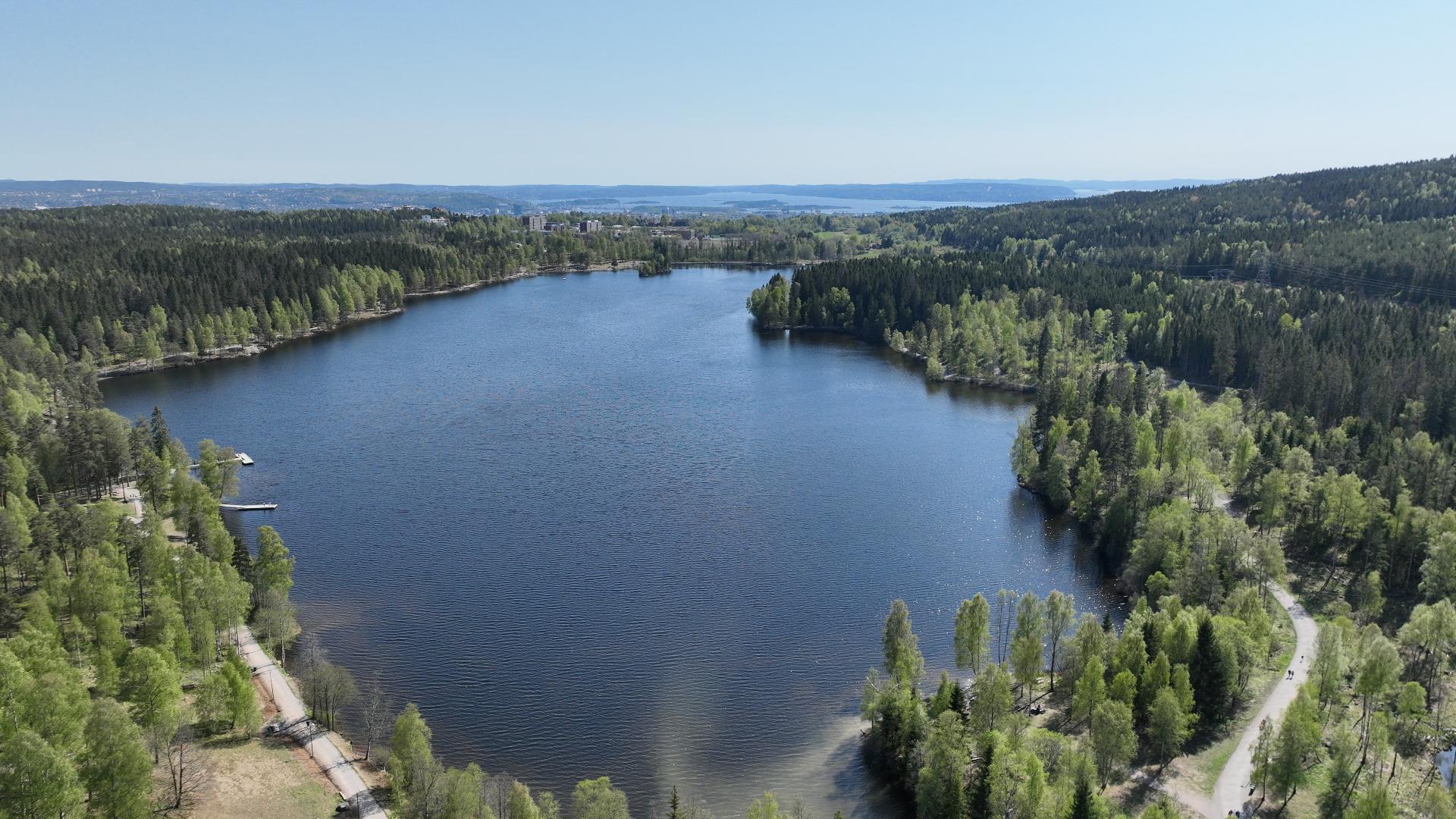
Triungsvann is a small lake in Bærumsmarka, on the border between Bærum and Oslo. The name comes from "tri", meaning three; historically this was three connected lakes that have slowly merged as the wetland grows inward. The lake has been a nature reserve since 1992, protecting 56 hectares of bog, mire and overgrowing water.
What makes Triungsvann unusual is its floating peat islands. Thick mats of peat have detached from the shore and drift on the lake surface, some large enough to support vegetation. These islands are naturally fox-proof, which makes them ideal nesting sites for wetland birds. Tufted duck, goldeneye, wood sandpiper, greenshank and common snipe all breed here, safe from predators that cannot reach them across the water. The northwest end of the reserve, Breimaasan, is a rich mire with around 80 plant species.
The lake is accessible on foot or by bike from Årnes parking in Sørkedalen, and in winter the area has groomed cross-country ski trails. It is a quiet spot, more for observation than adventure, but knowing what you are looking at transforms a simple forest lake into something genuinely strange.
What makes Triungsvann unusual is its floating peat islands. Thick mats of peat have detached from the shore and drift on the lake surface, some large enough to support vegetation. These islands are naturally fox-proof, which makes them ideal nesting sites for wetland birds. Tufted duck, goldeneye, wood sandpiper, greenshank and common snipe all breed here, safe from predators that cannot reach them across the water. The northwest end of the reserve, Breimaasan, is a rich mire with around 80 plant species.
The lake is accessible on foot or by bike from Årnes parking in Sørkedalen, and in winter the area has groomed cross-country ski trails. It is a quiet spot, more for observation than adventure, but knowing what you are looking at transforms a simple forest lake into something genuinely strange.