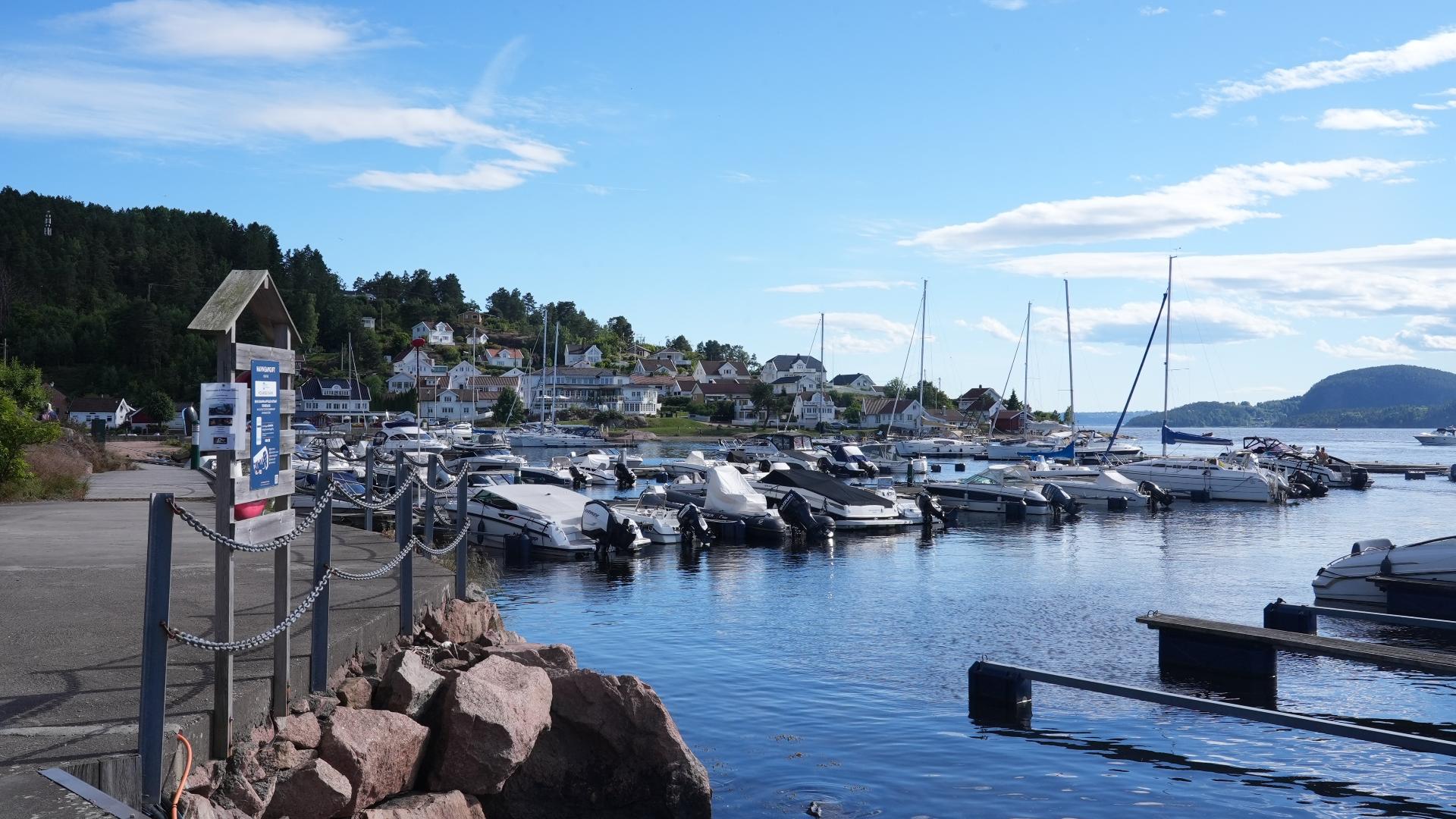
The Maud was built in 1917 at Vollen in Asker, specifically for Roald Amundsen's expedition through the Northeast Passage, the sea route east along the northern coast of Siberia. She was designed to freeze into the Arctic ice and drift across the polar sea, just as Fridtjof Nansen had done with the Fram.
The expedition left Norway in 1918 and spent years in the Arctic ice along the Russian coast, but it never achieved the polar drift Amundsen hoped for. The ship eventually reached Nome, Alaska in 1924, completing the Northeast Passage. By then, Amundsen was deep in debt. His creditors sold the Maud to the Hudson's Bay Company, who renamed her Baymaud and sailed her east into the Canadian Arctic as a supply ship. In 1930, she sank in Cambridge Bay on Victoria Island, Canada.
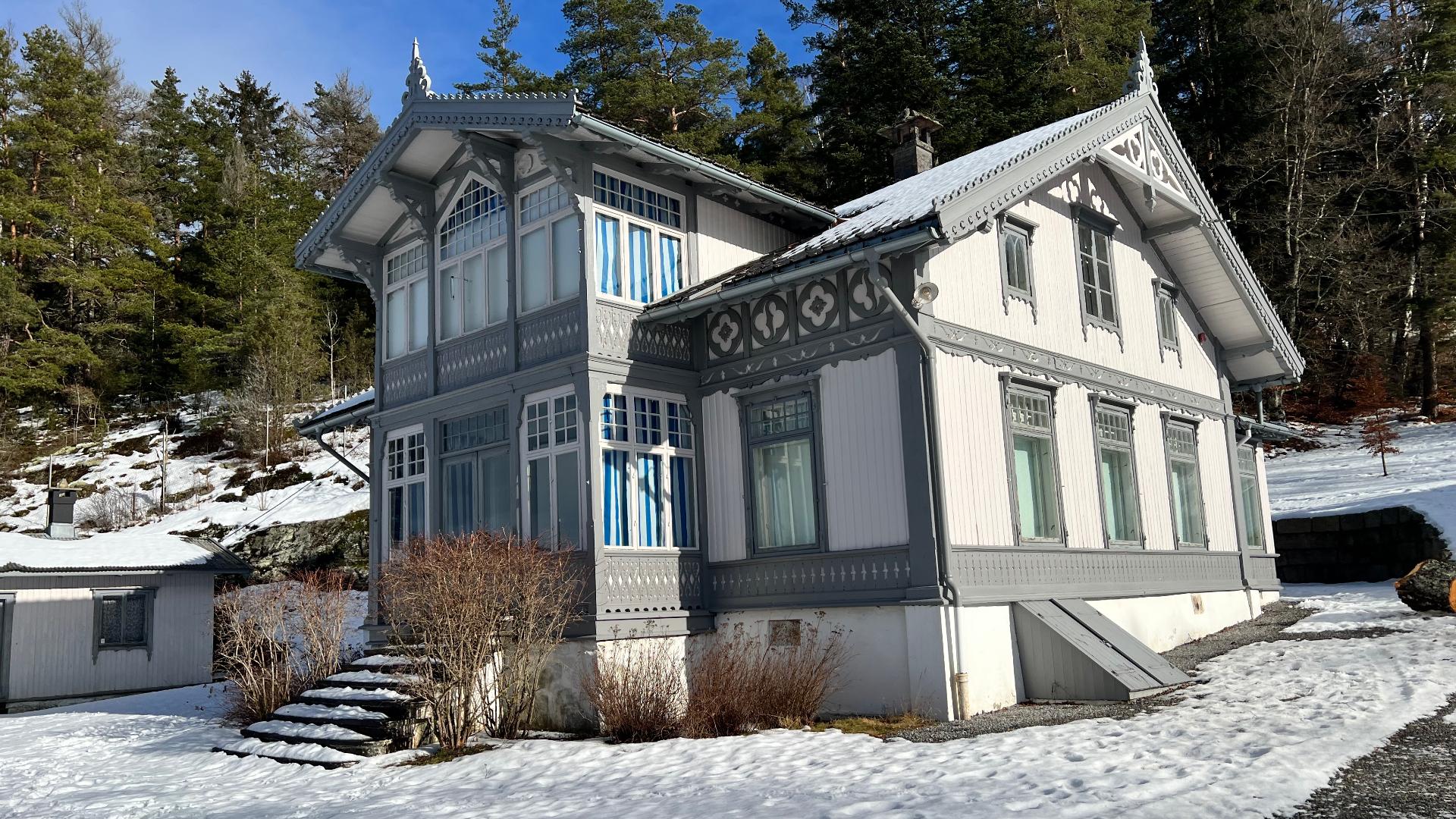
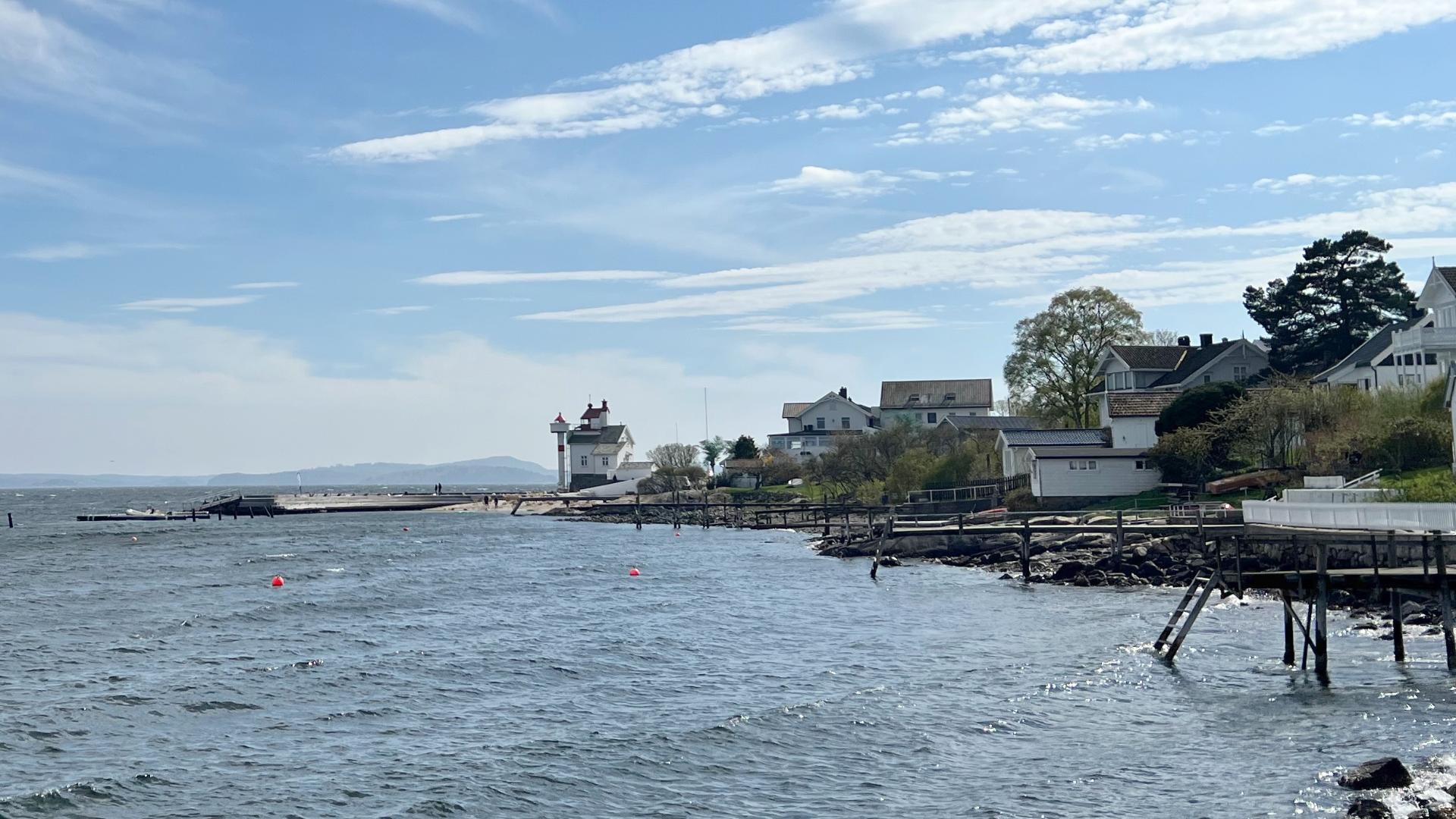
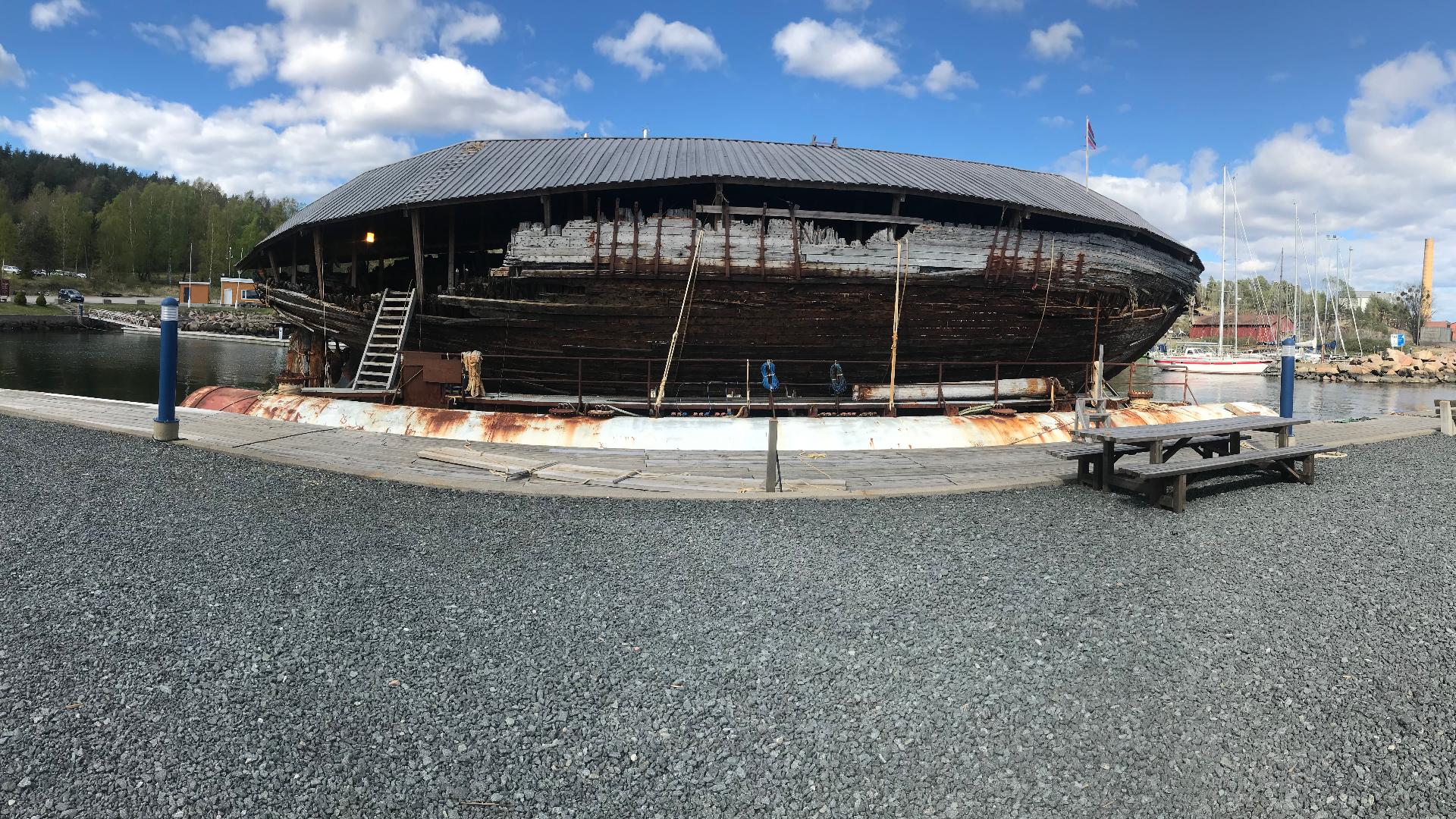
There she lay for 86 years. In 2011, the Asker-based company Tandberg Eiendom launched the project "Maud Returns Home". The wreck was raised in 2016, towed to Greenland to winter, and finally arrived in Norway in August 2018. She passed briefly by Amundsen's home Uranienborg before being placed at Tofte under a temporary protective roof.
The ship is drying and stabilising. A permanent museum, the Maud-huset, is planned at the site. For now, the wreck is visible from the outside but not publicly accessible inside.
The expedition left Norway in 1918 and spent years in the Arctic ice along the Russian coast, but it never achieved the polar drift Amundsen hoped for. The ship eventually reached Nome, Alaska in 1924, completing the Northeast Passage. By then, Amundsen was deep in debt. His creditors sold the Maud to the Hudson's Bay Company, who renamed her Baymaud and sailed her east into the Canadian Arctic as a supply ship. In 1930, she sank in Cambridge Bay on Victoria Island, Canada.
There she lay for 86 years. In 2011, the Asker-based company Tandberg Eiendom launched the project "Maud Returns Home". The wreck was raised in 2016, towed to Greenland to winter, and finally arrived in Norway in August 2018. She passed briefly by Amundsen's home Uranienborg before being placed at Tofte under a temporary protective roof.
The ship is drying and stabilising. A permanent museum, the Maud-huset, is planned at the site. For now, the wreck is visible from the outside but not publicly accessible inside.