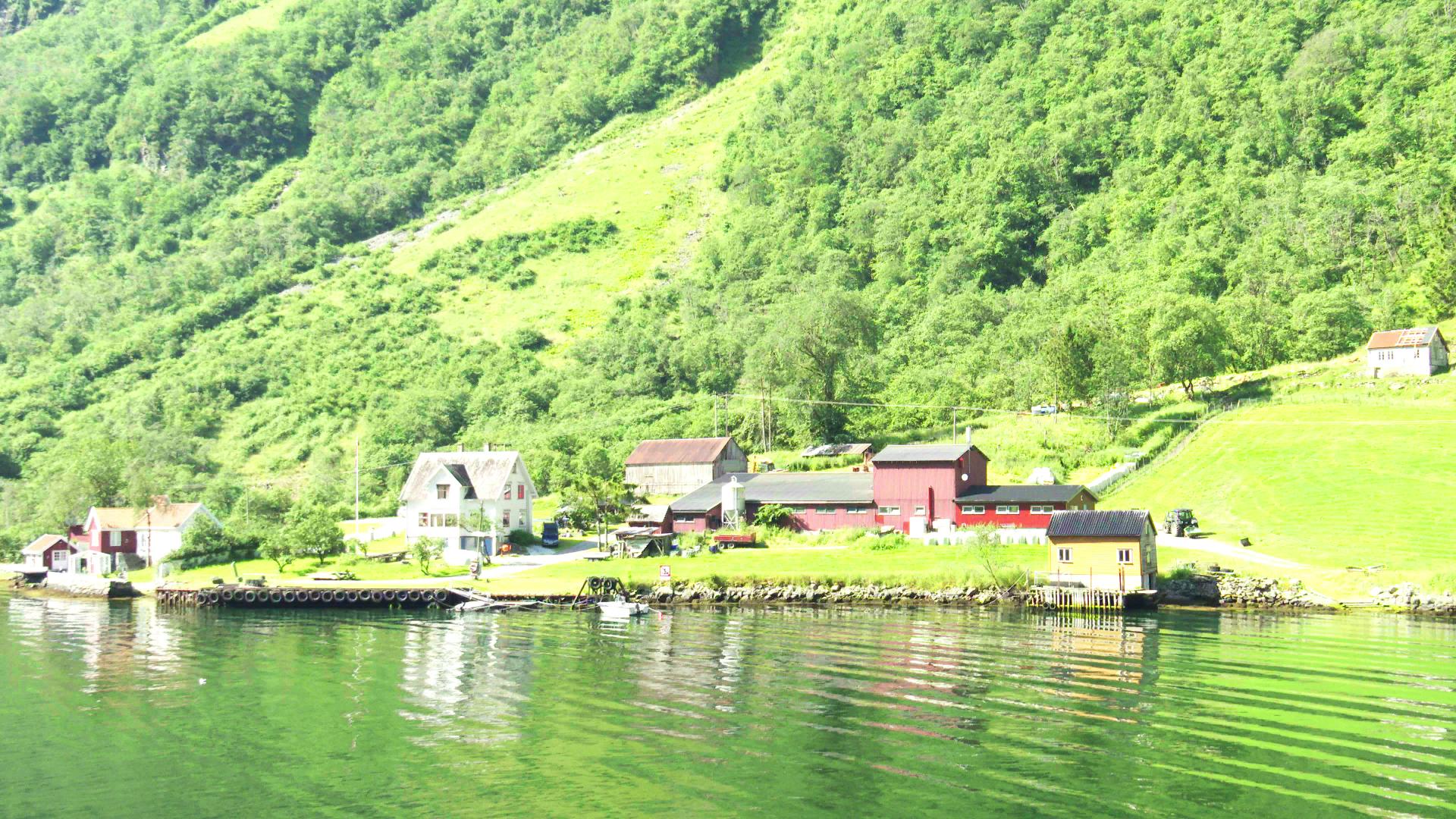
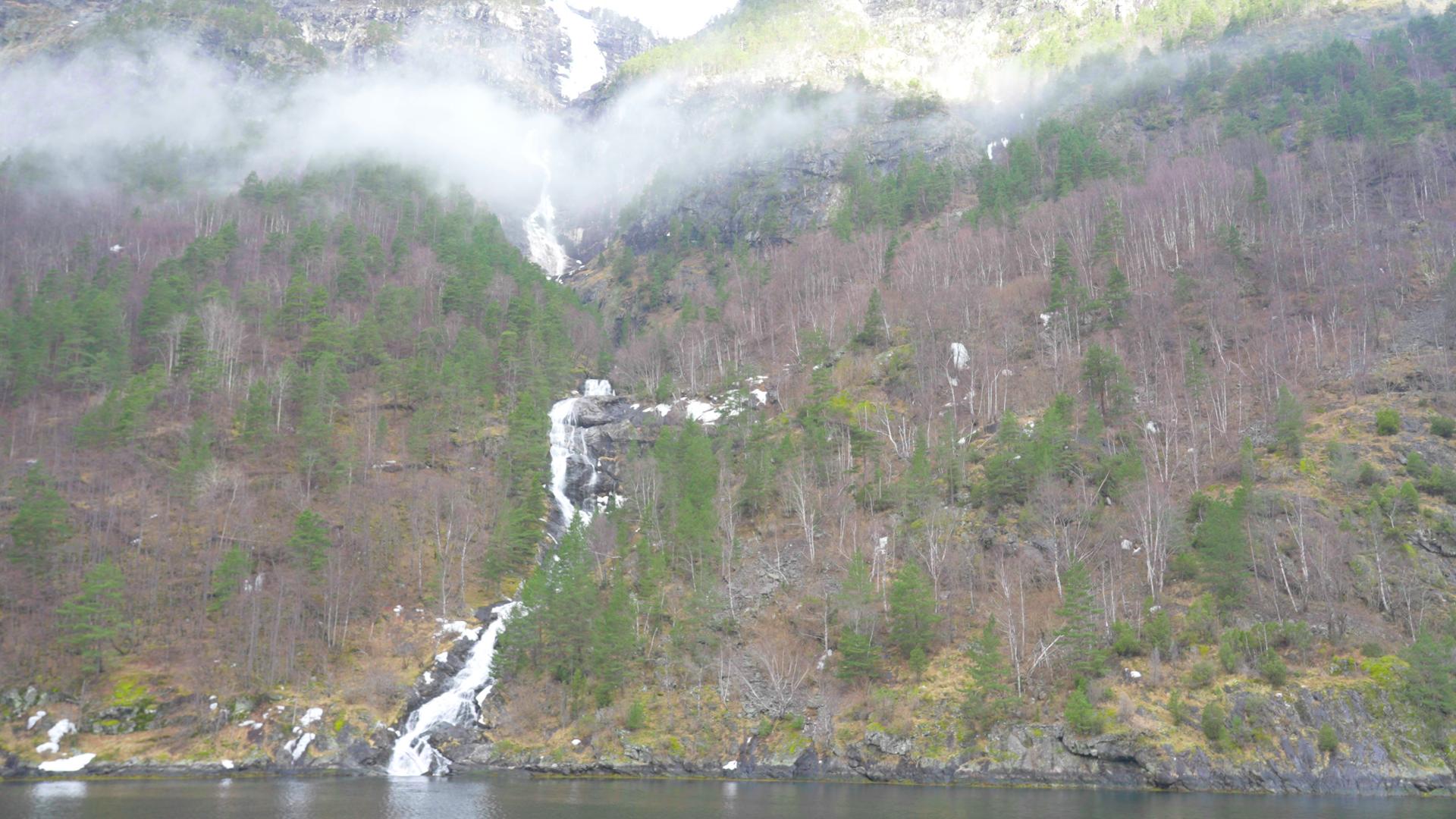
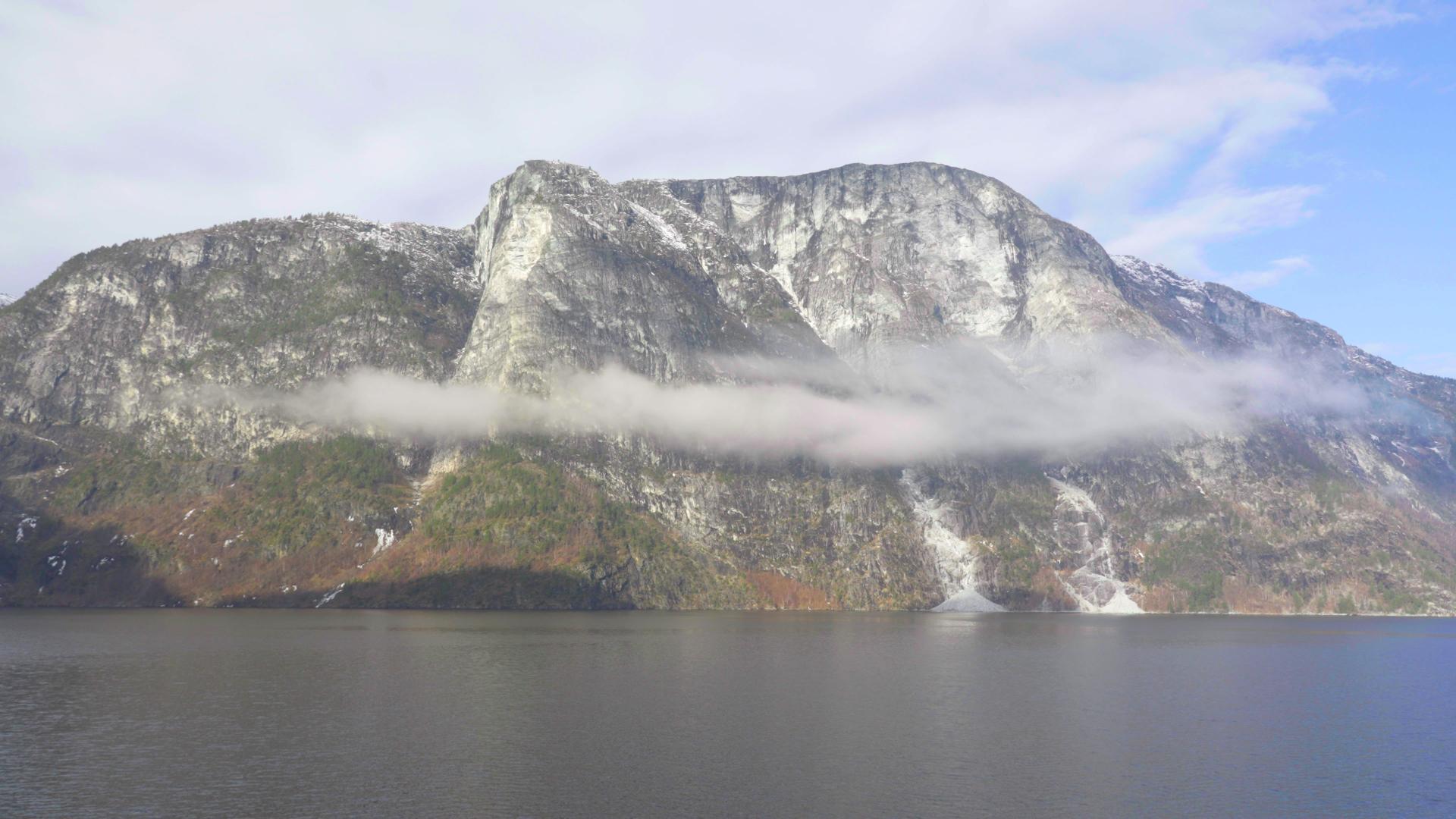
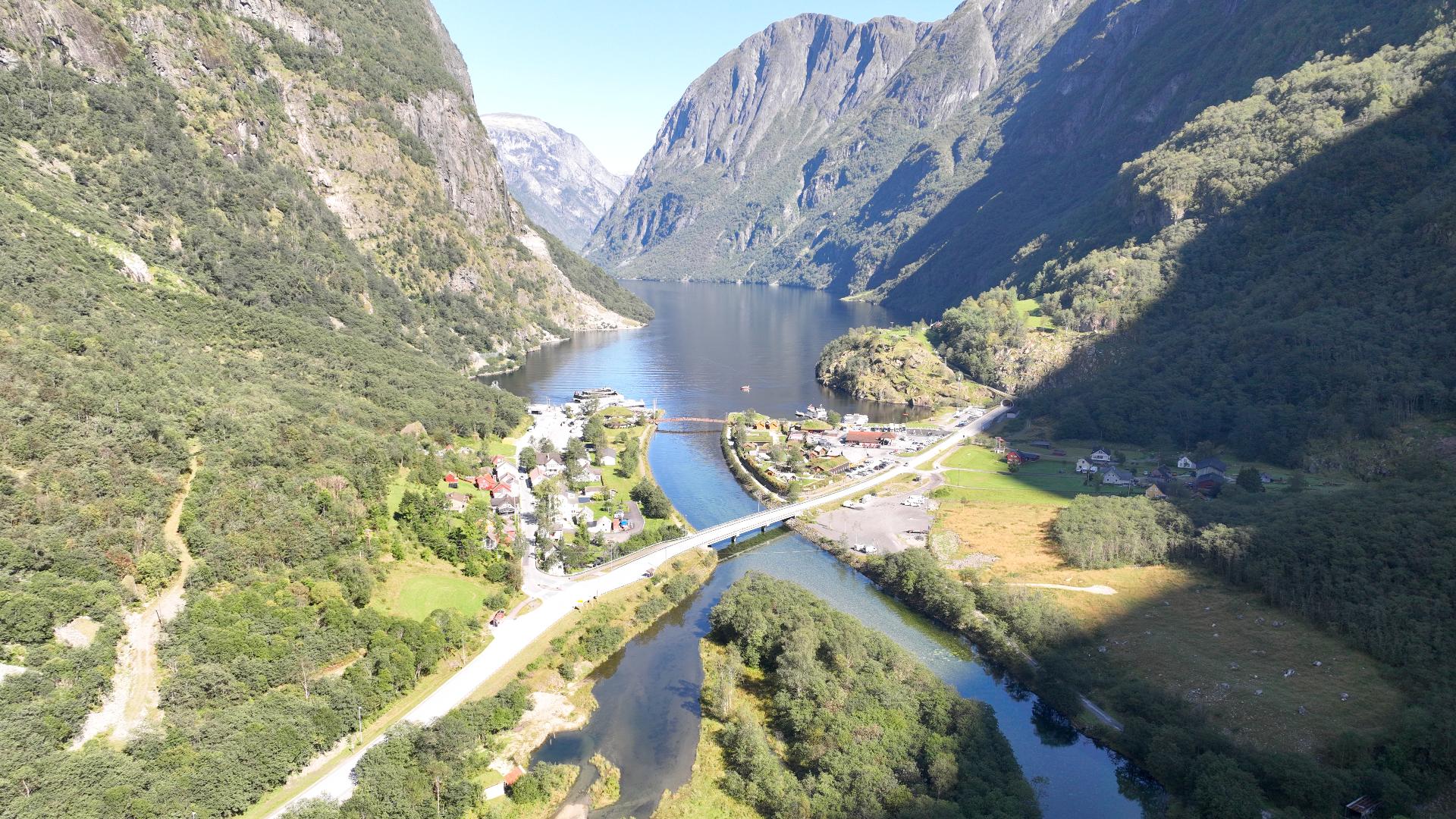
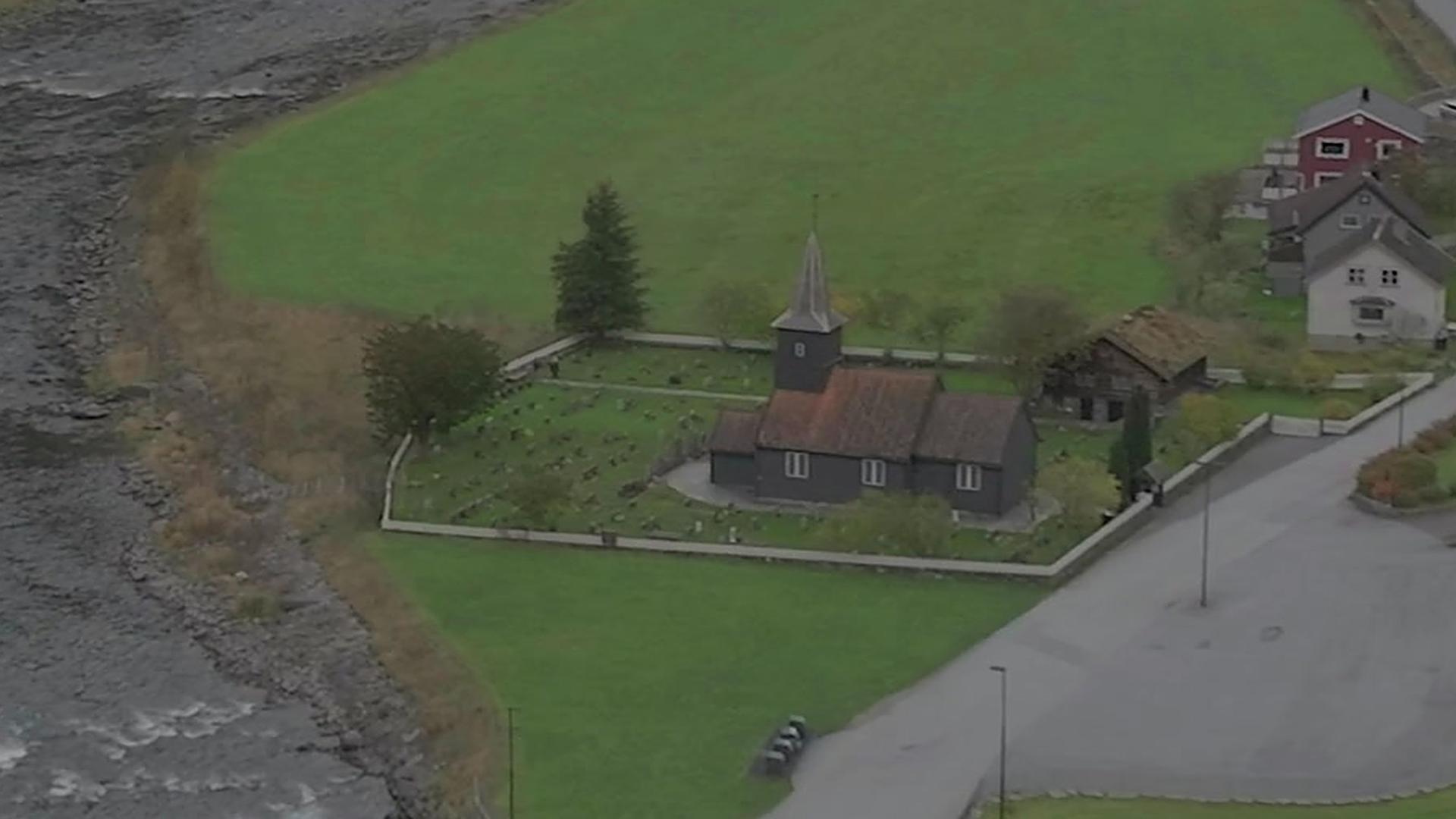
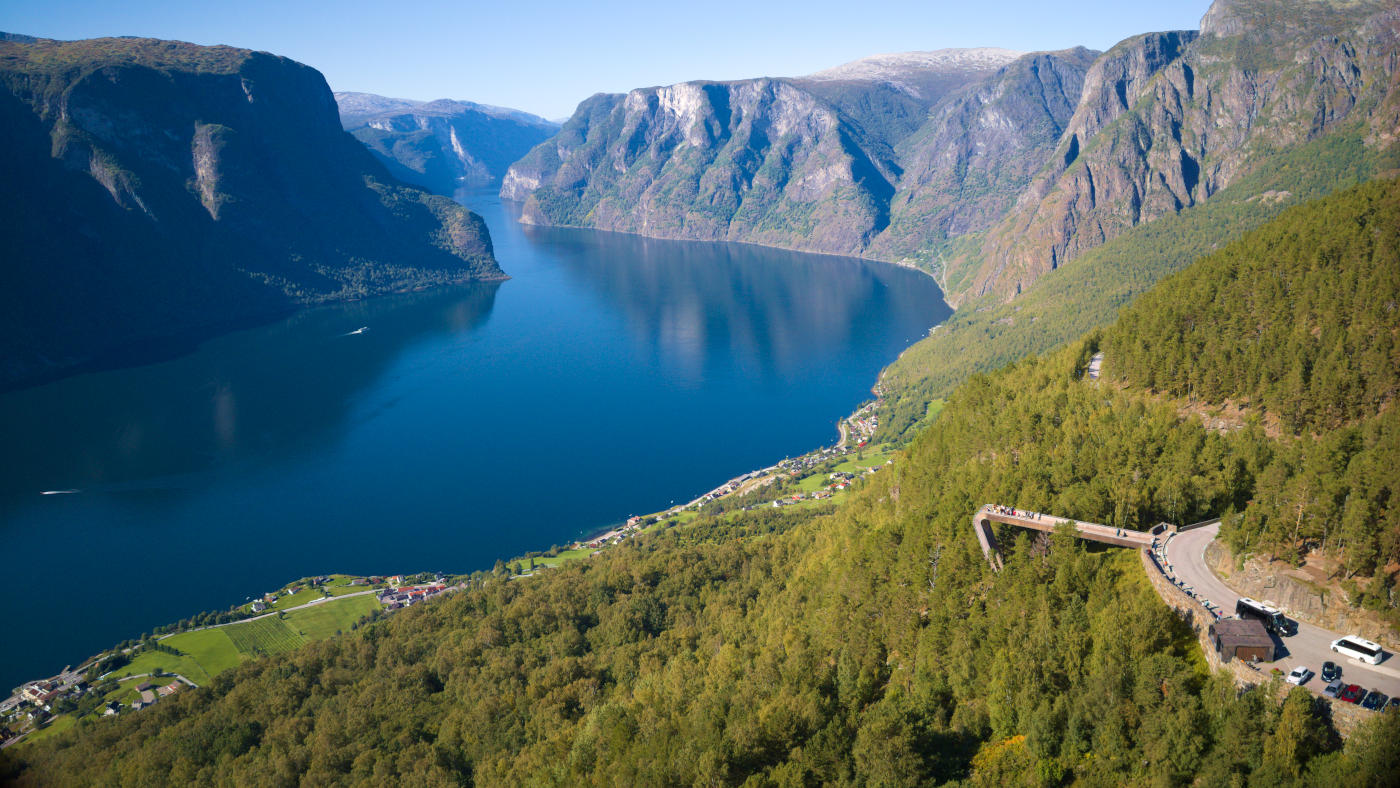
Styvi sits on the east side of the Nærøyfjord, directly across from Dyrdal. The place has been settled since the Viking Age. In the Middle Ages there were three farms, but the Black Death in 1349 reduced them to two. There have never been more than two since.
For centuries, Styvi was a postal station on the Royal Postal Road between Bergen and Christiania. The route was established around 1647. In summer, post was carried by boat from Gudvangen to Lærdal, 45 kilometres by rowing. In winter, when ice covered the narrow inner fjord, the postmen had to walk. Around 1660, a track was built from Styvi to Bleiklindi, about 6 kilometres along the fjord shore. From Styvi, where the fjord is wider and deeper and does not freeze, they could row the rest of the way to Lærdal. When the fjord did freeze solid, they used a combination of boat and sledge. People drowned doing this.
At Bleiklindi you will find the tree that gave the place its name: Bleiklindi means "pale linden." It is a protected botanical rarity. Most linden trees are green in spring and yellow in autumn. This one does the opposite: pale yellow-green leaves in spring that darken to green in autumn when everything else turns yellow. Nobody knows why.
Between Styvi and Bleiklindi, at a place called Holmo, there is a protected burial mound from the late Iron Age. It is 15 metres across and 2 metres high, the largest of its kind in Aurland municipality. The Styvi-Holmo landscape protection area was established in 1991.
For centuries, Styvi was a postal station on the Royal Postal Road between Bergen and Christiania. The route was established around 1647. In summer, post was carried by boat from Gudvangen to Lærdal, 45 kilometres by rowing. In winter, when ice covered the narrow inner fjord, the postmen had to walk. Around 1660, a track was built from Styvi to Bleiklindi, about 6 kilometres along the fjord shore. From Styvi, where the fjord is wider and deeper and does not freeze, they could row the rest of the way to Lærdal. When the fjord did freeze solid, they used a combination of boat and sledge. People drowned doing this.
At Bleiklindi you will find the tree that gave the place its name: Bleiklindi means "pale linden." It is a protected botanical rarity. Most linden trees are green in spring and yellow in autumn. This one does the opposite: pale yellow-green leaves in spring that darken to green in autumn when everything else turns yellow. Nobody knows why.
Between Styvi and Bleiklindi, at a place called Holmo, there is a protected burial mound from the late Iron Age. It is 15 metres across and 2 metres high, the largest of its kind in Aurland municipality. The Styvi-Holmo landscape protection area was established in 1991.