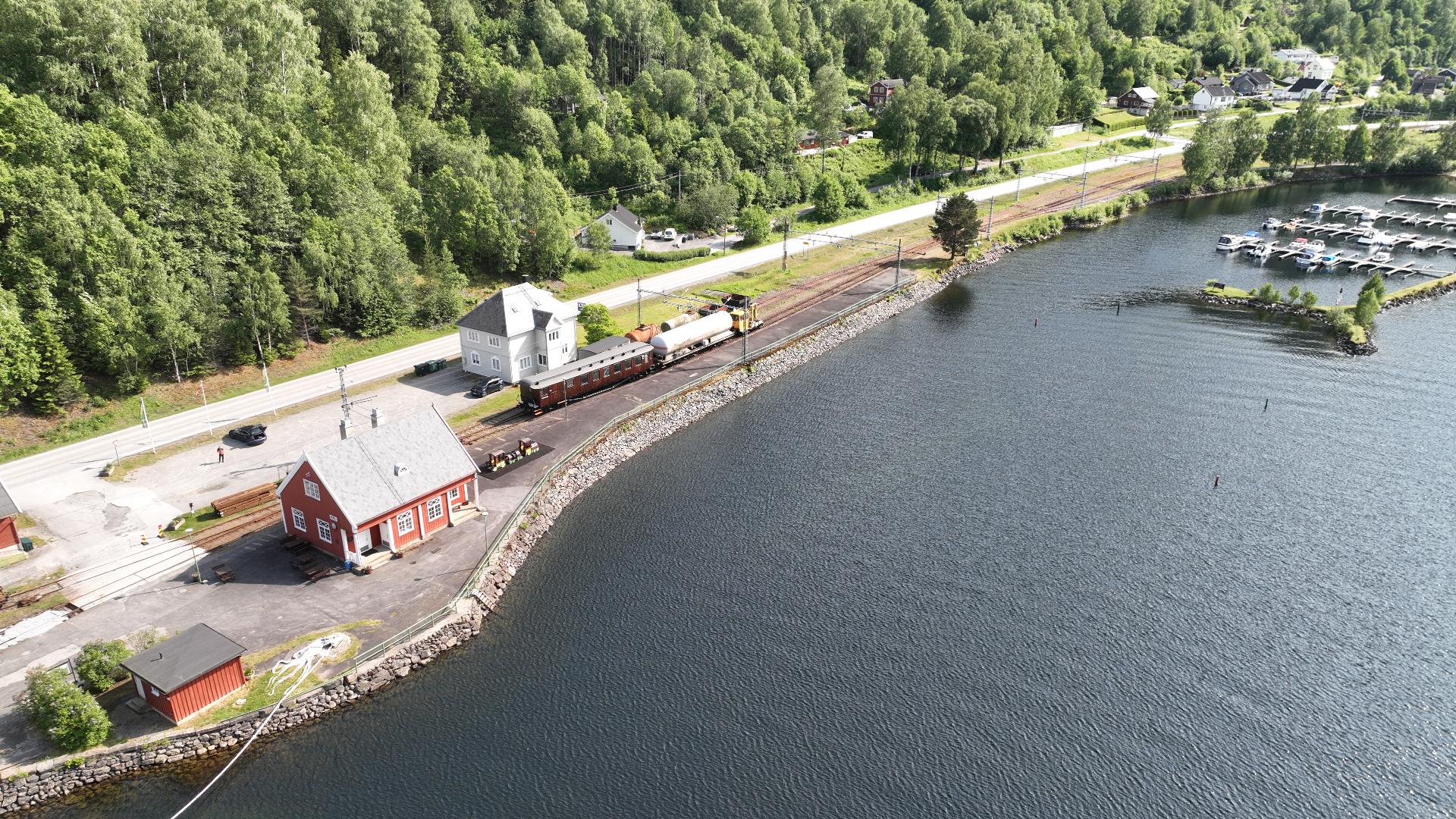
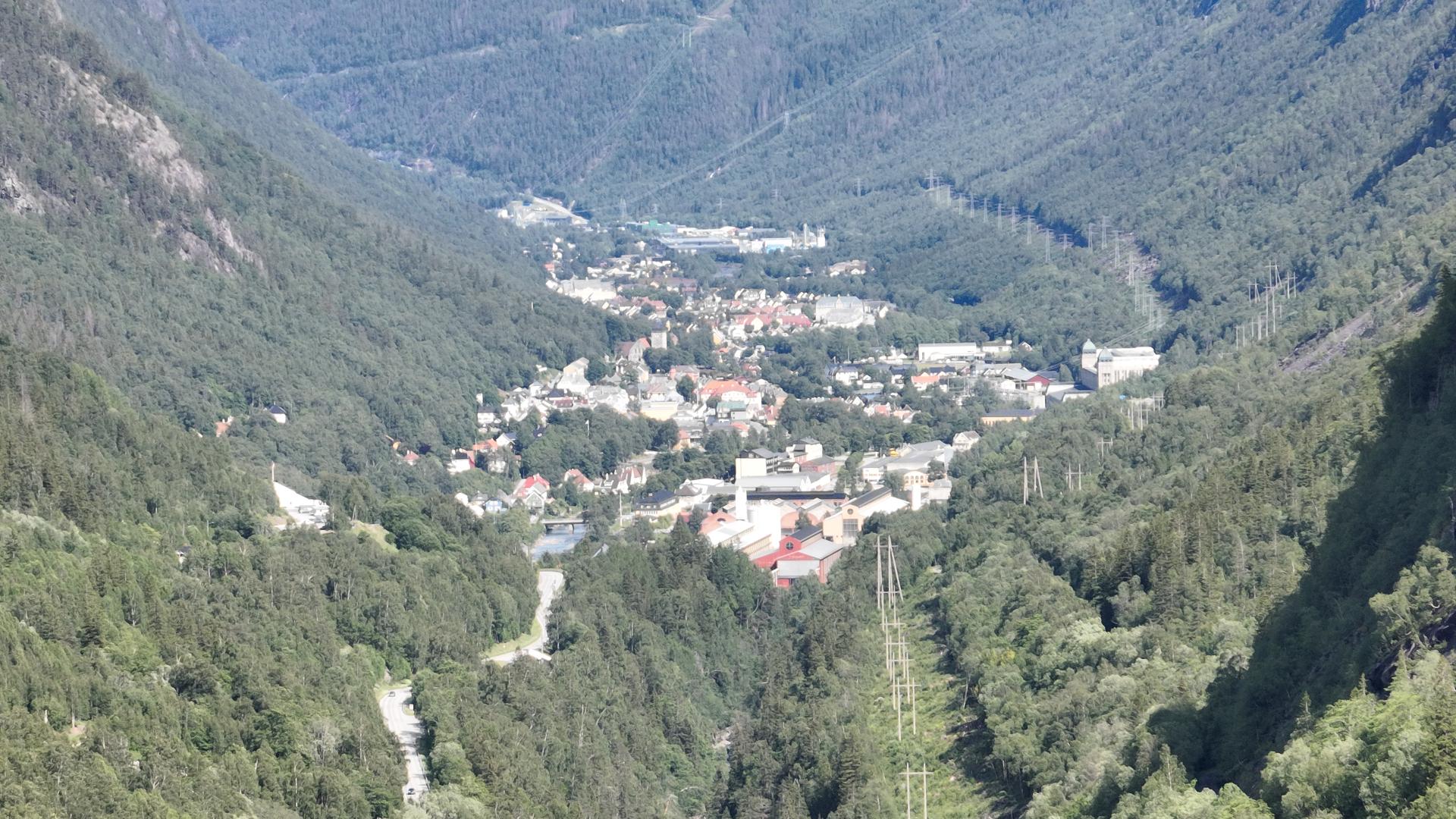
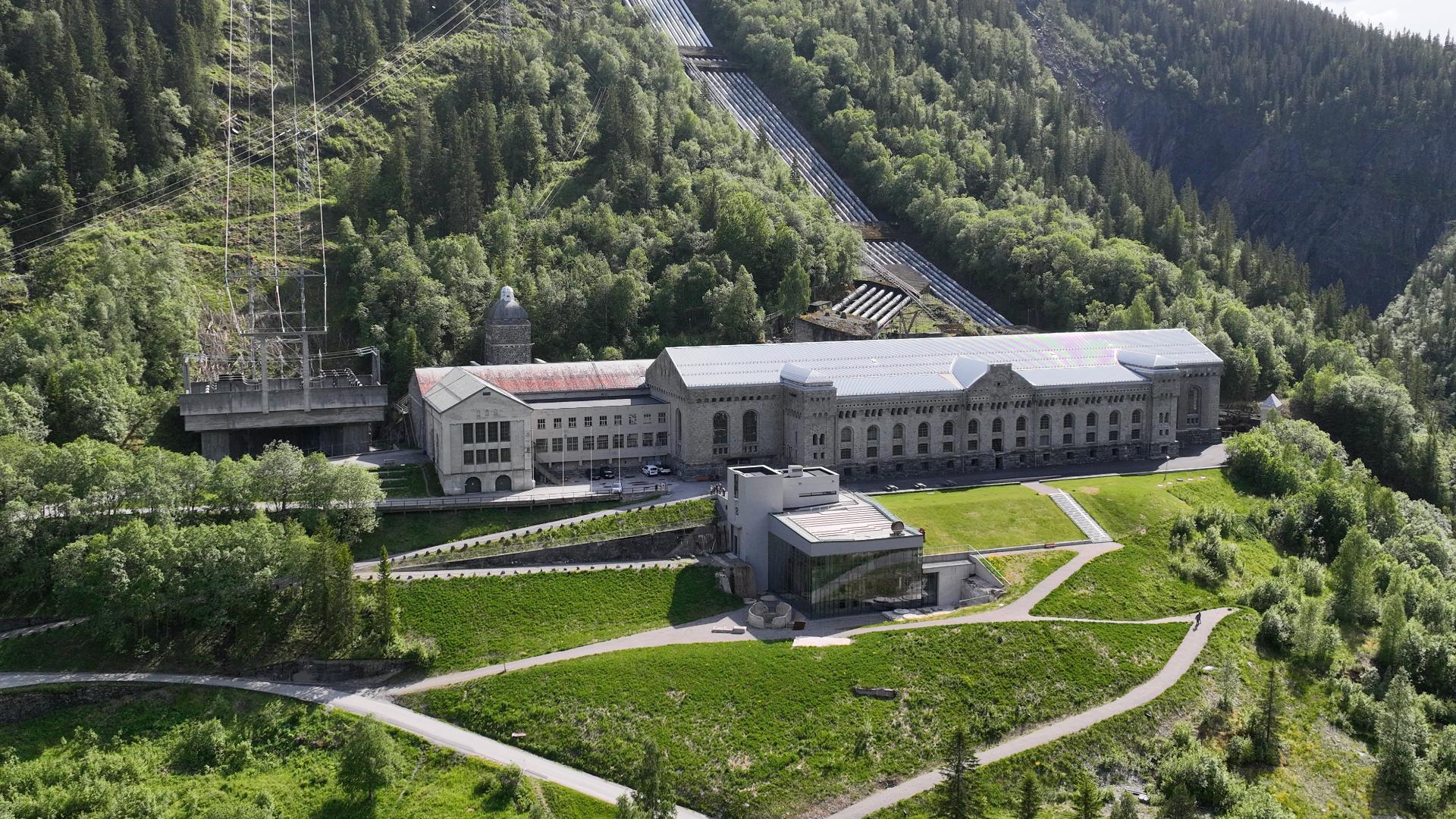
Rjukanbanen was built by Norsk Hydro in 1909 to transport fertiliser from the factories in Rjukan to the port. The railway ran 16 kilometres from Rjukan station to Mæl on the shore of Tinnsjøen, where the cargo was loaded onto railway ferries and shipped across the lake. From there it continued by train to Notodden and on to the coast. The whole system, factory to port, is part of the UNESCO World Heritage listing.
The railway closed for regular traffic in 1991, but on certain days you can still ride the historic train from Rjukan to Mæl. It feels like travelling back in time. Check the schedule on the museum's website, as it only operates on selected dates.
At Mæl you will find two surviving railway ferries. SF Ammonia from 1929 is the world's only surviving steam railway ferry. MF Storegut is one of only two vessels in the world on UNESCO's World Heritage list. Storegut sails on the lake on special occasions.
The railway closed for regular traffic in 1991, but on certain days you can still ride the historic train from Rjukan to Mæl. It feels like travelling back in time. Check the schedule on the museum's website, as it only operates on selected dates.
At Mæl you will find two surviving railway ferries. SF Ammonia from 1929 is the world's only surviving steam railway ferry. MF Storegut is one of only two vessels in the world on UNESCO's World Heritage list. Storegut sails on the lake on special occasions.