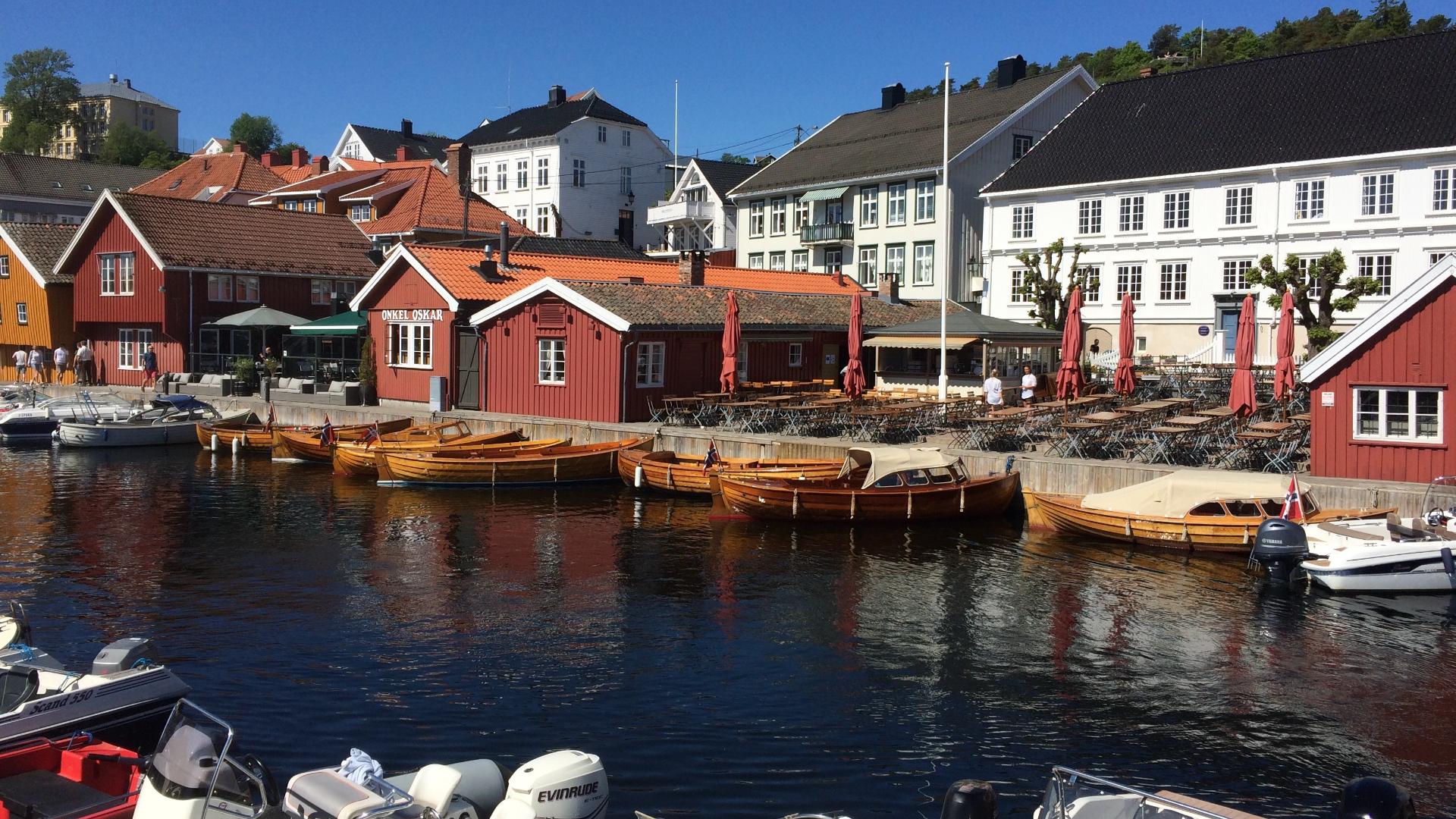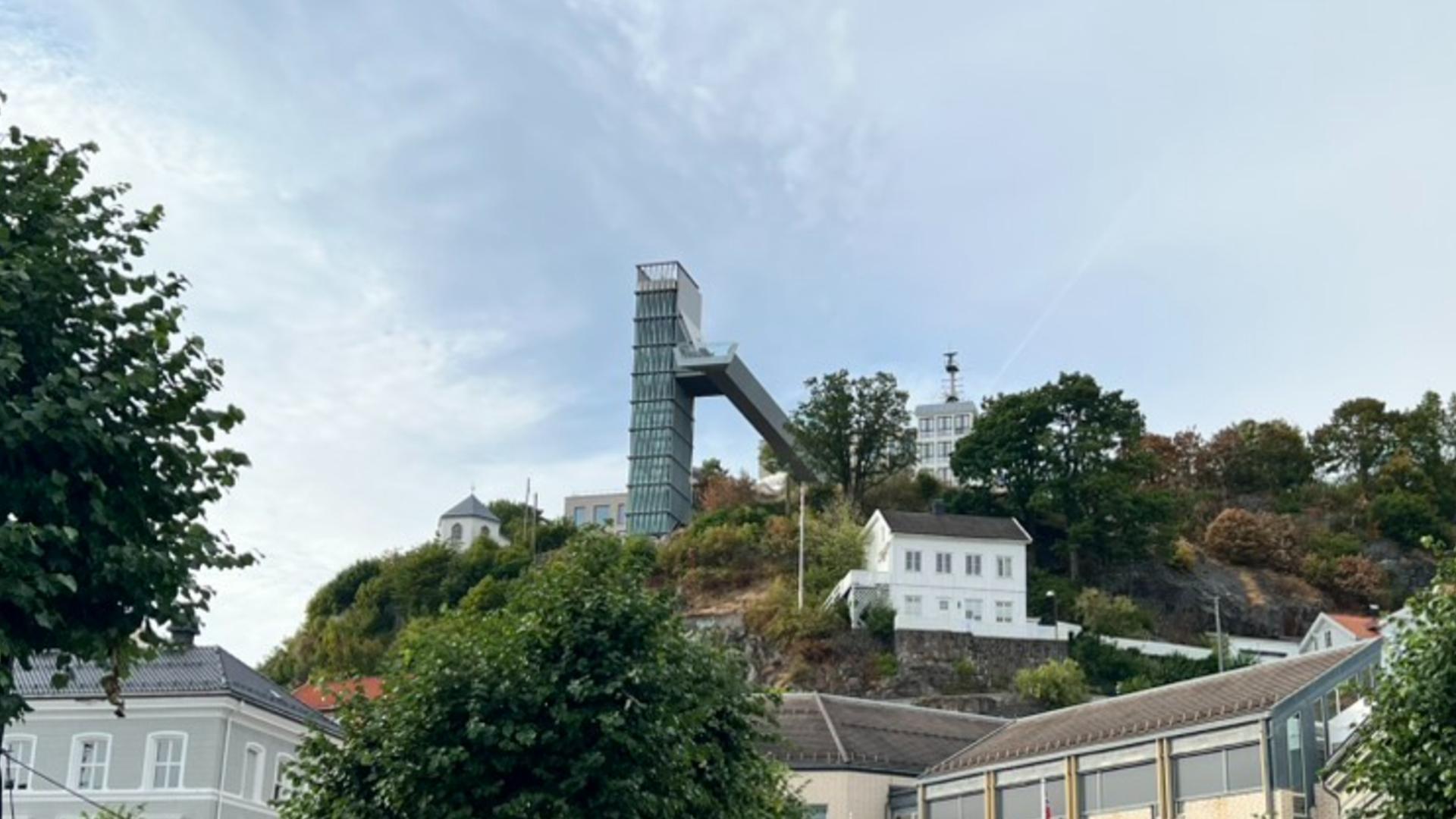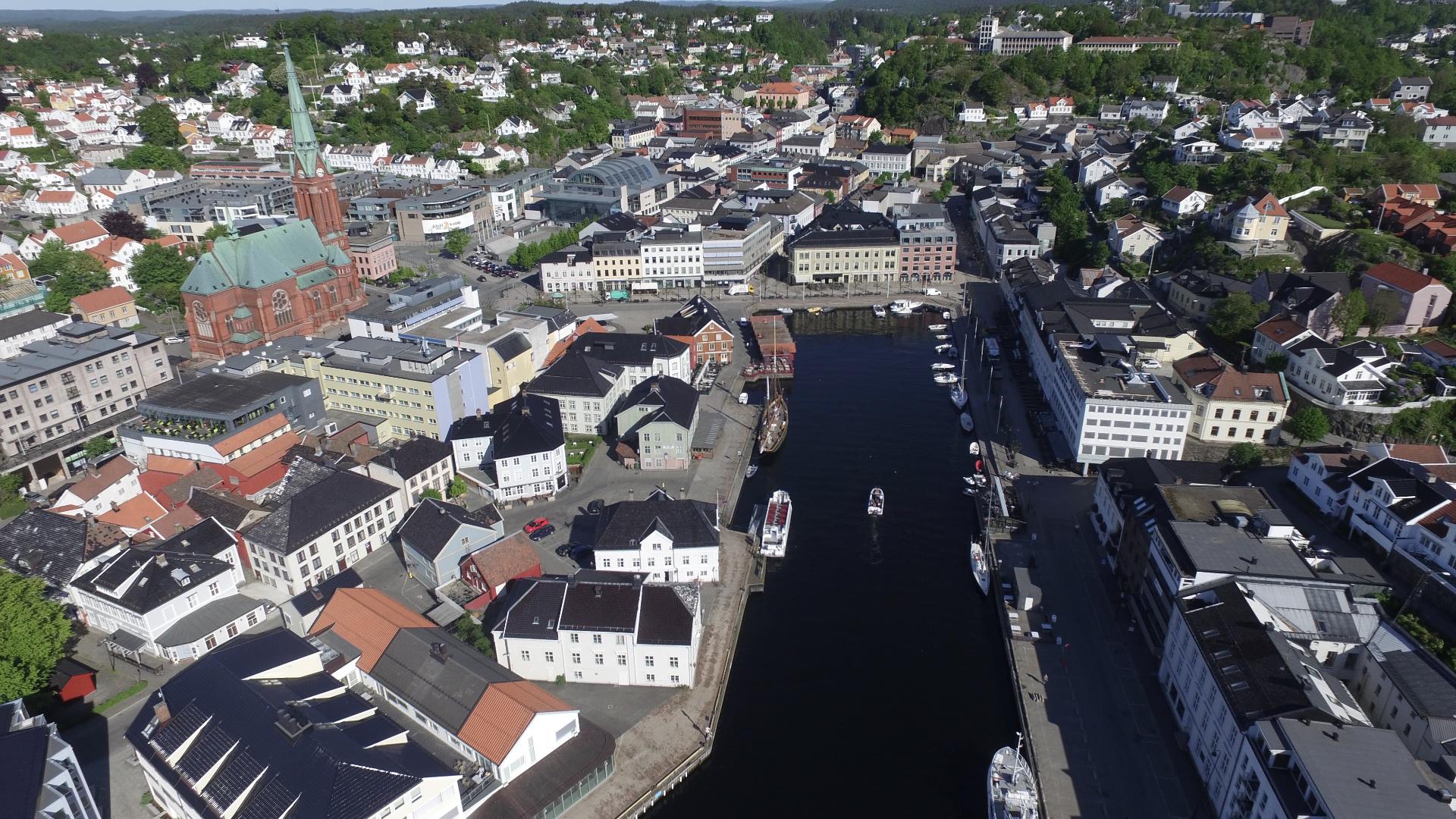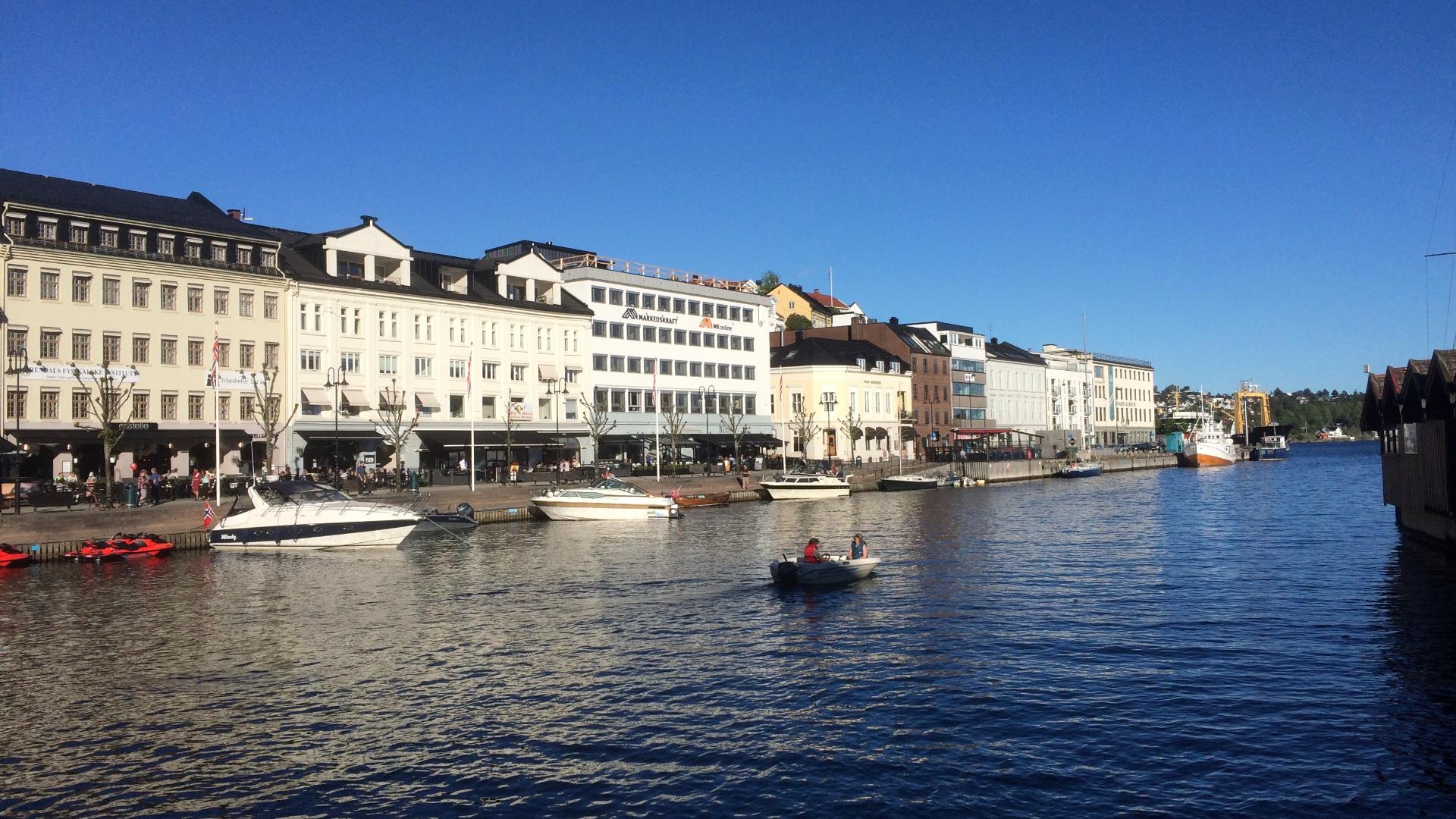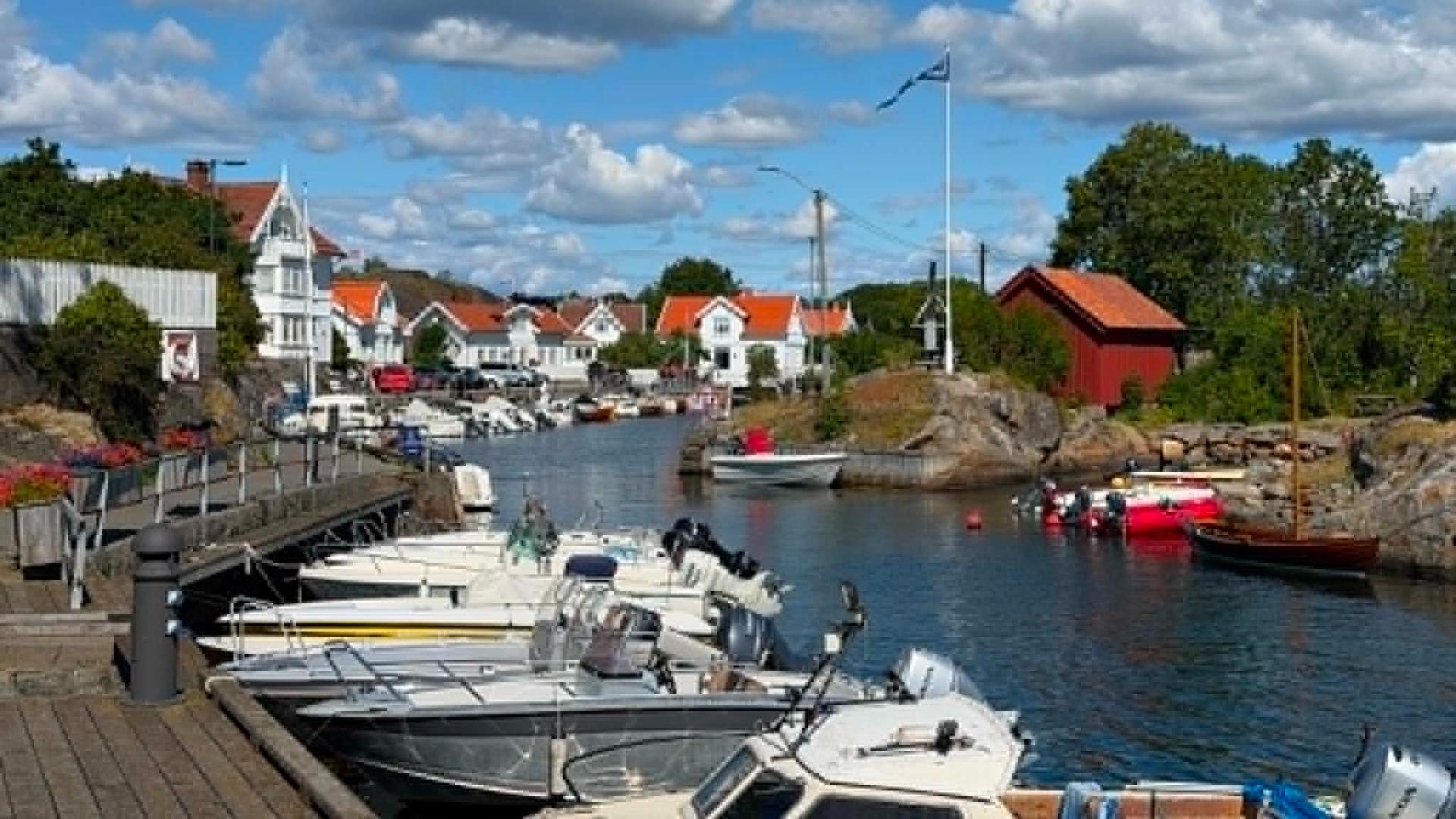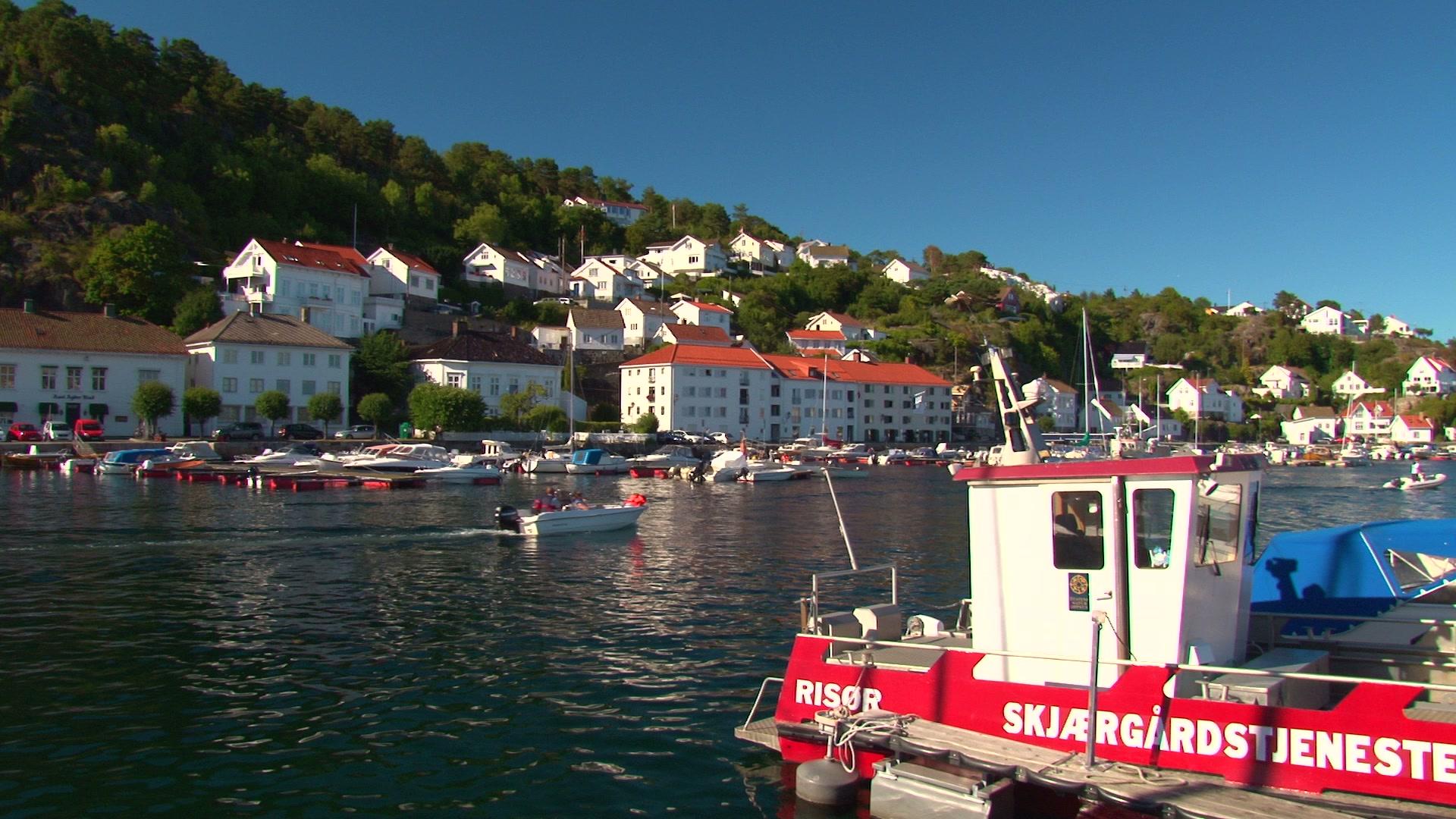
Risør calls itself the white town, and the label fits: row upon row of white-painted wooden houses climb the hillside above a sheltered harbour, their facades deliberately whitewashed to signal prosperity in the great age of sail. A devastating fire in 1861 destroyed 250 buildings, but the town was wealthy enough to rebuild quickly, and architects and craftsmen from across Europe helped raise a new town that is now considered one of the best-preserved wooden settlements on the Norwegian coast.
In the 1800s Risør was one of Norway's largest maritime towns. That era is long gone, but the boat-building tradition survives in the annual Trebåtfestival, which fills the harbour with classic wooden vessels every August. The town also hosts a well-regarded chamber music festival in June. Between events, it is a quiet, photogenic place to wander.
In the 1800s Risør was one of Norway's largest maritime towns. That era is long gone, but the boat-building tradition survives in the annual Trebåtfestival, which fills the harbour with classic wooden vessels every August. The town also hosts a well-regarded chamber music festival in June. Between events, it is a quiet, photogenic place to wander.