Raknehaugen is the largest freestanding burial mound in Scandinavia, 77 metres across and originally over 18 metres high. Dendrochronological analysis shows that roughly 75,000 logs were felled in a single winter around AD 551 and stacked in three pyramid-shaped layers alternating with soil and sand. The construction effort must have been enormous, requiring a large and organized community.
Despite over 150 years of archaeological investigation since the first dig in 1867, no grave, burial chamber, or human remains have ever been found inside. A 2026 study in the European Journal of Archaeology proposes a new interpretation: LiDAR data reveals a massive landslide scar southwest of the mound, and researchers now suggest Raknehaugen was built as a collective ritual response to a catastrophic landslide following the AD 536 climate crisis, when volcanic eruptions dimmed the sun and caused years of crop failure across Scandinavia.
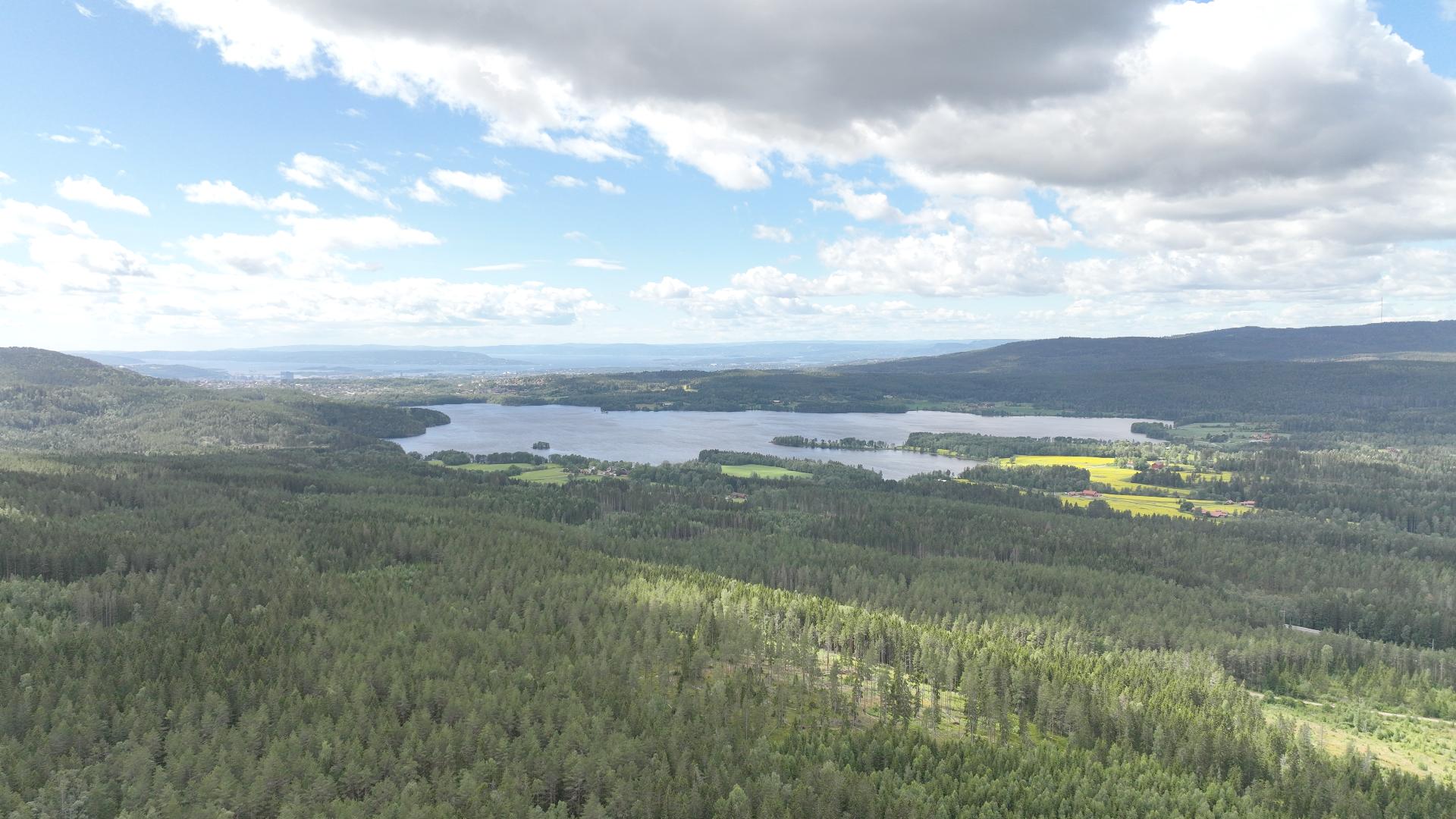
The mound stands freely in the Romerike landscape and is a protected cultural heritage site, accessible year-round.
Despite over 150 years of archaeological investigation since the first dig in 1867, no grave, burial chamber, or human remains have ever been found inside. A 2026 study in the European Journal of Archaeology proposes a new interpretation: LiDAR data reveals a massive landslide scar southwest of the mound, and researchers now suggest Raknehaugen was built as a collective ritual response to a catastrophic landslide following the AD 536 climate crisis, when volcanic eruptions dimmed the sun and caused years of crop failure across Scandinavia.
The mound stands freely in the Romerike landscape and is a protected cultural heritage site, accessible year-round.