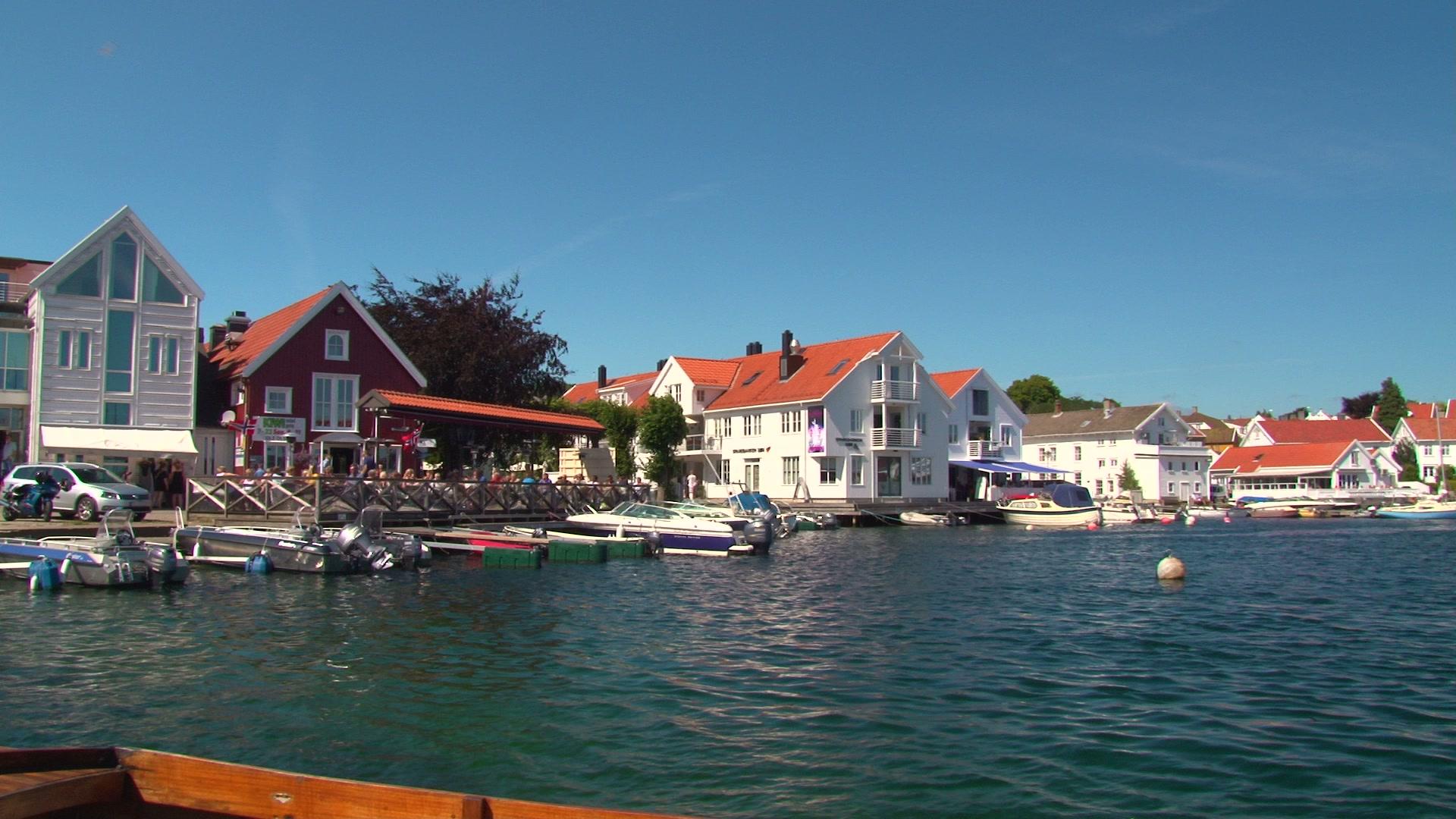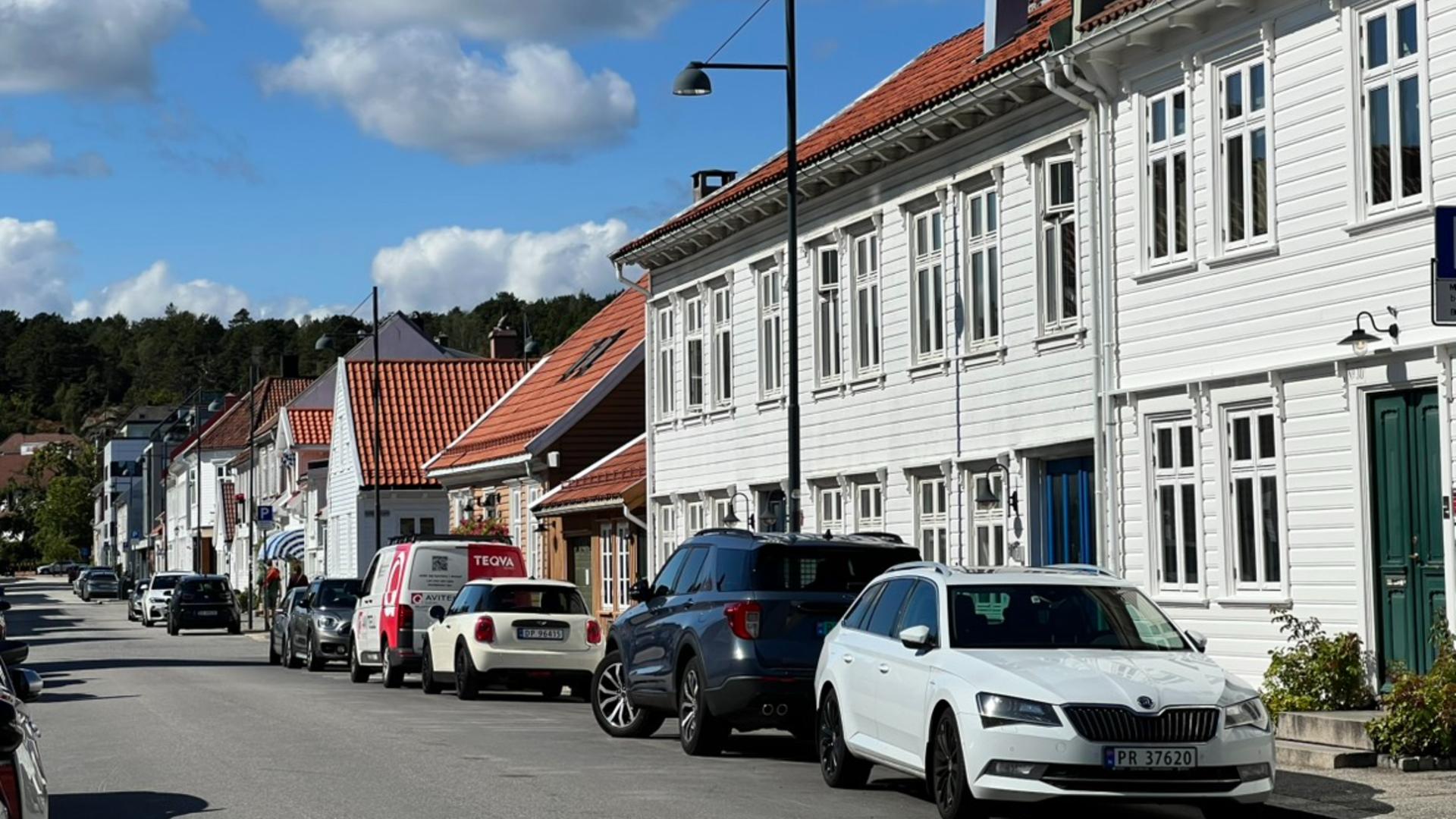
Posebyen is the old town of Kristiansand and one of the largest surviving collections of low-rise wooden houses in Scandinavia. Tucked into the northeastern corner of Kristiansand's rigid grid plan, these blocks of white-painted timber houses date from the 17th, 18th, and 19th centuries, and they look completely different from the rest of the modern city surrounding them.
Kristiansand was founded in 1641 by King Christian IV of Denmark-Norway, who laid it out on a strict grid pattern, rare for Norwegian towns of that era. Most of the original wooden buildings were destroyed in a series of devastating fires, the worst in 1892, which wiped out large parts of the city. Posebyen survived because the fire was stopped just at its edge, making these blocks a rare preserved fragment of what the entire city once looked like.
The neighbourhood covers roughly 15 blocks of small, tightly packed wooden houses, many with traditional courtyards behind them. The architecture is modest but charming: low doorways, hand-blown glass in some windows, and the particular Southern Norwegian style of white-painted clapboard with colourful doors and window frames. Some houses date back to the 1600s, though most were rebuilt after smaller fires in the 18th century.
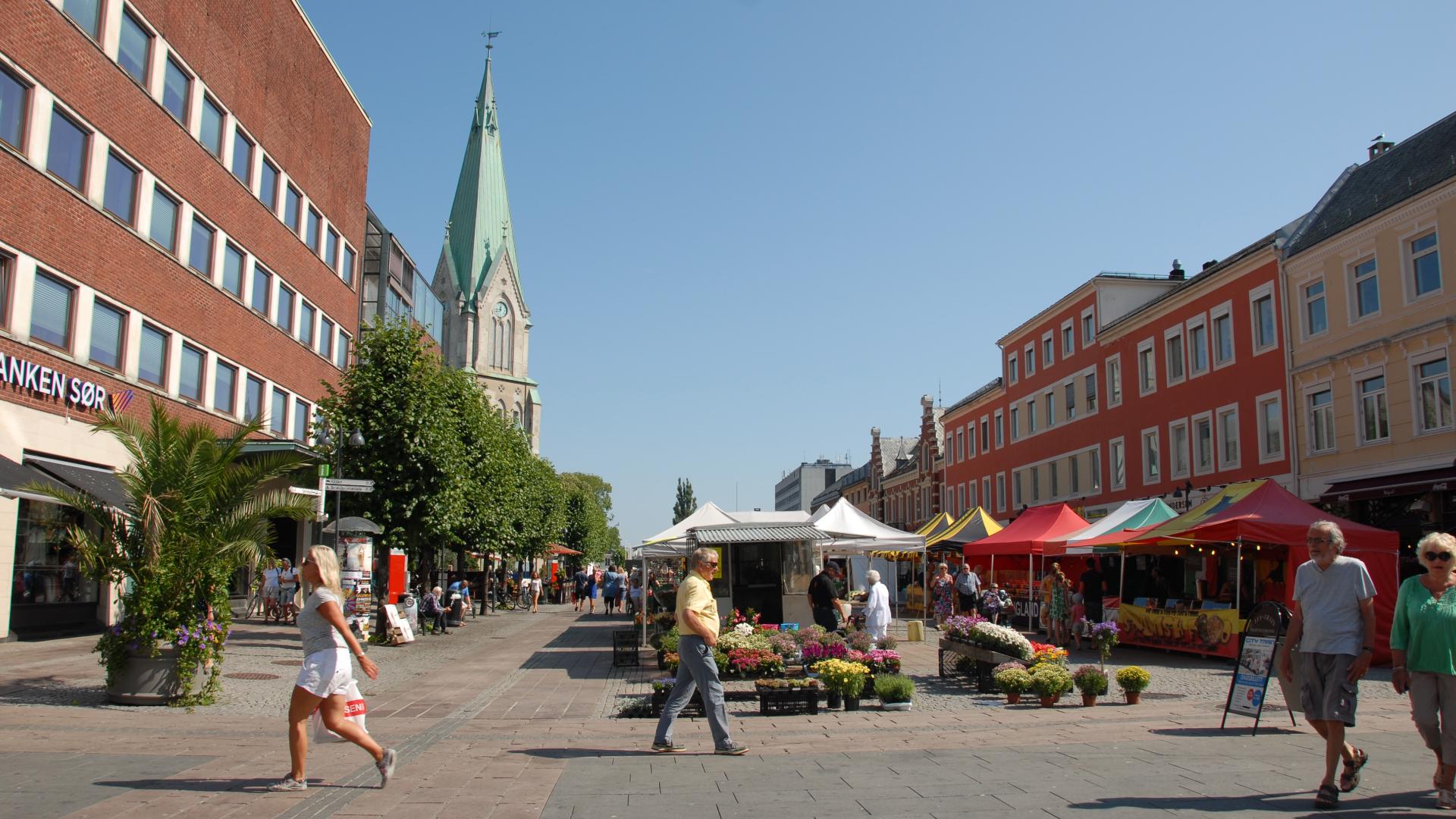
Today Posebyen is a mix of residences, small shops, galleries, and cafes. It comes alive during the summer months and especially during Kristiansand's various festivals. The Saturday market on Posebyen's edges is popular. Walking through the quiet streets on a weekday, though, gives the best sense of what a Southern Norwegian coastal town felt like before concrete and asphalt took over.
The contrast with the modern city just a block away is striking. Step out of Posebyen and you are back in a city of shopping malls and apartment blocks; step back in and the scale drops to something human and historical.
Kristiansand was founded in 1641 by King Christian IV of Denmark-Norway, who laid it out on a strict grid pattern, rare for Norwegian towns of that era. Most of the original wooden buildings were destroyed in a series of devastating fires, the worst in 1892, which wiped out large parts of the city. Posebyen survived because the fire was stopped just at its edge, making these blocks a rare preserved fragment of what the entire city once looked like.
The neighbourhood covers roughly 15 blocks of small, tightly packed wooden houses, many with traditional courtyards behind them. The architecture is modest but charming: low doorways, hand-blown glass in some windows, and the particular Southern Norwegian style of white-painted clapboard with colourful doors and window frames. Some houses date back to the 1600s, though most were rebuilt after smaller fires in the 18th century.
Today Posebyen is a mix of residences, small shops, galleries, and cafes. It comes alive during the summer months and especially during Kristiansand's various festivals. The Saturday market on Posebyen's edges is popular. Walking through the quiet streets on a weekday, though, gives the best sense of what a Southern Norwegian coastal town felt like before concrete and asphalt took over.
The contrast with the modern city just a block away is striking. Step out of Posebyen and you are back in a city of shopping malls and apartment blocks; step back in and the scale drops to something human and historical.