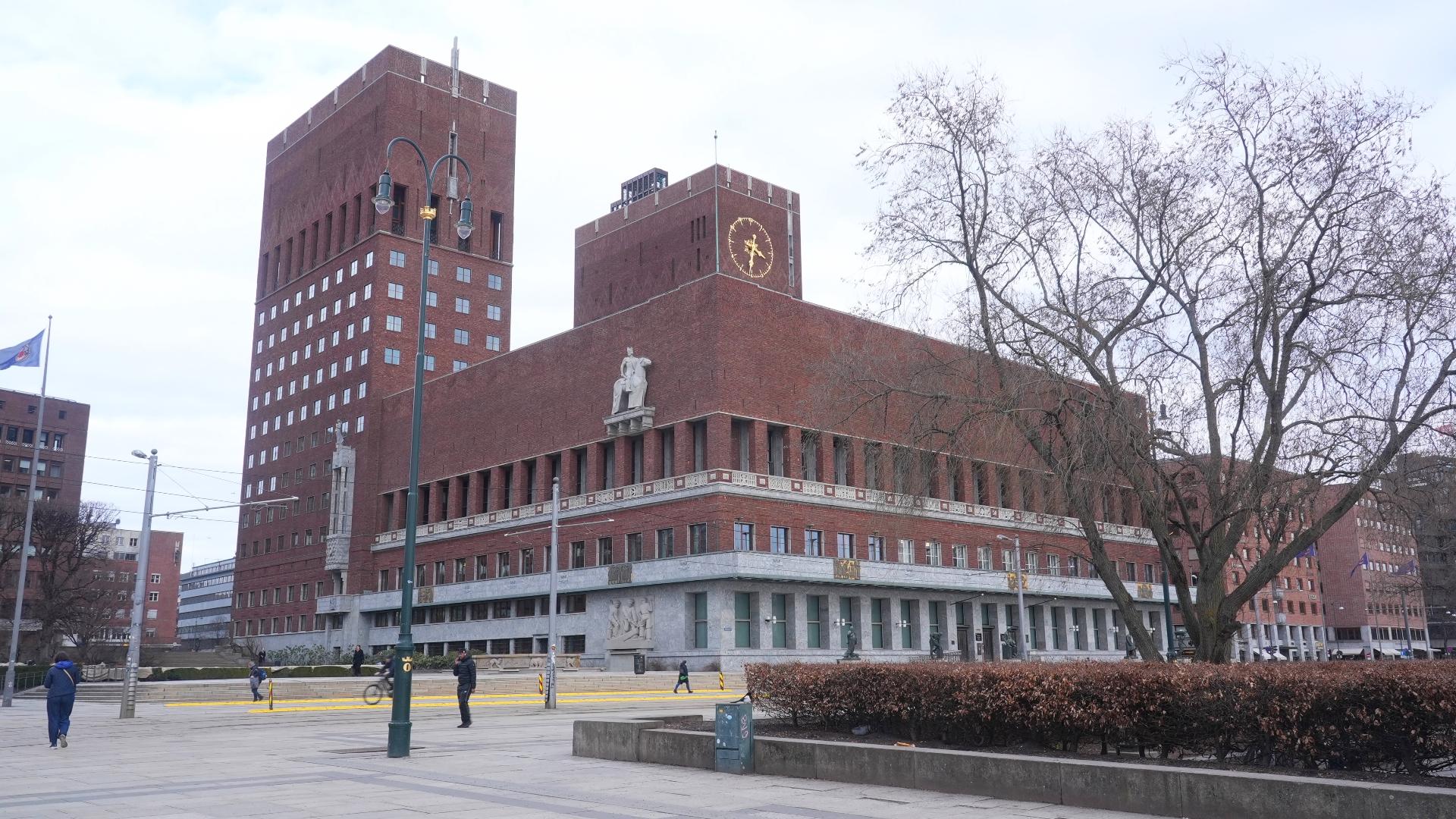
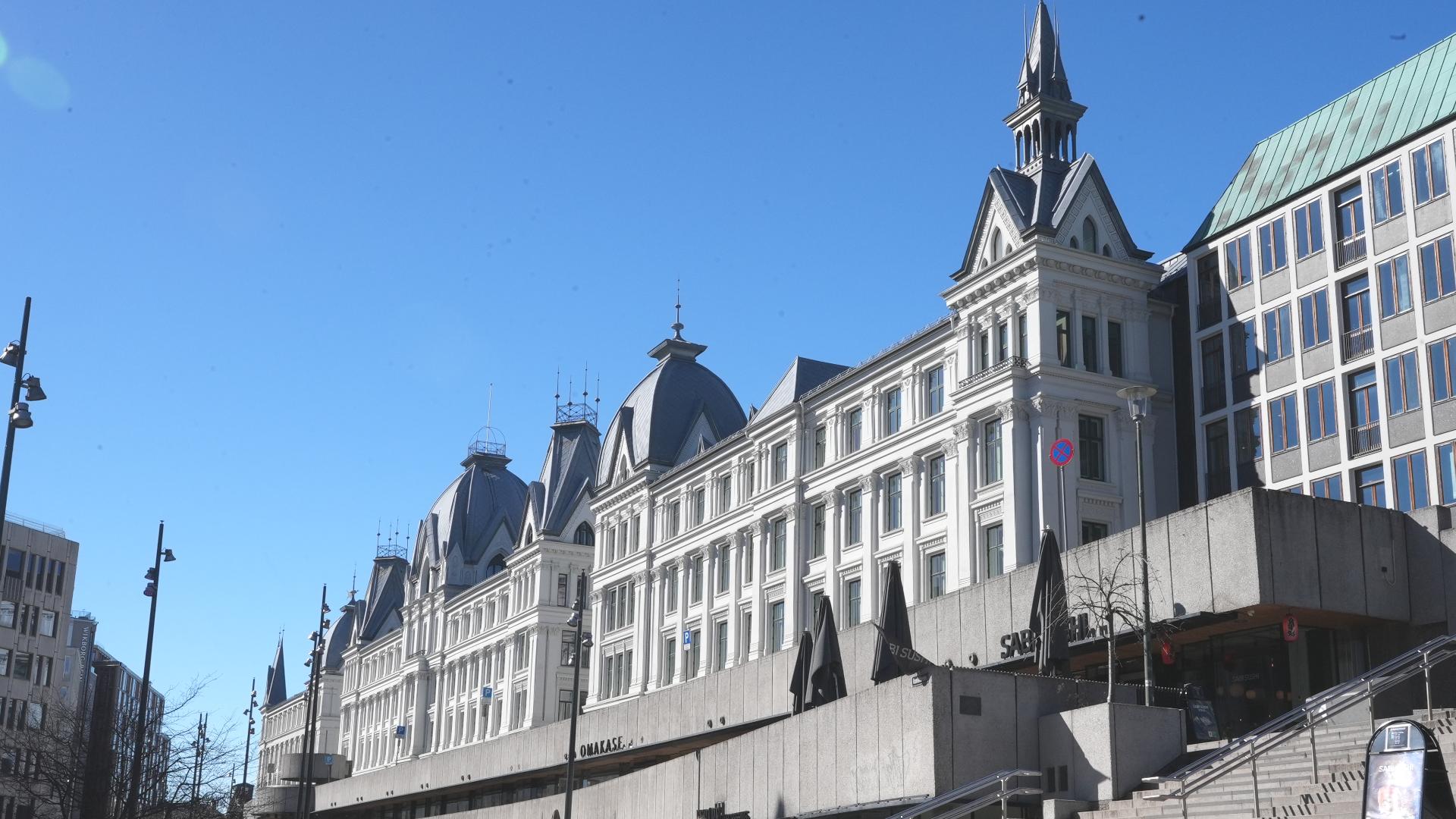
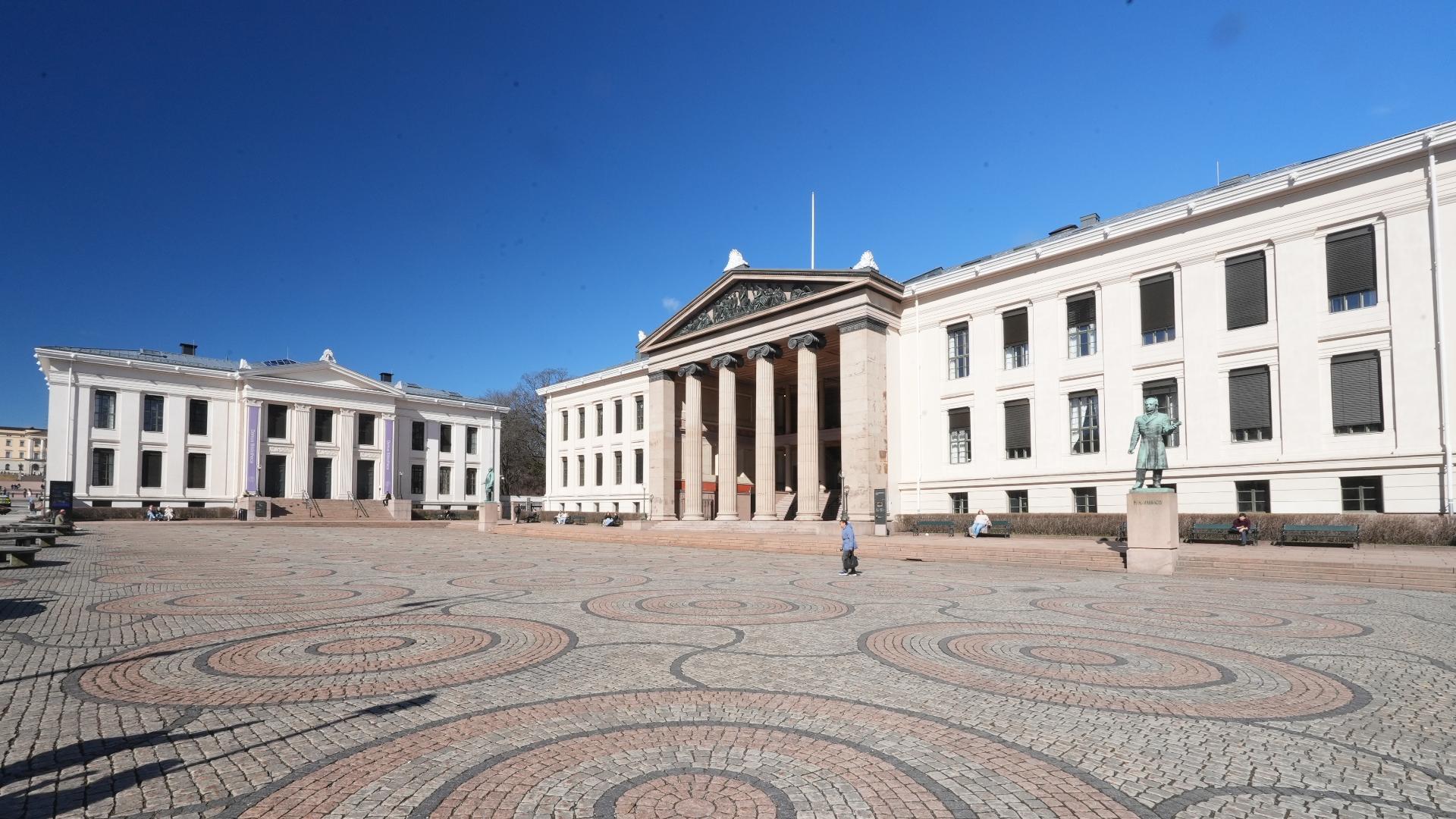
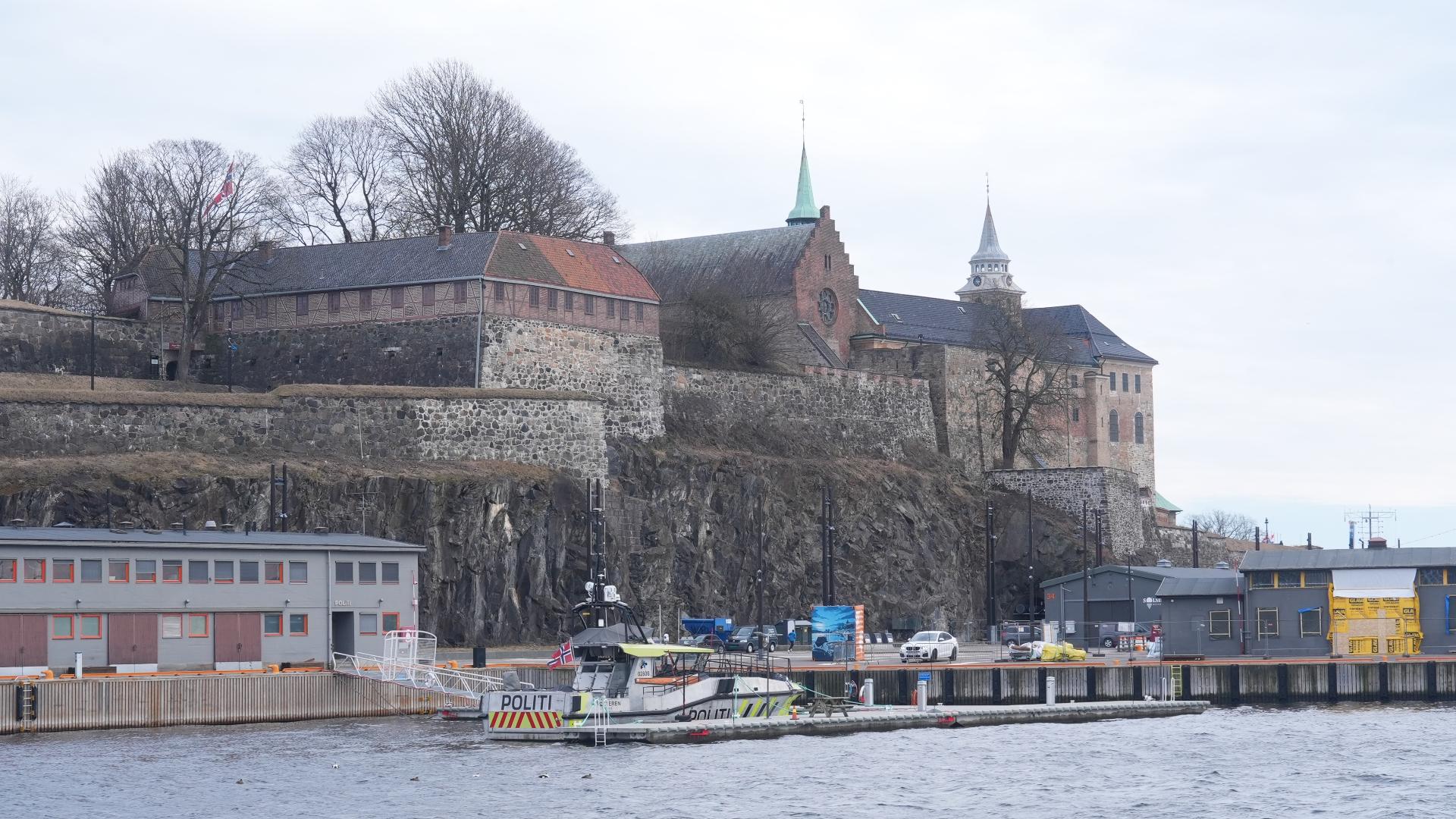
The Nobel Peace Center sits at Rådhusplassen, the square in front of Oslo City Hall, right on the waterfront. It was opened in 2005 by King Harald V and is housed in the former Vestbanestasjon, Oslo's old western railway station, a handsome brick building from 1872 designed by architect Georg Andreas Bull.
But first, the obvious question: why is the Nobel Peace Prize awarded in Oslo and not in Stockholm with all the other Nobel prizes? The answer is that nobody really knows. When Alfred Nobel wrote his will in 1895, Norway and Sweden were still in a political union with a shared monarch. Nobel specified that the peace prize should be decided by a committee elected by the Norwegian parliament, but he never explained why. One theory is that he saw Norway as less militaristic than Sweden. Another is that he admired Bjørnstjerne Bjørnson, the Norwegian writer and peace activist. Whatever the reason, Norway got the honour, and it has stayed in Oslo ever since.
The museum itself uses a mix of digital installations, film and traditional exhibits to present the stories of all the peace prize laureates. The centrepiece is the Nobels Hage, the Nobel Garden, where each laureate is presented on an individual screen surrounded by a thousand small lights. There is also the Nobel-kammeret, a room dedicated to Alfred Nobel's life and the history of the prize, including footage from actual award ceremonies. Temporary exhibitions explore broader themes around peace, conflict and human rights.
The centre welcomes around 250,000 visitors per year. It is not a large museum, so an hour is usually enough for a thorough visit.
But first, the obvious question: why is the Nobel Peace Prize awarded in Oslo and not in Stockholm with all the other Nobel prizes? The answer is that nobody really knows. When Alfred Nobel wrote his will in 1895, Norway and Sweden were still in a political union with a shared monarch. Nobel specified that the peace prize should be decided by a committee elected by the Norwegian parliament, but he never explained why. One theory is that he saw Norway as less militaristic than Sweden. Another is that he admired Bjørnstjerne Bjørnson, the Norwegian writer and peace activist. Whatever the reason, Norway got the honour, and it has stayed in Oslo ever since.
The museum itself uses a mix of digital installations, film and traditional exhibits to present the stories of all the peace prize laureates. The centrepiece is the Nobels Hage, the Nobel Garden, where each laureate is presented on an individual screen surrounded by a thousand small lights. There is also the Nobel-kammeret, a room dedicated to Alfred Nobel's life and the history of the prize, including footage from actual award ceremonies. Temporary exhibitions explore broader themes around peace, conflict and human rights.
The centre welcomes around 250,000 visitors per year. It is not a large museum, so an hour is usually enough for a thorough visit.