Narvik exists because of iron ore. In 1902, the Ofotbanen railway opened, connecting the Swedish mines in Kiruna to this ice-free harbour. The ore had to go somewhere in winter, because the Baltic freezes over. That somewhere became Narvik. Today it is still Norway's second largest export port; in 2022, 22.5 million tonnes of iron ore were shipped out.
The iron ore also made Narvik a prime target in World War II. On April 9, 1940, German forces attacked and sank the Norwegian warships Eidsvold and Norge, killing 282 sailors. What followed were 62 days of fighting involving Norwegian, British, French and Polish forces. On May 28, Allied troops recaptured the town, the first time the Allies took back a city from the Germans. But it did not last; the Allied withdrawal from Norway meant German forces walked back in on June 8. Almost the entire population of 10,000 had been evacuated, and 165 buildings were destroyed.
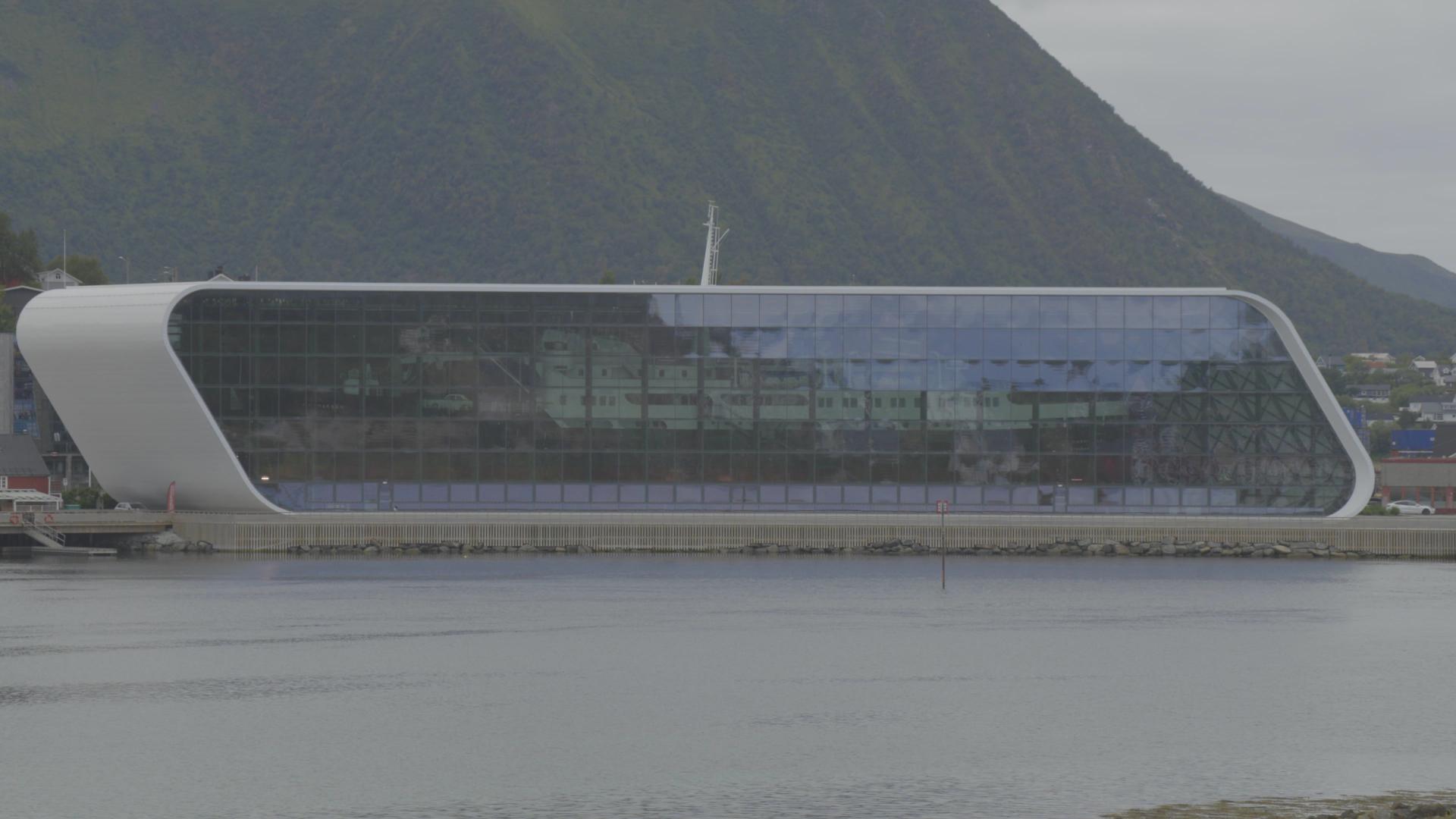
The Narviksenteret war museum in the town centre tells this story well and is worth a visit. The Ofotbanen railway itself is a popular tourist train, with daily departures to the Swedish border and back.
The iron ore also made Narvik a prime target in World War II. On April 9, 1940, German forces attacked and sank the Norwegian warships Eidsvold and Norge, killing 282 sailors. What followed were 62 days of fighting involving Norwegian, British, French and Polish forces. On May 28, Allied troops recaptured the town, the first time the Allies took back a city from the Germans. But it did not last; the Allied withdrawal from Norway meant German forces walked back in on June 8. Almost the entire population of 10,000 had been evacuated, and 165 buildings were destroyed.
The Narviksenteret war museum in the town centre tells this story well and is worth a visit. The Ofotbanen railway itself is a popular tourist train, with daily departures to the Swedish border and back.