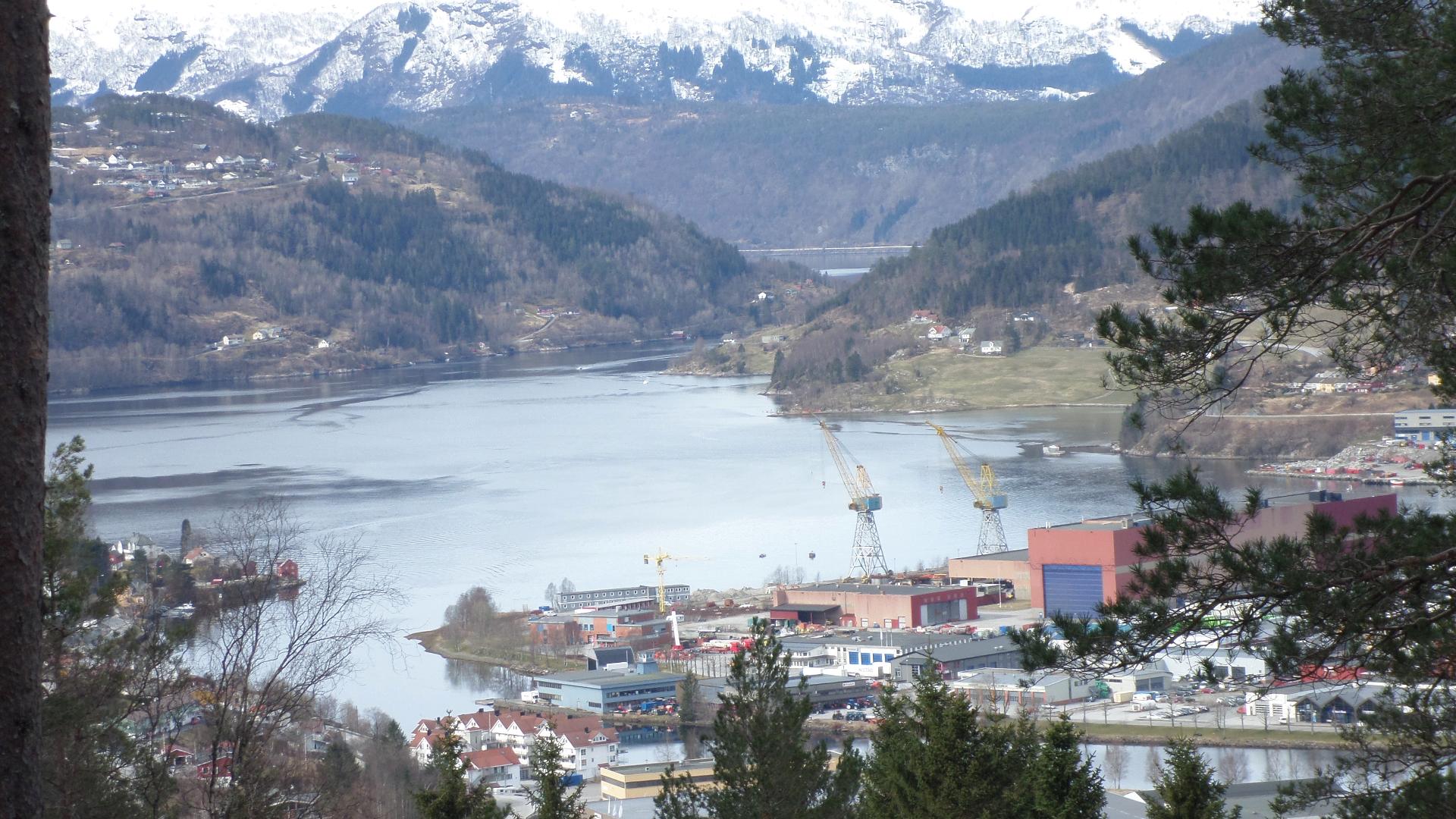
Lavik is not a destination. It's a ferry terminal with a village attached. If you're driving the E39 between Bergen and the Sognefjord, you will pass through here because there is no bridge. The ferry to Oppedal runs every 20 minutes and takes about the same.
What makes Lavik worth knowing about is the ferry itself. In 2015, the Lavik-Oppedal route became the first in the world to operate a fully electric car ferry. MF Ampere runs on a 1,040 kilowatt-hour lithium-ion battery, charges at each dock in nine minutes, and cut carbon emissions on this crossing by 95 percent compared to the diesel ferry it replaced. Norway has since rolled out over a hundred electric ferries across the country, but this is where it started.
When Ampere was announced, there was a minor crisis. On ferries in Western Norway, the cafeteria serves sveler, a thick, soft pancake eaten with butter and brown cheese or sour cream. Buying a svele on the ferry is a sacred tradition in this part of the country. If you have not tried one yet, make sure you do once you are on board. But the battery ferry had to save every watt of electricity, so Norled announced there would be no kitchen on board. Just vending machines. The crew were horrified. Passengers protested. One man told NRK they should install an extra battery just so they could keep the kitchen. Norled's project manager promised they would do everything they could to get svele production back on board. They eventually did.
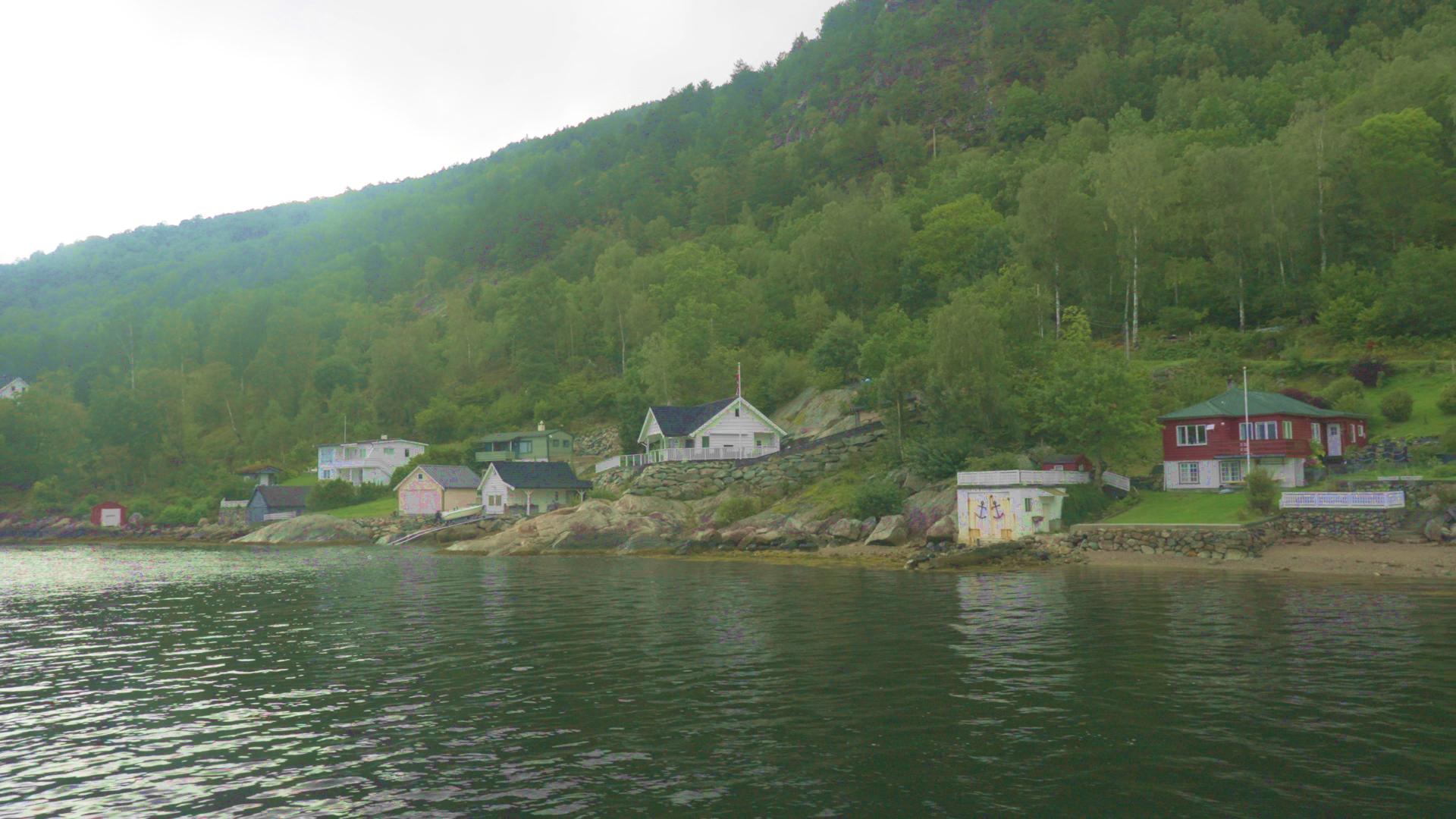
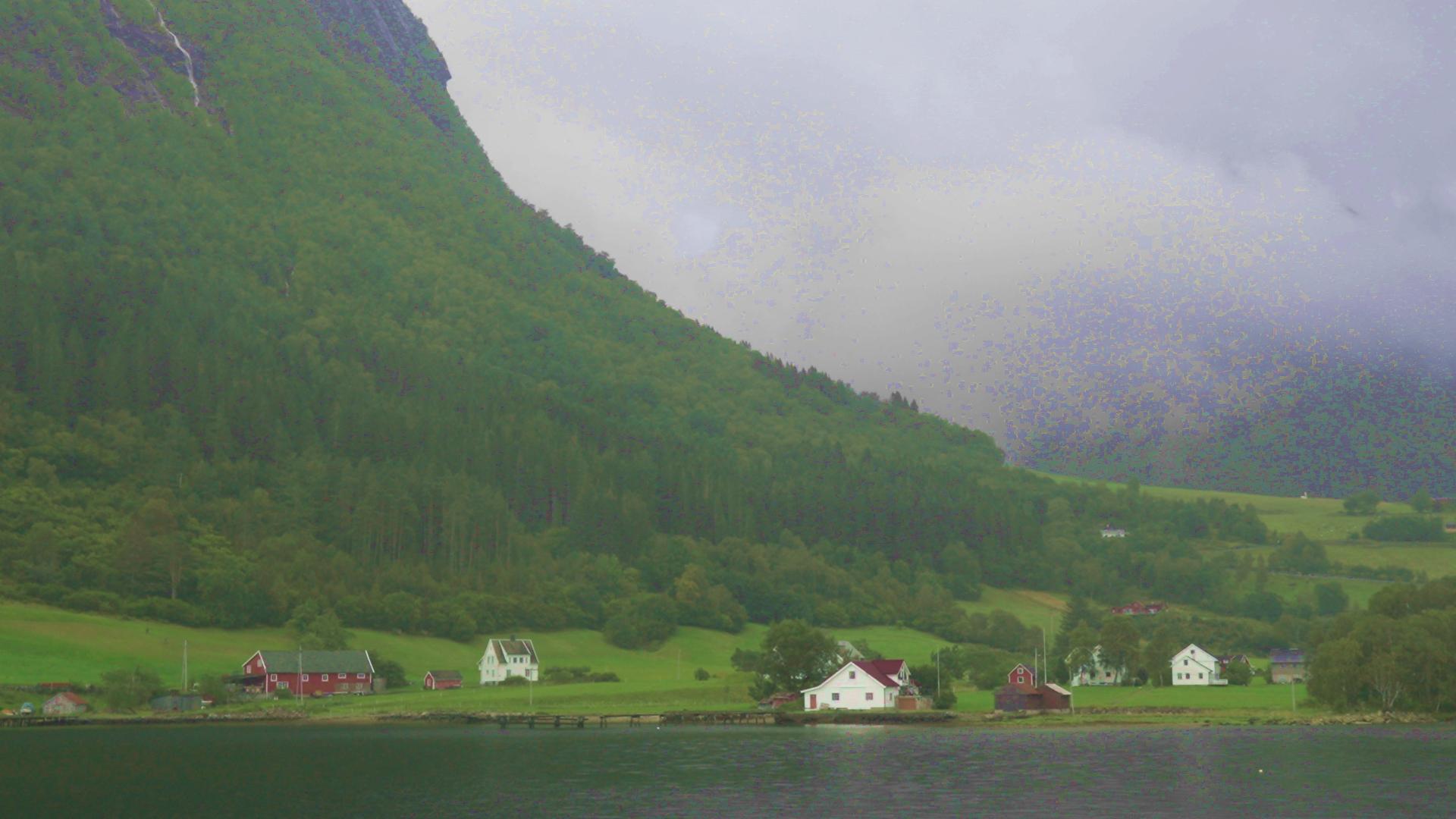
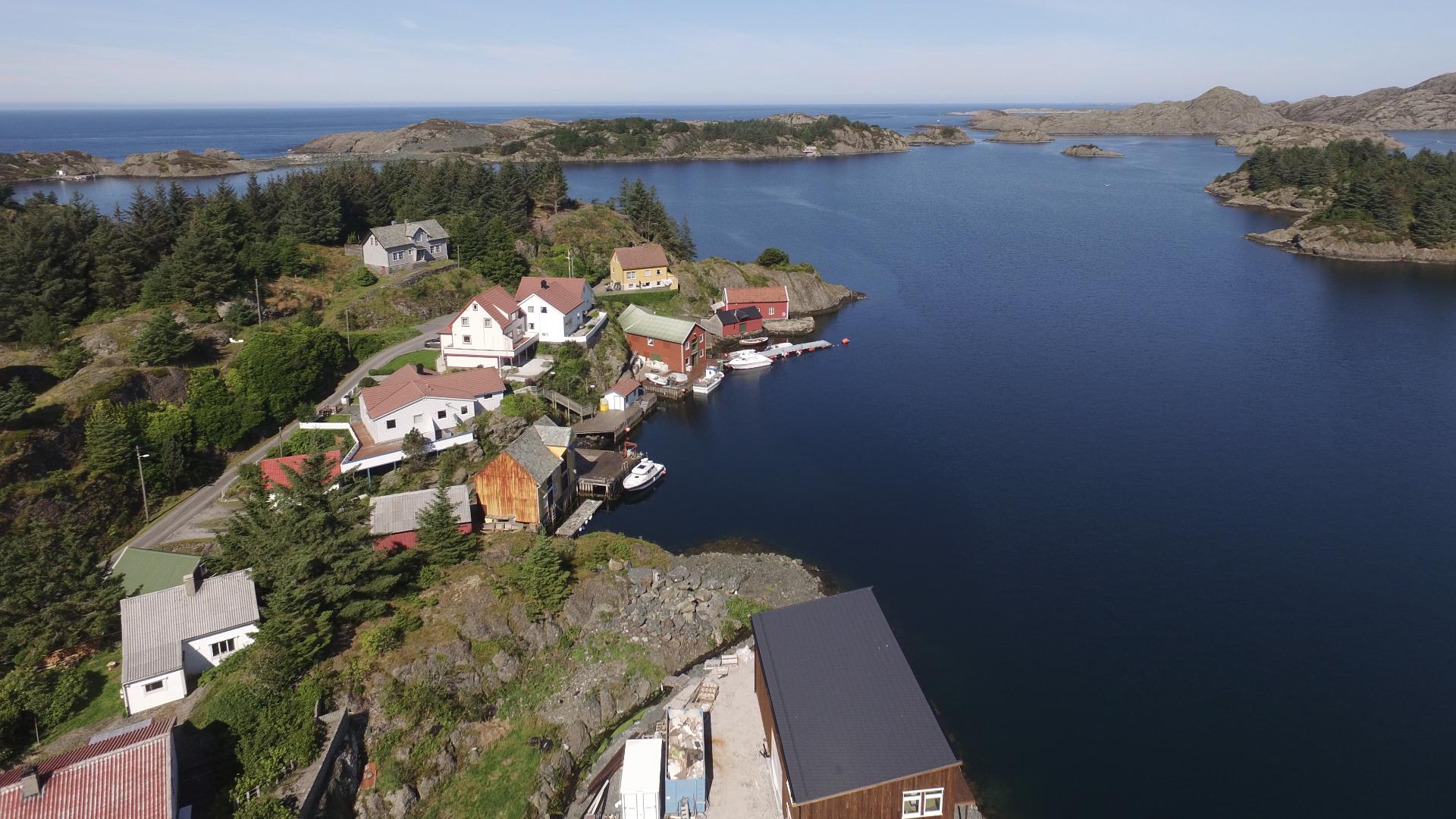
The village itself has about 500 residents. People have lived here since before the Viking Age, farming the narrow strip of flat land between the fjord and the mountain.
What makes Lavik worth knowing about is the ferry itself. In 2015, the Lavik-Oppedal route became the first in the world to operate a fully electric car ferry. MF Ampere runs on a 1,040 kilowatt-hour lithium-ion battery, charges at each dock in nine minutes, and cut carbon emissions on this crossing by 95 percent compared to the diesel ferry it replaced. Norway has since rolled out over a hundred electric ferries across the country, but this is where it started.
When Ampere was announced, there was a minor crisis. On ferries in Western Norway, the cafeteria serves sveler, a thick, soft pancake eaten with butter and brown cheese or sour cream. Buying a svele on the ferry is a sacred tradition in this part of the country. If you have not tried one yet, make sure you do once you are on board. But the battery ferry had to save every watt of electricity, so Norled announced there would be no kitchen on board. Just vending machines. The crew were horrified. Passengers protested. One man told NRK they should install an extra battery just so they could keep the kitchen. Norled's project manager promised they would do everything they could to get svele production back on board. They eventually did.
The village itself has about 500 residents. People have lived here since before the Viking Age, farming the narrow strip of flat land between the fjord and the mountain.