Kvadraturen is the oldest planned part of Oslo, and its story begins with a catastrophe. In 1624, a devastating fire destroyed the medieval city. King Christian IV of Denmark-Norway decided not to rebuild on the old site but instead laid out an entirely new city right next to Akershus Festning. He ordered a Renaissance-style grid of straight streets, a radical departure from the tangled medieval lanes that had burned down. The new city was named Christiania in the king's honour, and the grid plan is still clearly visible today in the blocks between Akershus and Jernbanetorget.
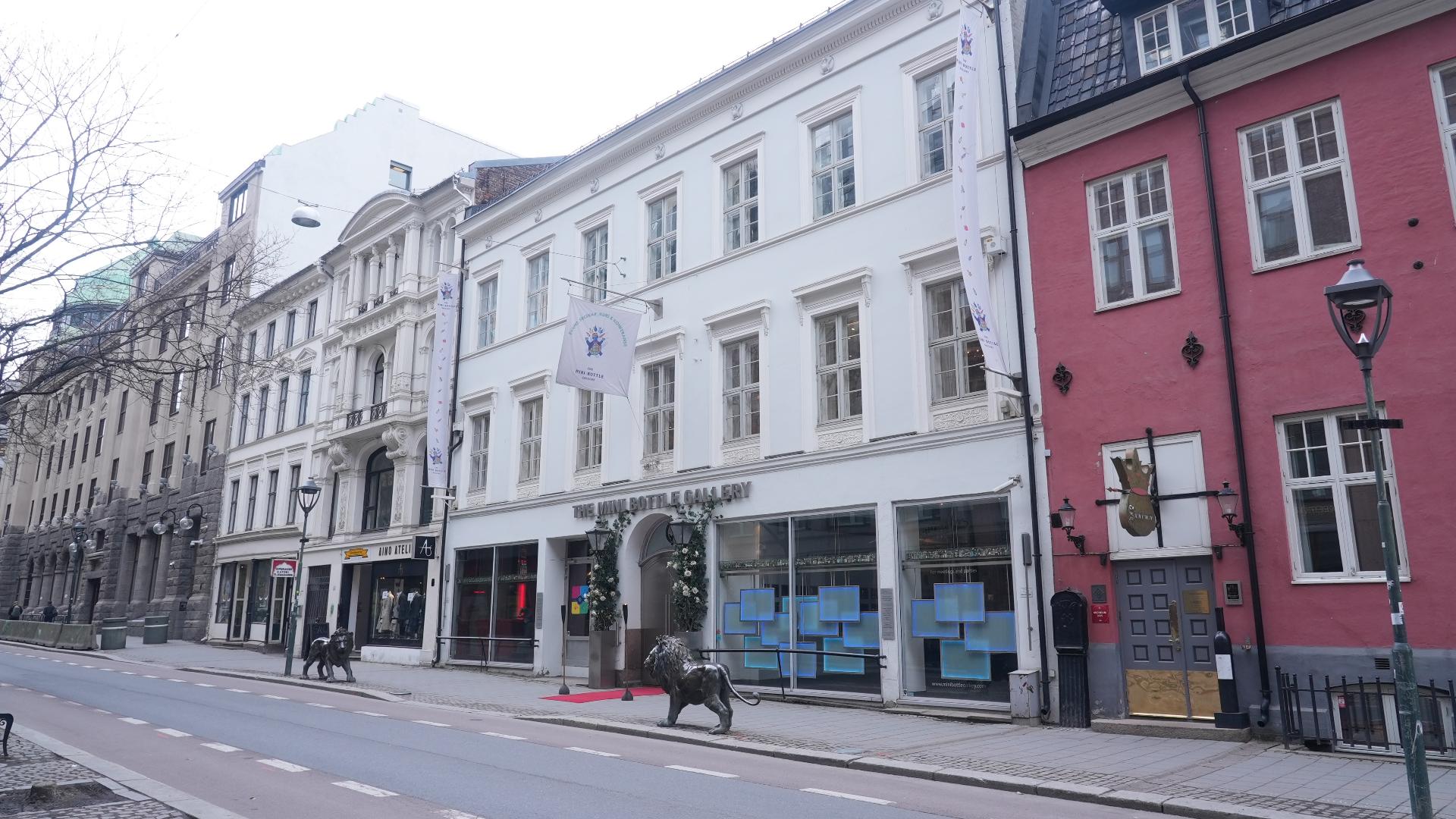
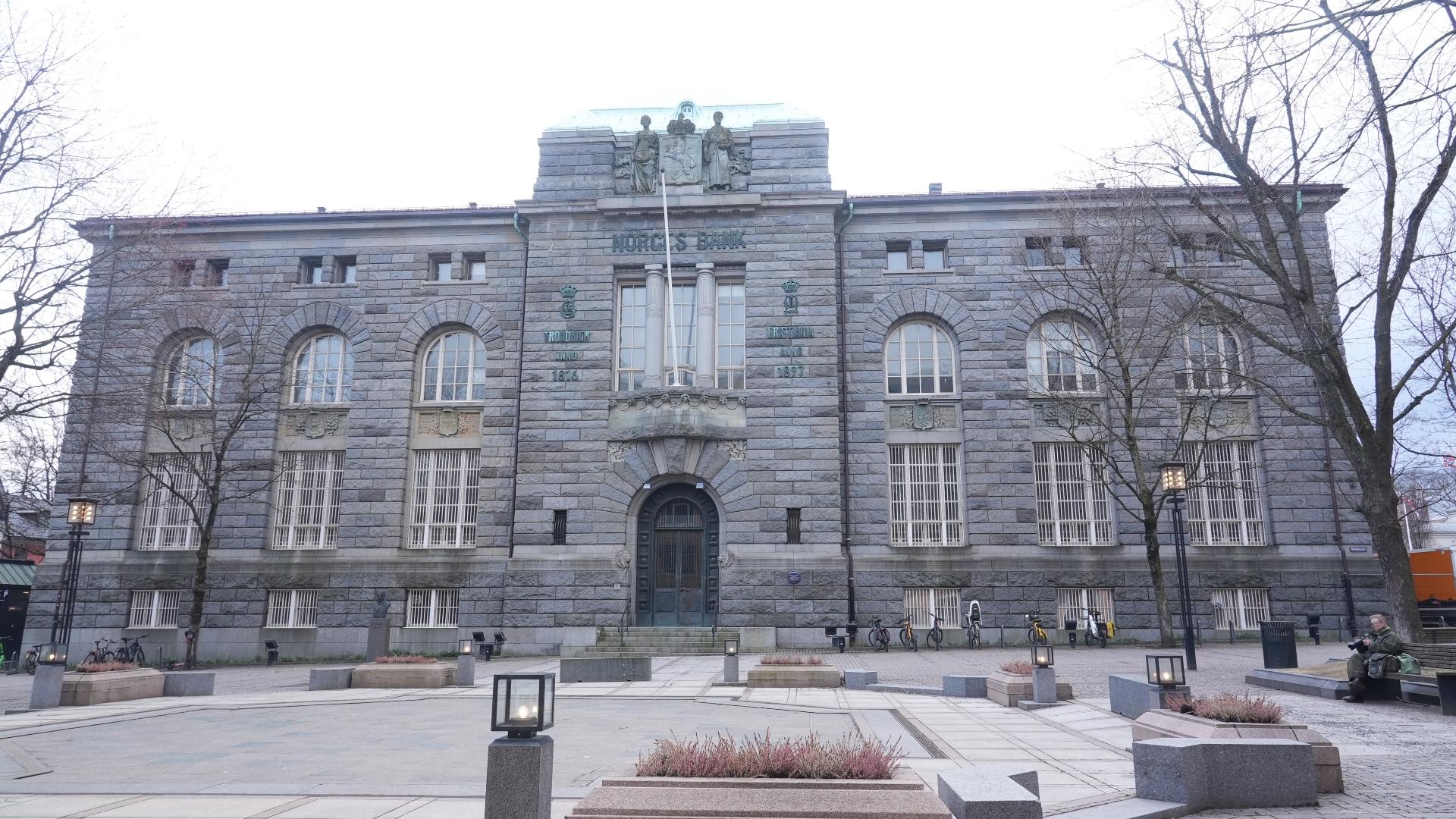
The name Kvadraturen simply means "the square" or "the grid" and refers to the rectangular street layout. In the seventeenth and eighteenth centuries, this was the heart of Christiania, where the wealthy merchants and officials lived. Some of the oldest surviving buildings in Oslo are found here, including the old town hall at Christiania Torv and several merchant houses along Rådhusgata and Dronningens gate.
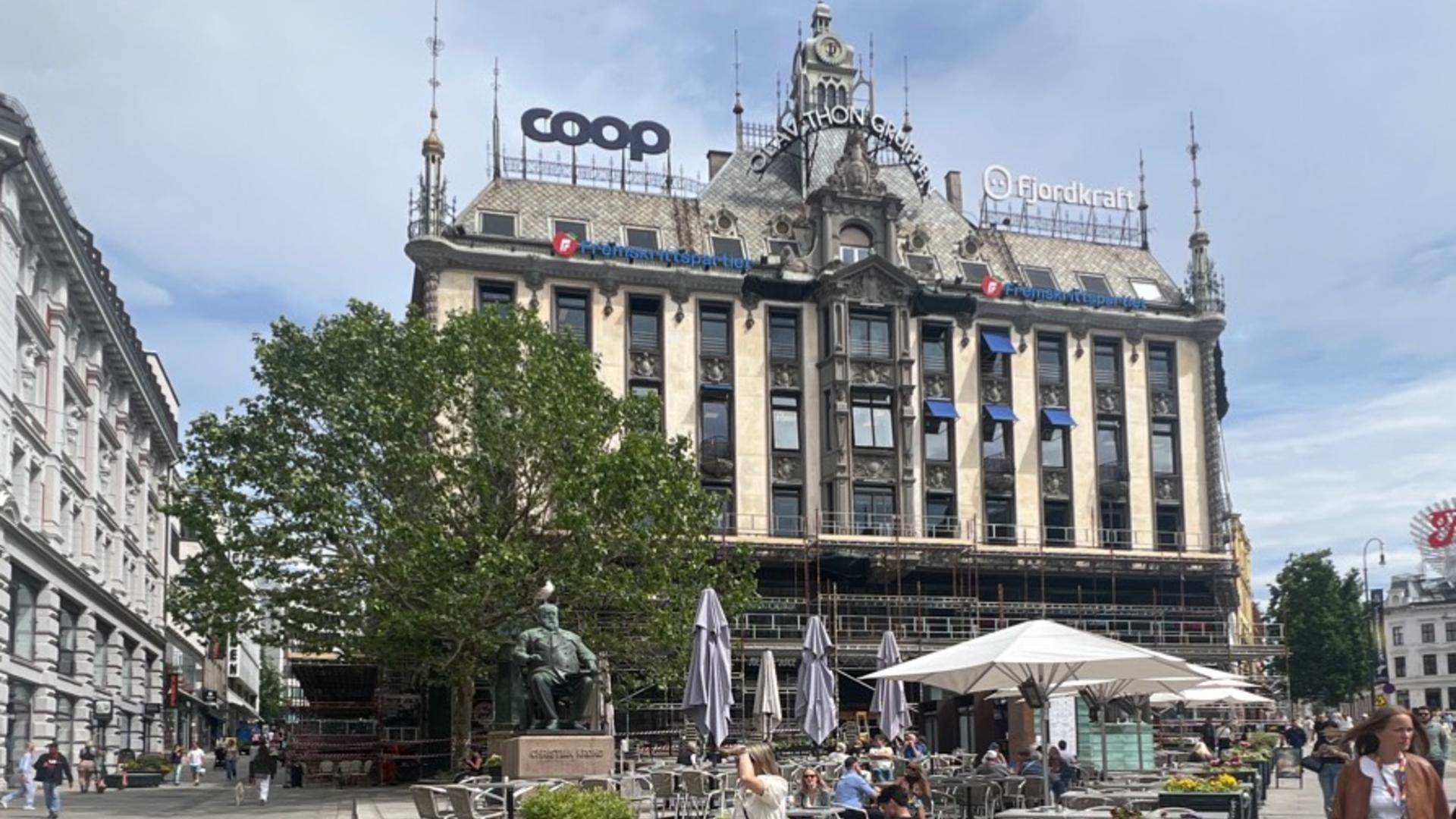
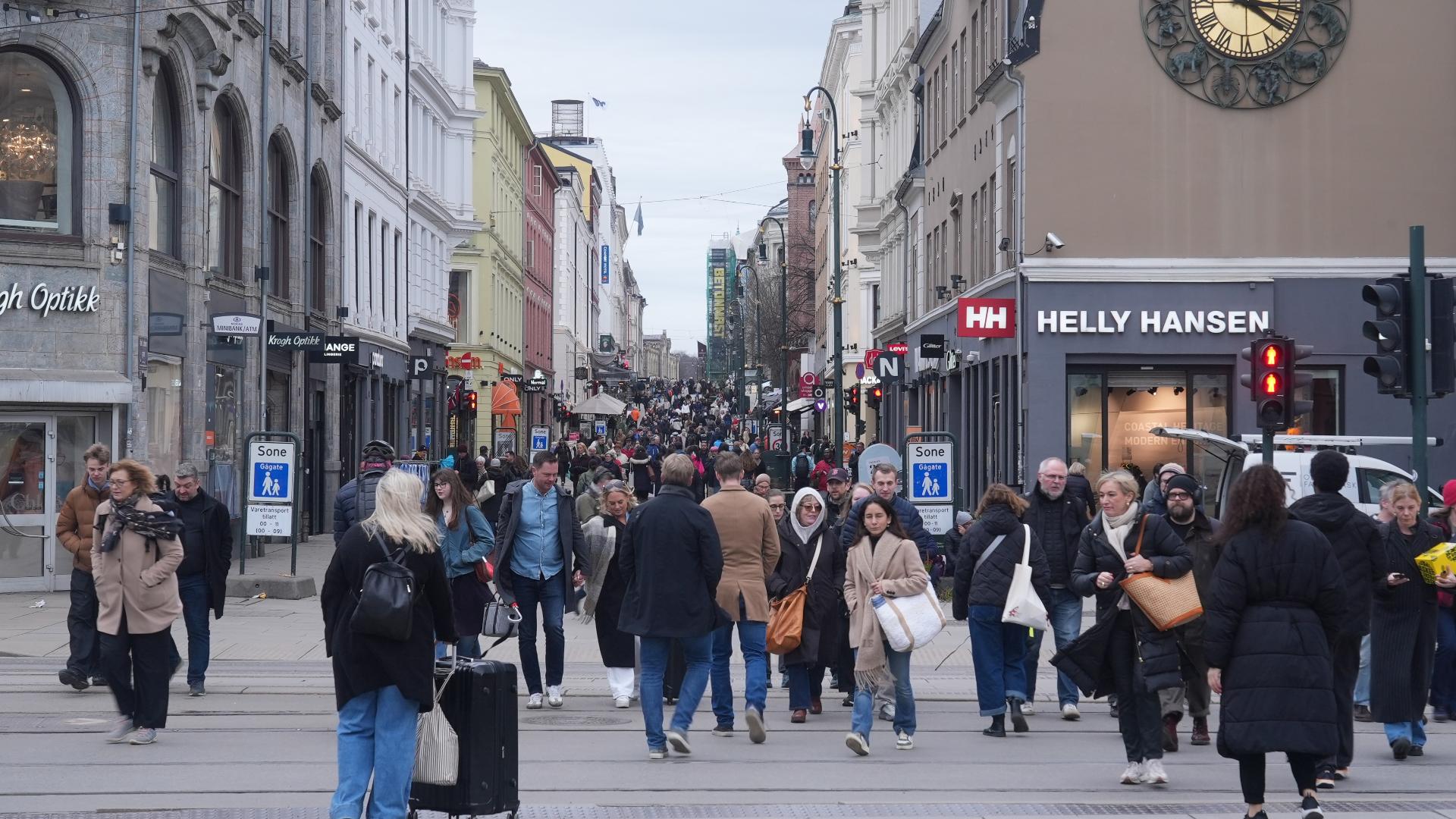
Today Kvadraturen is a quiet area compared to the bustle of Karl Johans gate just to the north. The streets have a mix of old and newer buildings, with restaurants, galleries and small shops tucked between them. It is not a place you would necessarily visit as a standalone attraction, but it is worth being aware of when walking between the central station and Akershus Festning. The grid streets are a direct physical link to the fire of 1624 and the king who rebuilt the city from scratch.
The name Kvadraturen simply means "the square" or "the grid" and refers to the rectangular street layout. In the seventeenth and eighteenth centuries, this was the heart of Christiania, where the wealthy merchants and officials lived. Some of the oldest surviving buildings in Oslo are found here, including the old town hall at Christiania Torv and several merchant houses along Rådhusgata and Dronningens gate.
Today Kvadraturen is a quiet area compared to the bustle of Karl Johans gate just to the north. The streets have a mix of old and newer buildings, with restaurants, galleries and small shops tucked between them. It is not a place you would necessarily visit as a standalone attraction, but it is worth being aware of when walking between the central station and Akershus Festning. The grid streets are a direct physical link to the fire of 1624 and the king who rebuilt the city from scratch.