Sandefjord was once the whaling capital of the world, and Hvalfangstmuseet is the only museum on the planet dedicated entirely to the history of whaling. Located right in the centre of Sandefjord, it tells the full story of an industry that defined this town, shaped Norway's economy, and ultimately became one of the most controversial chapters in the country's relationship with the sea.
The museum opened in 1917, while commercial whaling was still in full swing. Its collection spans centuries, from the earliest hand-harpoon hunts in northern Norway to the massive industrial expeditions to the Antarctic in the 20th century. Sandefjord's role was central: by the early 1900s, the town's ship owners controlled much of the global whaling fleet. Names like Chr. Christensen and Lars Christensen are everywhere in the museum, ship owners who sent fleets of factory ships and catchers to the Southern Ocean and funded polar exploration on the side.
The exhibits do not shy away from the reality of what whaling was. Full-sized harpoon guns, flensing tools, and detailed models of factory ships give a visceral sense of the industrial scale. A reconstructed crew cabin shows the cramped conditions whalers lived in for months at sea. Maps and logbooks trace the routes south, past Africa and into Antarctic waters where blue whales, fin whales, and humpbacks were hunted to near extinction.
But the museum also covers the broader cultural context: why whaling mattered economically to a small coastal nation, how it funded everything from schools to hospitals in Vestfold, and how the shift toward conservation eventually ended the industry. Norway's complicated relationship with whaling continues to this day, as one of the few countries still permitting limited minke whale hunting.
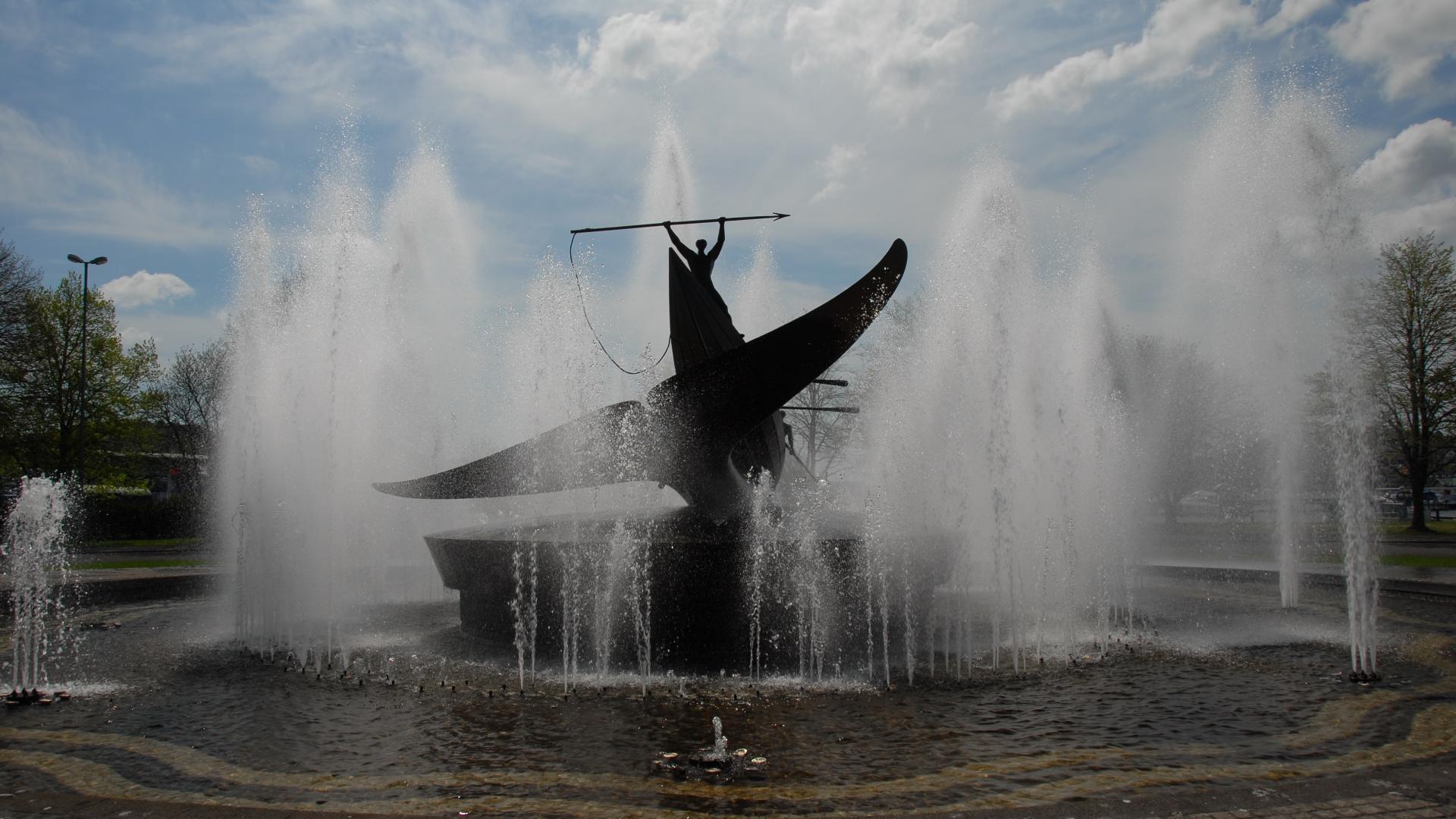
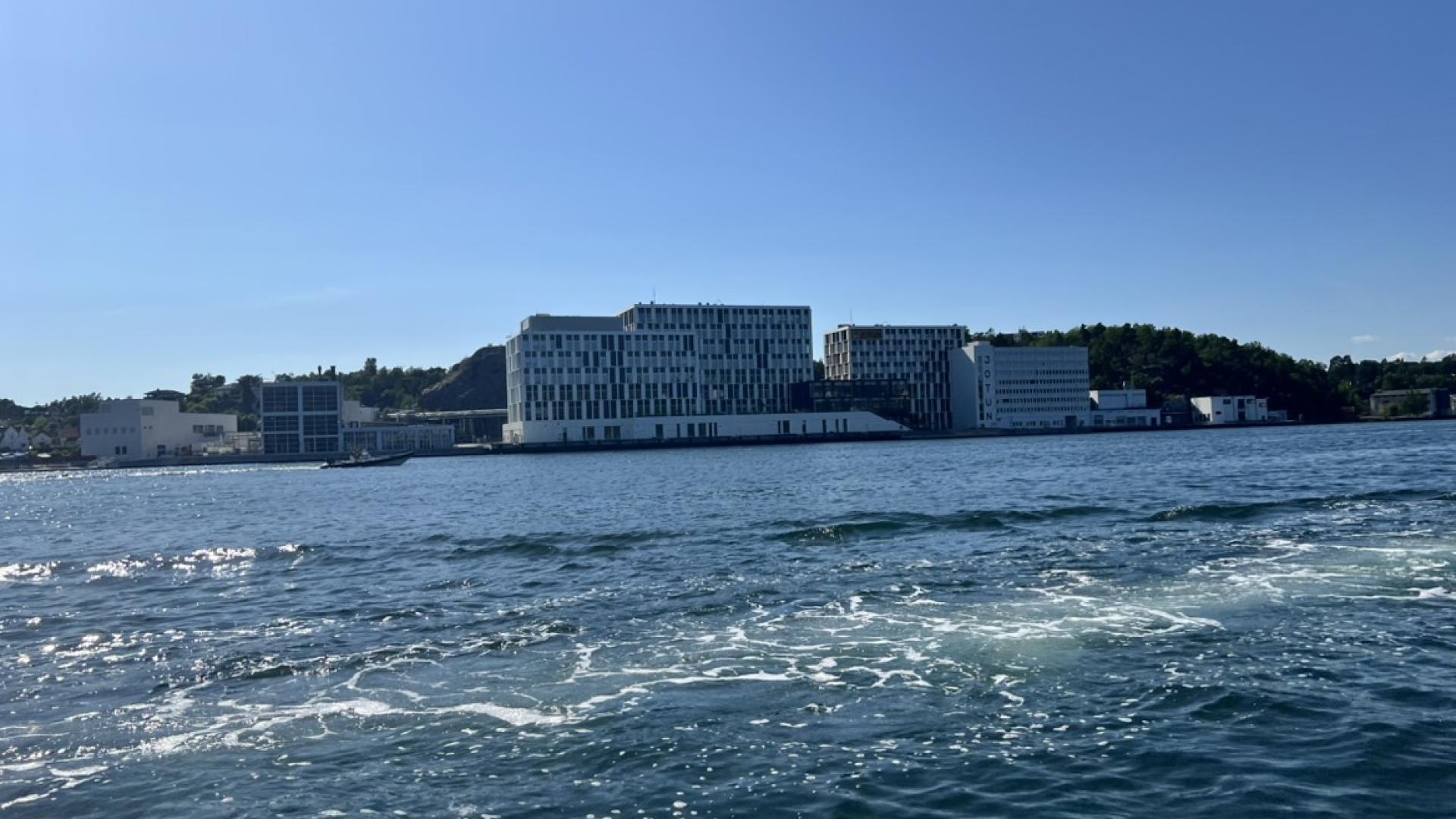
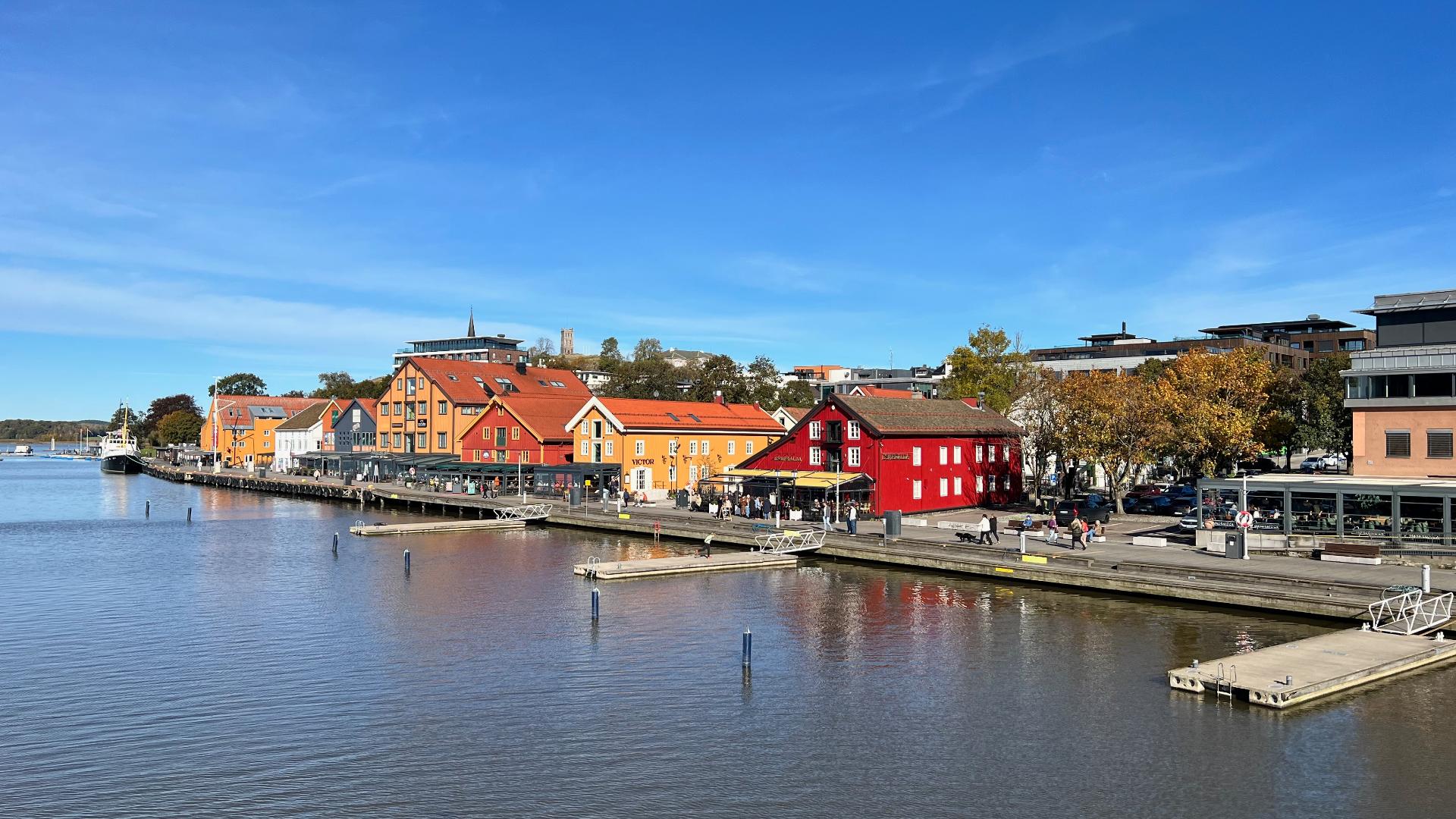
Outside the museum, a bronze whale fountain by Knut Steen stands in the harbour, and across the bay you can see the old whaling station areas. Combined with a walk along the waterfront, the museum makes for a thought-provoking visit that goes well beyond what you might expect from a small-town museum.
The museum opened in 1917, while commercial whaling was still in full swing. Its collection spans centuries, from the earliest hand-harpoon hunts in northern Norway to the massive industrial expeditions to the Antarctic in the 20th century. Sandefjord's role was central: by the early 1900s, the town's ship owners controlled much of the global whaling fleet. Names like Chr. Christensen and Lars Christensen are everywhere in the museum, ship owners who sent fleets of factory ships and catchers to the Southern Ocean and funded polar exploration on the side.
The exhibits do not shy away from the reality of what whaling was. Full-sized harpoon guns, flensing tools, and detailed models of factory ships give a visceral sense of the industrial scale. A reconstructed crew cabin shows the cramped conditions whalers lived in for months at sea. Maps and logbooks trace the routes south, past Africa and into Antarctic waters where blue whales, fin whales, and humpbacks were hunted to near extinction.
But the museum also covers the broader cultural context: why whaling mattered economically to a small coastal nation, how it funded everything from schools to hospitals in Vestfold, and how the shift toward conservation eventually ended the industry. Norway's complicated relationship with whaling continues to this day, as one of the few countries still permitting limited minke whale hunting.
Outside the museum, a bronze whale fountain by Knut Steen stands in the harbour, and across the bay you can see the old whaling station areas. Combined with a walk along the waterfront, the museum makes for a thought-provoking visit that goes well beyond what you might expect from a small-town museum.