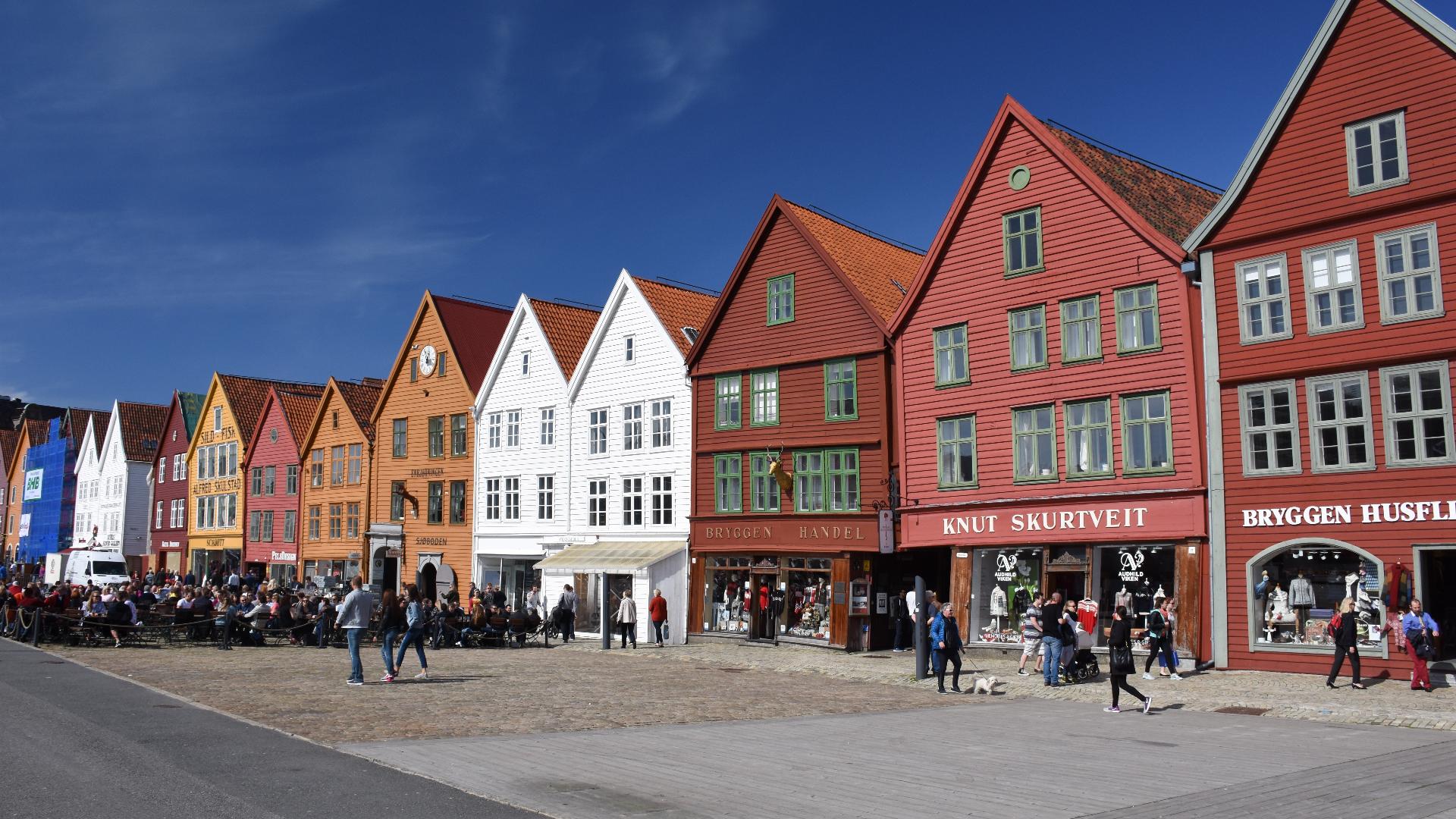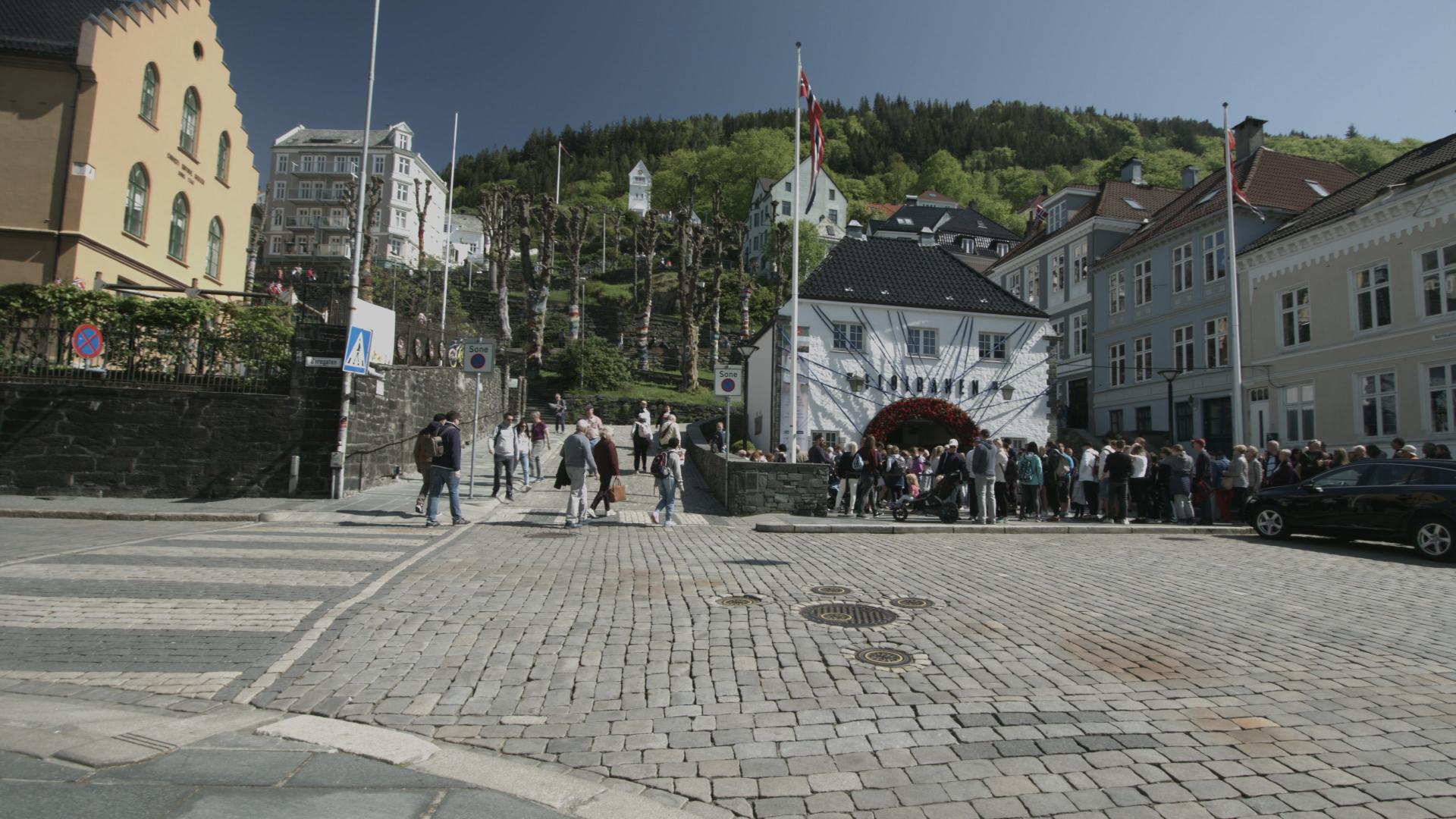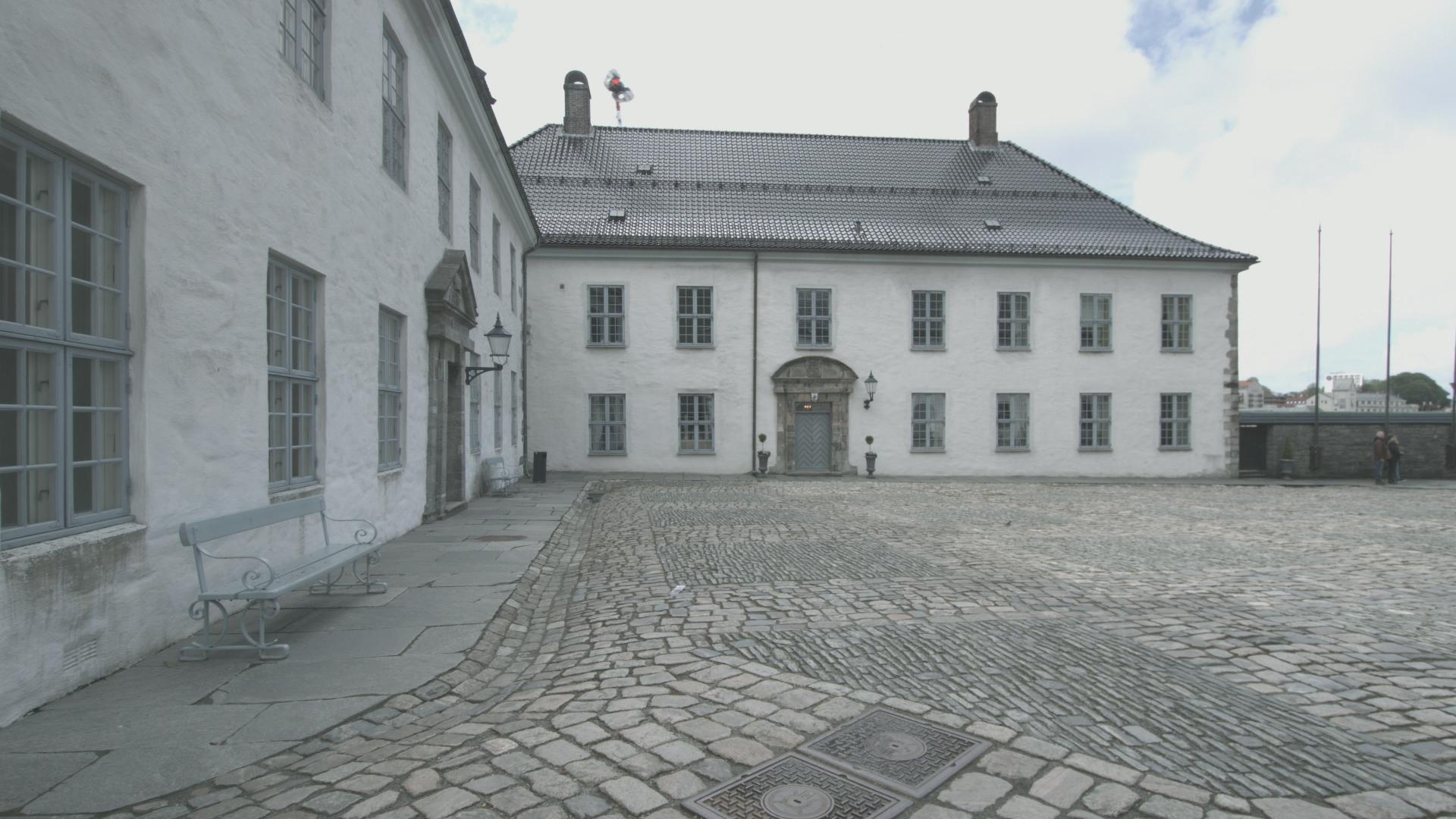
The Hanseatic Museum shows how the German merchants of Bryggen actually lived. It is housed in one of the old Hanseatic trading buildings, with original interiors: the cramped bedrooms where apprentices slept two to a bed, the counting rooms, the storage spaces packed with dried fish.
The museum was founded in 1872 and is one of the oldest museums in Norway. During construction, workers uncovered a medieval ruin dating from around 1280 beneath the building.
A separate ticket gets you into the Schøtstuene, the assembly halls behind Bryggen. These were the only buildings where open flames were allowed. The merchants ate here, held meetings, and ran a school for their young apprentices. The rooms are dark, timber-heavy, and give a good sense of what daily life was like in a place where fire was both essential and a constant threat.
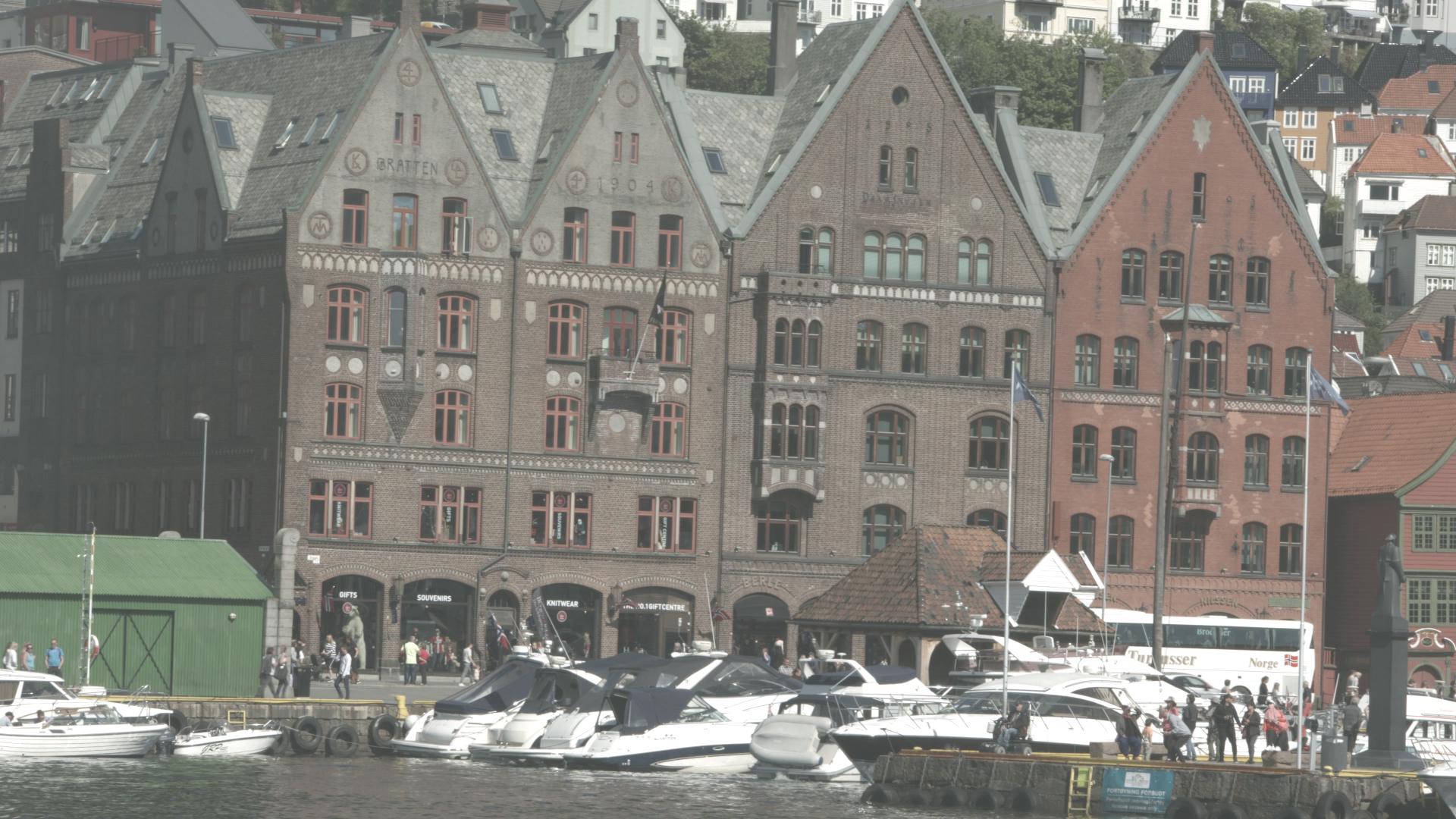
If you are visiting Bryggen and want more than just the photo of the colourful facades, this is where to go. The museum adds depth to what otherwise looks like a row of gift shops. Together with the Schøtstuene, it takes about an hour.
The museum was founded in 1872 and is one of the oldest museums in Norway. During construction, workers uncovered a medieval ruin dating from around 1280 beneath the building.
A separate ticket gets you into the Schøtstuene, the assembly halls behind Bryggen. These were the only buildings where open flames were allowed. The merchants ate here, held meetings, and ran a school for their young apprentices. The rooms are dark, timber-heavy, and give a good sense of what daily life was like in a place where fire was both essential and a constant threat.
If you are visiting Bryggen and want more than just the photo of the colourful facades, this is where to go. The museum adds depth to what otherwise looks like a row of gift shops. Together with the Schøtstuene, it takes about an hour.