Every summer in August, one of Norway's most famous theatrical productions takes place right here at Lake Gålåvatnet. The Peer Gynt play has been performed at this outdoor amphitheatre since 1989, and over 450,000 people have watched it since then.
But what makes this particular staging so special?
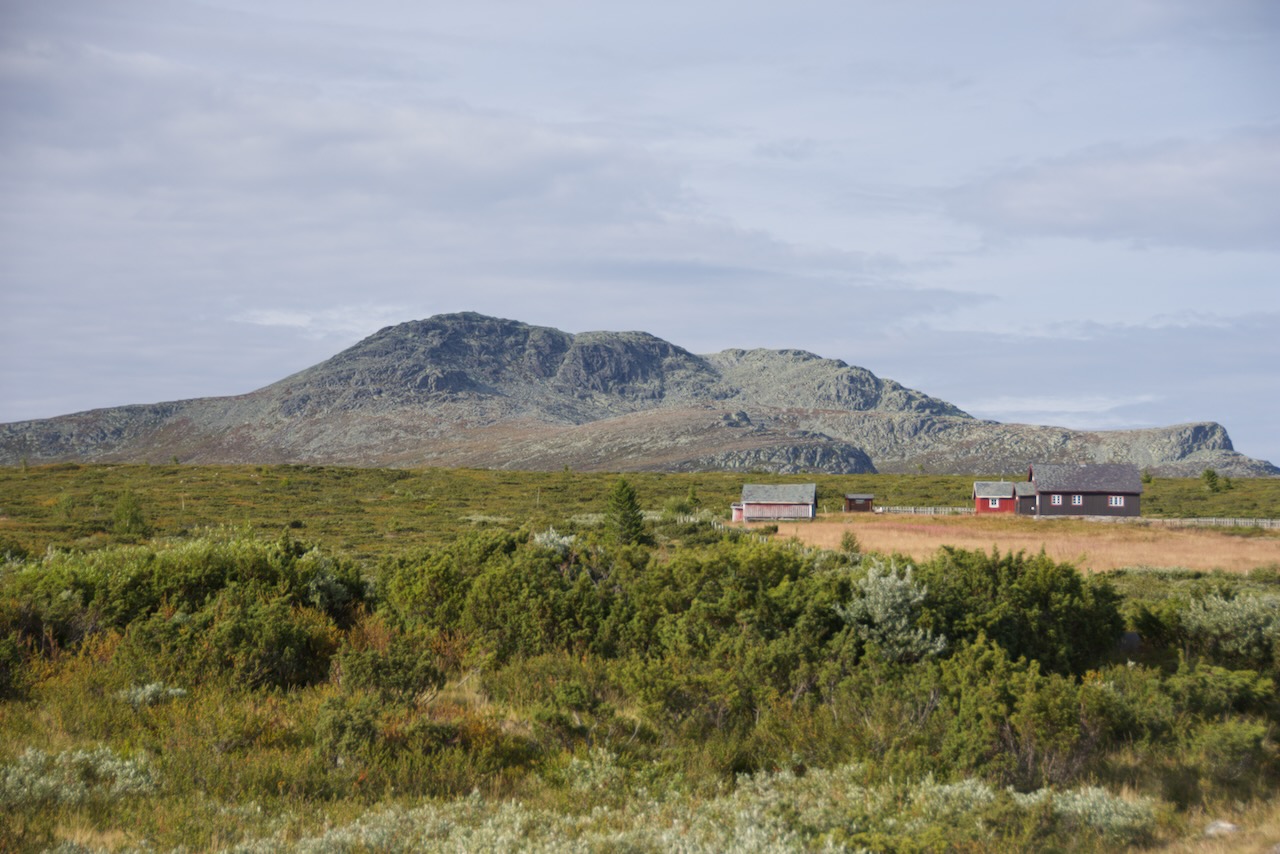
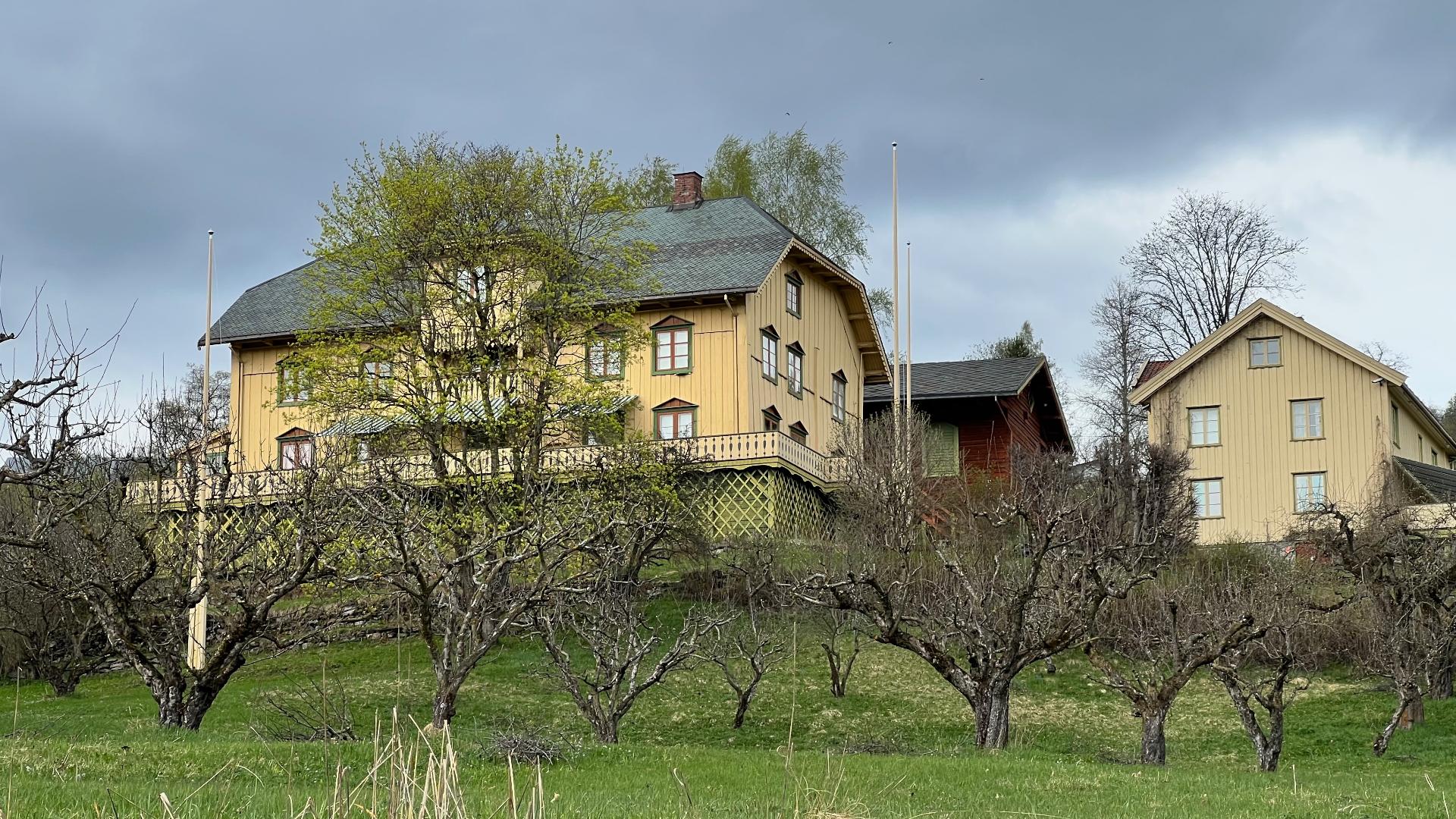
First, some background. Peer Gynt is a dramatic poem written by Henrik Ibsen in 1867. Ibsen actually travelled through this very valley, Gudbrandsdalen, in 1862, where he heard local tales about a man called Per Gynt. The historical Per Gynt was believed to be a farmer named Peder Olsen Hågå who lived in the 18th century near Vinstra, just down the valley from here. His farm, Hågå, can still be visited today and has a monument on the old church cemetery at Sødorp.
When Ibsen wrote to his publisher in Denmark, he said that Peer Gynt was based on a real person from Gudbrandsdalen whose name was still well known locally.
The music you might recognise from this play was composed by Edvard Grieg. He was asked by Ibsen in 1874 to create incidental music for the theatre production. Grieg found the task difficult. In a letter to a friend he wrote that for the Hall of the Mountain King he had created something that reeks of cow-turds and ultra-Norwegianism. He could barely stand to listen to it. Yet this piece, along with Morning Mood and Solveig's Song, became some of the world's most famous classical music.
The first Peer Gynt festival was held in 1928 in Vinstra, marking the centenary of Ibsen's birth. Since 1967, there has been an annual festival, and in 1989 they moved the performances up here to Lake Gålåvatnet.
The stage design is quite innovative. The architecture firm Snøhetta, the same people who designed the Oslo Opera House, created a scenography that brings the lake right onto the stage through an infinity pool. The wooden platform connecting to the water uses recycled wood from the old amphitheatre seats.
The performance runs for about three hours and doesn't finish until around 11 in the evening. That's because August evenings in Norway still have plenty of light. If you were to perform the entire original poem, it would take seven hours.
Now, the play is performed in Norwegian, which might concern some of you. But the production is actually well suited for international audiences. There are introductions in English and German before the show, summary booklets you can follow along with, and audio guides available. The Germans especially love this play. In Germany, Peer Gynt is considered an important part of theatre culture and one of the things they associate with Norway.
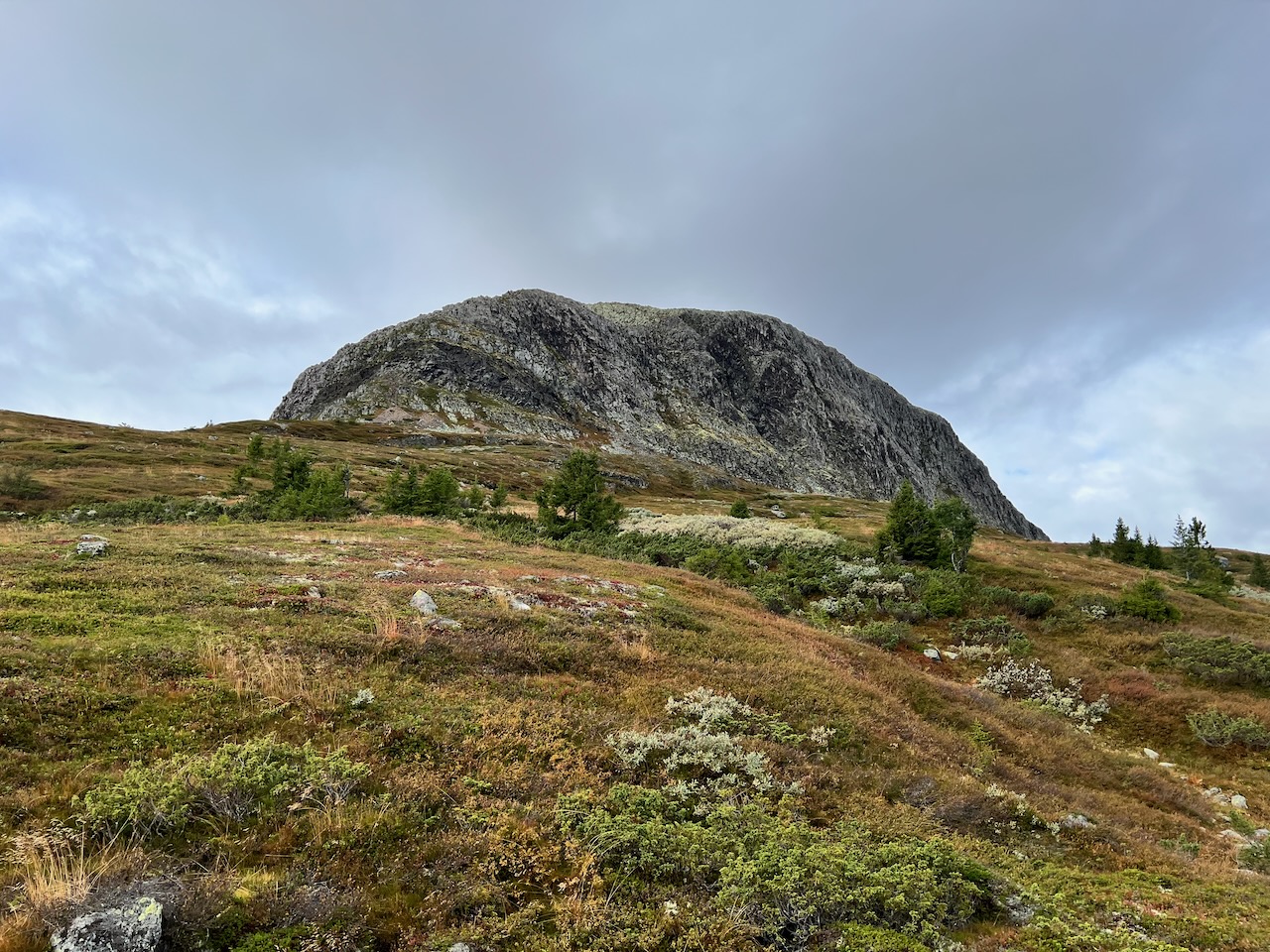
The festival itself lasts about nine days with 35 different events, including a mountain concert on Kvamsfjellet overlooking Rondane National Park. That concert attracts around 2000 spectators.
Each year, the Norwegian parliament also selects a prominent Norwegian to receive the Peer Gynt statuette. Previous winners include Queen Sonja, explorer Thor Heyerdahl, and author Jo Nesbø.
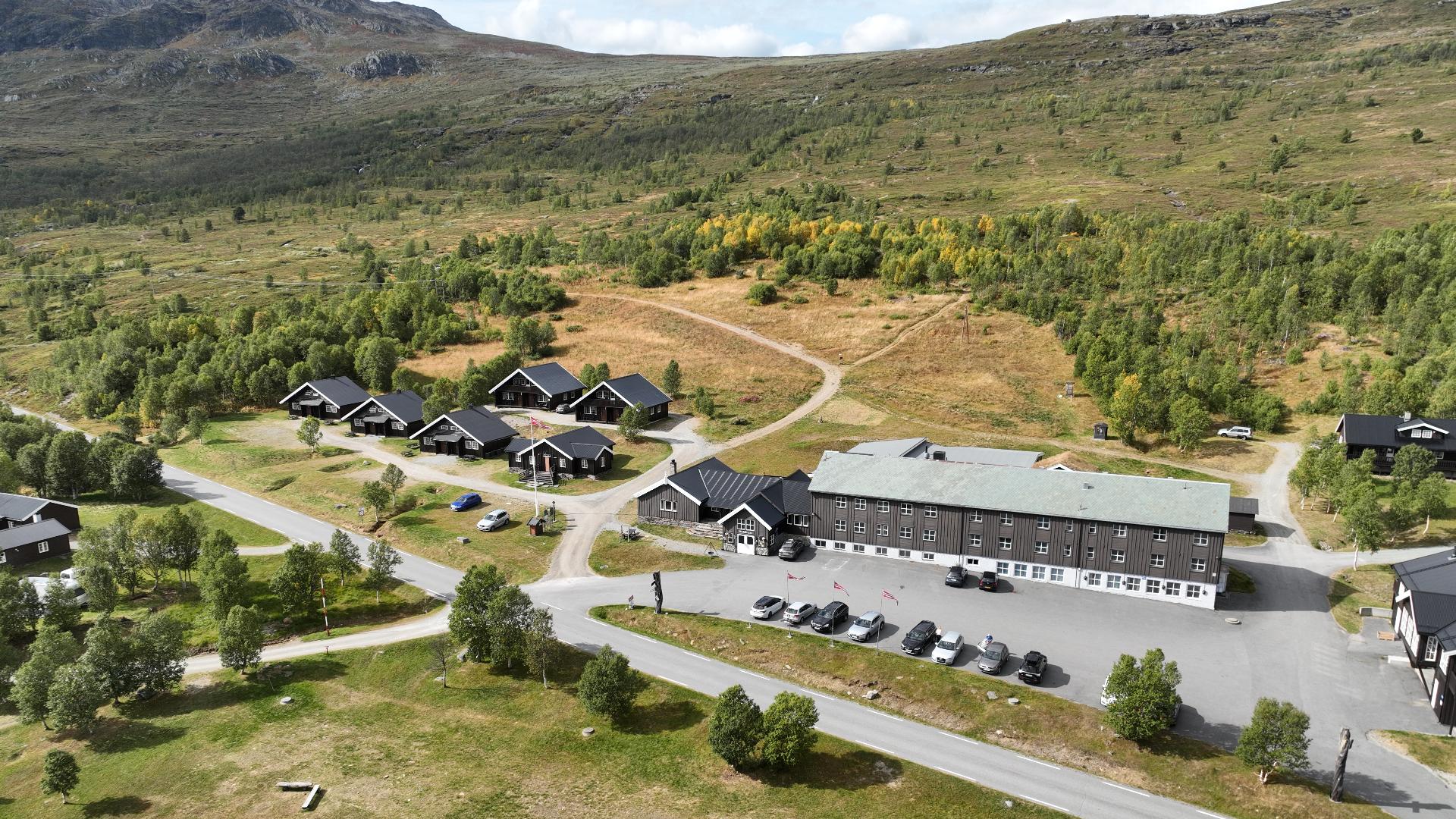
If you want to attend, the performances are held during the first two weeks of August. Tickets sell out, so book well in advance. There's bus transport from Lillehammer and nearby resorts, which is useful because parking can be limited. Many of the mountain hotels in the area offer packages with accommodation, meals, tickets and transport included.
The play brings together about 80 local amateur actors alongside Norway's best professional performers and musicians. It's one of the longest-running theatre productions in Norway and arguably the most authentic way to experience Ibsen's work, right in the landscape that inspired it.